10

Paver Walkway Ideas: Transform Your Home’s Entrance With Style & Function

10

Paver Walkway Ideas: Transform Your Home's Entrance With Style & Function

Your walkway is the first impression guests have of your home. It sets the tone before they even reach your door. A well-designed paver walkway does more than look beautiful—it adds curb appeal, increases property value, and creates a welcoming pathway.

Whether you want a classic entrance or a modern aesthetic, the right paver design can completely transform your outdoor space. Let's explore what makes walkways stand out and how to choose the perfect design for your home.

paver walkway ideas

Why Paver Walkways Matter More Than You Think

Your walkway is the first impression guests have. Here's the thing about walkways: people notice them. A thoughtfully designed path draws visitors in and guides them naturally to your entrance. It's not just about aesthetics, though that matters. Paver walkways are durable, low-maintenance, and can last 25 years or more with proper installation.

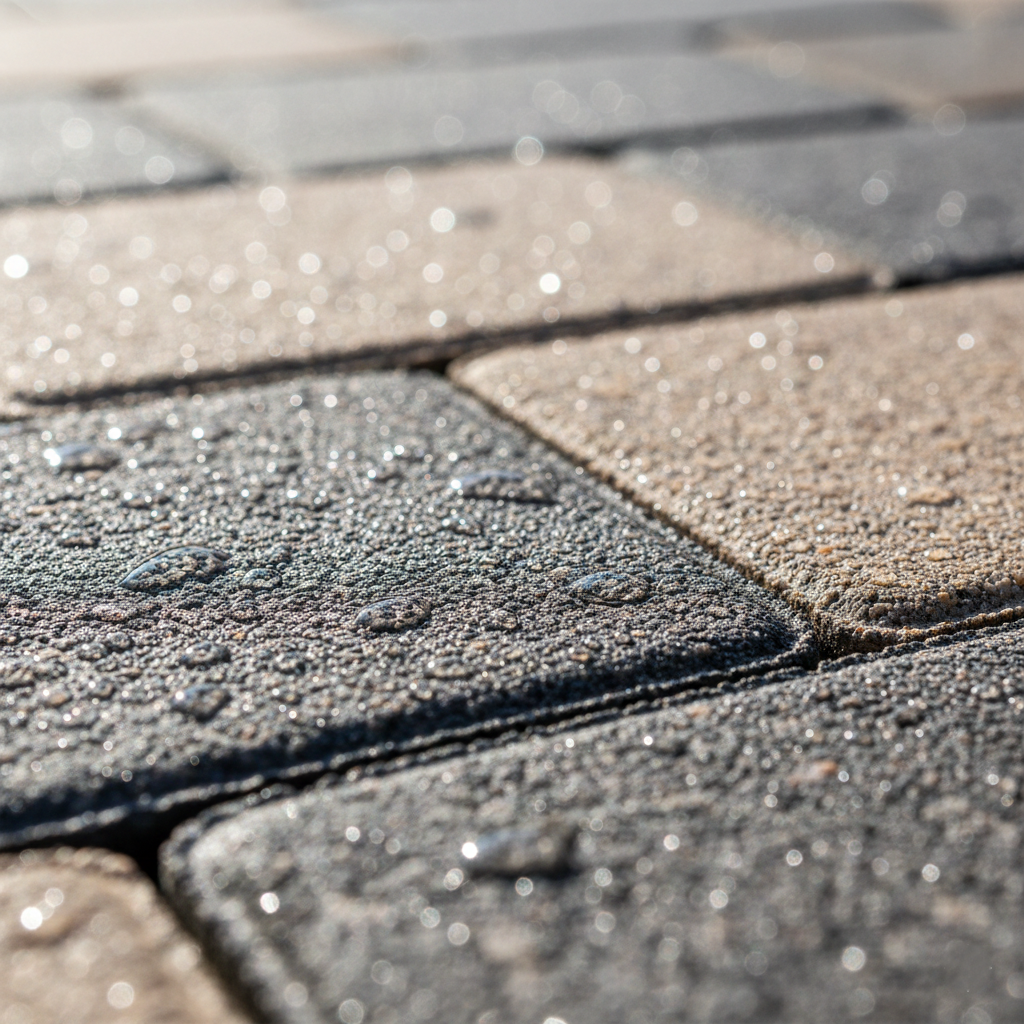
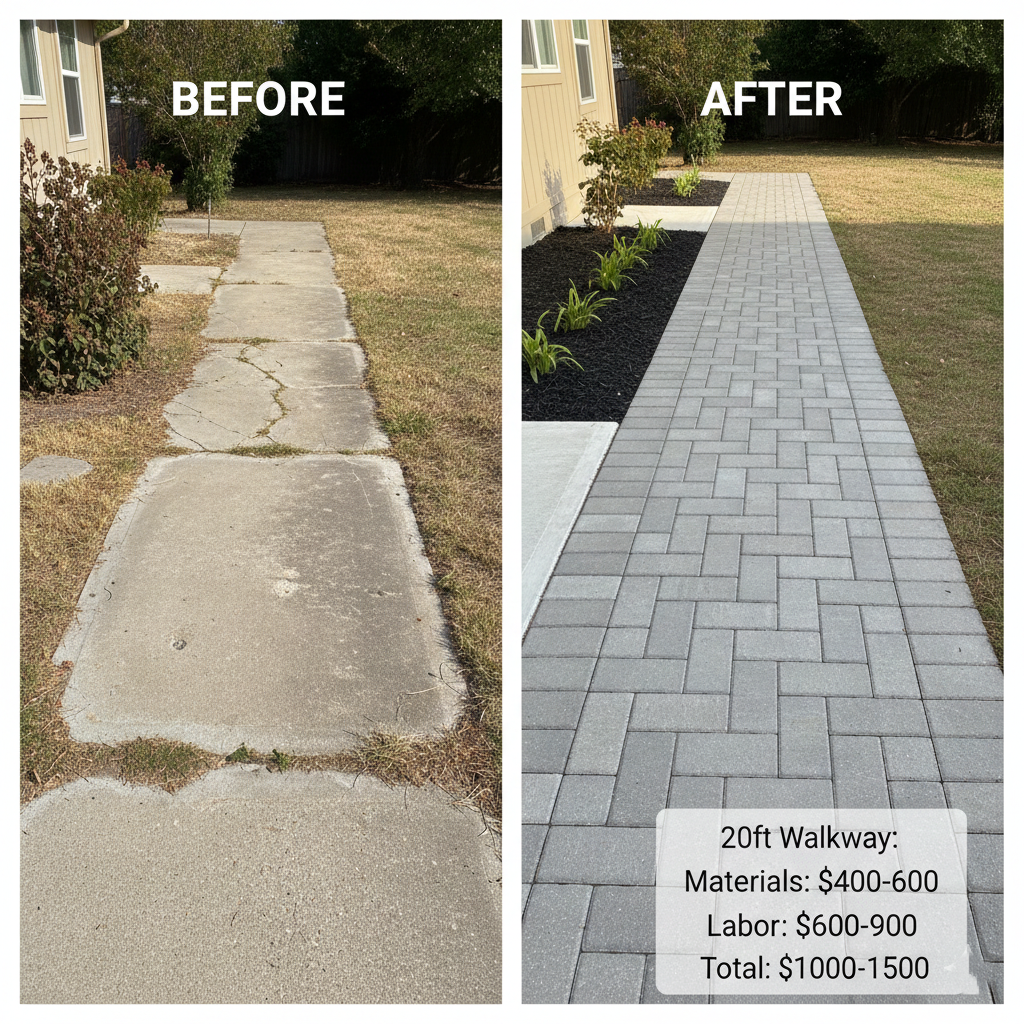
Unlike concrete slabs that crack and age poorly, pavers remain visually stunning while handling daily foot traffic without complaint. They also allow water to drain properly, preventing puddles and ice buildup during winter.

why

Popular Paver Walkway Materials: Finding Your Perfect Match

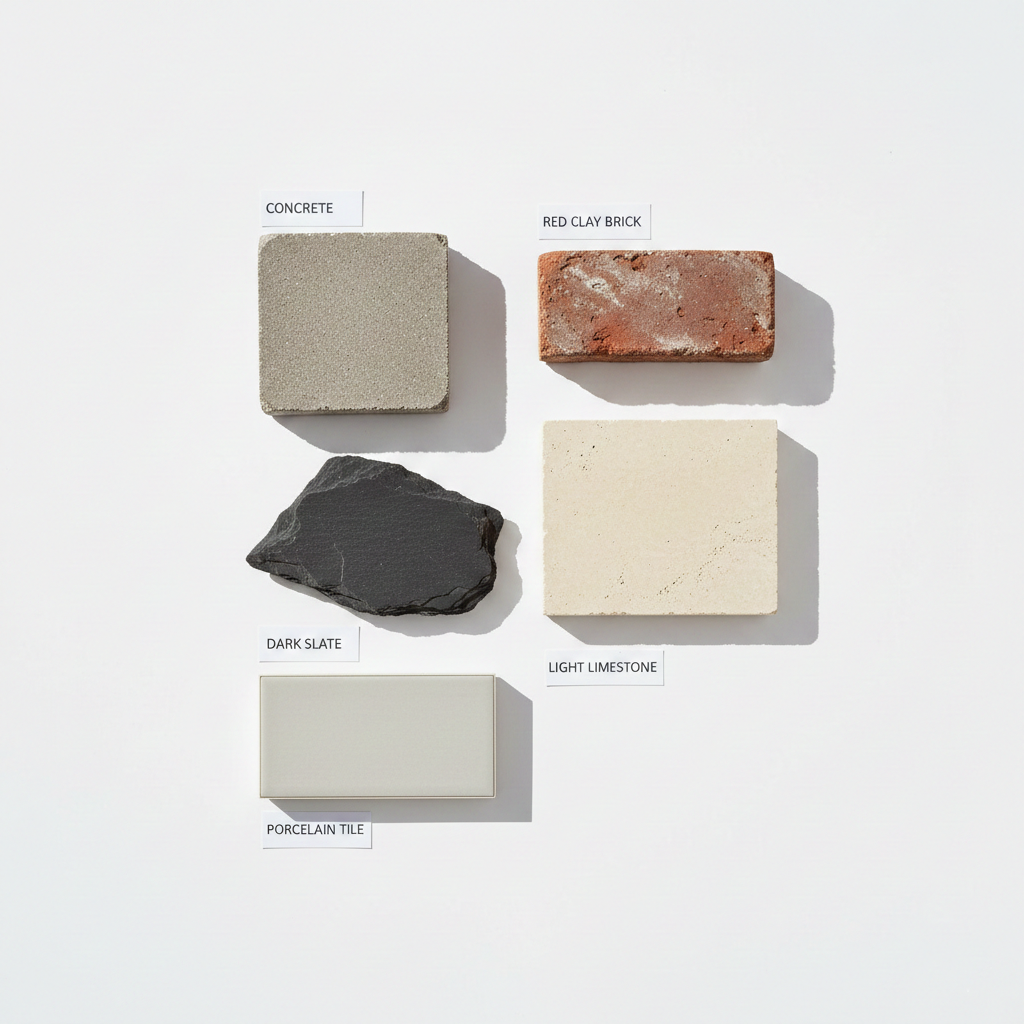
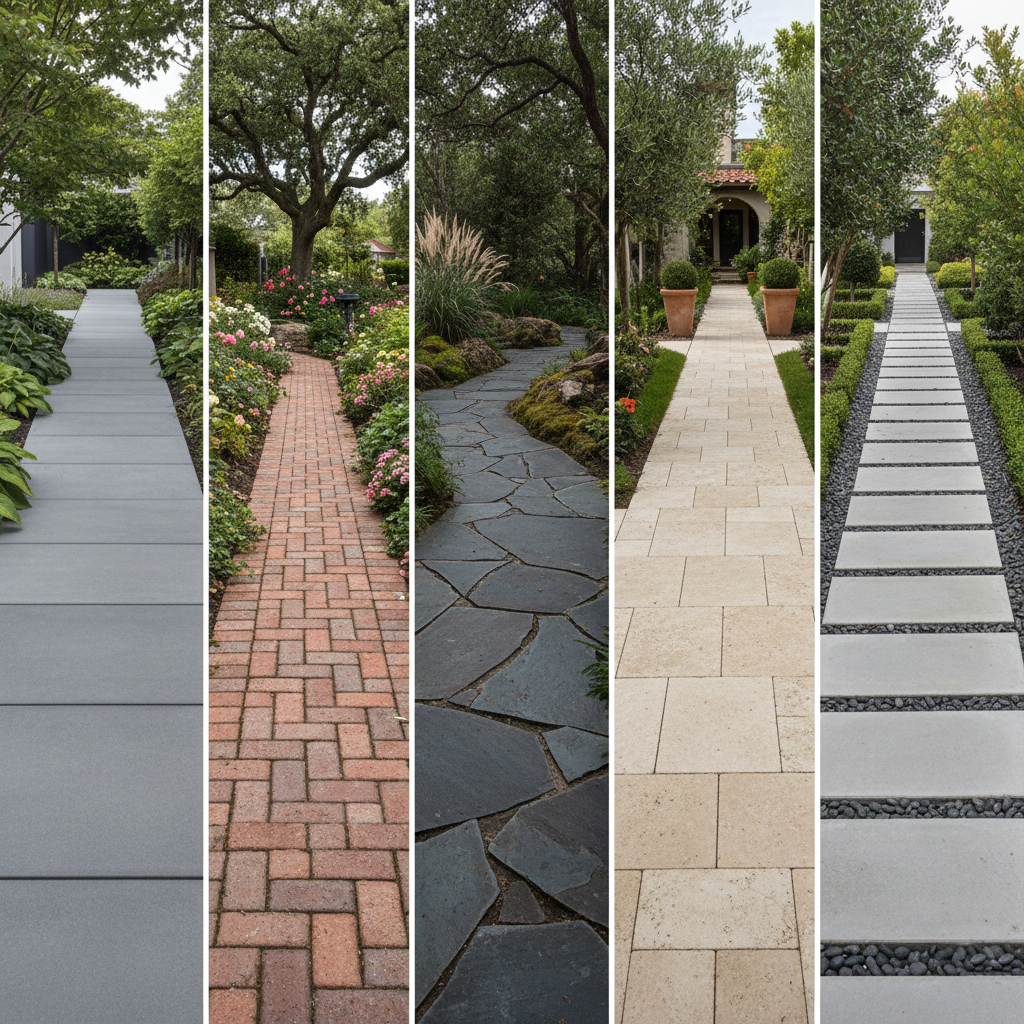
The material you choose sets the foundation for your entire design. Each option brings distinct character and benefits.

Concrete Pavers

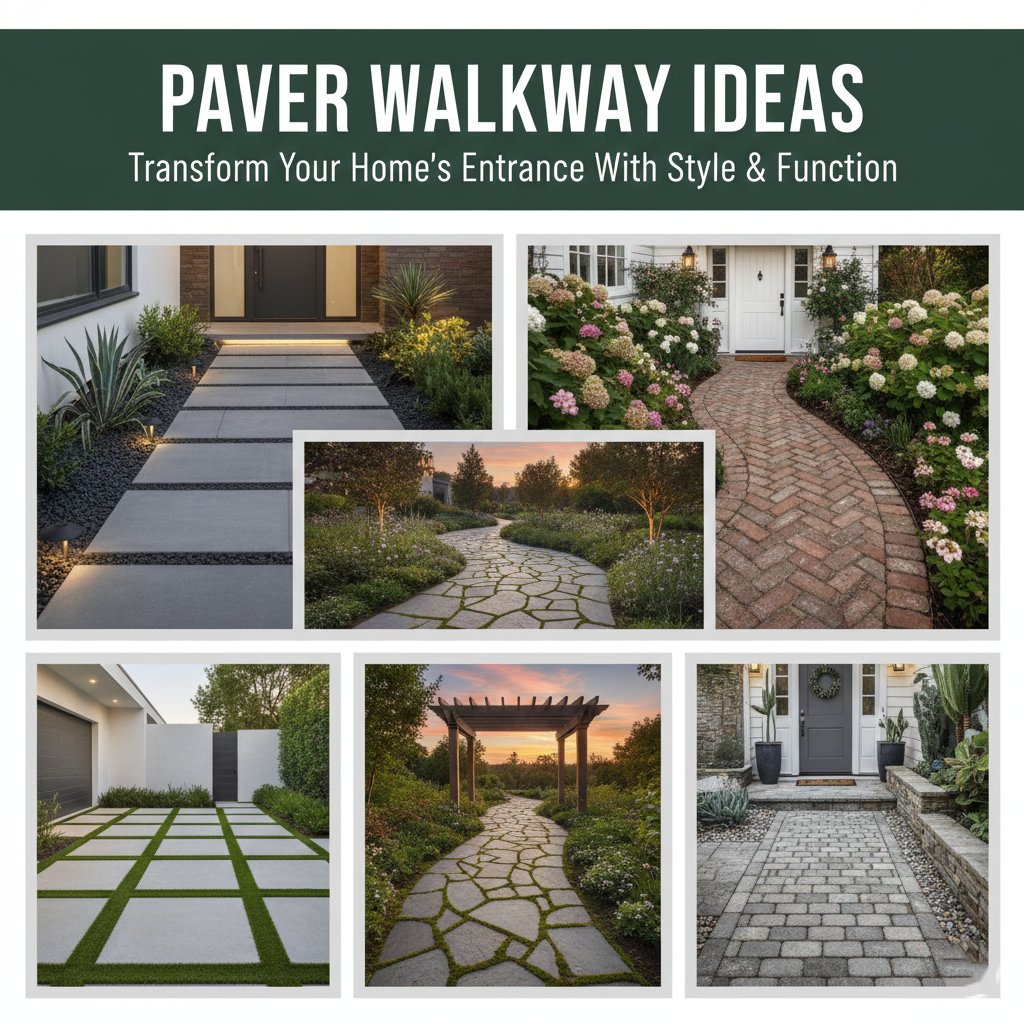
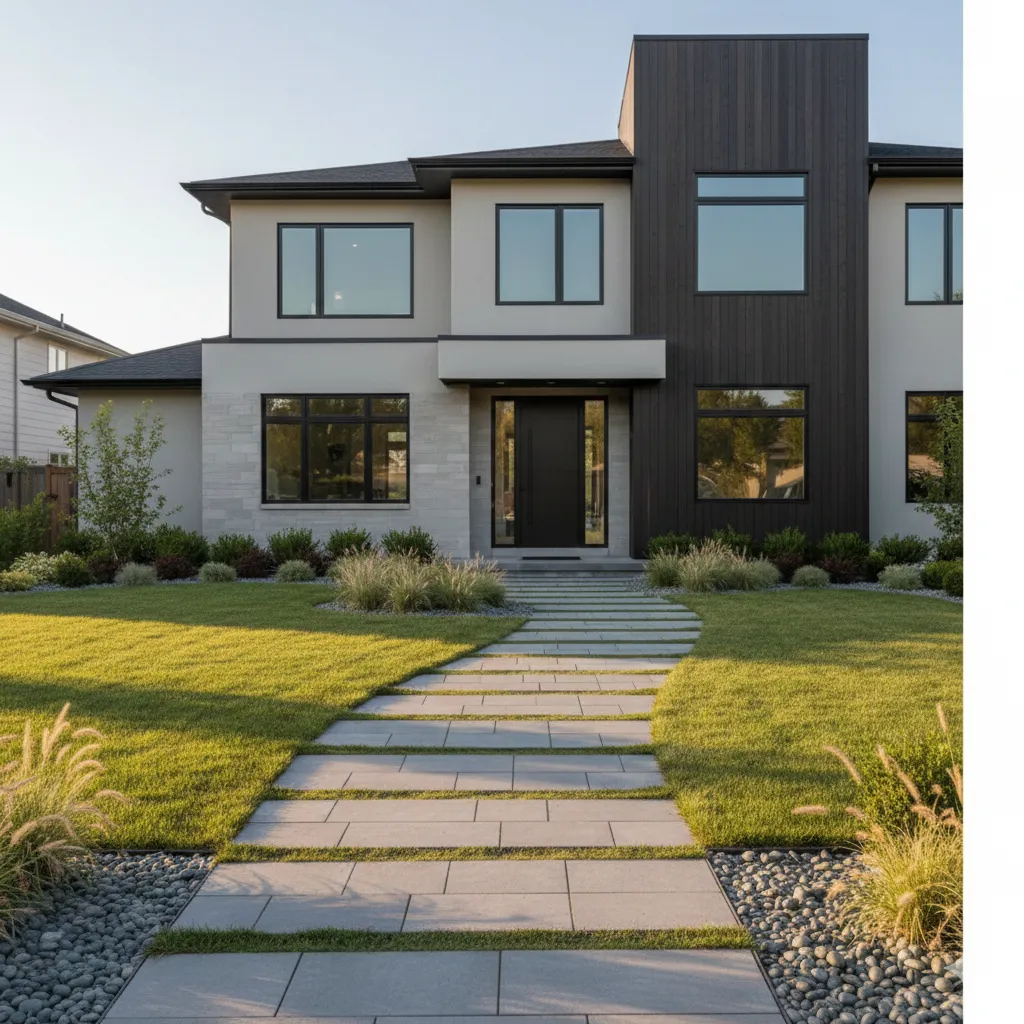
Concrete is the most affordable and versatile option. These pavers come in countless colors, sizes, and finishes. You can find textured options for extra grip, smooth finishes for a polished look, or even decorative patterns. Many homeowners love concrete because you get professional-looking results without breaking the bank.

Brick Pavers

Brick brings timeless elegance and warmth. If you want that classic, traditional feel, brick is your go-to choice. Each brick has natural color variations that create visual depth, and the rustic appeal never goes out of style. The downside? Brick can be pricier and requires slightly more maintenance than concrete.

Natural Stone Options

Flagstone, slate, bluestone, and limestone offer premium aesthetics. Each type has unique characteristics—slate is dark and sophisticated, bluestone is cool and contemporary, while limestone feels warm and inviting. Natural stone walkways are show-stoppers but come with higher costs and professional installation requirements.

Porcelain Pavers

This newer option is gaining traction for good reason. Porcelain pavers are incredibly durable, fade-resistant, and stain-proof. They mimic natural stone beautifully but require less maintenance. They're ideal if you want luxury without the upkeep headaches.

Cobblestone & Mixed Materials

For that European charm, cobblestone delivers unmistakable character. You can also blend materials—combining polished concrete with natural stone inlays or mixing brick with granite borders. These layered approaches create visual interest and sophistication.
why
Rock
Rockffer

Budget-Friendly Walkway Ideas

Cost-conscious? Start with concrete pavers in neutral colors. Simple patterns like running bond or stack bond reduce labor. Keep the walkway narrower (3 feet) to reduce material needs. Skip complicated borders and inlays initially—you can upgrade later.

Crushed granite and stepping stones offer budget alternatives, though they require more maintenance and don't last as long as pavers.

frendly
9

Transform Your Backyard: 3 Cozy Small Garden Nook Ideas

9

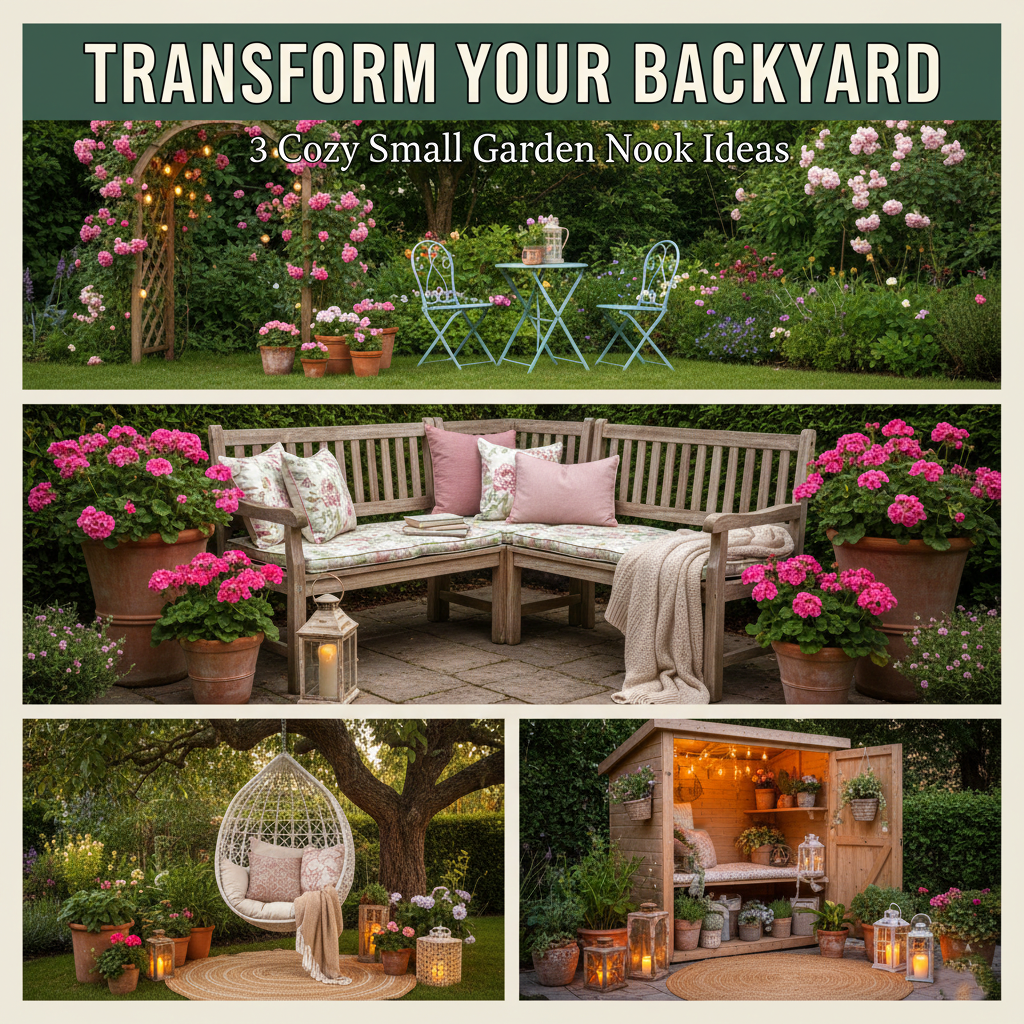
Transform Your Backyard: 3 Cozy Small Garden Nook Ideas

Do you have a forgotten corner in your yard? Perhaps it's a tight squeeze between your garage and a fence, or a small patio that feels more like a passageway than a place to unwind. Even the smallest patch of dirt or concrete can become a profound sanctuary. You don’t need a massive estate to find peace outdoors; sometimes, the most intimate spaces offer the most profound sense of calm.

Creating a garden nook is about more than just decor; it's about carving out a personal haven. Imagine a quiet spot for your morning coffee, a sun-drenched corner for reading, or a sheltered retreat where you can simply watch the clouds drift by. It’s about making a connection with nature, even in an urban setting. Let’s explore how to transform those tiny, overlooked gaps into your favorite "room" in the house—a place that feels utterly your own.

1. Define Your Nook with Vertical Interest

When floor space is tight, your most valuable asset is often overlooked: vertical space. Think upwards! Using height effectively can create a remarkable sense of enclosure, privacy, and lushness, making a small area feel much more significant and immersive.

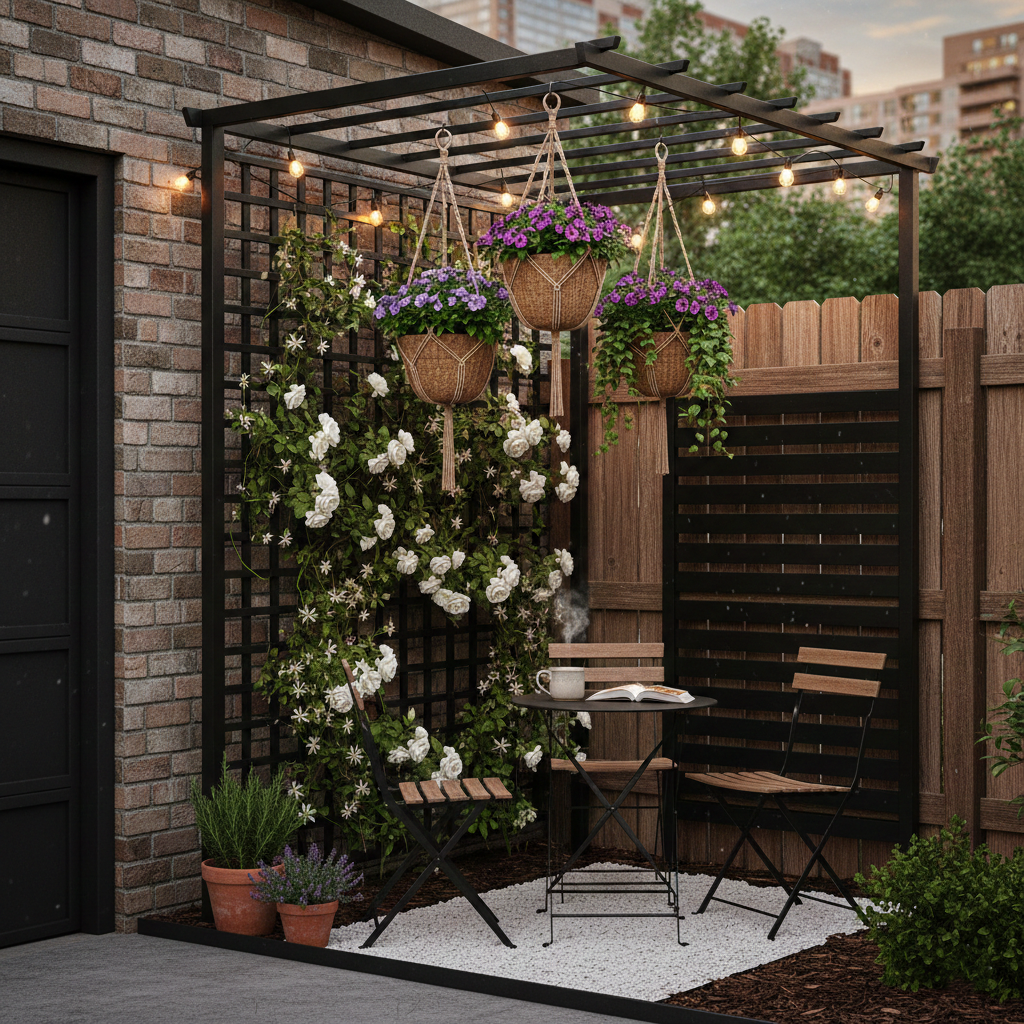
  • Install a Trellis: A simple trellis attached to a wall or fence can be a game-changer. Imagine fragrant climbing roses reaching for the sky, or delicate jasmine weaving its way through the lattice, releasing its intoxicating scent on a warm evening. These living walls add beauty and a natural "hug" to your nook. They also provide a beautiful backdrop for your seating area.

  • Hanging Planters: Don't let precious ground go unused. Suspend baskets brimming with cascading ferns, vibrant petunias, or even trailing herbs. This draws the eye upward, creating layers of greenery and saving valuable floor space below. You can use hooks from an overhang, a pergola, or even a sturdy tree branch.

  • Privacy Screens: If you need a quick and stylish way to block an undesirable view or simply enhance the feeling of seclusion, consider a decorative privacy screen. A slatted wooden panel, a bamboo screen, or even a metal art piece can add architectural interest while providing a visual barrier. They offer shade and can transform an exposed area into a cozy hideaway.


Vertical Interest

2. Choose the Right Seating for Small Spaces

The seating is the heart of your garden nook; it’s where you’ll spend your time relaxing. But huge patio sets will quickly overwhelm a small area, making it feel cramped and uncomfortable. In a small space, scale is absolutely everything. You need pieces that are proportionate, functional, and perhaps even multi-purpose.

  • Bistro Sets: These classic metal or wooden sets are a staple for a reason. They are typically compact, often featuring a small round table and two chairs. Many designs fold away easily, which is perfect for maximizing flexibility. They evoke a charming, European cafe vibe and are ideal for intimate conversations or a solo meal outdoors.

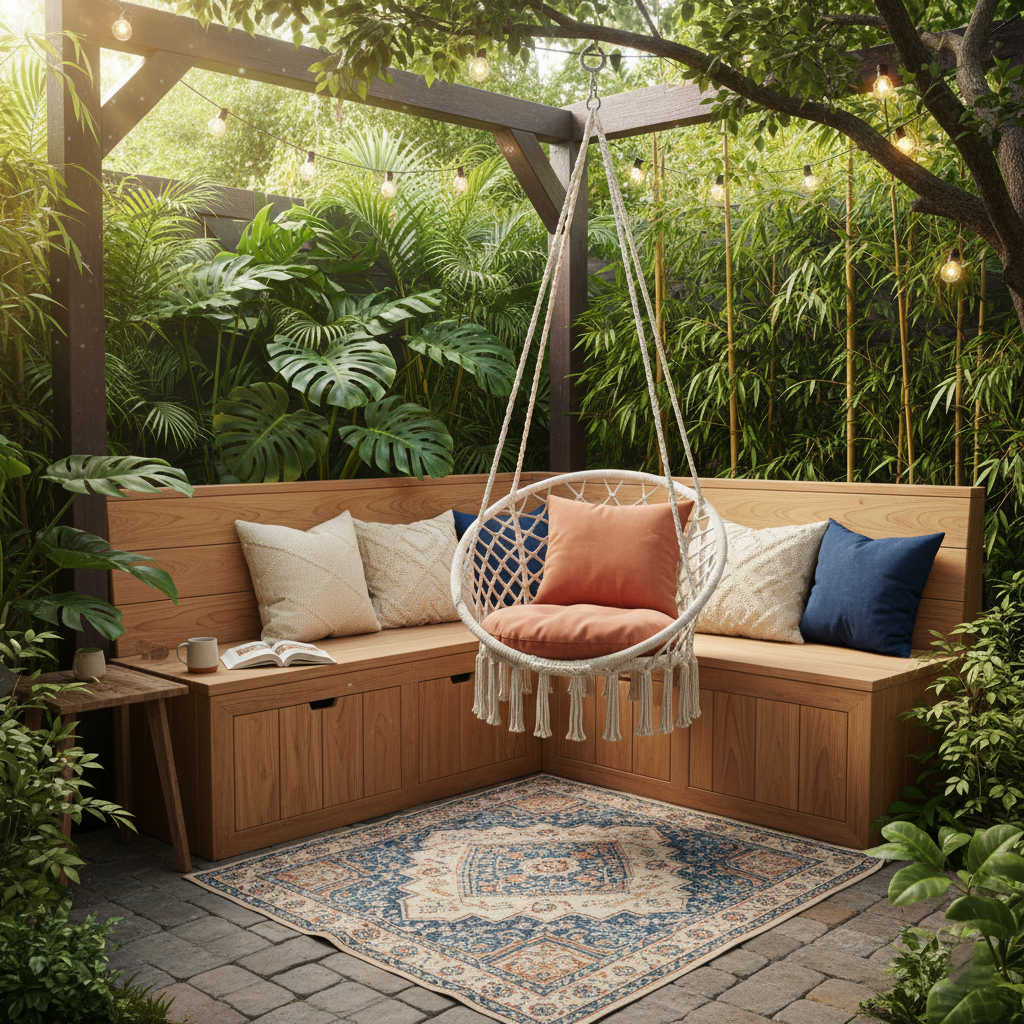
  • Built-in Benches: For truly tiny or awkward spaces, custom-built benches are an absolute dream. An L-shaped bench, for instance, can maximize every single inch of available space, fitting snugly into a corner. As an added bonus, the area underneath a built-in bench can be designed for hidden storage—perfect for stashing cushions, gardening tools, or even extra blankets for chilly evenings.

  • Hammocks or Swings: If ultimate relaxation is your goal, consider a hammock or a hanging chair/swing. These pieces create a playful, bohemian vibe and offer incredible comfort. The best part? Many designs take up very little to no floor space, as they are suspended from a sturdy beam, a tree, or a dedicated stand. Imagine gently swaying in the breeze with a good book!

Right Seating for Small Spaces

3.Use Color and Light to Set the Mood

A garden nook isn't just for daytime enjoyment. The magic truly begins once the sun starts to set, and the right lighting can transform a simple outdoor space into a mesmerizing, intimate retreat. Beyond illumination, strategic use of color can breathe life and personality into your small haven.

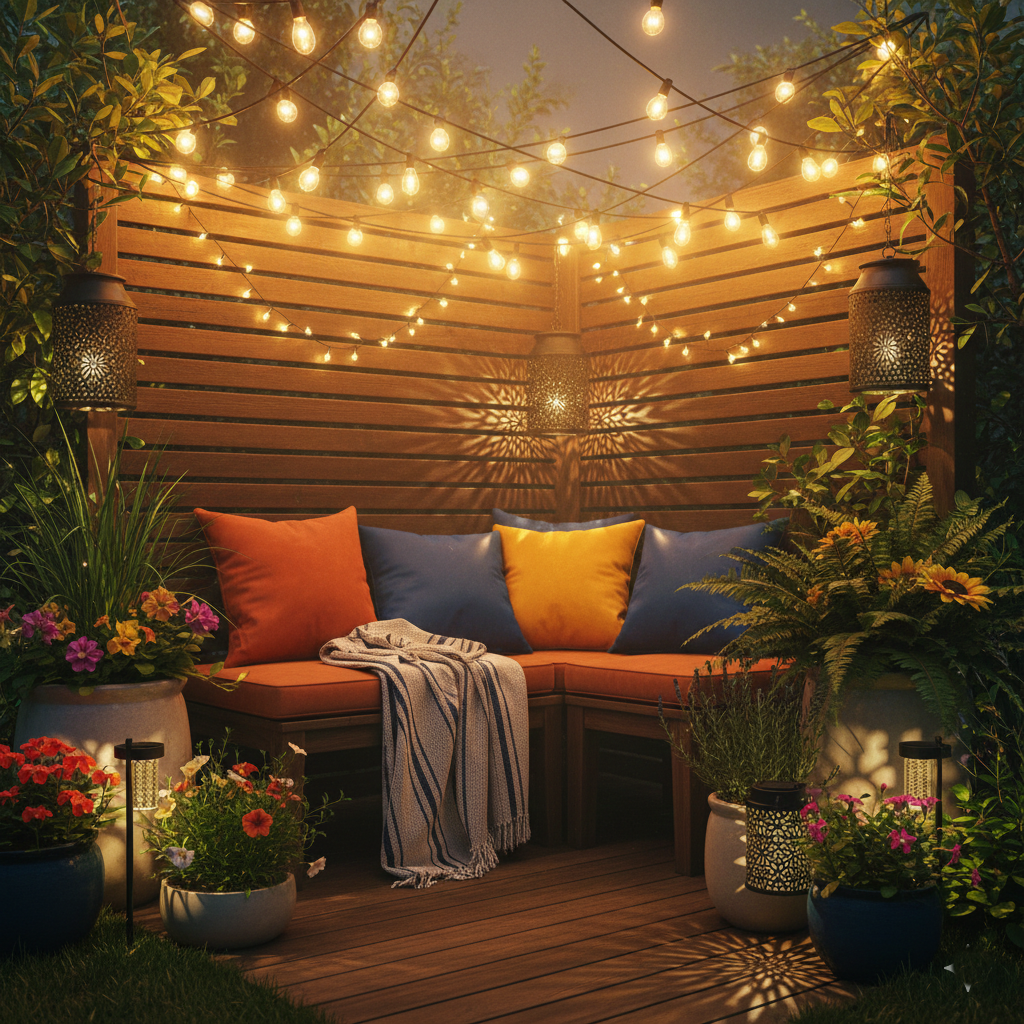
  • Warm String Lights: These are perhaps the easiest and most impactful way to add ambiance. Drape Edison-bulb string lights across a fence, weave them through a trellis, or suspend them overhead from a pergola. The warm, soft glow instantly creates a cozy and inviting atmosphere, perfect for evening gatherings or quiet contemplation. They feel incredibly festive and charming.

  • Solar Lanterns: For pathways or to highlight specific plants, solar-powered lanterns are both eco-friendly and wonderfully convenient. They charge during the day and automatically light up at dusk, providing gentle illumination without the need for unsightly wires or outlets. You can place them on tables, hang them from hooks, or stake them into the ground.

  • Bold Cushions: Don't underestimate the power of textiles! While the greenery provides natural color, vibrant cushions and throw pillows can inject a massive dose of personality and comfort. Choose hues that complement your plants, like lush emerald greens, or opt for bold contrasts such as terracotta reds, sunny yellows, or deep blues. These colors make your seating area pop and invite you to settle in.

Light to Set the Mood