21

Backyard Landscaping with Boulders: Natural Design That Feels Timeless

21

Natural Design That Feels Timeless

Boulders bring strength and calm to a backyard.
They feel permanent and grounding.

Unlike small stones, boulders create structure.
They shape the landscape instead of decorating it.

When placed with intention, boulders make outdoor spaces feel balanced and natural.

Using Boulders as Natural Focal Points

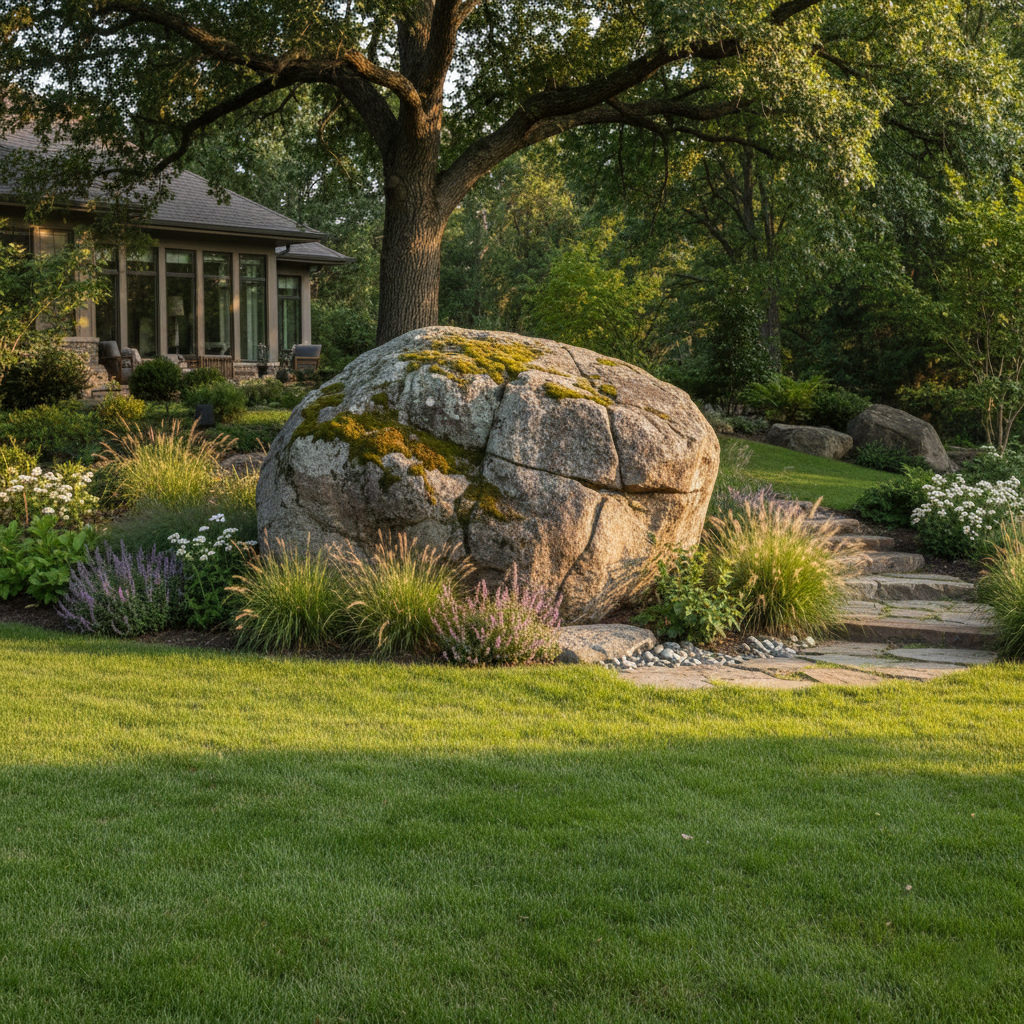
A single boulder can anchor an entire backyard design.
It draws attention without feeling forced.

Natural stone shapes feel organic.
They blend easily with plants and soil.

How to Style Boulders as Focal Features

  • Place near garden entrances

  • Center them in open lawn areas

  • Pair with ornamental grasses

  • Surround with low-growing plants

Avoid placing boulders randomly.
They should look settled, not dropped.

Partial burial helps.
It makes boulders feel rooted in the landscape.

rockeundertree

Backyard Pathways and Edging with Boulders

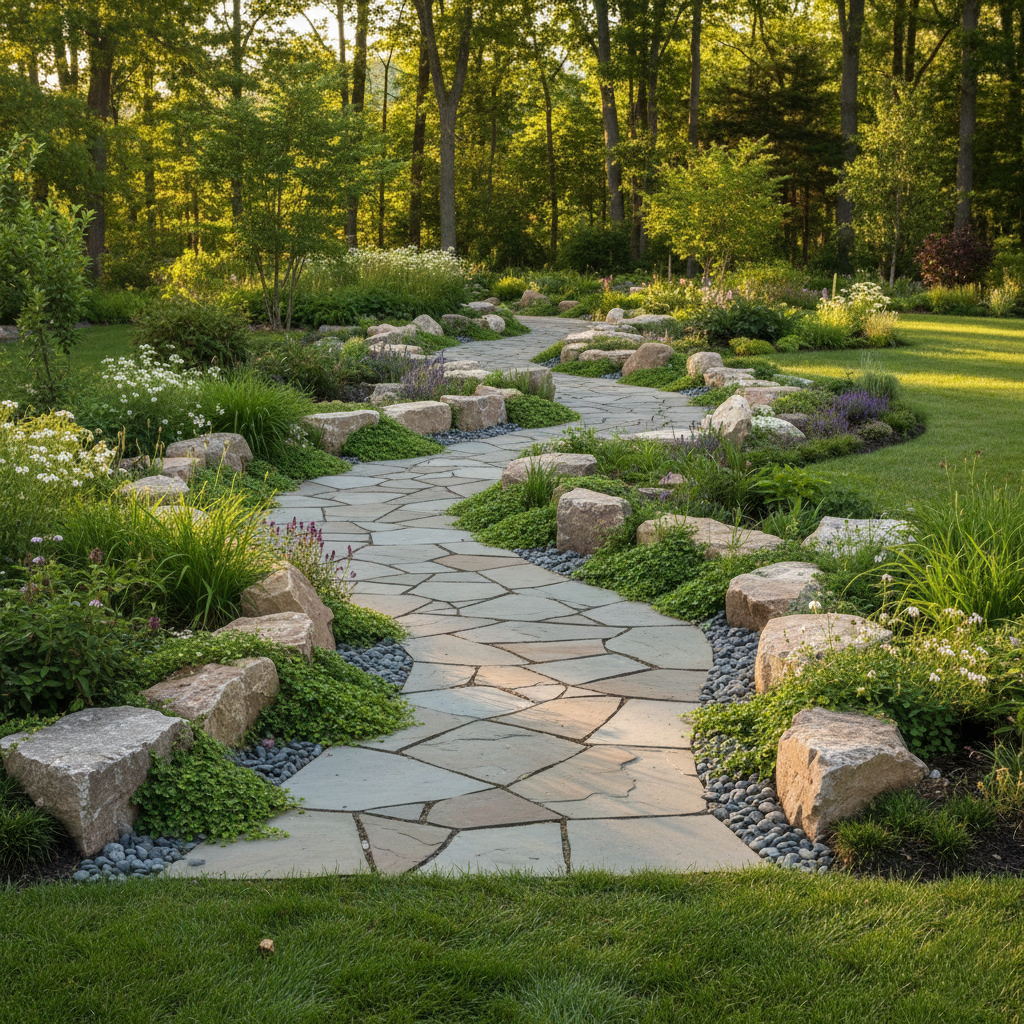
Boulders work beautifully along paths.
They guide movement naturally.

Using boulders as edging adds texture and depth.
It feels stronger than traditional borders.

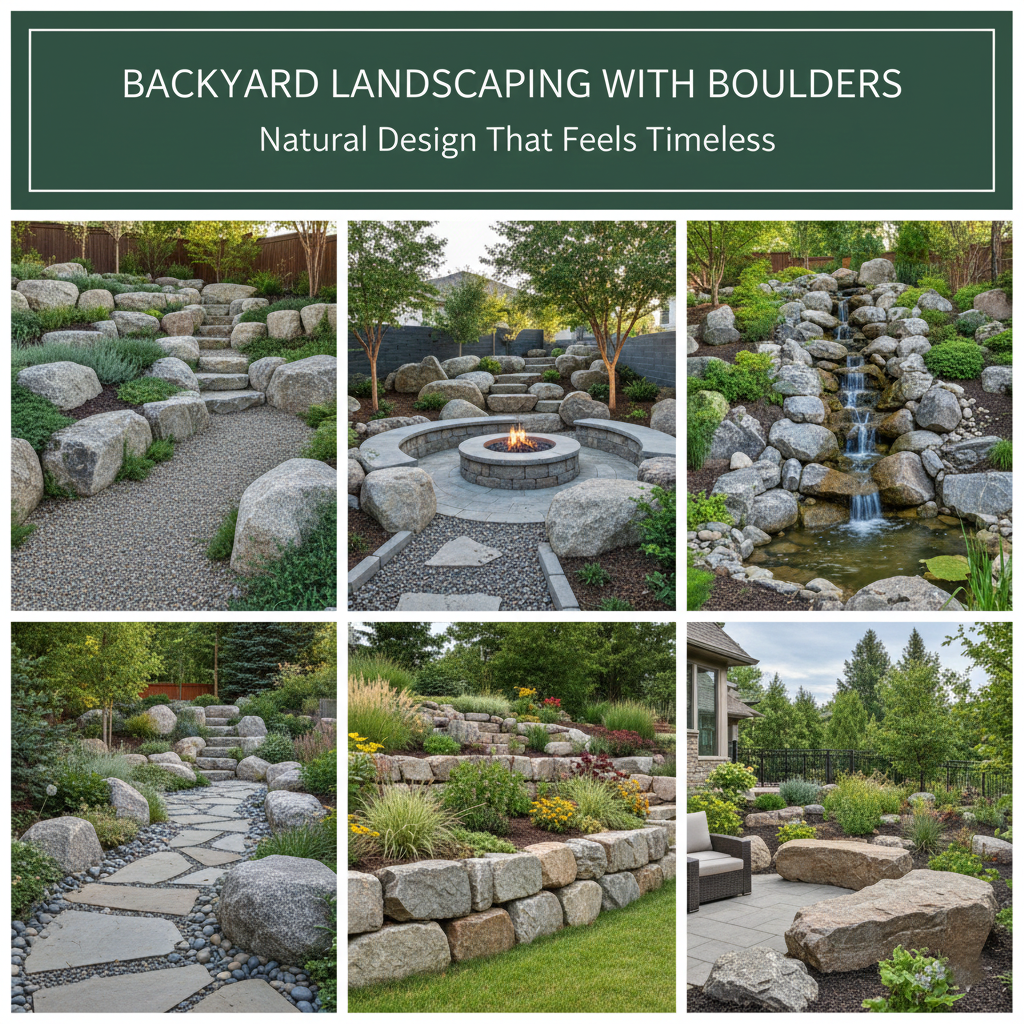
Creative Pathway Ideas with Boulders

  • Stepping stone paths framed by boulders

  • Gravel walkways with boulder accents

  • Curved garden paths lined with stone

Choose stones with similar color tones.
This keeps the design cohesive.

Paths with boulders feel intentional.
They also improve durability.

walkstreet

Boulders for Sloped and Uneven Backyards

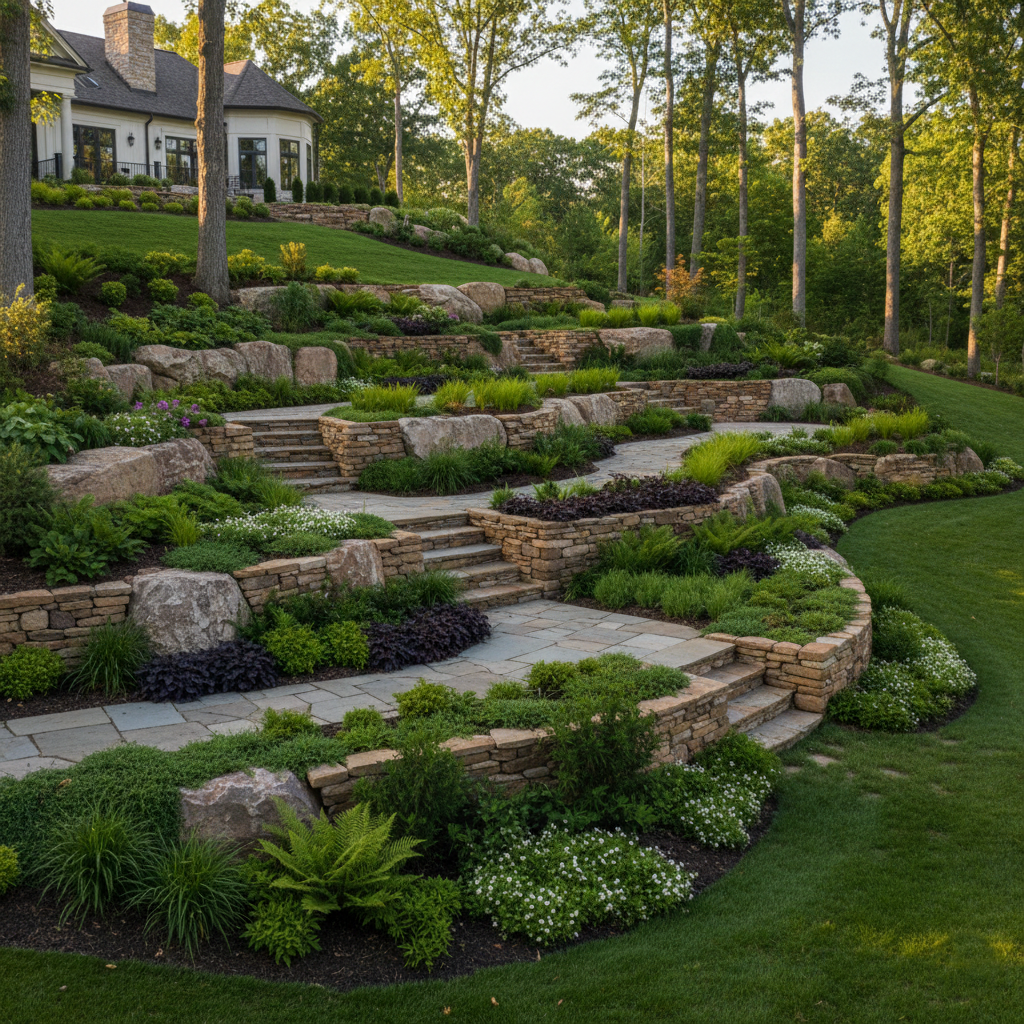
Uneven yards are perfect for boulder landscaping.
They solve problems while adding beauty.

Boulders help manage erosion.
They also create natural levels.

Smart Boulder Solutions for Slopes

  • Terraced planting areas

  • Natural retaining walls

  • Stone steps built into slopes

  • Water flow control with rock placement

Larger stones belong at the base.
This provides stability and safety.

Sloped boulder landscapes feel dramatic.
They turn challenges into features.

streetofhouse

Combining Boulders with Plants for a Natural Look

Plants soften the strength of stone.
Together, they create balance.

Choose plants that look natural around rock.
Avoid overly formal varieties.

Best Plants to Pair with Boulders

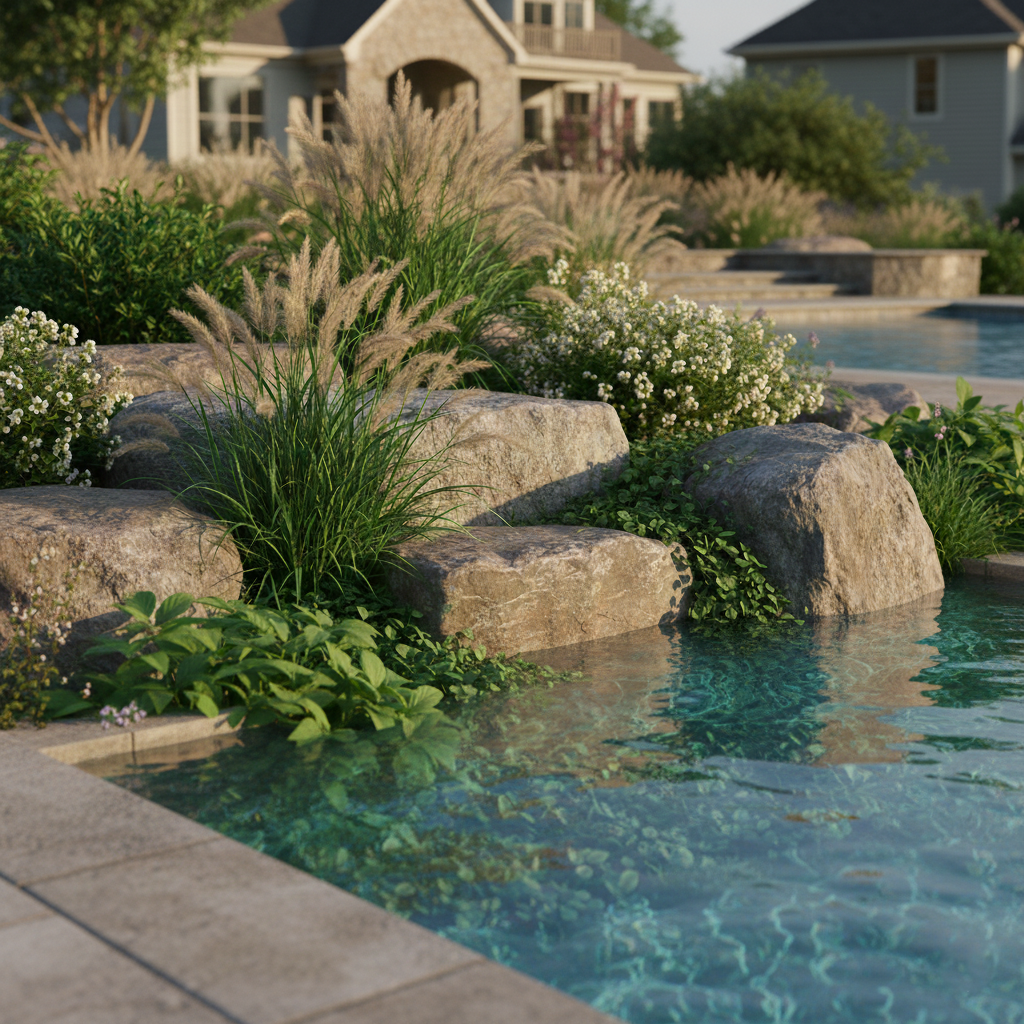
  • Ornamental grasses

  • Ferns

  • Succulents

  • Ground covers

  • Native shrubs

Plant in clusters.
This mimics how nature grows.

Allow space between plants and rocks.
Crowding feels unnatural.

poolinfront

Low-Maintenance Backyard Designs Using Boulders

Boulders reduce the need for constant upkeep.
They never need watering or trimming.

When combined with the right materials, maintenance stays minimal.
That makes them ideal for busy homeowners.

Low-Maintenance Design Ideas

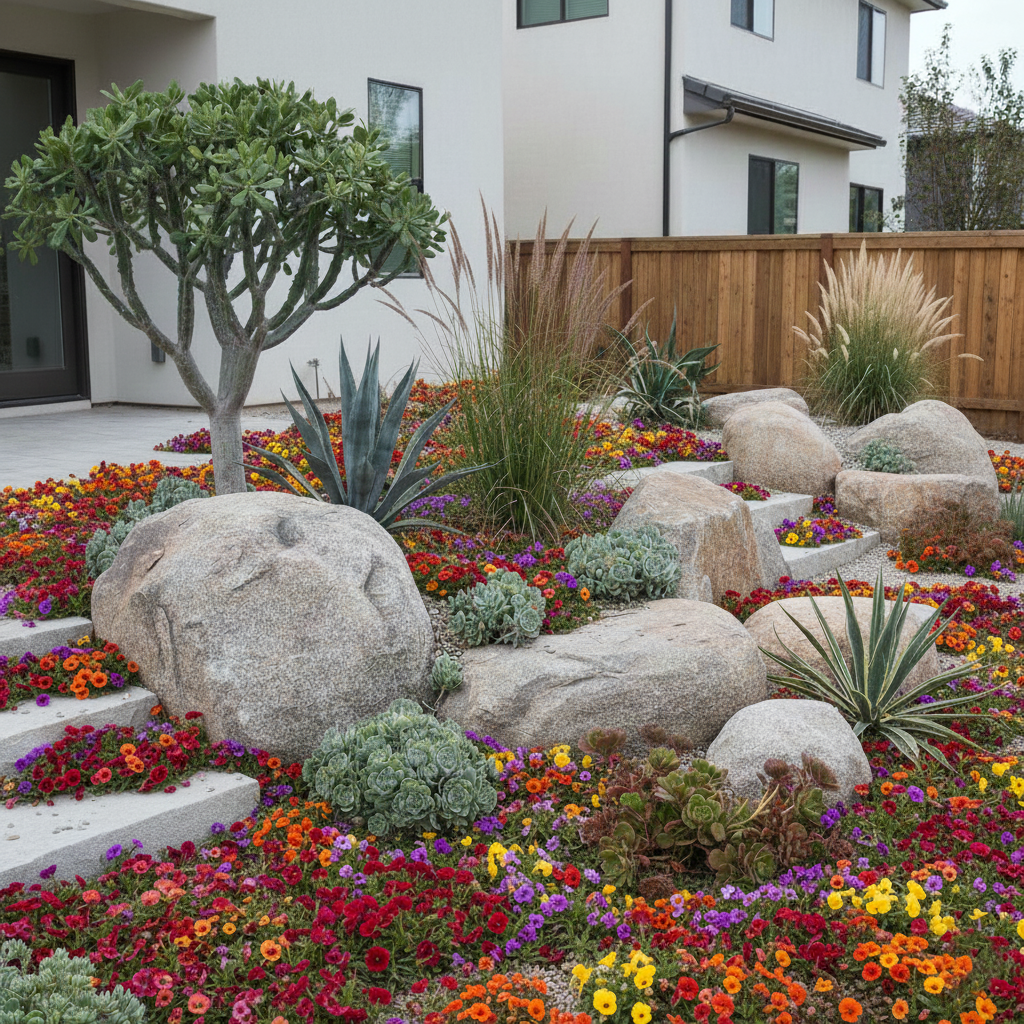
  • Boulders with gravel ground cover

  • Drought-tolerant plants

  • Minimal lawn areas

  • Native plant groupings

This approach works well in dry climates.
It also suits modern outdoor spaces.

Once installed, boulder landscapes age beautifully.
They improve over time.

added flower

Final Thoughts: Is Backyard Landscaping with Boulders Worth It?

Yes, absolutely.

Boulders add permanence and strength.
They ground the landscape emotionally and visually.

They solve practical problems like slopes and erosion.
They also create calm, natural beauty.

With thoughtful placement and plant pairing, boulders transform backyards into timeless outdoor spaces.
They do not follow trends.
They feel lasting

20

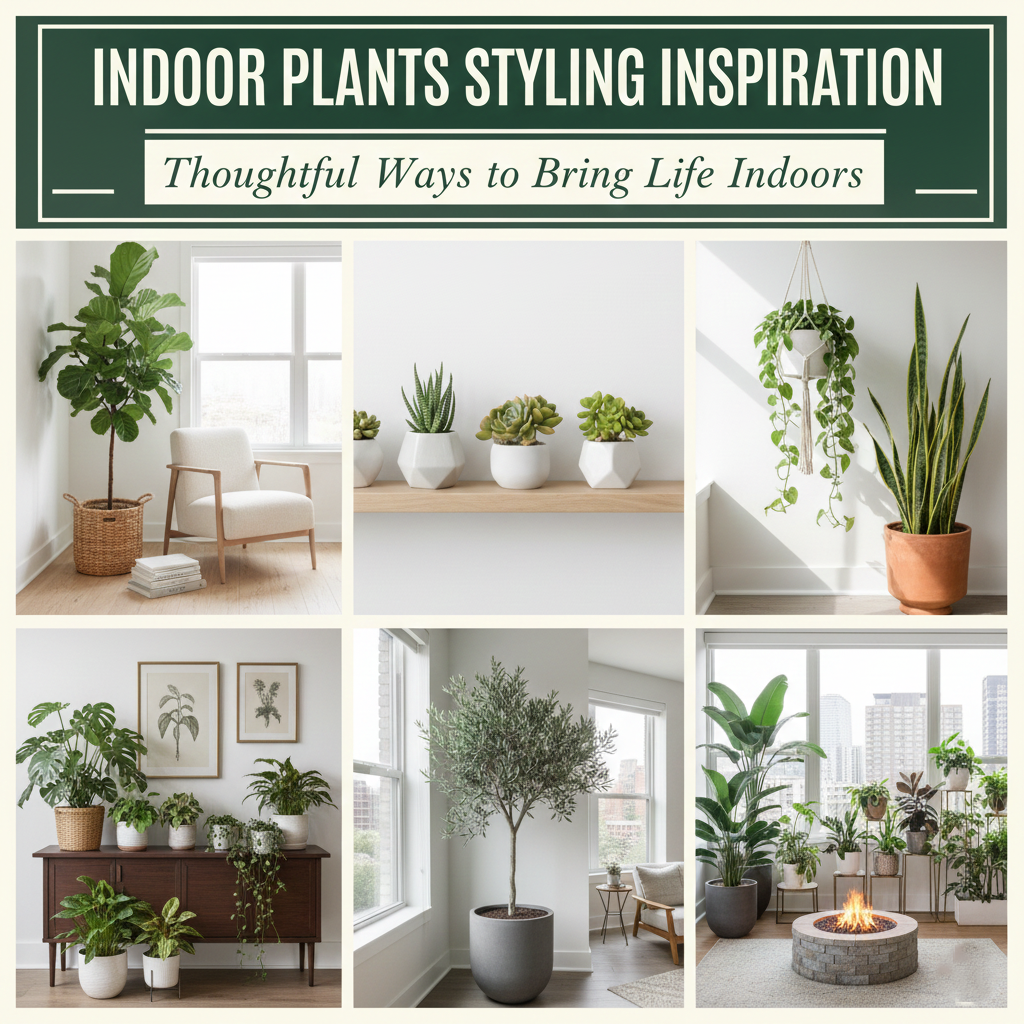
Indoor Plants Styling Inspiration: Thoughtful Ways to Bring Life Indoors

20

Thoughtful Ways to Bring Life Indoors

Indoor plants change how a space feels.
They soften hard lines and quiet busy rooms.

Styling plants is not about perfection.
It is about balance, light, and intention.

With the right placement, plants become part of the design.
They add warmth without clutter.

Styling Indoor Plants by Natural Light Zones

Light should guide every plant decision.
It determines success and longevity.

Matching plants to light makes styling effortless.
Healthy plants always look better.

Plant Styling by Light Level

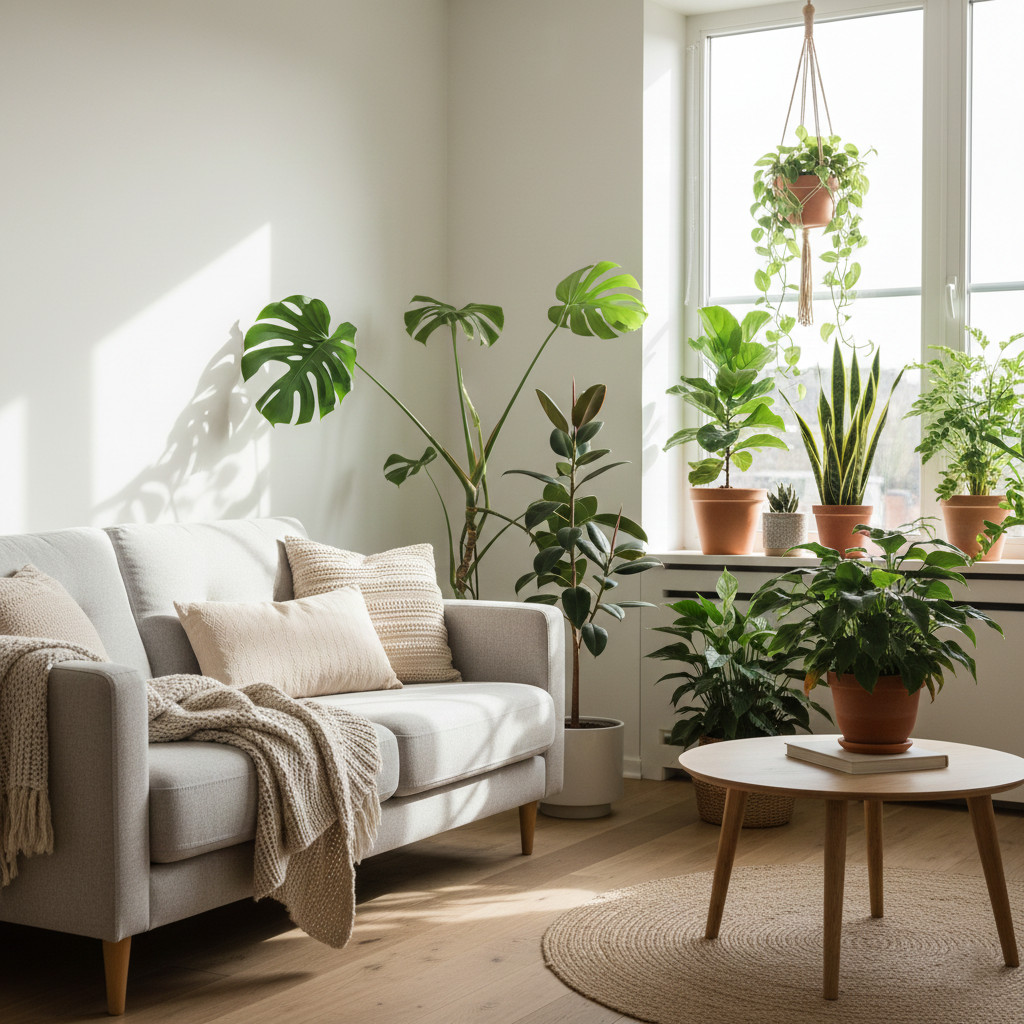
  • Bright light: fiddle leaf fig, monstera

  • Medium light: pothos, rubber plant

  • Low light: snake plant, ZZ plant

Place plants near windows, not pressed against glass.
Rotate them monthly for even growth.

Good light placement feels natural.
It keeps spaces calm and balanced.

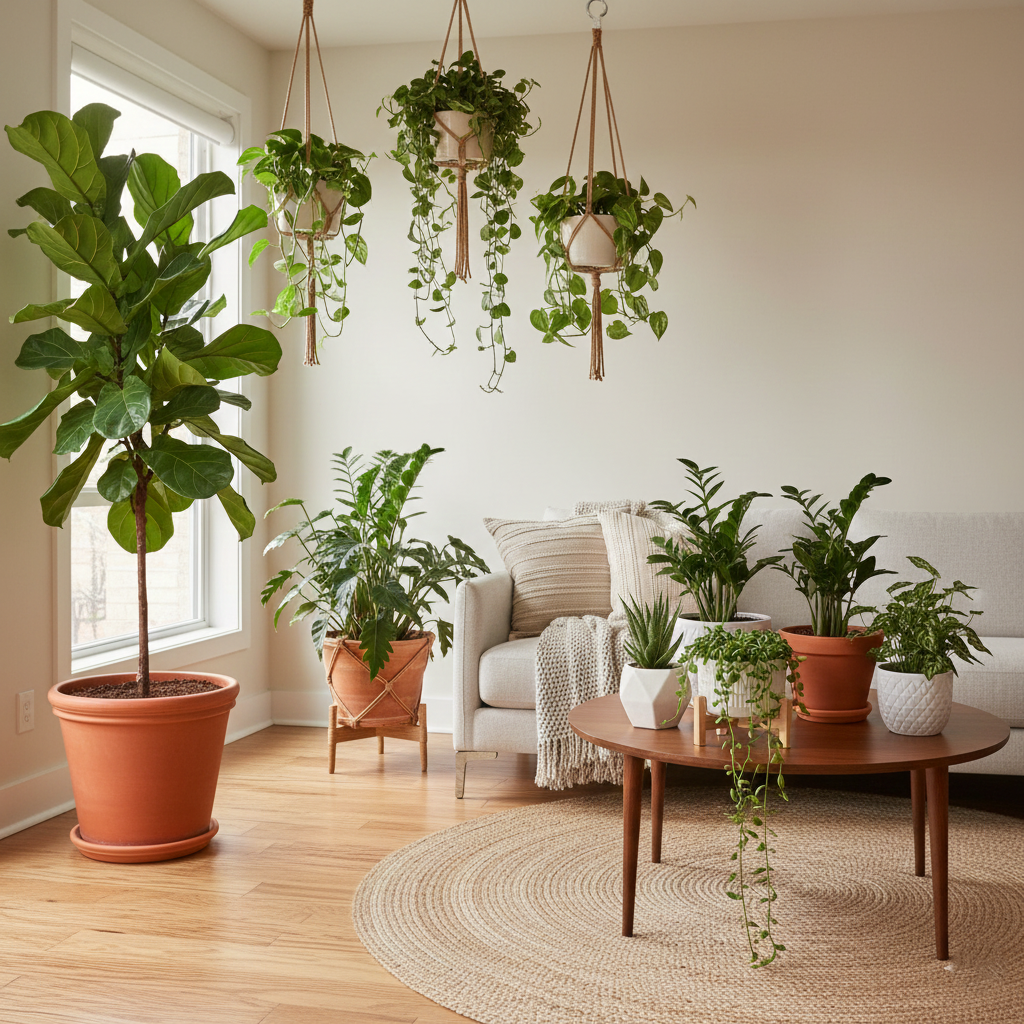
sofawithplants

Creating Visual Balance with Plant Height and Scale

Height creates movement.
It keeps plant styling from feeling flat.

Mixing tall, medium, and low plants feels intentional.
It mirrors how plants grow outdoors.

Easy Height Styling Ideas

  • Floor plants in corners

  • Tabletop plants on surfaces

  • Hanging plants near ceilings

  • Plant stands for variation

Avoid lining plants at the same height.
That feels stiff and unnatural.

Balanced height makes rooms feel alive.
It also improves flow.

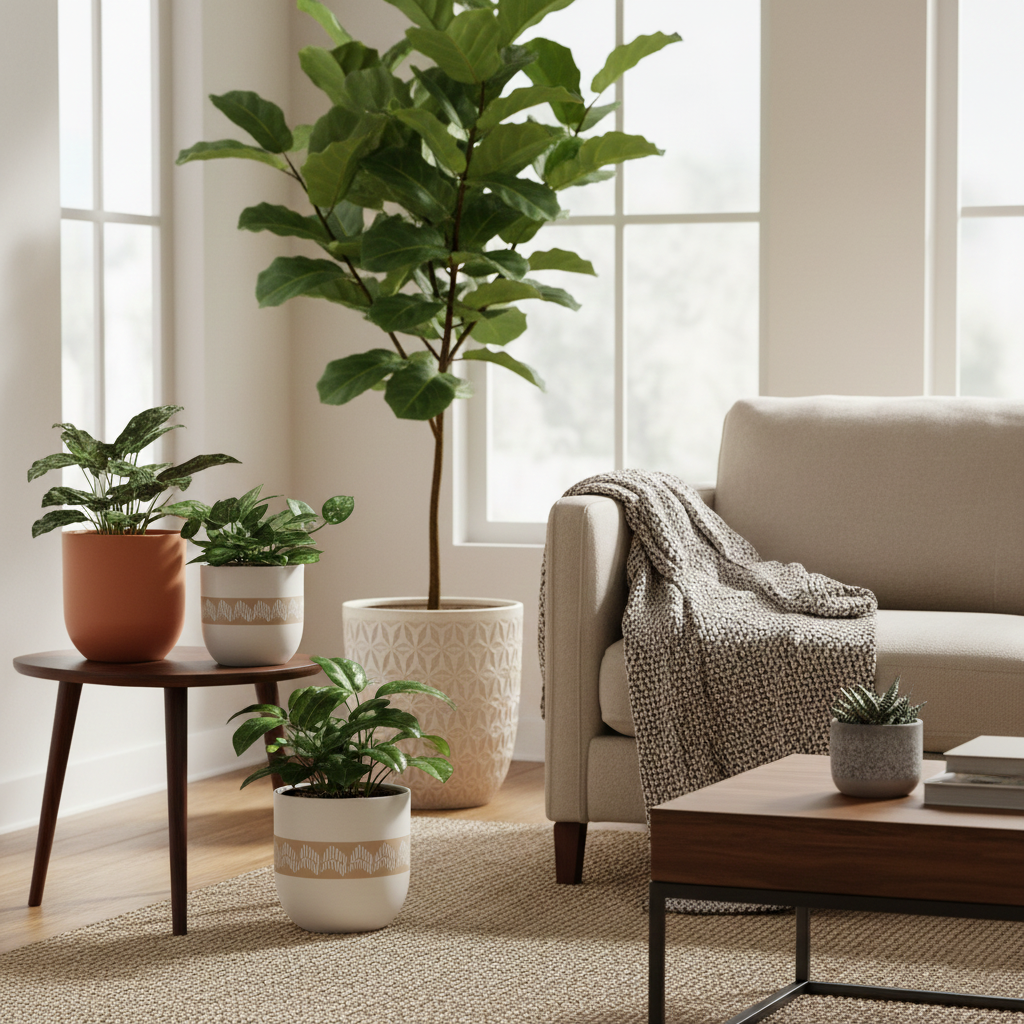
hangingplents

Choosing Pots That Complement Your Interior Style

Pots matter as much as plants.
They shape the overall look.

The right pot enhances both plant and room.
The wrong one distracts.

Pot Styling by Interior Style

  • Minimalist: matte ceramic, neutral tones

  • Bohemian: textured clay, woven baskets

  • Modern: concrete, stone, metal

  • Cottage: glazed ceramics, soft colors

Keep a consistent color palette.
This prevents visual clutter.

Let texture do the talking.
It adds depth without noise.

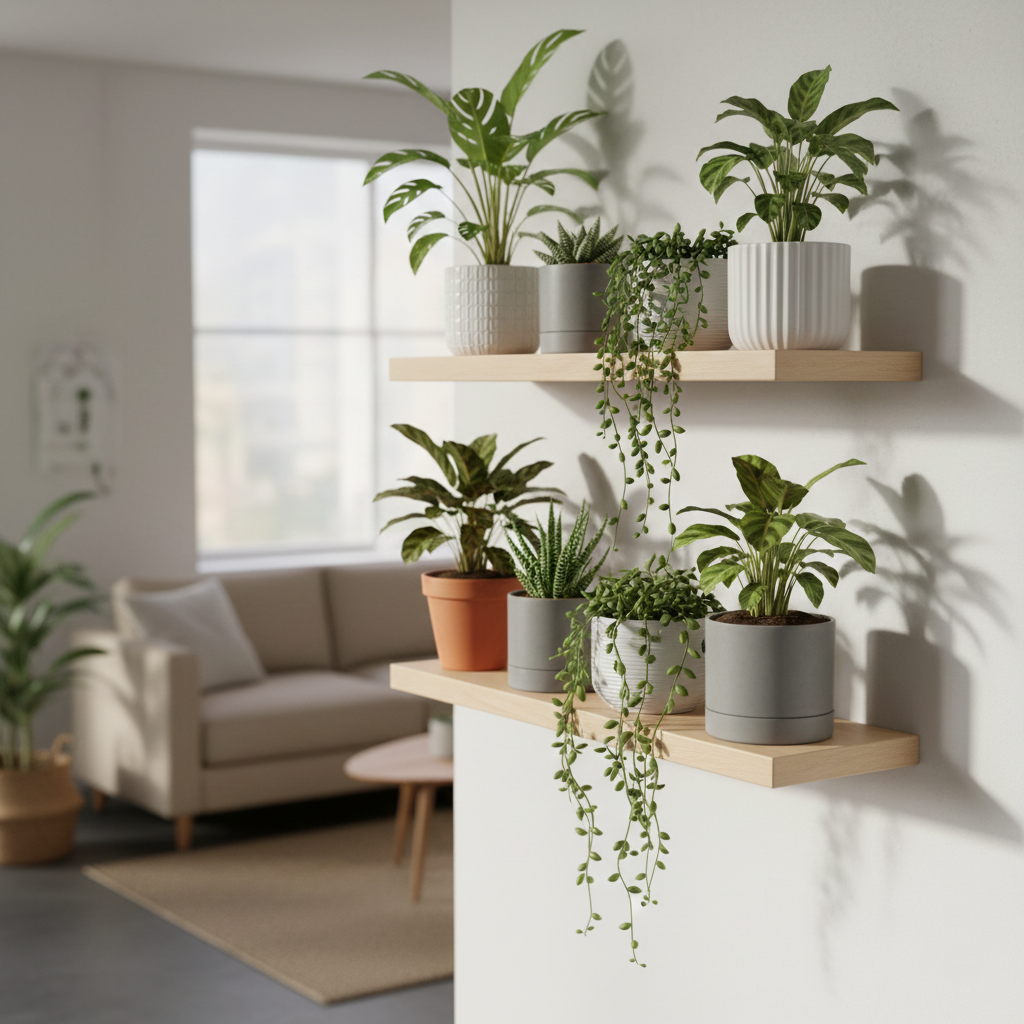
3rdpents

Styling Plants in Groups for a Curated Look

Grouping plants creates impact.
It feels thoughtful and styled.

Odd-number groupings look more natural.
They avoid symmetry.

How to Style Plant Groups

  • Mix leaf shapes

  • Vary pot sizes

  • Keep one color theme

  • Leave breathing space

Group plants on consoles, shelves, or windowsills.
Avoid crowding surfaces.

Grouped plants feel collected.
They add personality to a space.

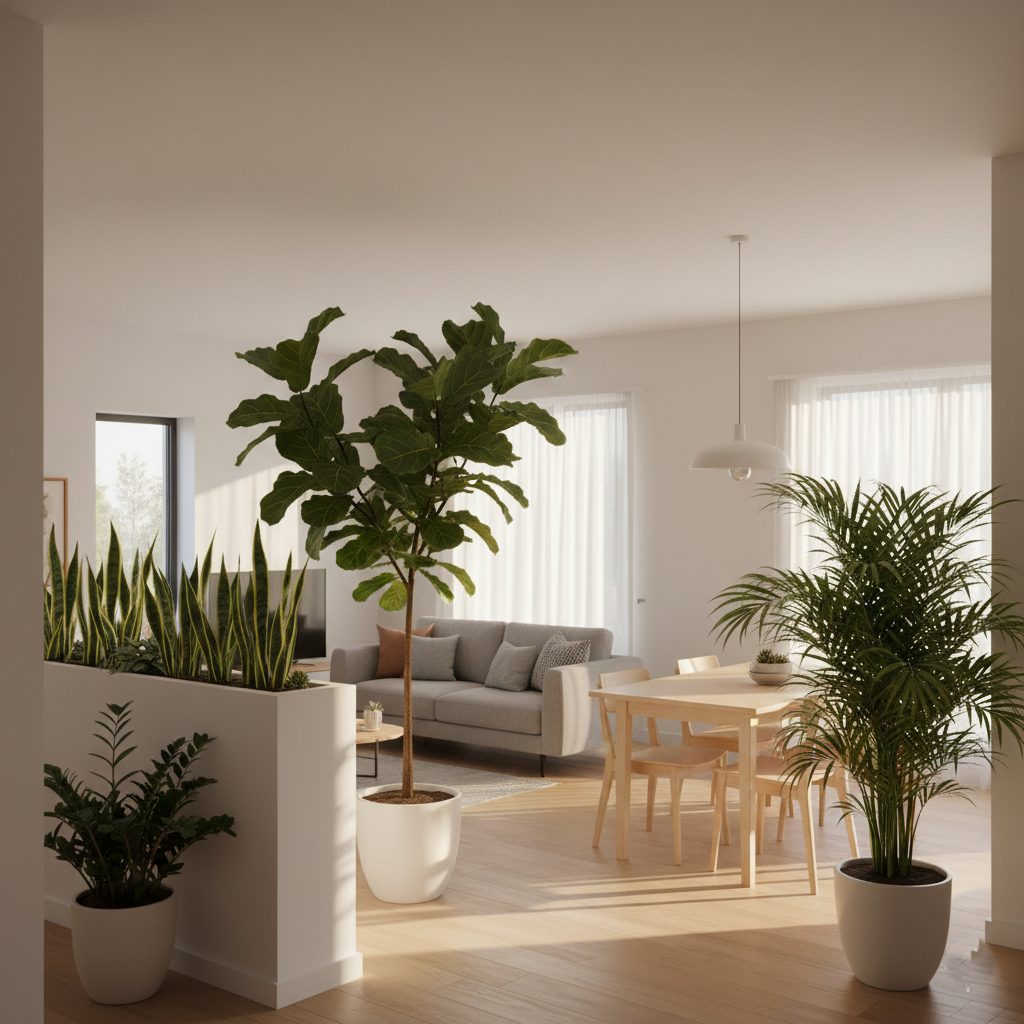
Sideplents

Using Plants to Define Spaces and Create Calm

Plants can guide movement.
They define areas without walls.

This works well in open layouts.
Plants soften transitions between zones.

Ways Plants Define Indoor Spaces

  • Large plant between living and dining areas

  • Plants framing reading corners

  • Greenery softening workspaces

  • Plants anchoring entryways

Plants create gentle boundaries.
They also reduce visual stress.

Styled well, they bring calm.
They help homes feel grounded.

roomplents

Final Thoughts: Why Indoor Plant Styling Inspiration Matters

Indoor plants are more than decoration.
They shape how a home feels.

Thoughtful styling brings harmony.
It connects rooms with nature.

You do not need many plants.
You need the right placement.

When plants feel intentional, spaces feel calm and alive.
That is the power of good plant styling.

19

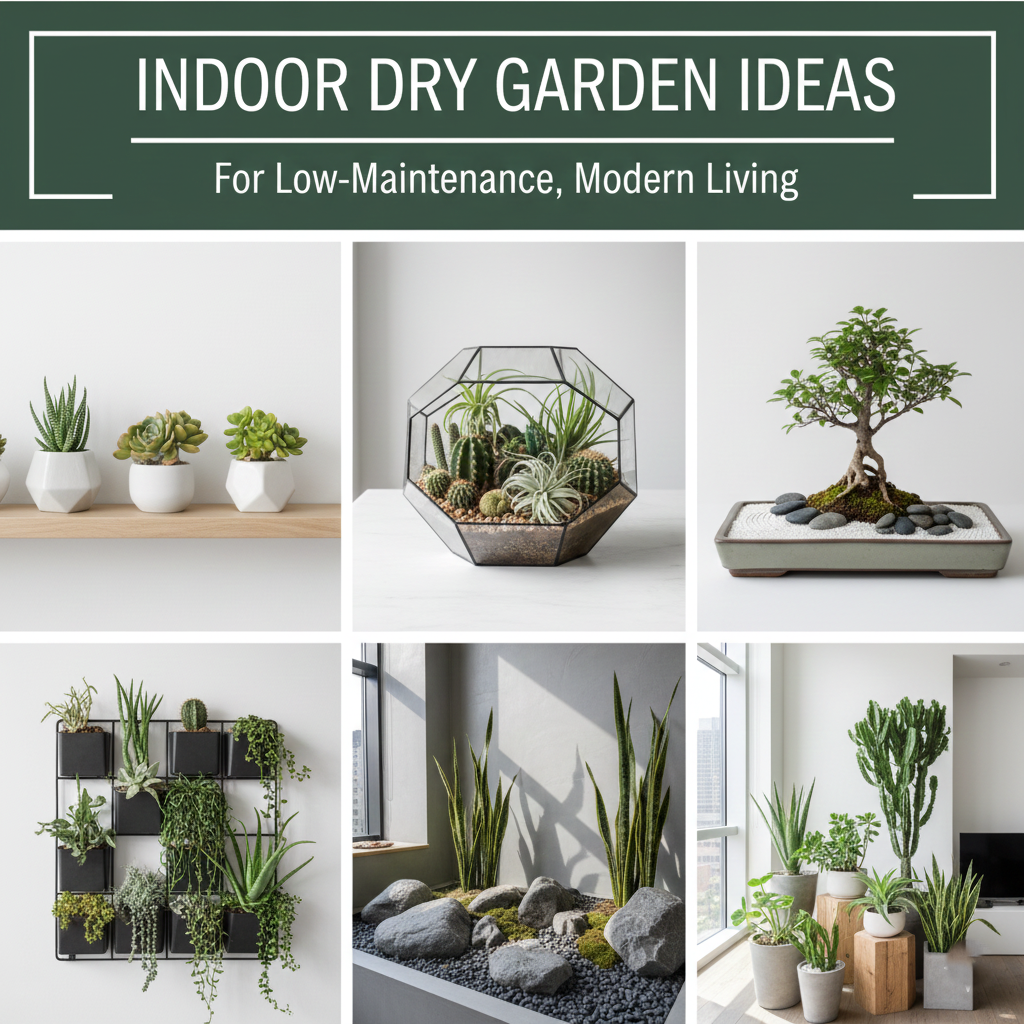
Indoor Dry Garden Ideas for Low-Maintenance, Modern Living

19

Indoor Dry Garden Ideas for Low-Maintenance, Modern Living

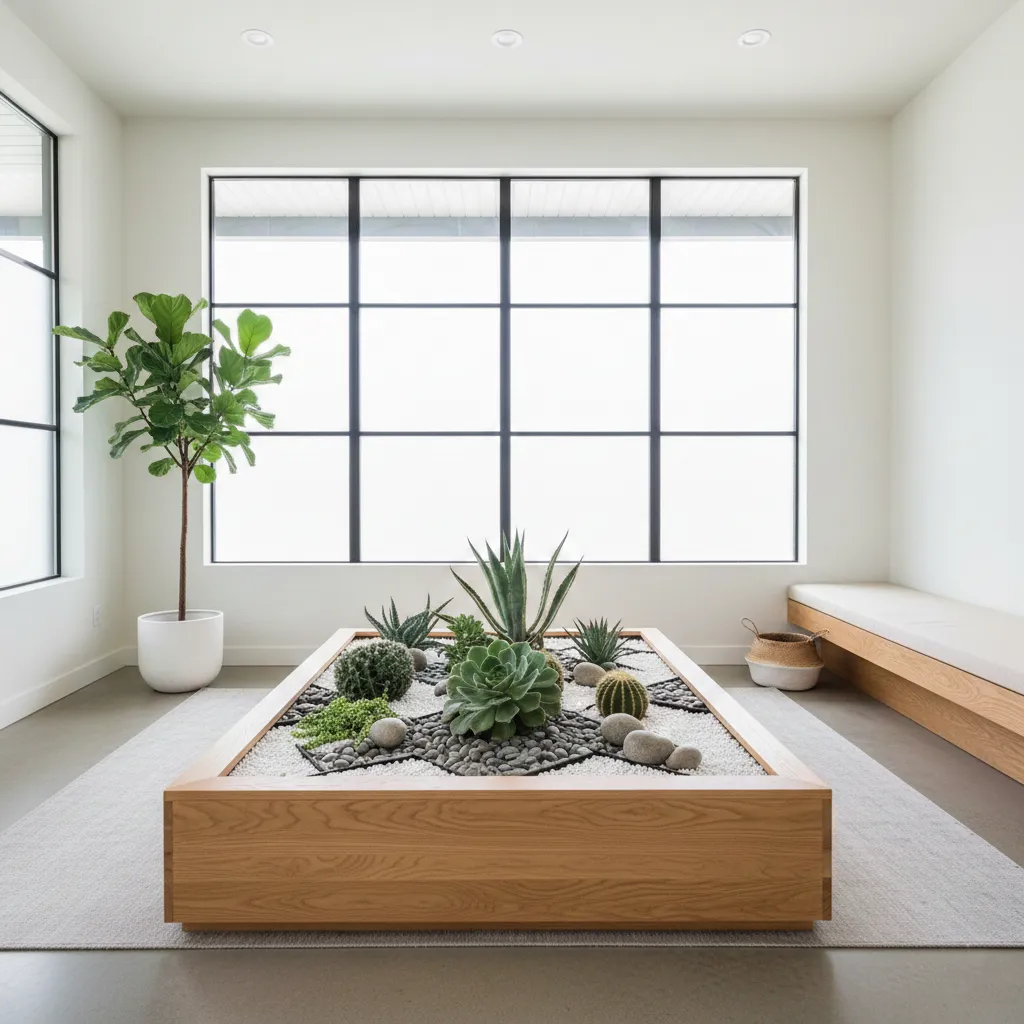
Indoor dry gardens are perfect for busy lives.
They bring nature indoors without daily care.

These gardens focus on drought-tolerant plants and natural textures.
They feel clean, modern, and calming.

Dry gardens work well in apartments, offices, and low-light homes.
They also support sustainable living.

What Is an Indoor Dry Garden and Why It Works

An indoor dry garden uses plants that need little water.
It avoids heavy soil and constant maintenance.

This style suits modern interiors.
It also fits minimalist and Scandinavian homes.

Benefits of Indoor Dry Gardens

  • Very low watering needs

  • Clean and clutter-free look

  • Ideal for warm indoor environments

  • Long-lasting plant health

Dry gardens reduce stress.
They remove the fear of plant failure.

They are practical and beautiful.
A rare combination.

1st

Best Plants for Indoor Dry Garden Styling

Hardscape replaces heavy soil.
It creates structure and calm.

Sand and gravel improve drainage.
They also add texture.

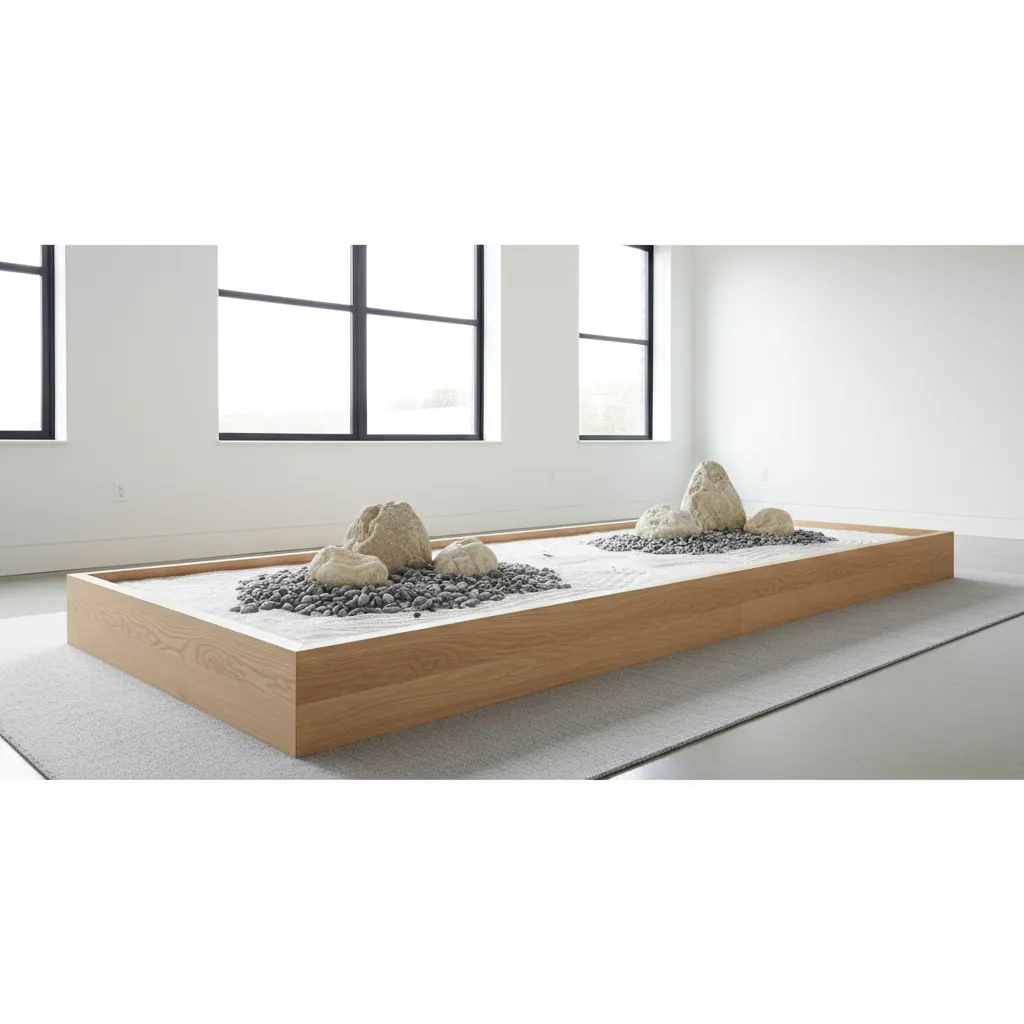
Dry Garden Base Ideas

  • White or beige sand for brightness

  • Fine gravel for clean lines

  • Natural stones for grounding

  • Pebble layers in glass containers

Keep colors neutral.
This enhances the serene look.

Hardscape makes the garden feel intentional.
Not improvised.

2nd image

Using Sand, Gravel, and Stone for Dry Garden Design

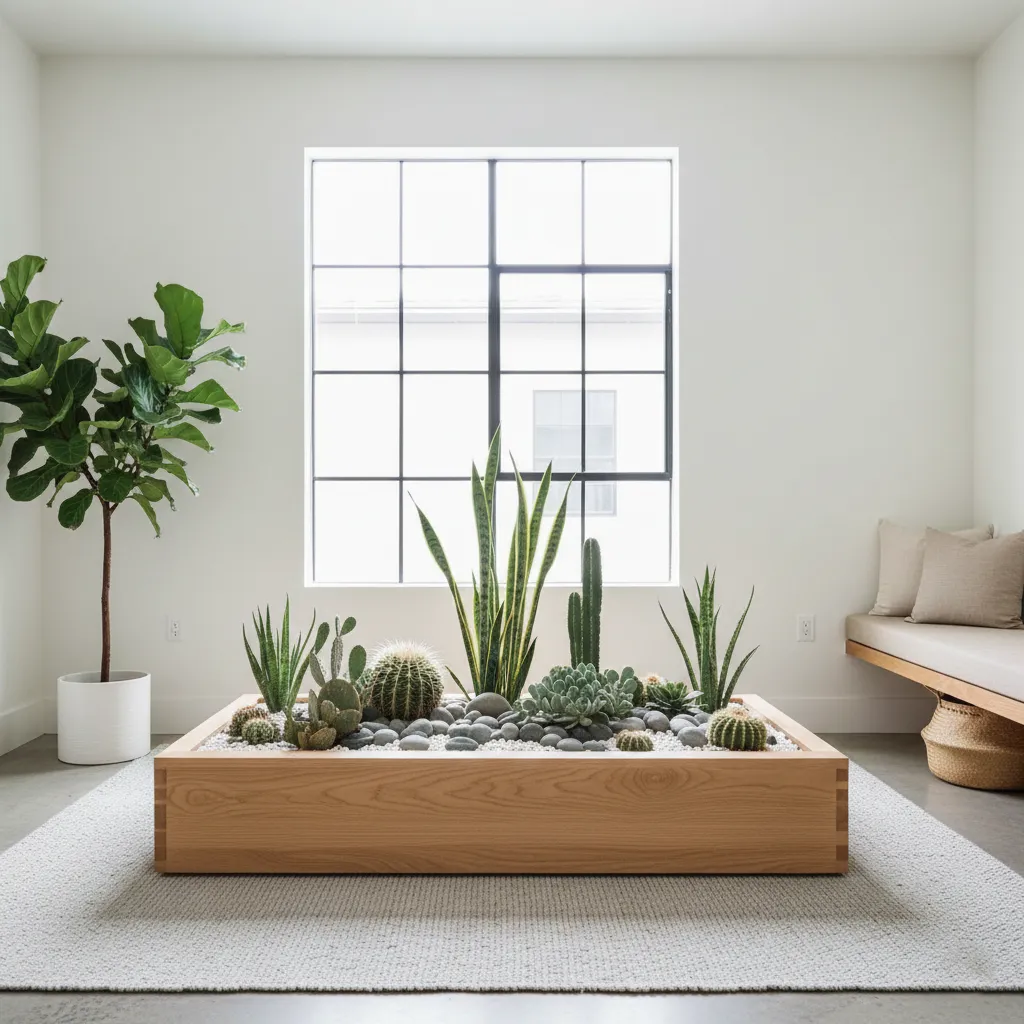
Plant choice defines success.
Dry gardens rely on hardy species.

These plants store water naturally.
They thrive with little attention.

Top Plants for Indoor Dry Gardens

  • Succulents like echeveria and haworthia

  • Cactus varieties

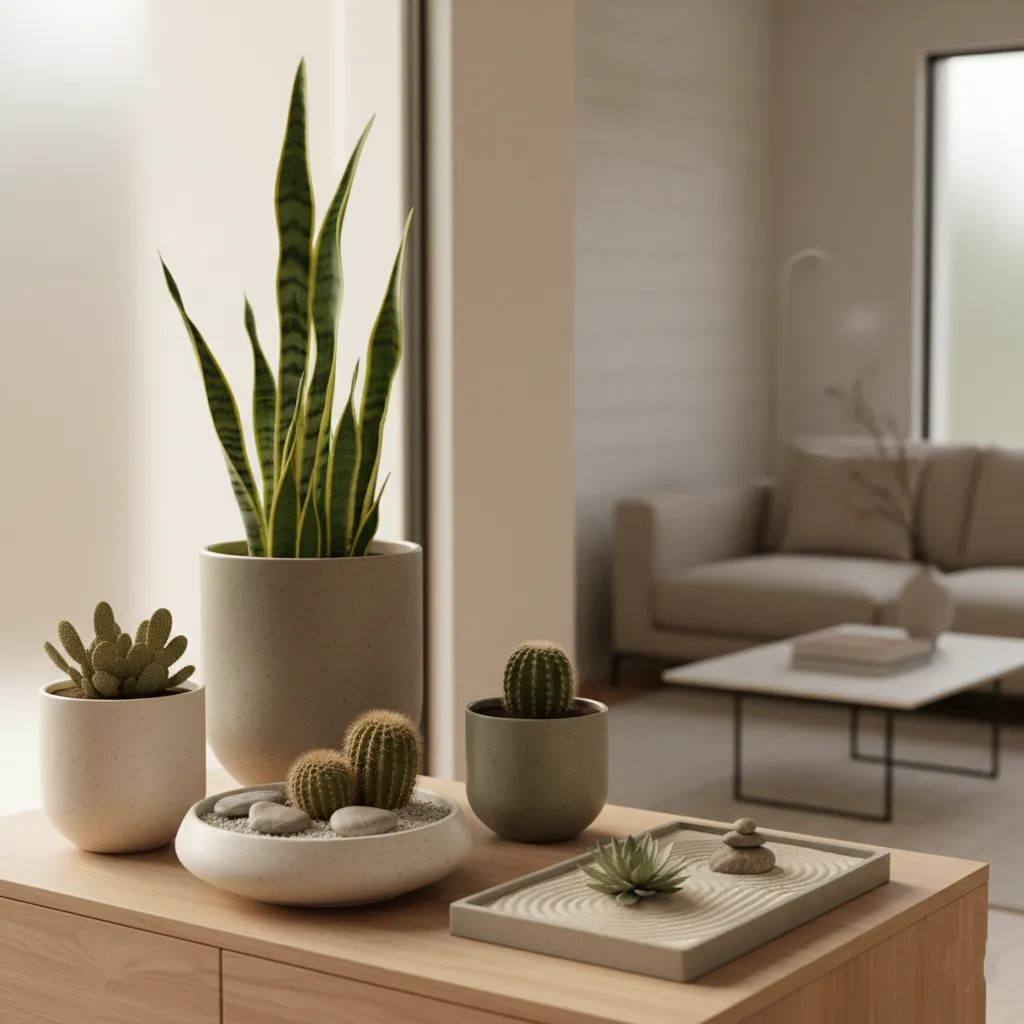
  • Snake plant

  • Aloe vera

  • ZZ plant

Choose plants with similar needs.
This keeps care simple.

Healthy plants always look styled.
Maintenance becomes effortless.

3rd image

Indoor Dry Garden Layout Ideas for Small Spaces

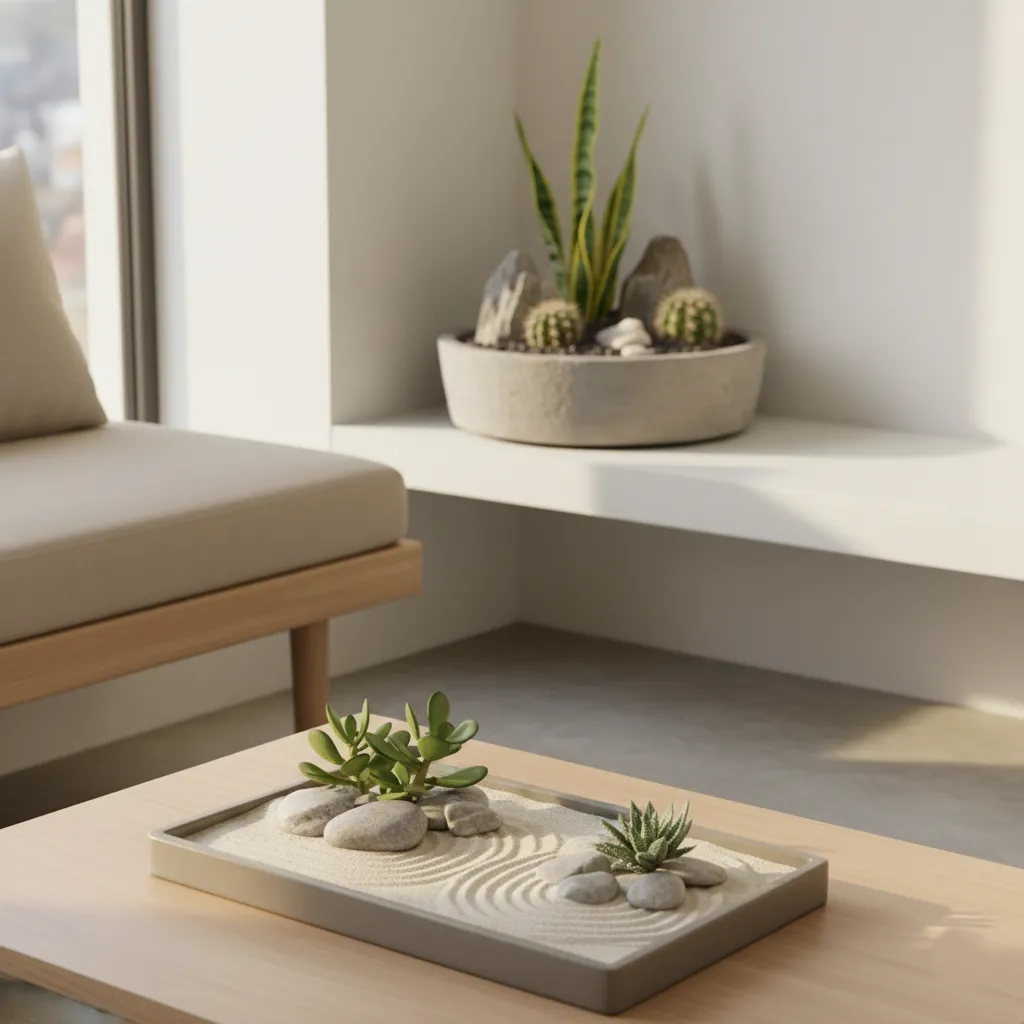
Dry gardens are ideal for small homes.
They take little room.

Vertical and contained layouts work best.
They stay tidy and controlled.

Small-Space Dry Garden Ideas

  • Tabletop tray gardens

  • Corner floor arrangements

  • Window sill cactus displays

  • Glass bowl dry gardens

  • Wall-mounted planters

Avoid overcrowding.
Space creates calm.

Even one dry garden feature makes impact.
Small does not mean boring.

4th

Styling and Lighting Tips for Indoor Dry Gardens

Styling completes the experience.
Lighting brings life.

Dry gardens prefer bright, indirect light.
Direct sun can stress some plants.

Styling Tips That Work

  • Use ceramic or concrete planters

  • Stick to one color palette

  • Add subtle accent stones

  • Place near natural light

Avoid decorative clutter.
Let the plants breathe.

Soft lighting enhances textures.
The garden feels peaceful.

5th

Final Thoughts: Why Indoor Dry Gardens Are Worth Creating

Indoor dry gardens combine beauty and ease.
They fit modern lifestyles perfectly.

They reduce maintenance stress.
They still offer a strong connection to nature.

With the right plants and materials, a dry garden becomes a quiet focal point.
Simple, sustainable, and deeply calming.

10

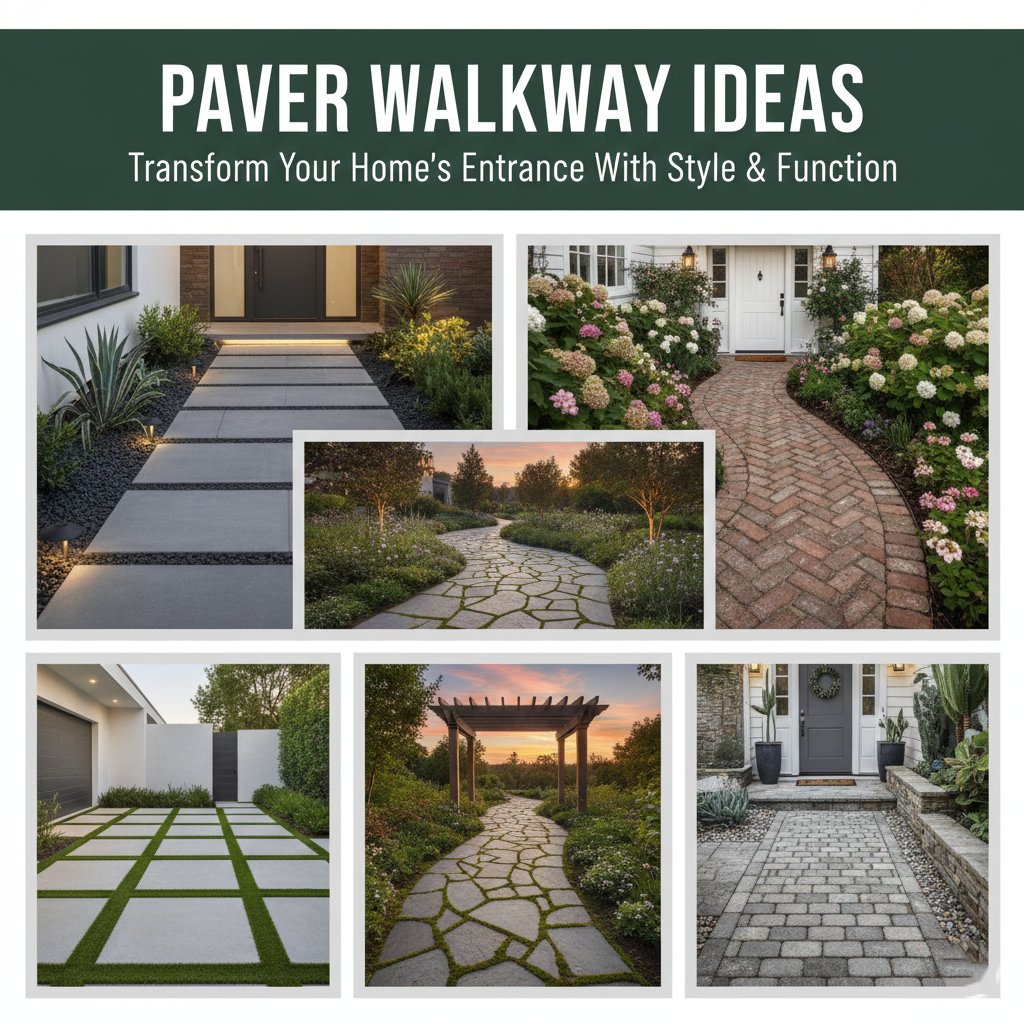
Paver Walkway Ideas: Transform Your Home’s Entrance With Style & Function

10

Paver Walkway Ideas: Transform Your Home's Entrance With Style & Function

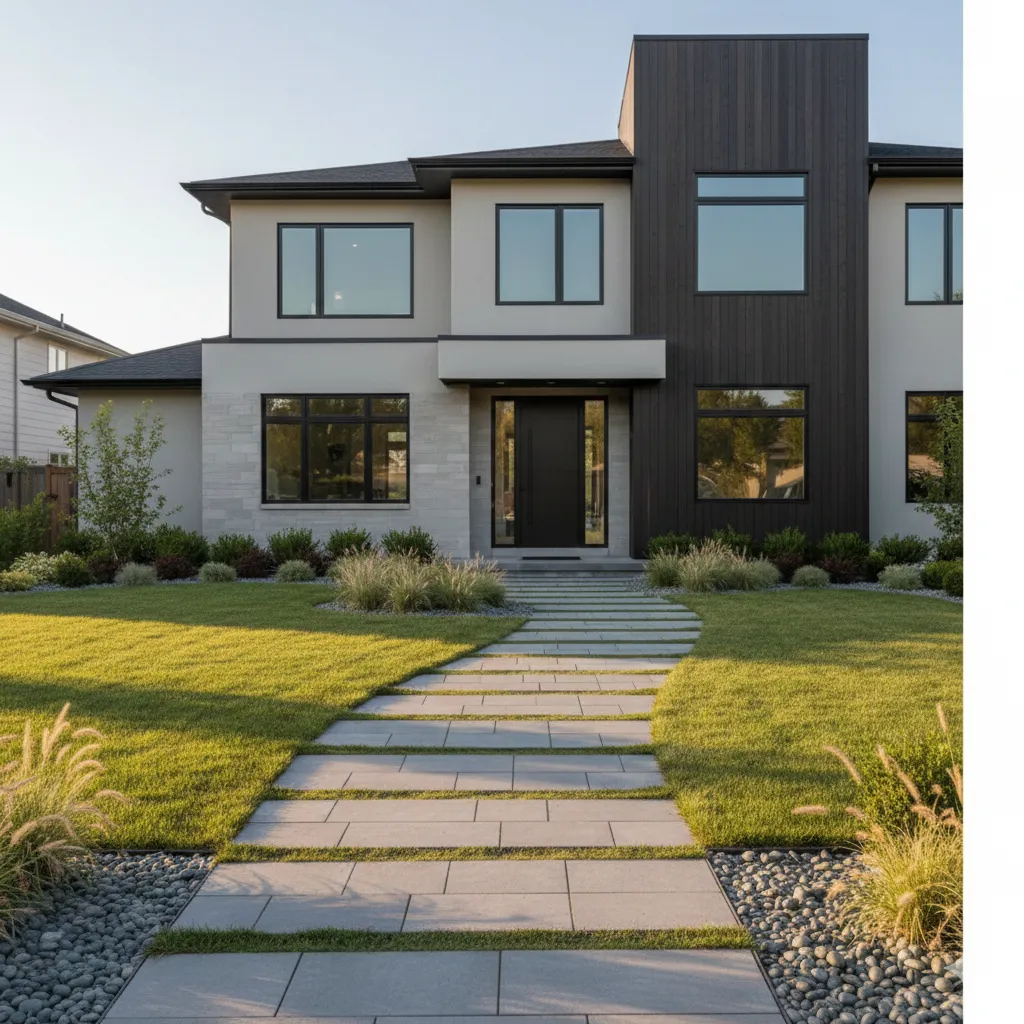
Your walkway is the first impression guests have of your home. It sets the tone before they even reach your door. A well-designed paver walkway does more than look beautiful—it adds curb appeal, increases property value, and creates a welcoming pathway.

Whether you want a classic entrance or a modern aesthetic, the right paver design can completely transform your outdoor space. Let's explore what makes walkways stand out and how to choose the perfect design for your home.

paver walkway ideas

Why Paver Walkways Matter More Than You Think

Your walkway is the first impression guests have. Here's the thing about walkways: people notice them. A thoughtfully designed path draws visitors in and guides them naturally to your entrance. It's not just about aesthetics, though that matters. Paver walkways are durable, low-maintenance, and can last 25 years or more with proper installation.

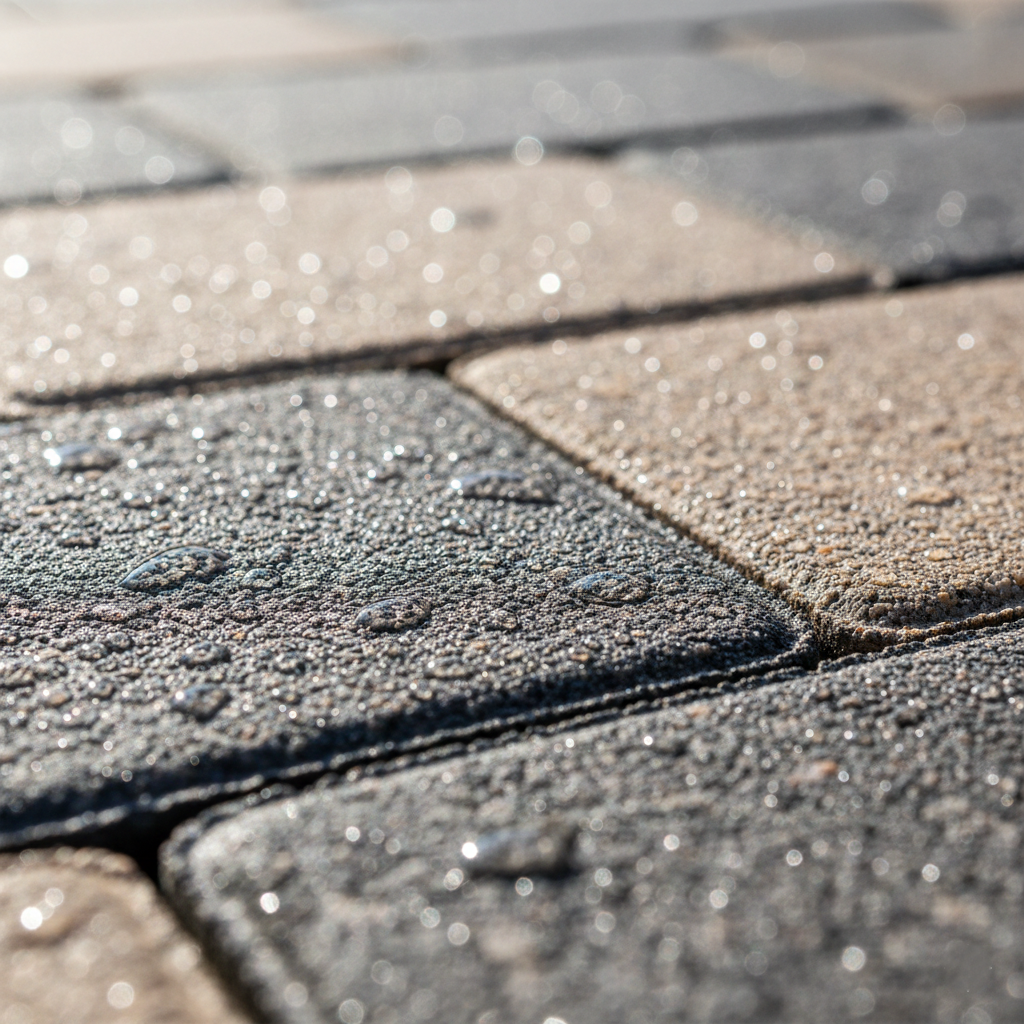
Unlike concrete slabs that crack and age poorly, pavers remain visually stunning while handling daily foot traffic without complaint. They also allow water to drain properly, preventing puddles and ice buildup during winter.

why

Popular Paver Walkway Materials: Finding Your Perfect Match

The material you choose sets the foundation for your entire design. Each option brings distinct character and benefits.

Concrete Pavers

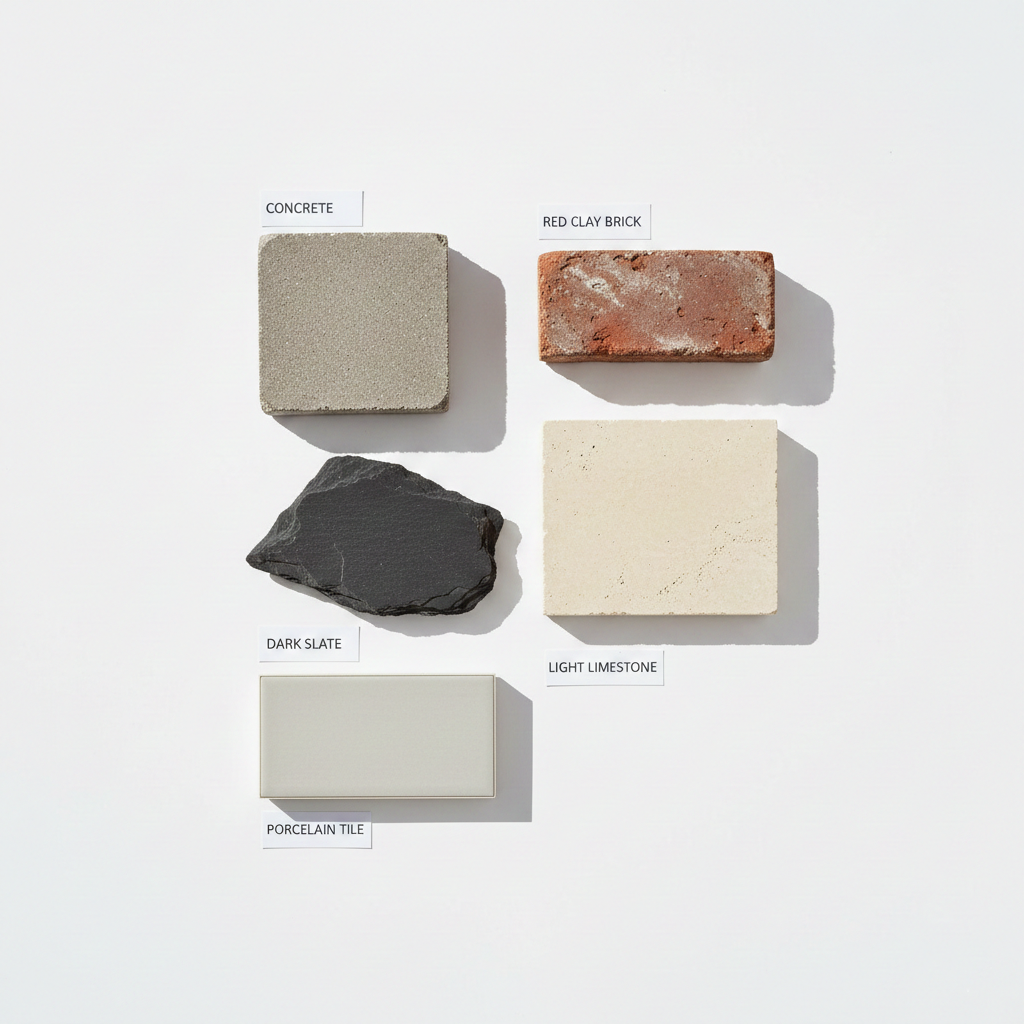
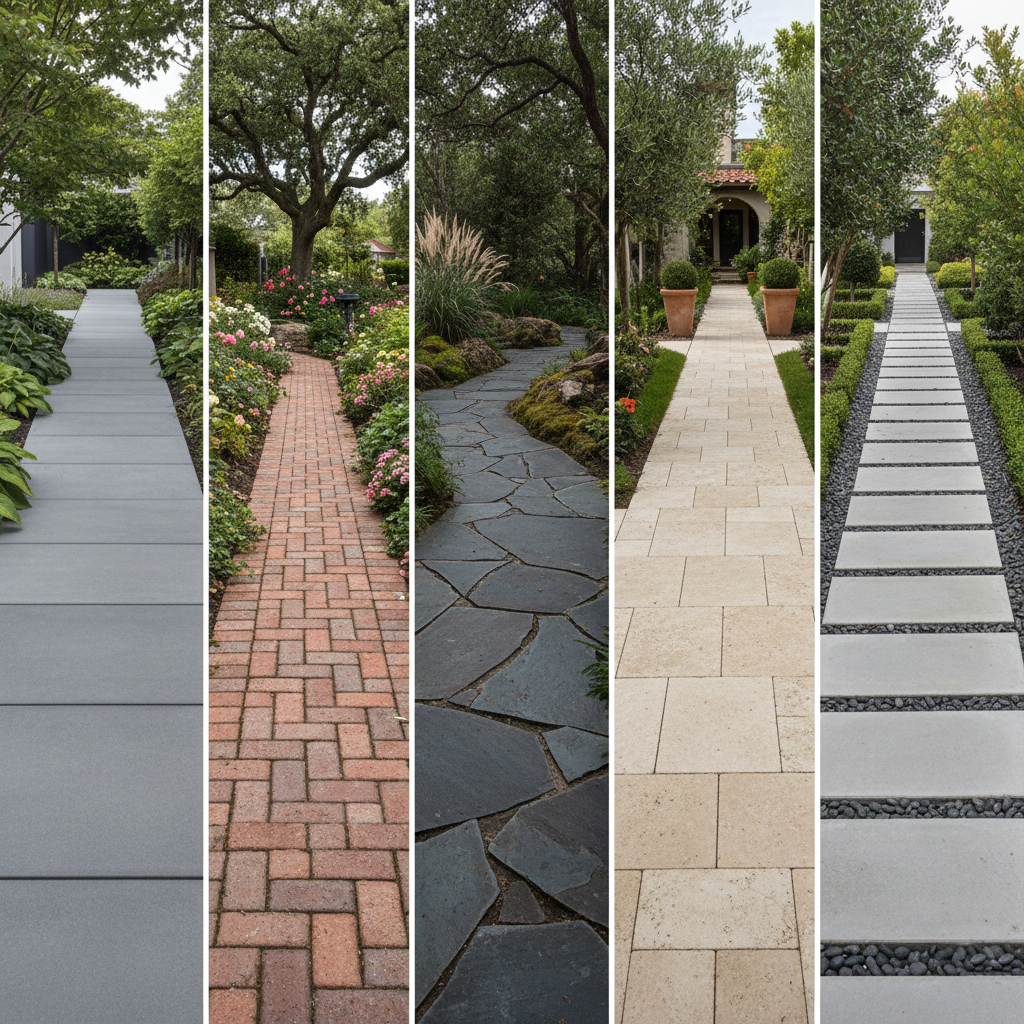
Concrete is the most affordable and versatile option. These pavers come in countless colors, sizes, and finishes. You can find textured options for extra grip, smooth finishes for a polished look, or even decorative patterns. Many homeowners love concrete because you get professional-looking results without breaking the bank.

Brick Pavers

Brick brings timeless elegance and warmth. If you want that classic, traditional feel, brick is your go-to choice. Each brick has natural color variations that create visual depth, and the rustic appeal never goes out of style. The downside? Brick can be pricier and requires slightly more maintenance than concrete.

Natural Stone Options

Flagstone, slate, bluestone, and limestone offer premium aesthetics. Each type has unique characteristics—slate is dark and sophisticated, bluestone is cool and contemporary, while limestone feels warm and inviting. Natural stone walkways are show-stoppers but come with higher costs and professional installation requirements.

Porcelain Pavers

This newer option is gaining traction for good reason. Porcelain pavers are incredibly durable, fade-resistant, and stain-proof. They mimic natural stone beautifully but require less maintenance. They're ideal if you want luxury without the upkeep headaches.

Cobblestone & Mixed Materials

For that European charm, cobblestone delivers unmistakable character. You can also blend materials—combining polished concrete with natural stone inlays or mixing brick with granite borders. These layered approaches create visual interest and sophistication.
why
Rock
Rockffer

Budget-Friendly Walkway Ideas

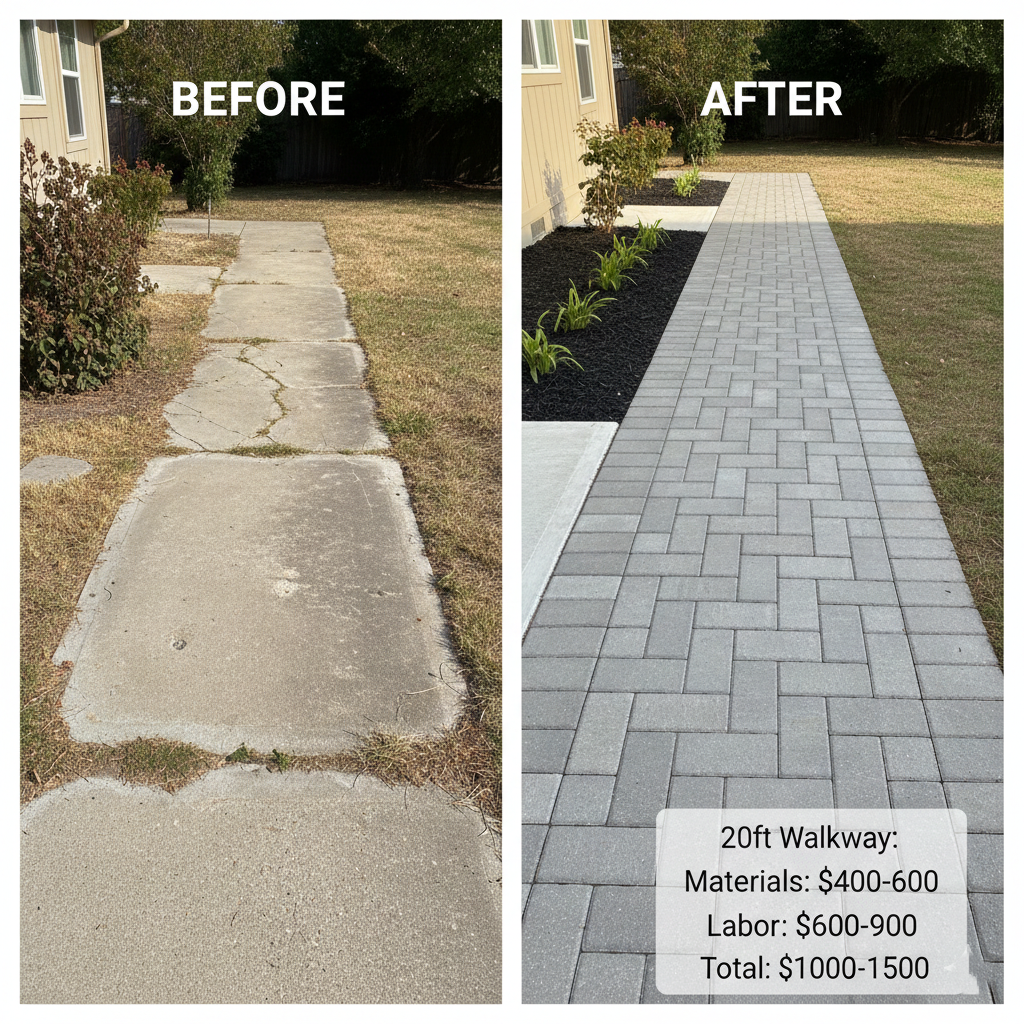
Cost-conscious? Start with concrete pavers in neutral colors. Simple patterns like running bond or stack bond reduce labor. Keep the walkway narrower (3 feet) to reduce material needs. Skip complicated borders and inlays initially—you can upgrade later.

Crushed granite and stepping stones offer budget alternatives, though they require more maintenance and don't last as long as pavers.

frendly