27

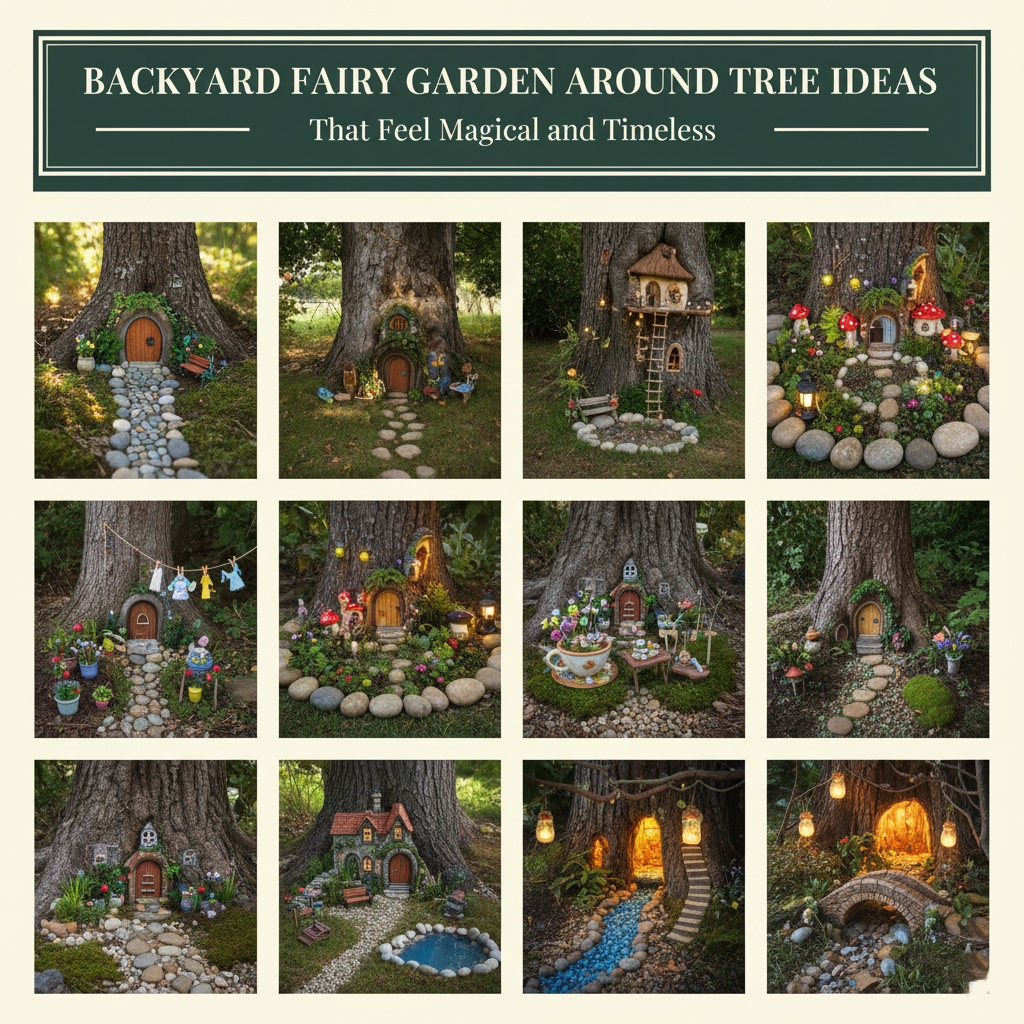
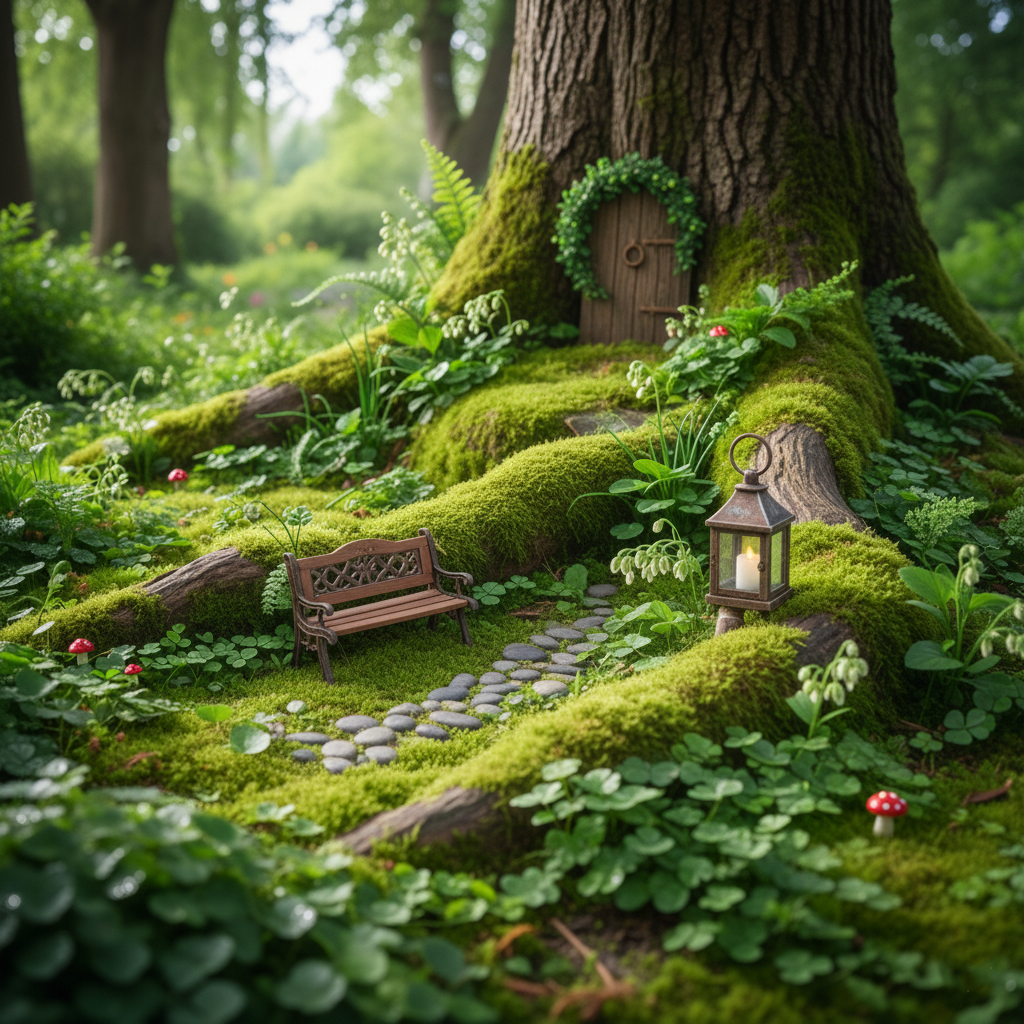
Backyard Fairy Garden Around Tree Ideas That Feel Magical and Timeless

27

Backyard Fairy Garden Around Tree Ideas That Feel Magical and Timeless

A tree already holds quiet magic.
A fairy garden simply brings that magic to life.

Creating a fairy garden around a tree feels personal.
It invites wonder, creativity, and calm.

This style works for all yard sizes.
It turns an overlooked space into a story.

Choosing the Perfect Tree Base for a Fairy Garden

Not every tree needs heavy decoration.
The best fairy gardens feel gentle and natural.

Mature trees work especially well.
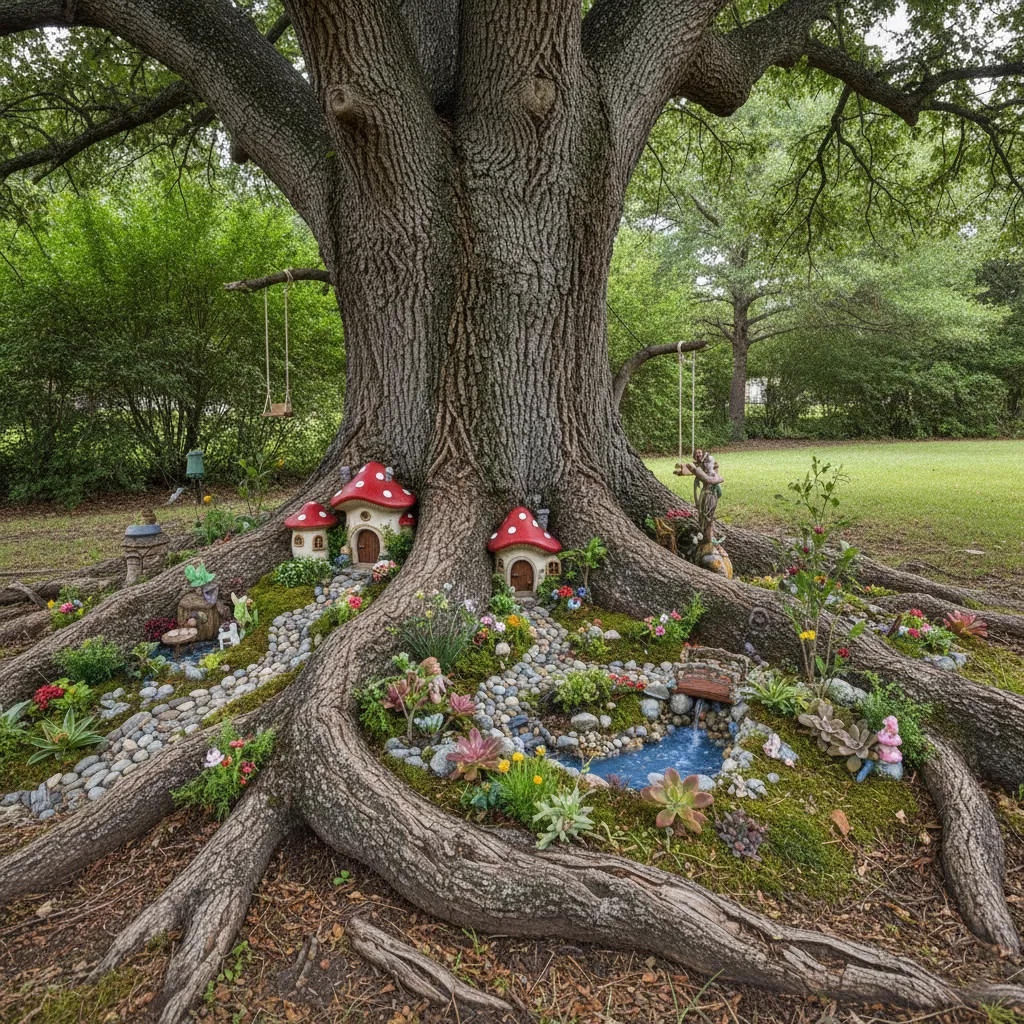
Their roots create natural shapes and hiding spots.

What to Look for in a Tree Base

  • Visible roots for pathways

  • Partial shade for plants

  • Enough space to move around

  • Stable soil that drains well

Avoid damaging the tree.
Keep decorations lightweight and removable.

A fairy garden should respect nature.
That keeps the space peaceful.

smallhouse

Creating Mini Pathways and Fairy Doors Around the Tree

Pathways guide the story.
They make the garden feel alive.

Small details spark imagination.
They invite curiosity and joy.

Enchanting Pathway Ideas

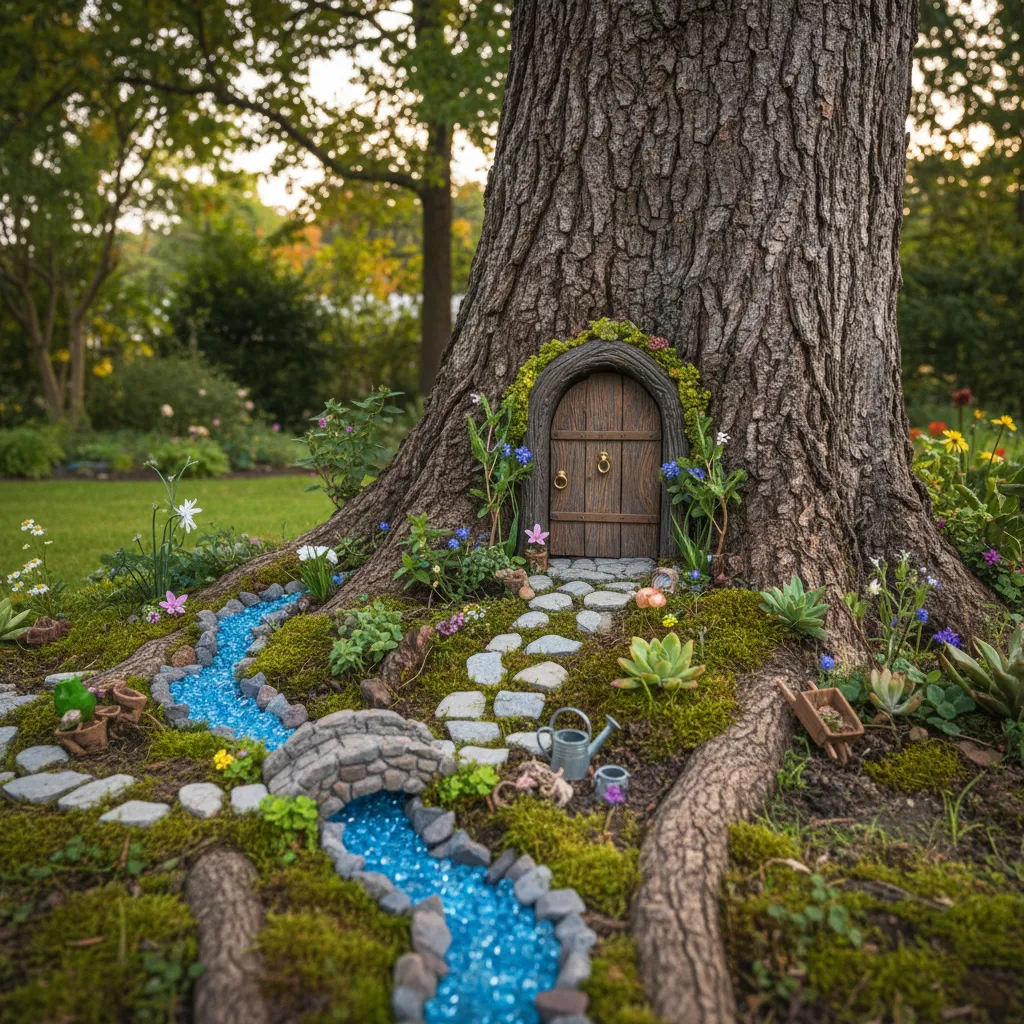
  • Pebble or stone fairy paths

  • Bark-chip walkways

  • Curved paths around roots

  • Tiny steps carved into soil

Add a fairy door to the tree trunk.
Keep it small and subtle.

Less is more here.
Whispers of magic feel stronger than clutter.

singlehome

Plants That Enhance the Fairy Garden Look

Plants bring the fairy world to life.
Choose soft, delicate varieties.

Small leaves and gentle colors work best.
They keep the scale believable.

Fairy Garden Plant Ideas

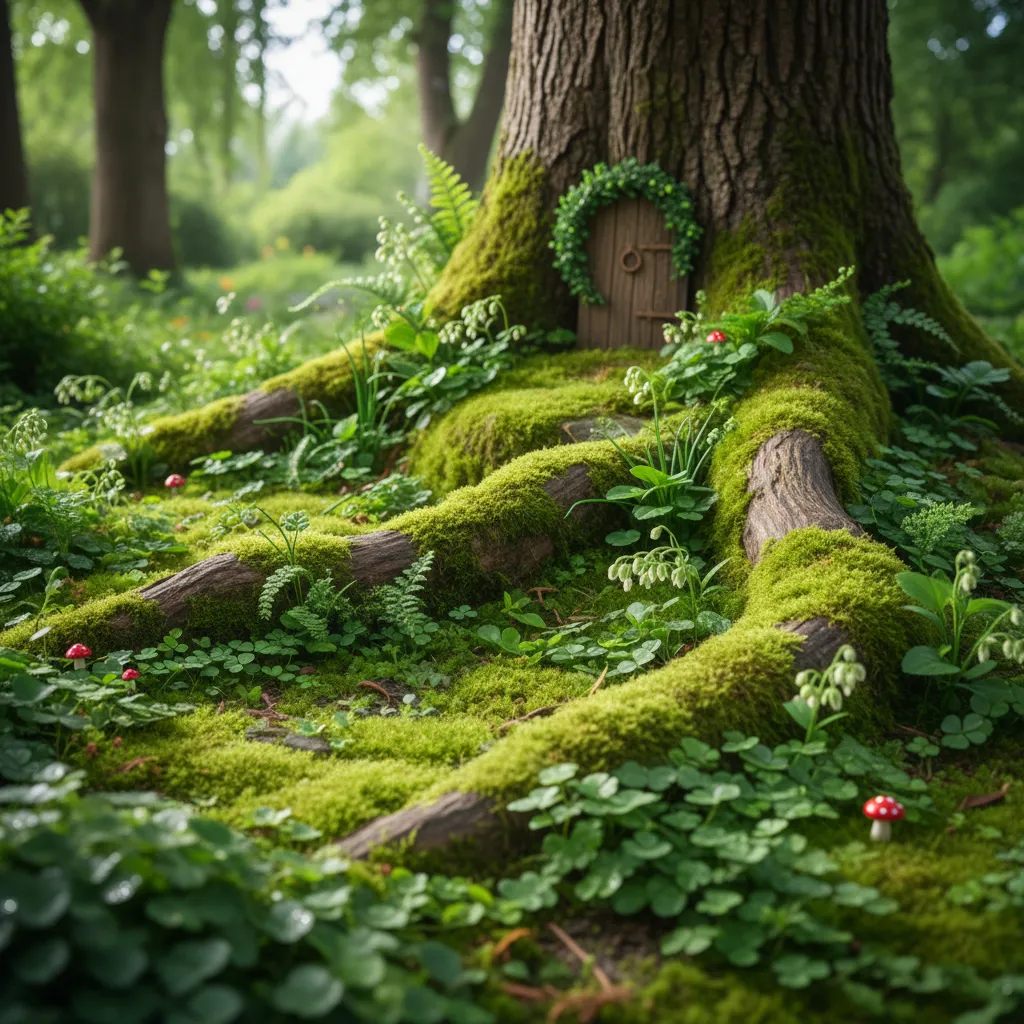
  • Moss around roots

  • Ferns for shade

  • Baby’s tears

  • Creeping thyme

  • Mini hostas

Let plants grow naturally.
Avoid trimming too much.

A slightly wild look feels authentic.
It mirrors nature’s rhythm.

Simplehouse

Adding Fairy Accessories Without Overcrowding

Accessories tell the story.
But restraint keeps it magical.

Too many decorations break the illusion.
Choose a few meaningful pieces.

Thoughtful Fairy Garden Accessories

  • Mini benches or stools

  • Tiny lanterns

  • Small birdbaths

  • Natural wood houses

Use natural materials when possible.
They blend better with the tree.

Place accessories where they feel discovered.
Not displayed.

chairhouse

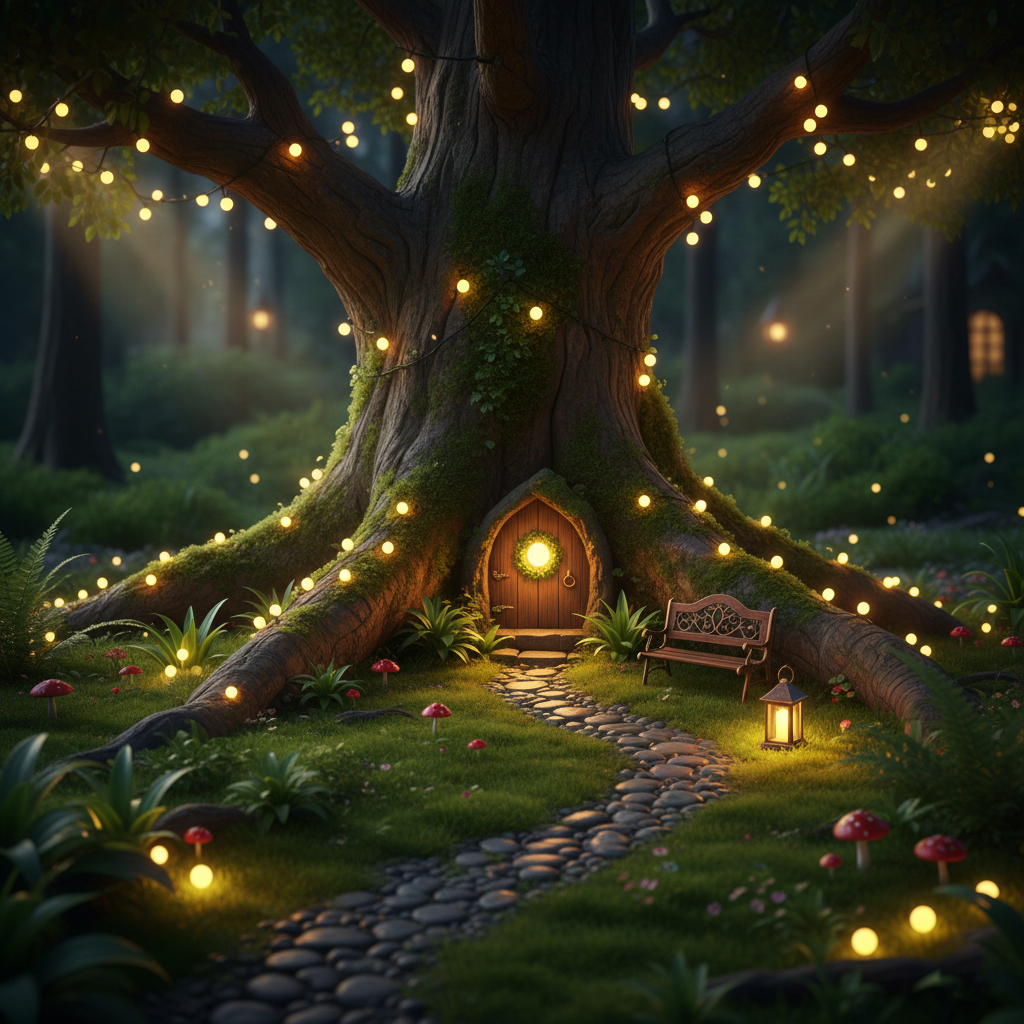
Lighting Ideas for a Soft Evening Glow

Light adds enchantment after sunset.
It should feel gentle, not bright.

Soft lighting creates mystery.
It invites quiet moments.

Fairy Garden Lighting Options

  • Solar fairy lights wrapped loosely

  • Mini lantern lights

  • Ground-level glow lights

  • Hidden warm LEDs

Avoid wrapping lights tightly around the trunk.
Always protect the tree.

At night, the garden feels alive.
Like a secret world waking up.

lighthouse

Final Thoughts: Why a Fairy Garden Around a Tree Feels Special

A fairy garden is more than decor.
It is a feeling.

It brings imagination into everyday life.
It creates joy for both children and adults.

When built with care, it respects nature.
It grows alongside the tree.

A fairy garden around a tree becomes a quiet escape.
A place where magic feels possible again.

26

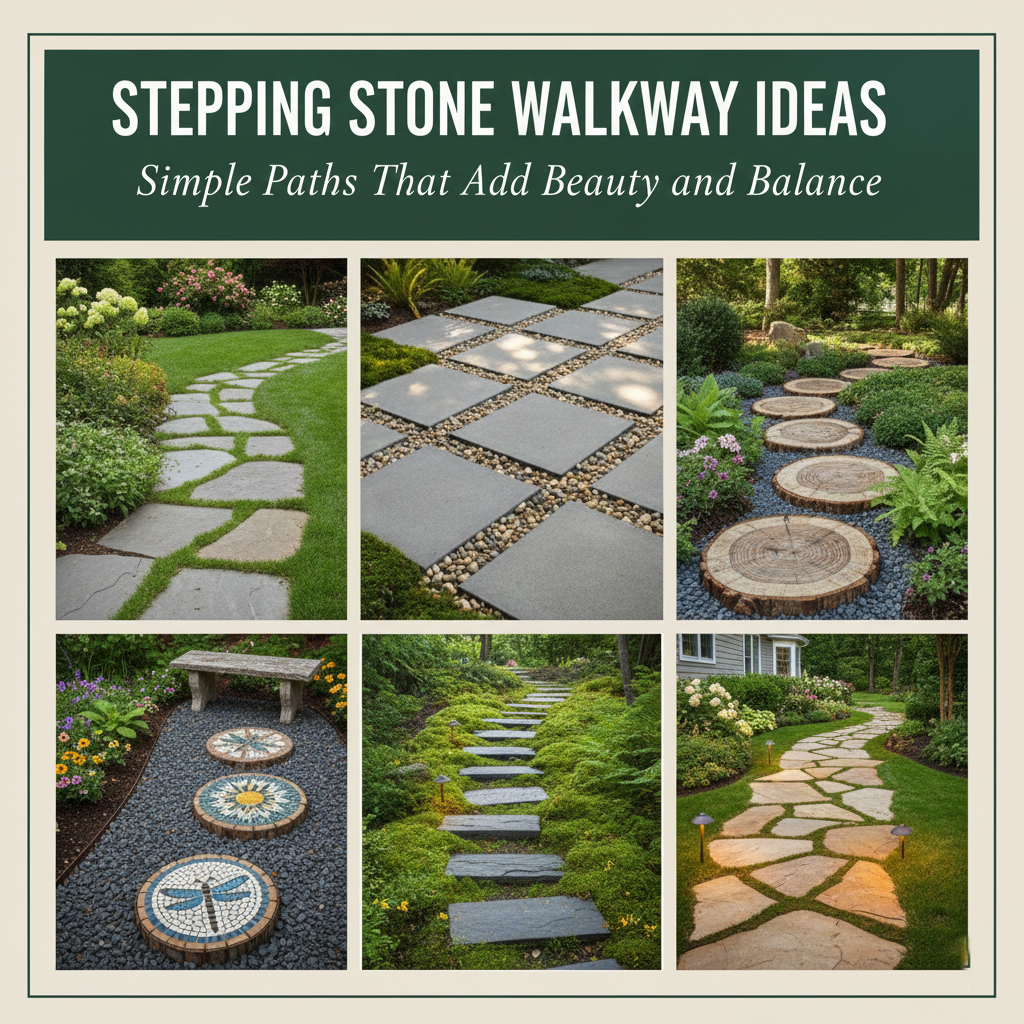
Stepping Stone Walkway Ideas: Simple Paths That Add Beauty and Balance

26

Stepping Stone Walkway Ideas: Simple Paths That Add Beauty and Balance

Stepping stone walkways bring charm without feeling heavy or forced.
They guide movement gently through a space.
They also let nature breathe between each step.

These walkways work in small gardens, large yards, and side paths.
They feel casual yet intentional.
That balance is what makes them timeless.

Natural Stone Stepping Walkways for an Organic Look

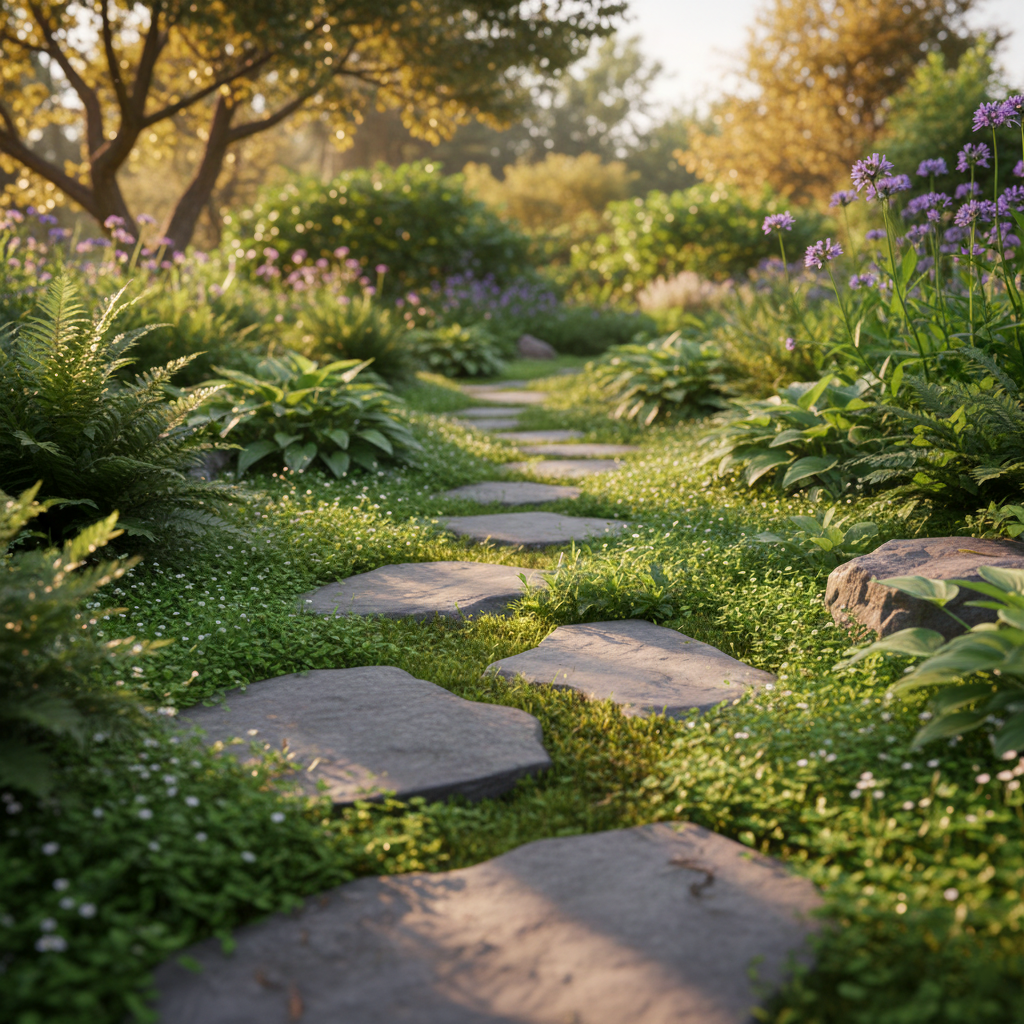
Natural stone stepping stones blend seamlessly with landscapes.
They feel like they belong there.

Each stone has unique texture and color.
That variation adds quiet beauty.

Best Natural Stones for Walkways

  • Flagstone

  • Slate

  • Sandstone

  • Limestone

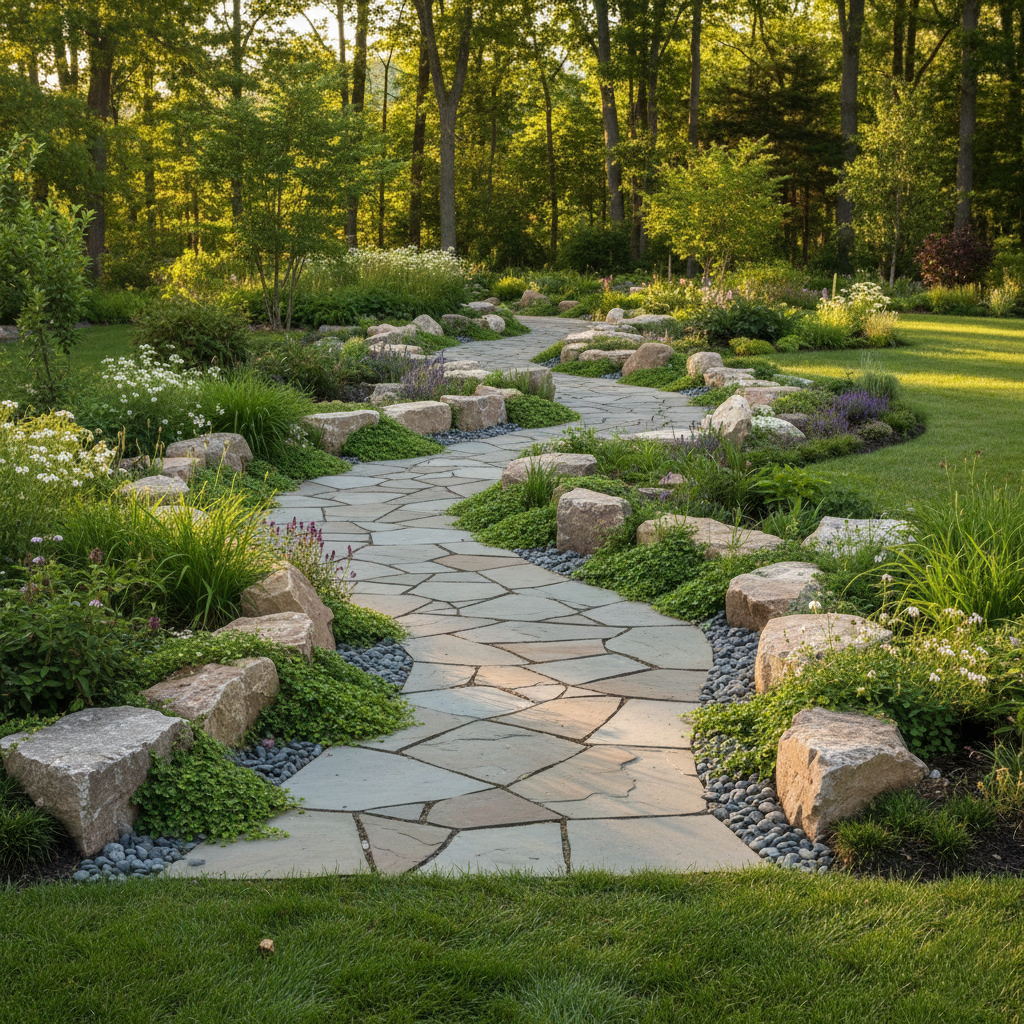
Lay stones with uneven spacing for a relaxed feel.
Perfect symmetry is not the goal here.

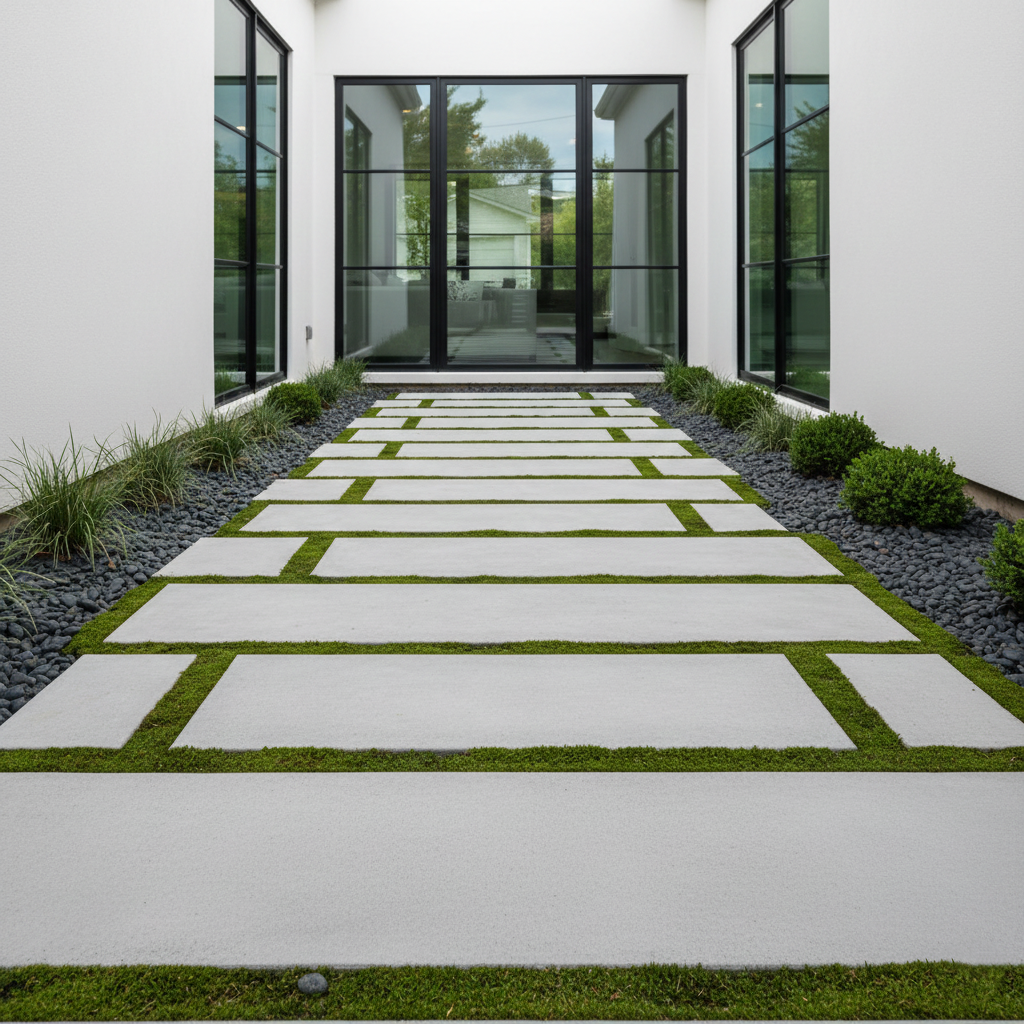
Grass or ground cover between stones softens the path.
It also helps with drainage.

gren walk

Modern Concrete Stepping Stone Walkways

Concrete stepping stones create a clean and modern look.
They work especially well in contemporary homes.

Large slabs make narrow spaces feel wider.
Straight lines bring order to outdoor areas.

Modern Design Ideas

  • Rectangular concrete slabs

  • Even spacing

  • Minimal surrounding plants

  • Neutral color palette

Concrete stones are durable and low maintenance.
They also pair well with gravel or mulch.

Add subtle lighting for evening use.
It improves safety and atmosphere.

stonewalk

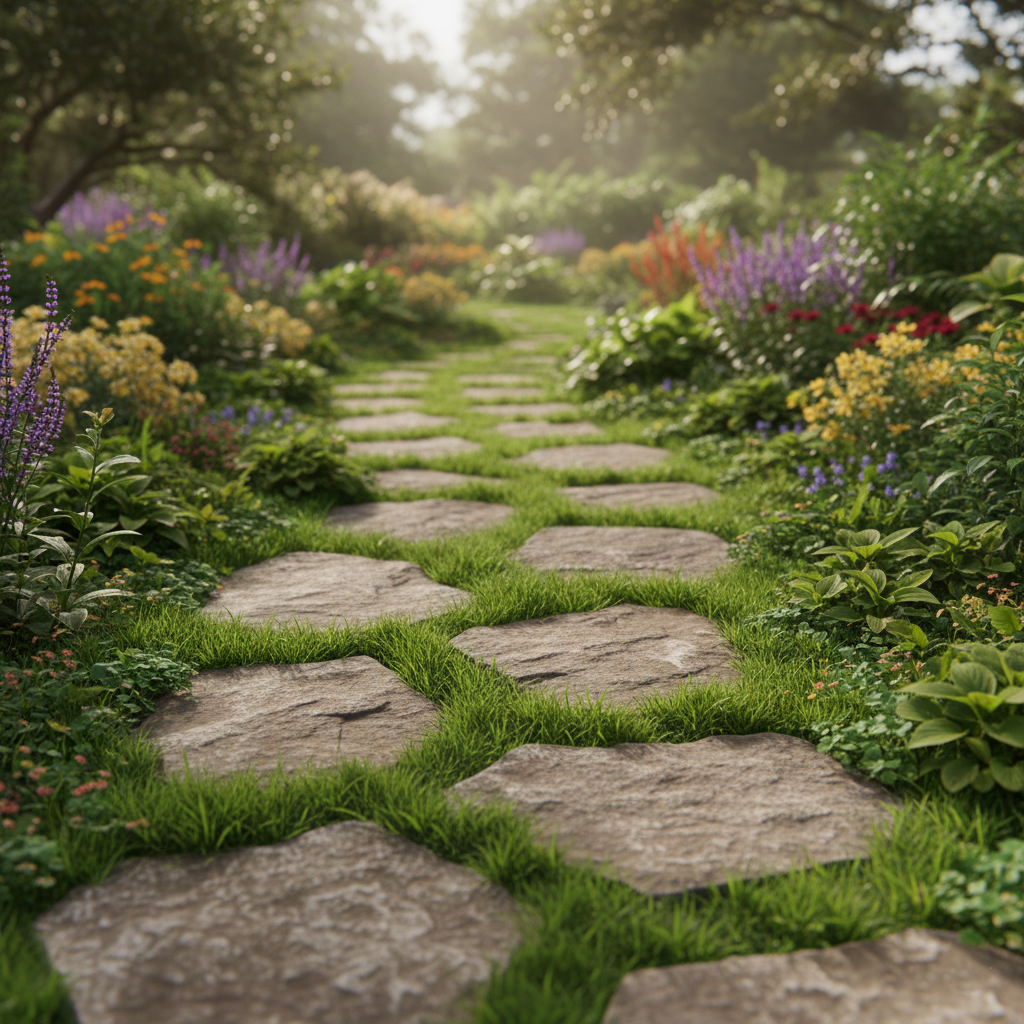
Garden Stepping Stones with Grass or Ground Cover

Green walkways feel alive.
They soften hard materials and invite calm.

Grass or ground cover between stones creates a natural rhythm.
Each step feels intentional but relaxed.

Best Plants Between Stepping Stones

  • Creeping thyme

  • Moss

  • Dwarf mondo grass

  • Clover

Choose low-growing plants.
They handle foot traffic better.

This style works well in cottage gardens and backyard paths.
It feels welcoming and peaceful.

green walk

Decorative Stepping Stones with Patterns and Texture

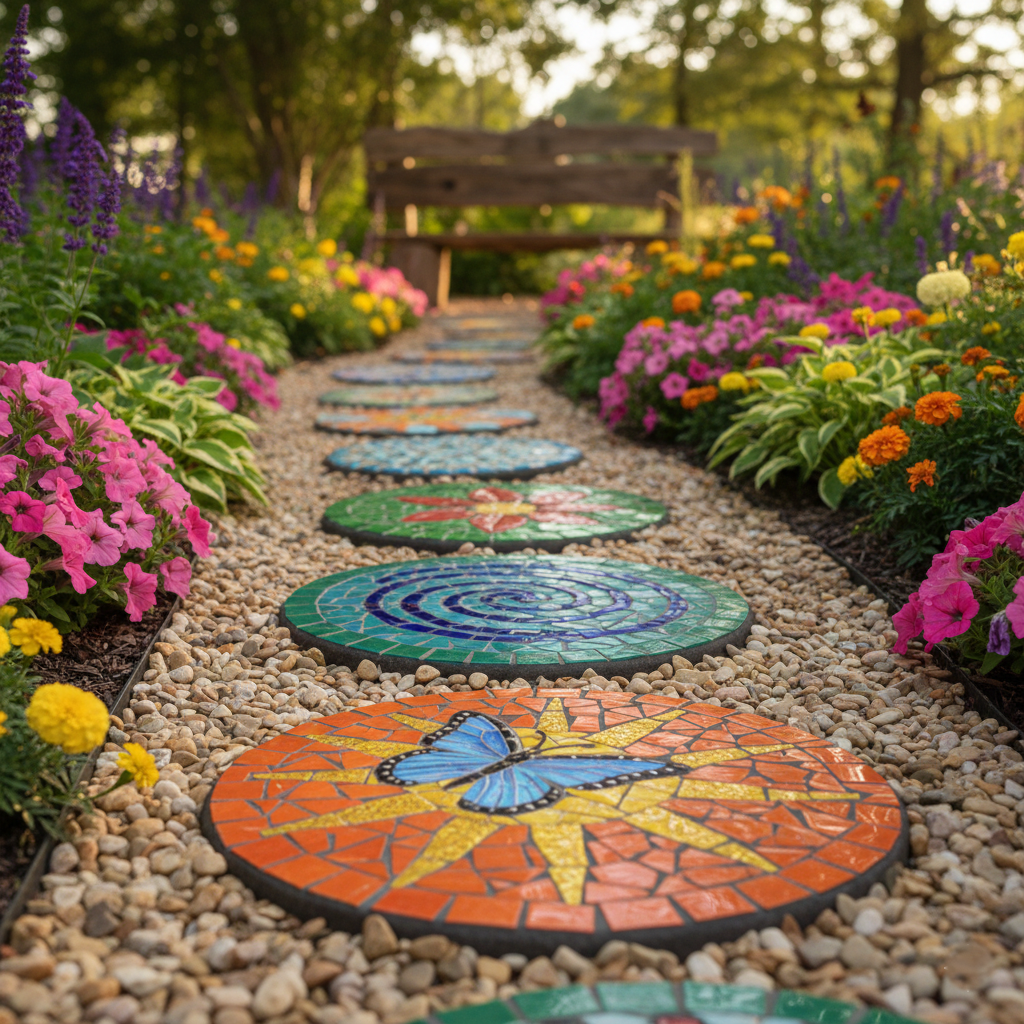
Decorative stepping stones add personality.
They turn walkways into design features.

These stones work well in focal areas.
Entry paths and garden centers are ideal spots.

Popular Decorative Styles

  • Mosaic stepping stones

  • Textured concrete

  • Leaf or floral imprints

  • Pebble-inset designs

Decorative stones should still feel stable.
Avoid overly smooth surfaces.

This style adds creativity without overwhelming the garden.

walkonstone

Stepping Stone Walkways with Gravel or Mulch

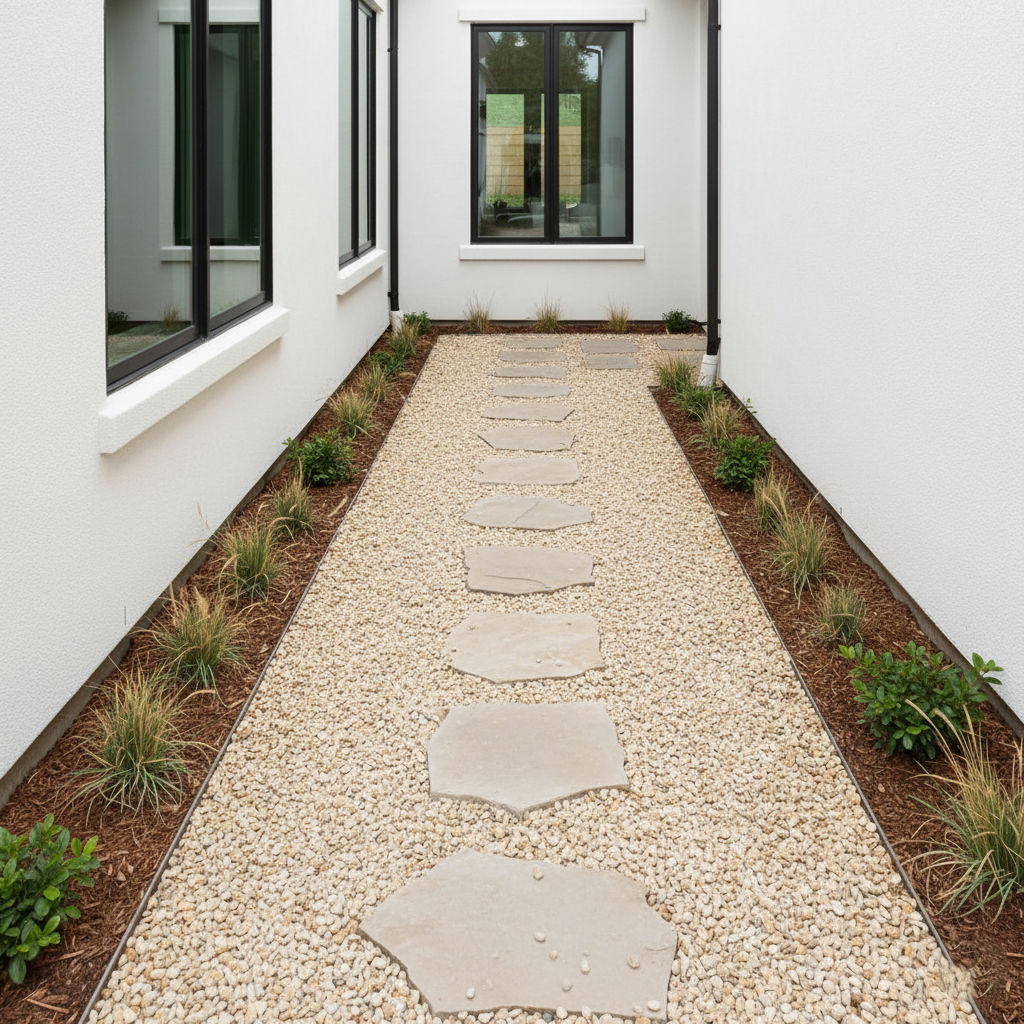
Gravel or mulch around stepping stones adds contrast.
It also improves drainage.

This combination works well for side yards and long paths.
Maintenance stays simple.

Best Materials to Pair with Stones

  • Pea gravel

  • Crushed stone

  • Bark mulch

  • Decomposed granite

Use edging to keep materials contained.
Clean lines make the path feel finished.

This approach balances structure with softness.
It is practical and visually pleasing.

lastwalk

Final Thoughts: Are Stepping Stone Walkway Ideas Worth It?

Yes, without hesitation.

Stepping stone walkways feel natural and thoughtful.
They guide movement without dominating the space.

They work with many styles, budgets, and garden sizes.
They also allow flexibility as landscapes change.

Whether simple or decorative, the impact is clear.
A stepping stone path makes outdoor spaces feel complete and inviting.

25

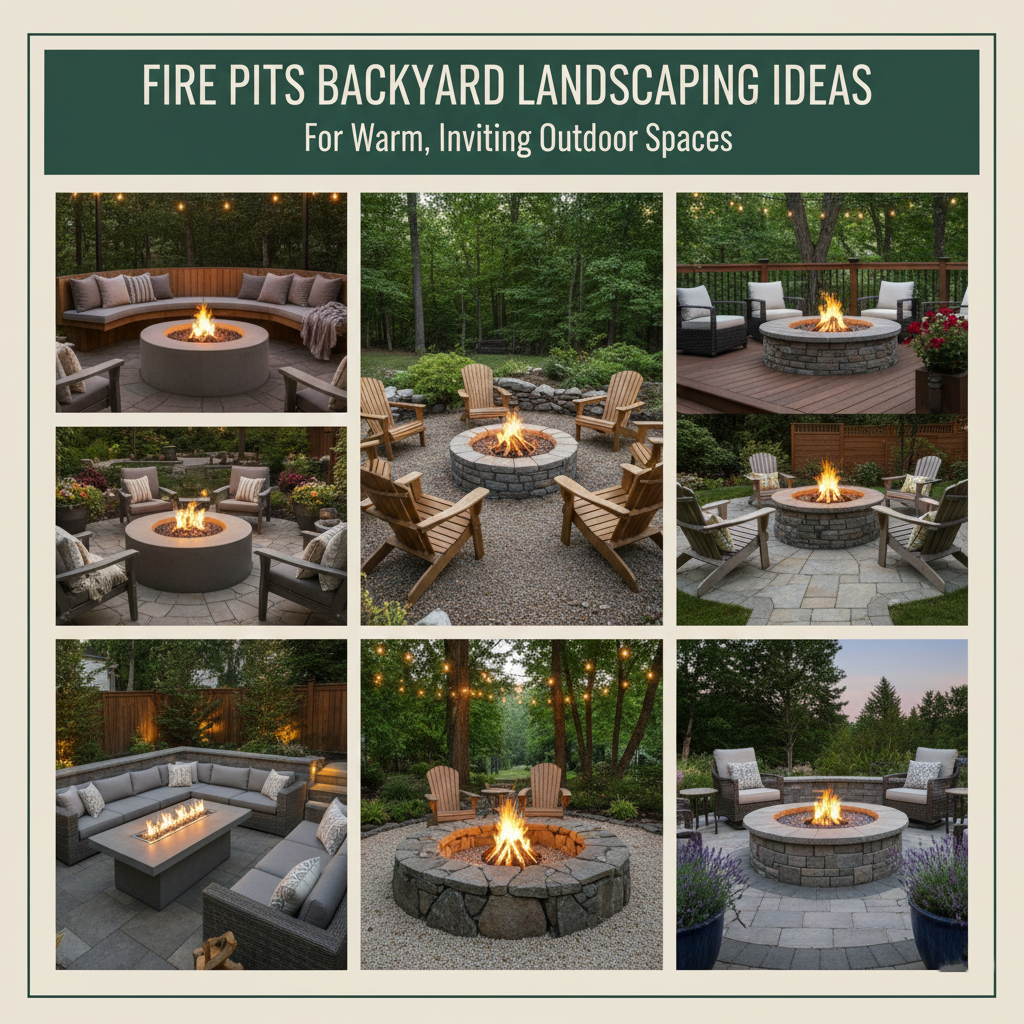
Firepits Backyard Landscaping Ideas for Warm, Inviting Outdoor Spaces

25

Firepits Backyard Landscaping Ideas for Warm, Inviting Outdoor Spaces

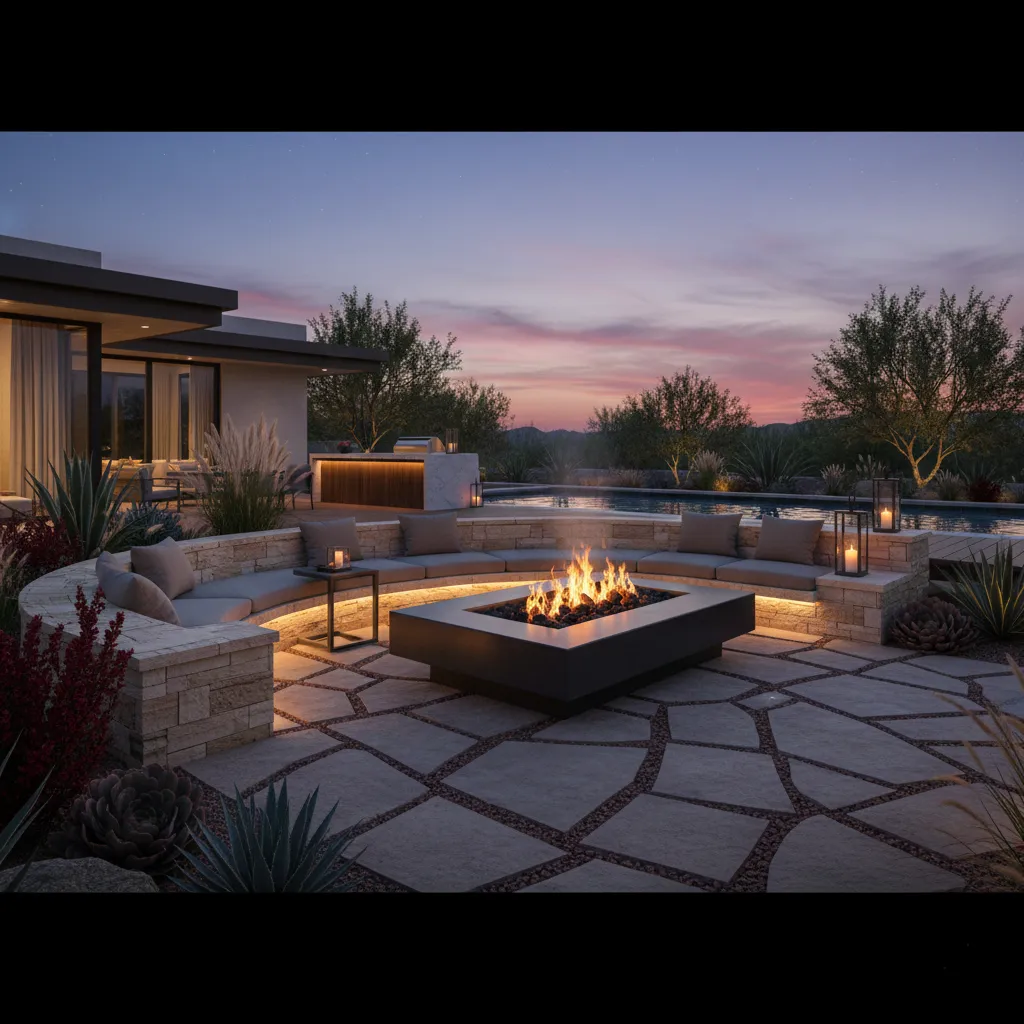
A firepit changes how a backyard feels.
It draws people together naturally.
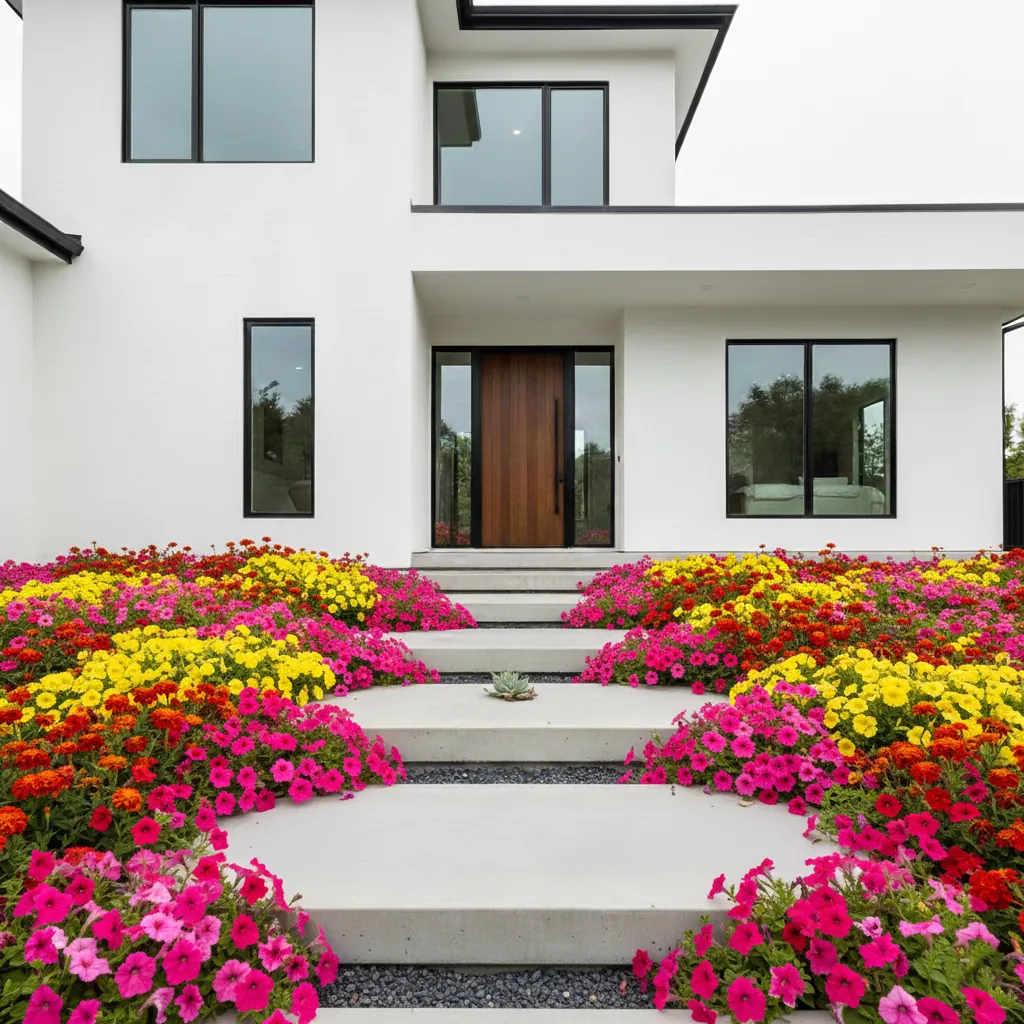
Fire adds warmth, light, and comfort.
It turns empty yards into gathering spaces.

With thoughtful landscaping, a firepit becomes the heart of the backyard.

Choosing the Right Firepit Style for Your Backyard

Firepit style sets the tone.
It should match your home and lifestyle.

Different designs serve different needs.
Some feel rustic. Others feel modern.

Popular Firepit Styles

  • Stone firepits for natural landscapes

  • Concrete firepits for modern yards

  • Metal firepits for flexibility

  • Sunken firepits for cozy settings

Round firepits encourage conversation.
Square designs feel structured and bold.

Choose a style that fits how you relax.
That makes the space feel personal.

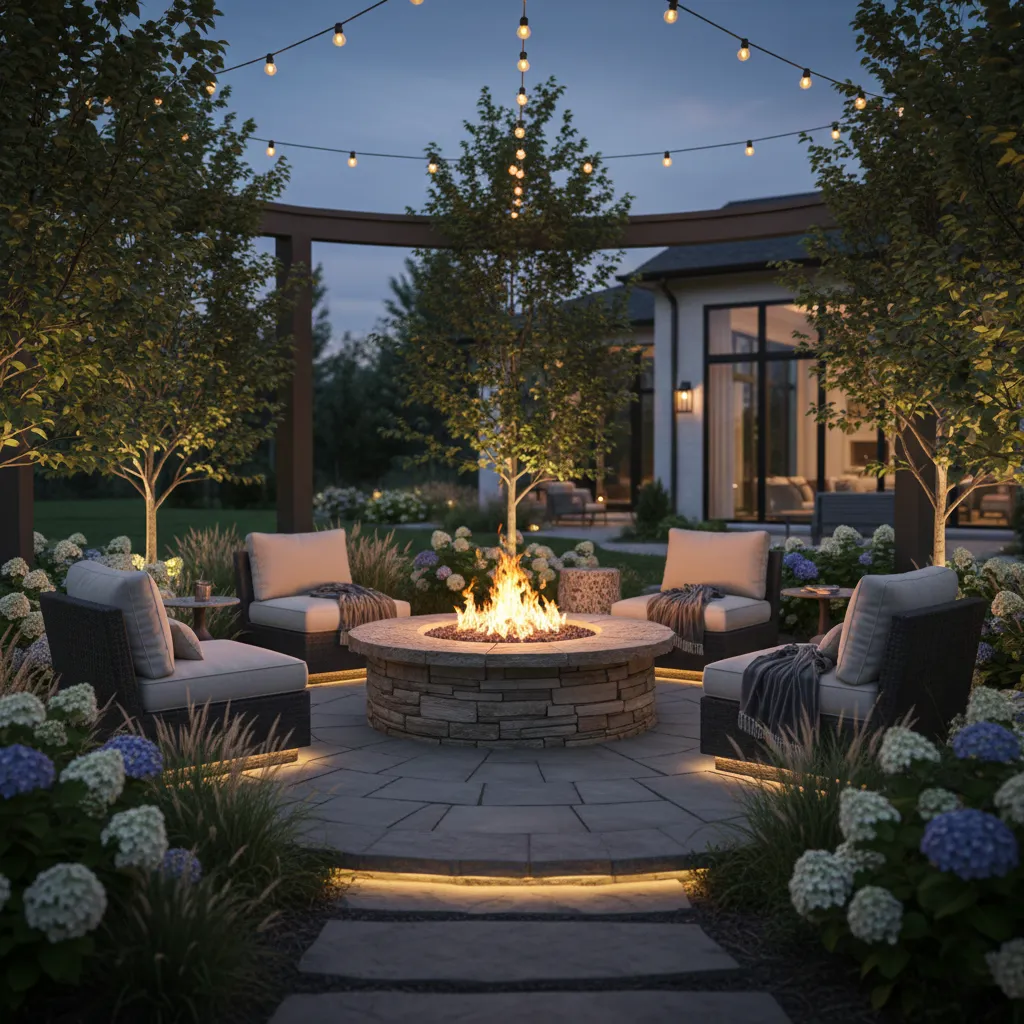
sofafire

Firepit Seating Ideas That Feel Comfortable and Social

Seating defines how people use the firepit.
Comfort matters more than quantity.

Good seating invites long conversations.
It keeps guests relaxed.

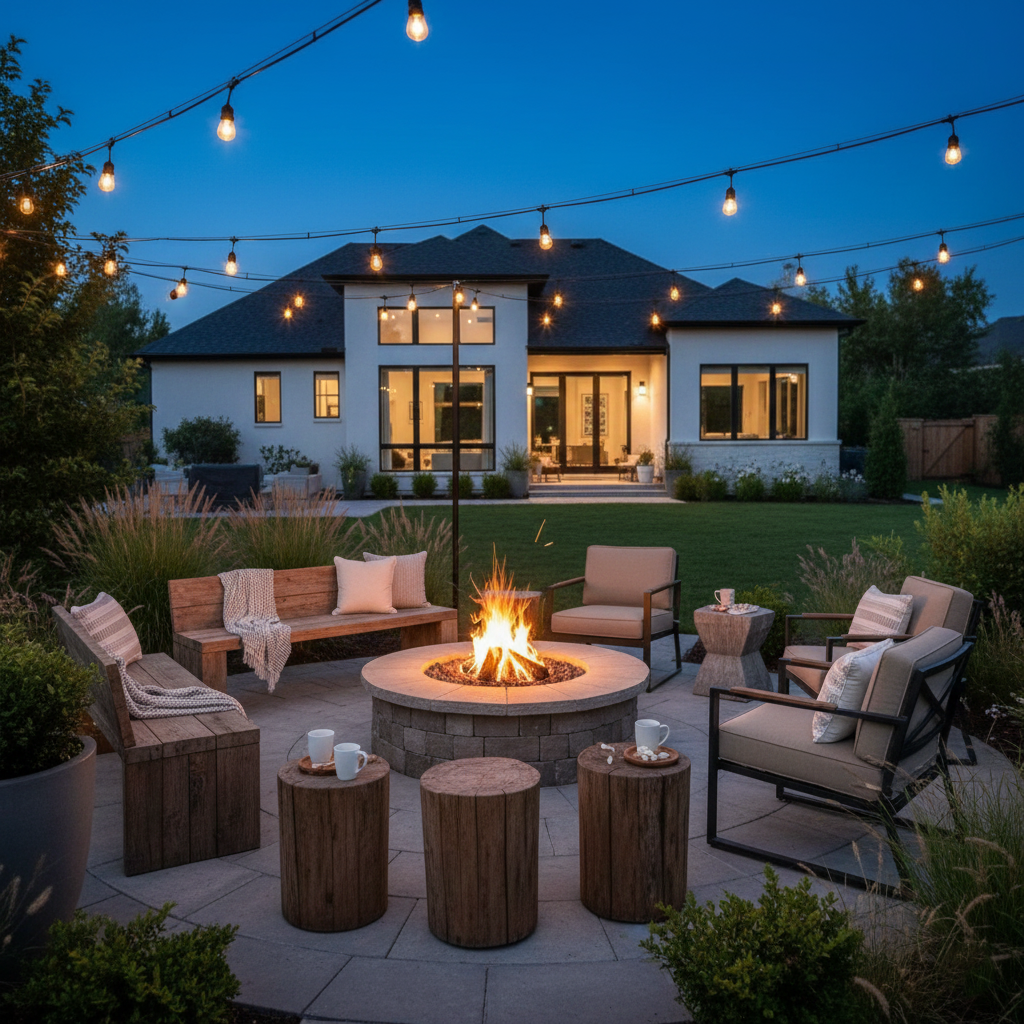
Seating Options Around Firepits

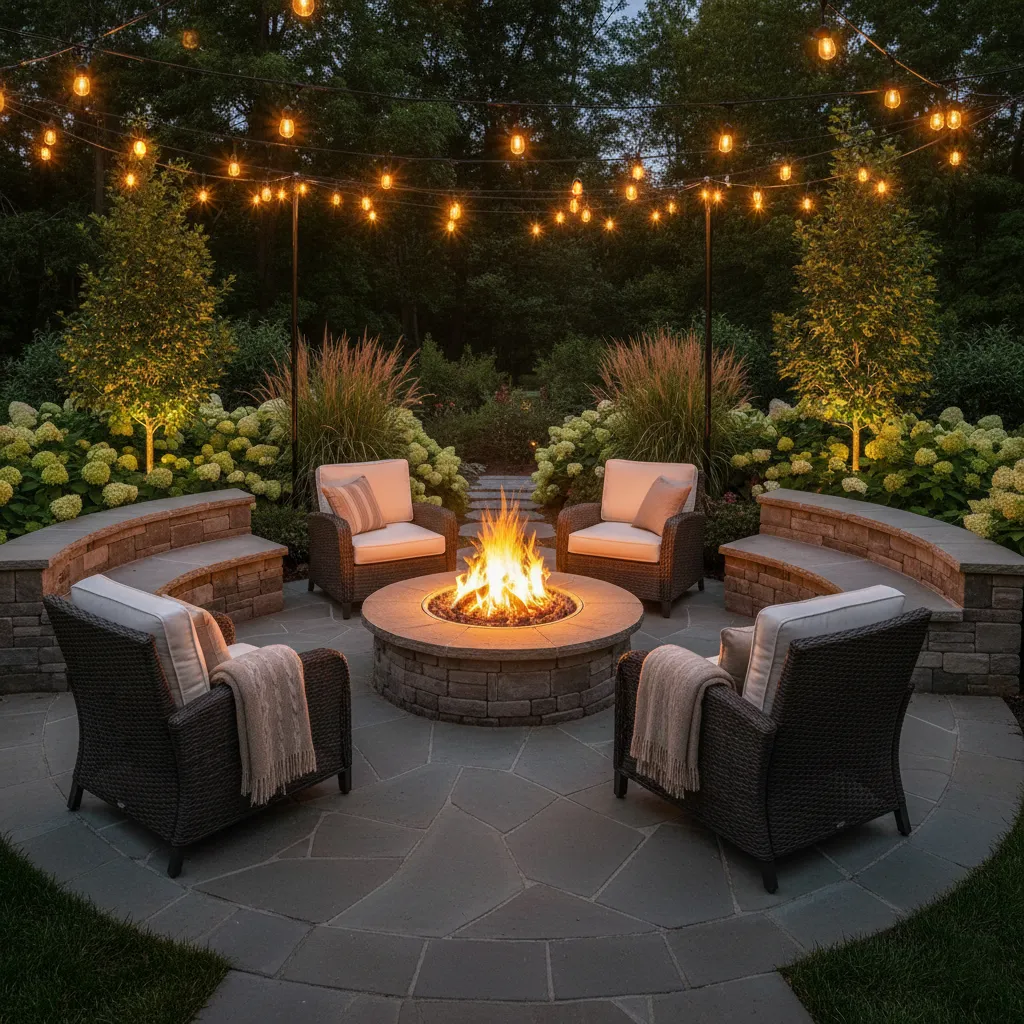
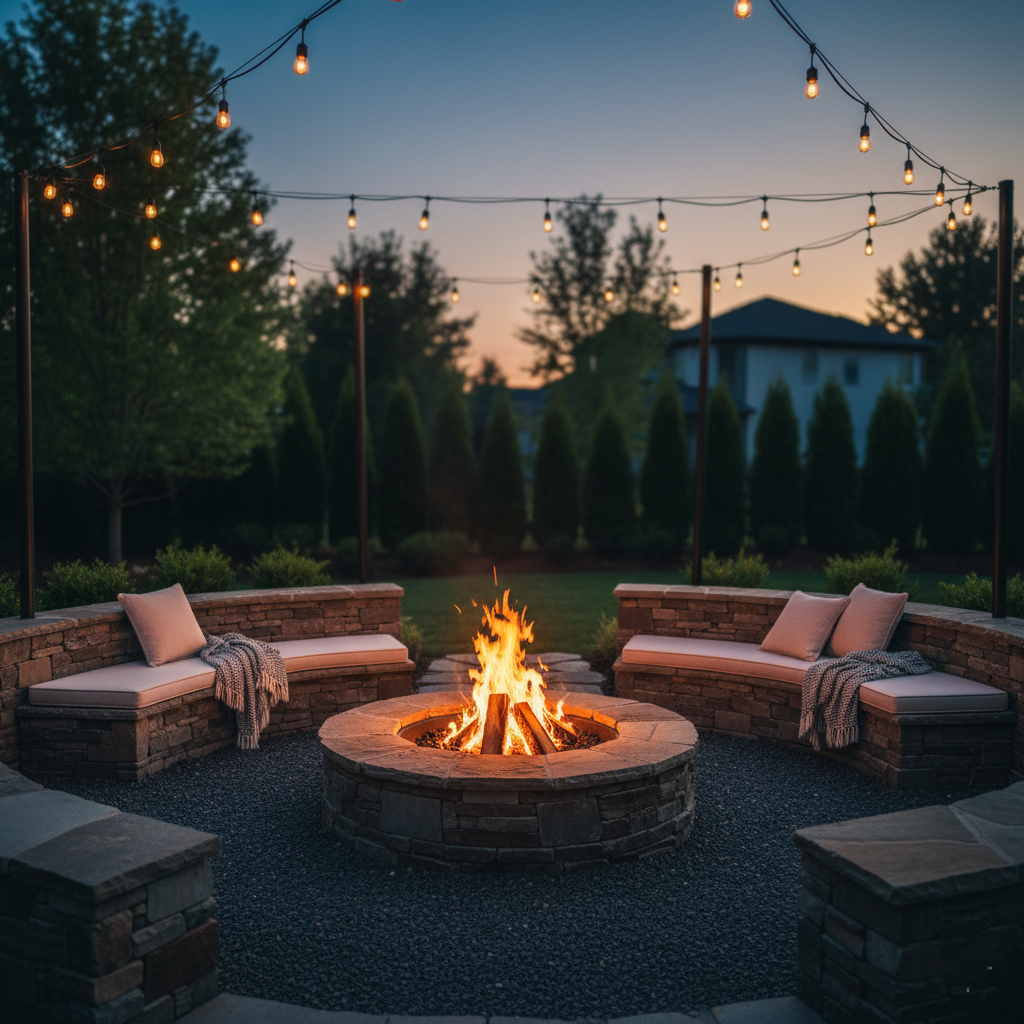
  • Built-in stone benches

  • Outdoor lounge chairs

  • Wooden benches with cushions

  • Low retaining walls

Arrange seating in a circle.
This keeps everyone connected.

Add cushions and throws.
They soften the space and add warmth.

stonefire

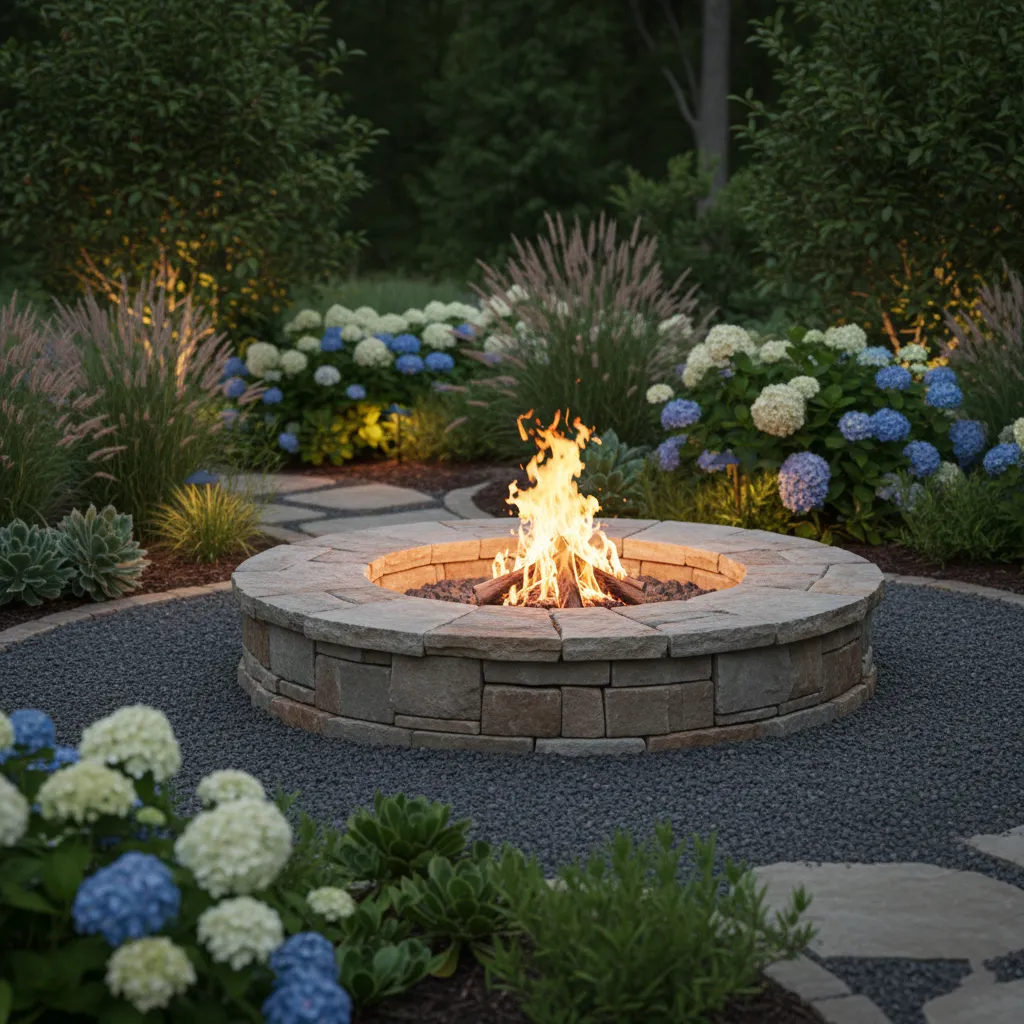
Landscaping Around Firepits for a Natural Look

Plants and materials soften firepit spaces.
They make the area feel grounded.

Natural landscaping blends fire with nature.
It avoids a harsh or empty look.

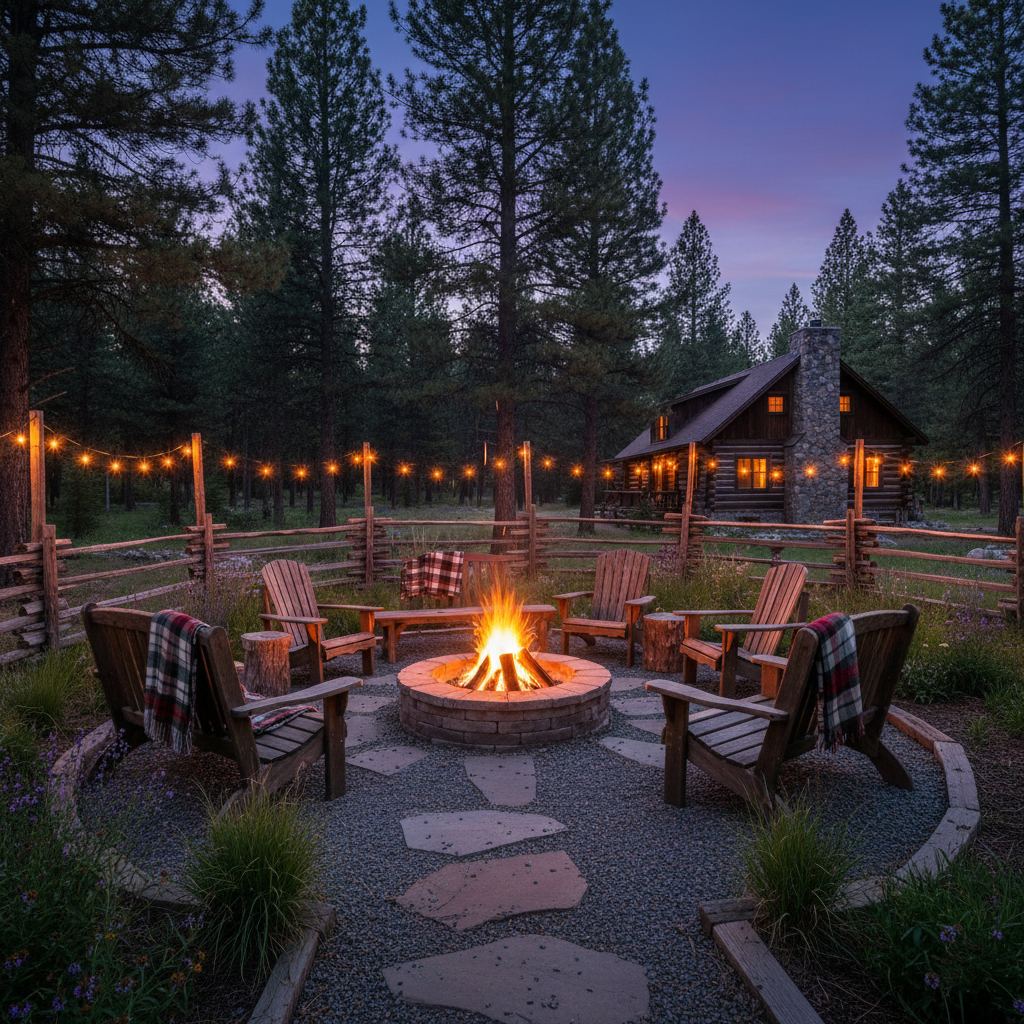
Landscaping Ideas Around Firepits

  • Gravel or stone bases

  • Ornamental grasses

  • Low shrubs and ground covers

  • Boulders or stone borders

Keep plants away from flames.
Safety always comes first.

Balanced landscaping makes the firepit feel intentional.
Not placed as an afterthought.

flowerstone

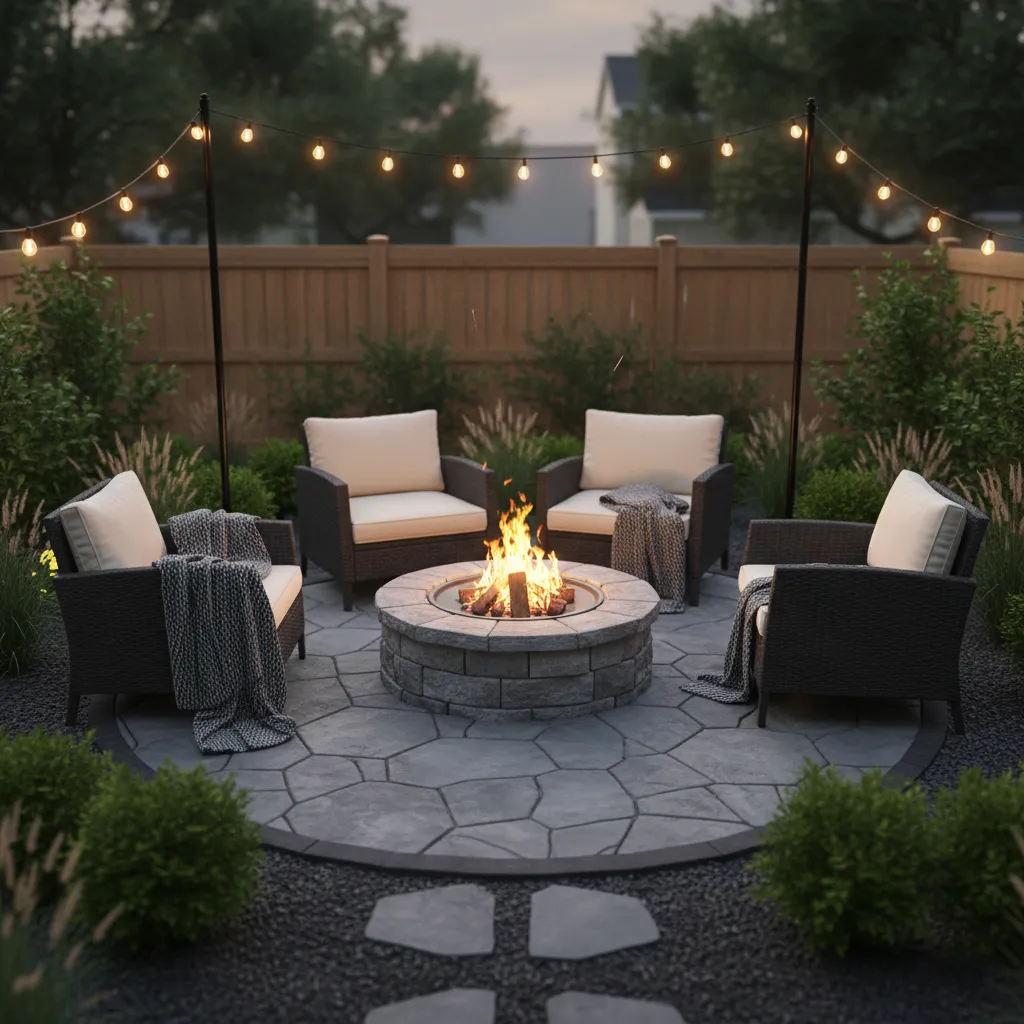
Firepits for Small Backyards and Compact Spaces

Even small yards can hold a firepit.
Design just needs to be smart.

Compact firepits save space.
They still provide warmth and charm.

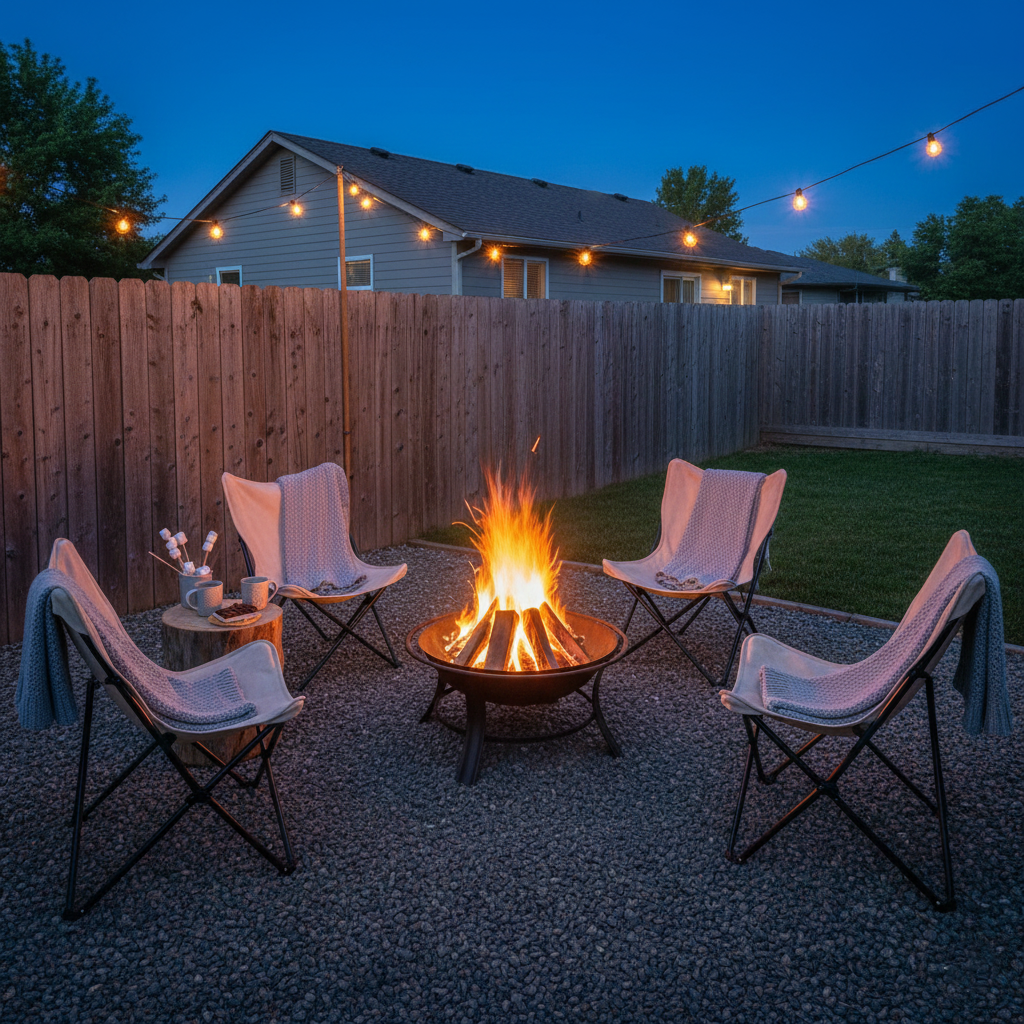
Small Backyard Firepit Ideas

  • Corner firepit layouts

  • Wall-mounted seating

  • Portable firepits

  • Minimal landscaping around

Choose light-colored materials.
They keep the space open.

Small firepit areas feel intimate.
They often become favorite spots.

whitesofafire

Lighting and Finishing Touches for Firepit Areas

Lighting completes the atmosphere.
It adds safety and mood.

Soft lighting works best.
Avoid harsh brightness.

Lighting Ideas for Firepit Landscapes

  • Solar path lights

  • String lights overhead

  • Recessed ground lighting

  • Lanterns on tables

Add side tables for drinks.
Use outdoor rugs to define space.

Small details make the area feel finished.
They invite people to stay longer.

newstyle

Final Thoughts: Why Firepit Landscaping Is Worth the Effort

A firepit brings people together.
It creates memories, not just warmth.

With thoughtful landscaping, it becomes the soul of the backyard.
It adds value and comfort.

Whether large or small, a firepit area transforms outdoor living.
It makes evenings feel slower and more meaningful.

24

Main Entrance Steps Design Ideas That Elevate Your Home’s First Impression

24

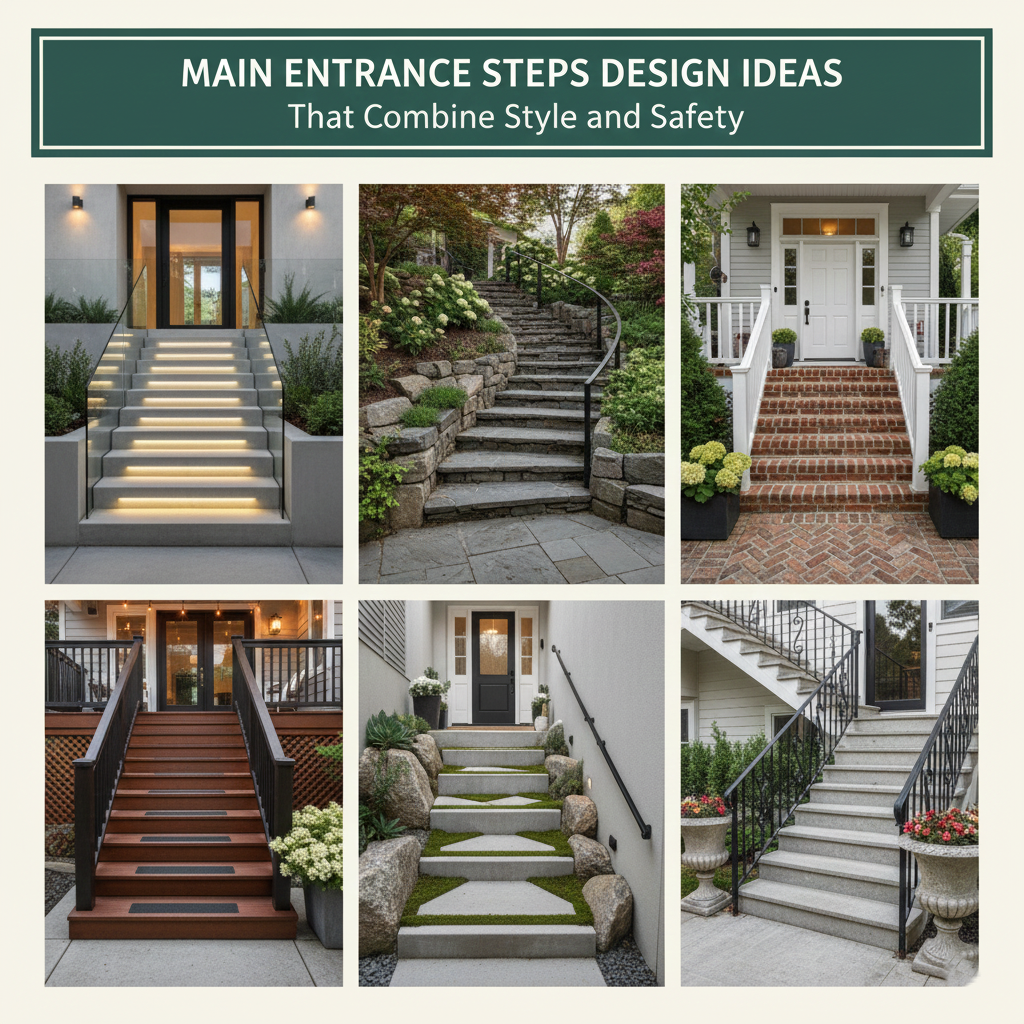
Main Entrance Steps Design Ideas That Elevate Your Home’s First Impression

The main entrance sets the mood for the entire home.
Steps play a bigger role than most people realize.

They guide movement, add safety, and shape curb appeal.
Well-designed steps feel welcoming and confident.

From classic to modern, the right design makes every arrival feel intentional.

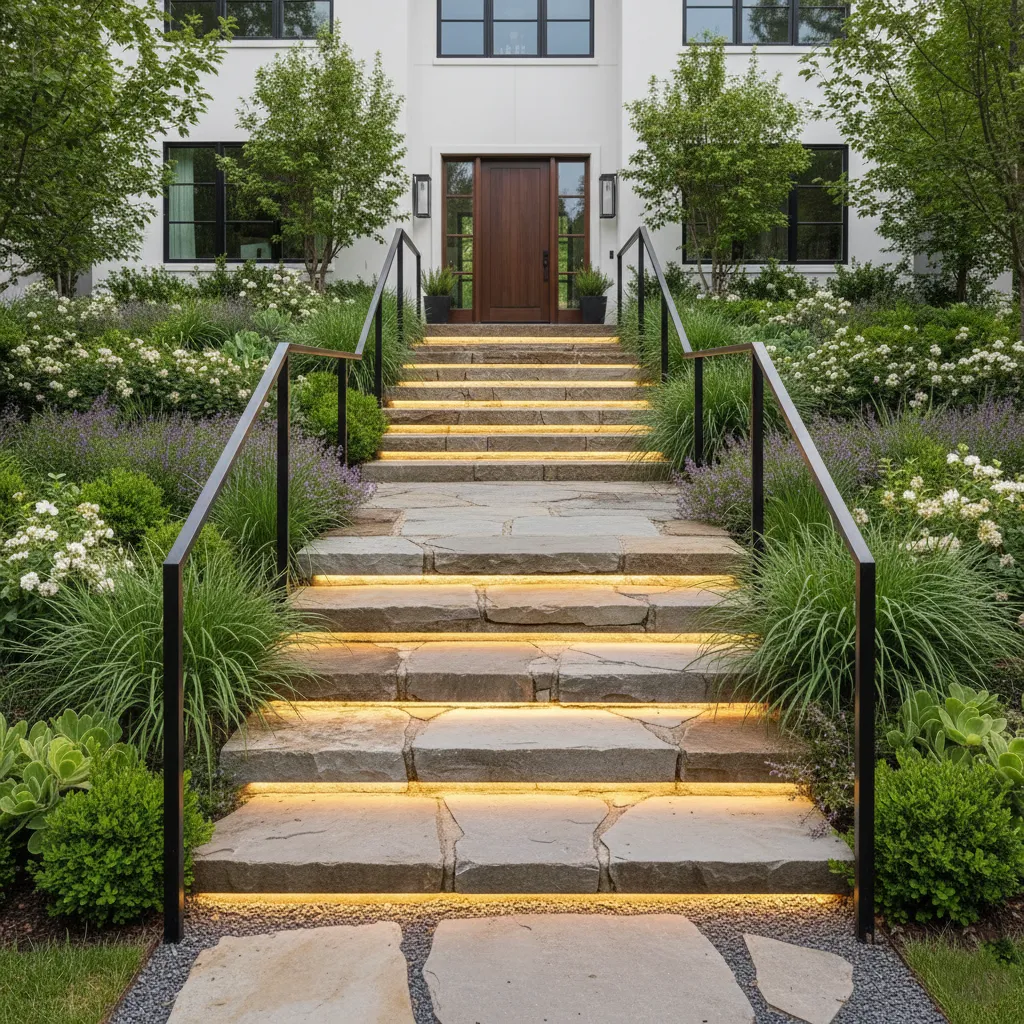
Classic Stone Steps for a Timeless Main Entrance

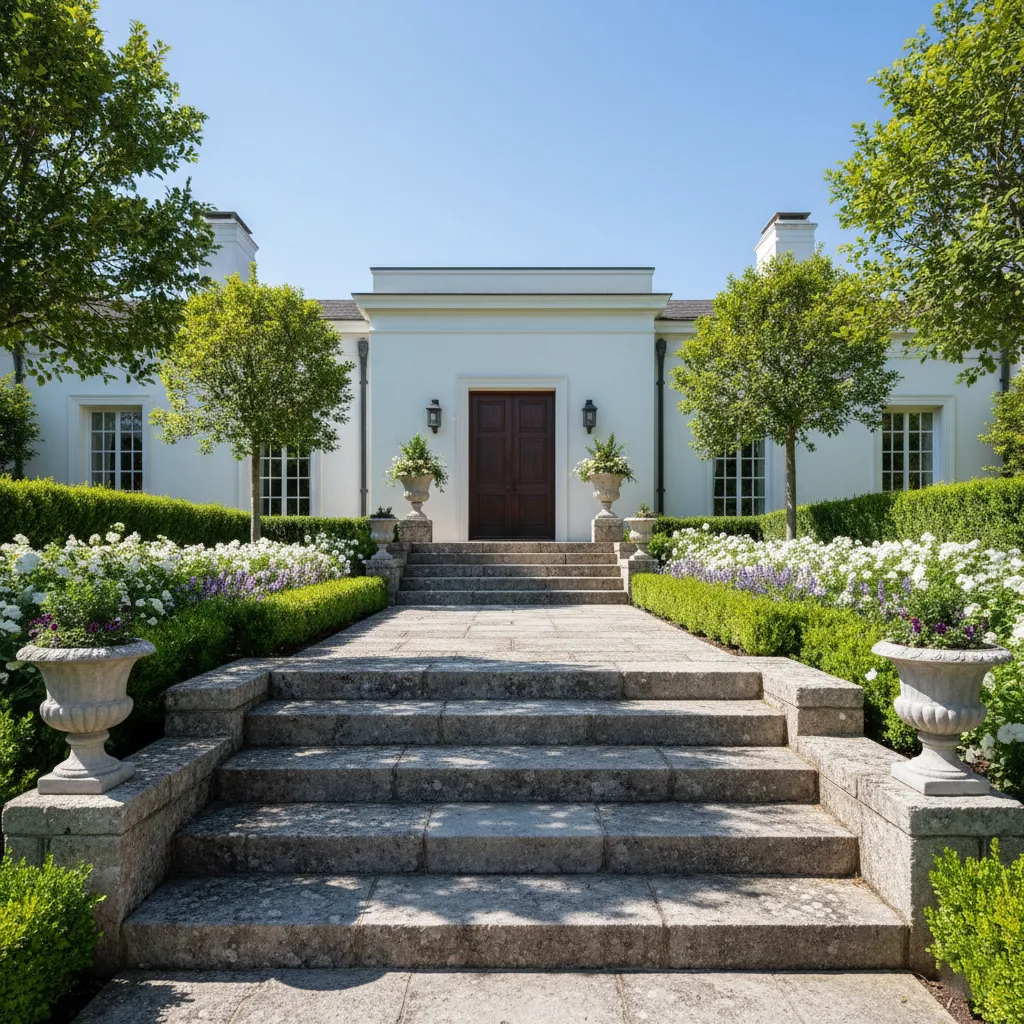
Stone steps never go out of style.
They feel solid, calm, and dependable.

Natural stone adds texture and depth.
It blends well with plants and architecture.

Why Stone Steps Work So Well

  • Long-lasting durability

  • Natural slip resistance

  • Elegant and grounded appearance

  • Easy to pair with landscaping

Stone steps suit traditional and modern homes.
They age beautifully over time.

A stone entrance feels established and trustworthy.

whitehouse

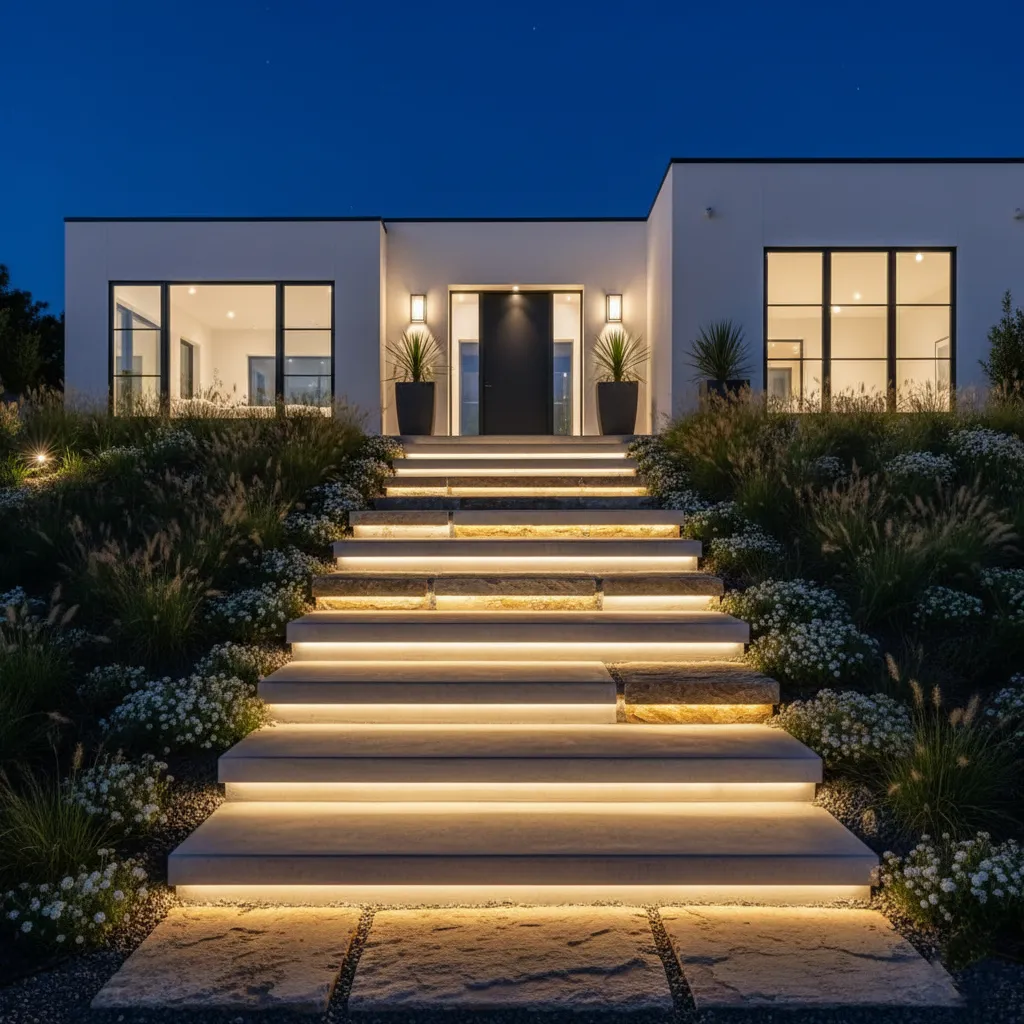
Modern Main Entrance Steps with Clean Geometry

Modern step designs focus on simplicity.
Every line has a purpose.

Wide steps and sharp edges create confidence.
They feel open and uncluttered.

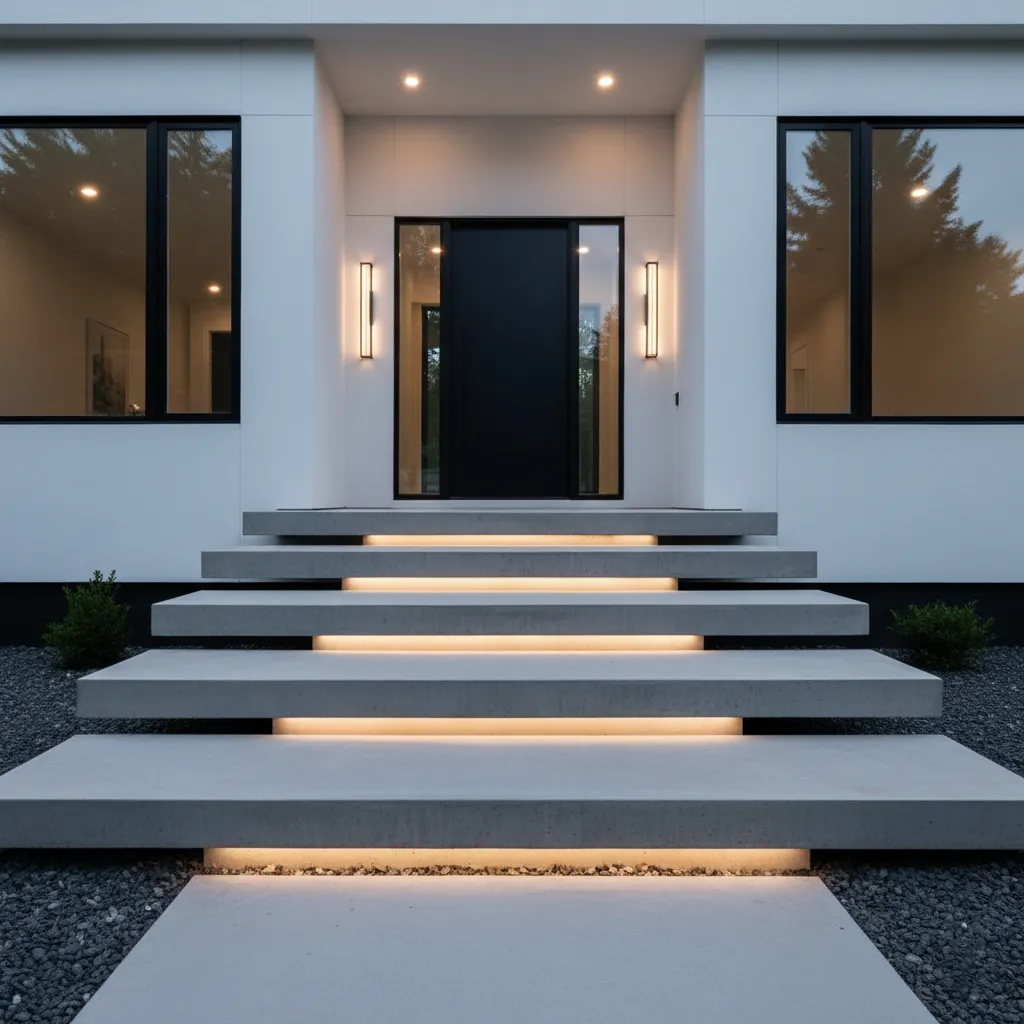
Key Elements of Modern Entrance Steps

  • Straight lines

  • Wide treads

  • Neutral tones

  • Minimal railings

Concrete and stone work best here.
Hidden lighting enhances the look at night.

Modern steps feel refined.
They instantly upgrade curb appeal.

blackdor stair

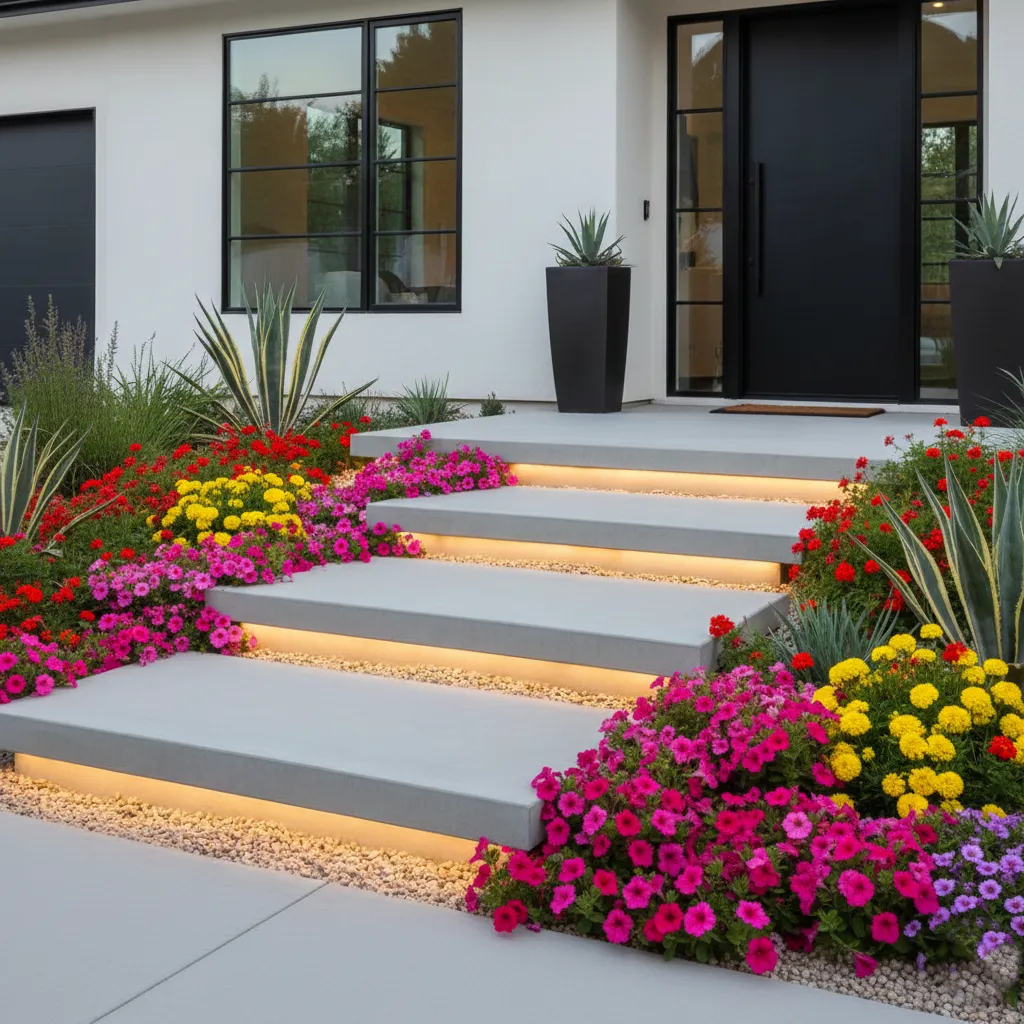
Main Entrance Steps with Landscaping Integration

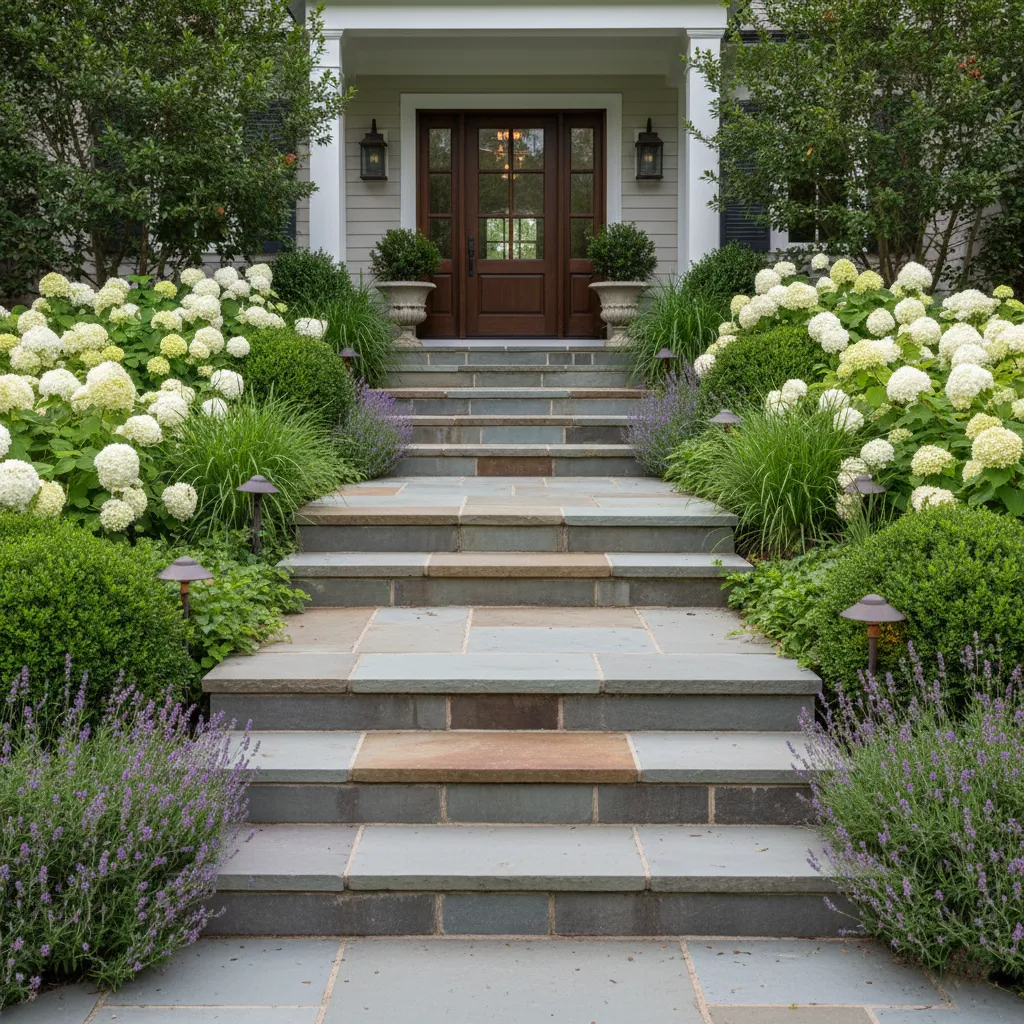
Steps look better when nature surrounds them.
Plants soften hard surfaces.

Landscaping adds warmth and balance.
It also guides visitors naturally.
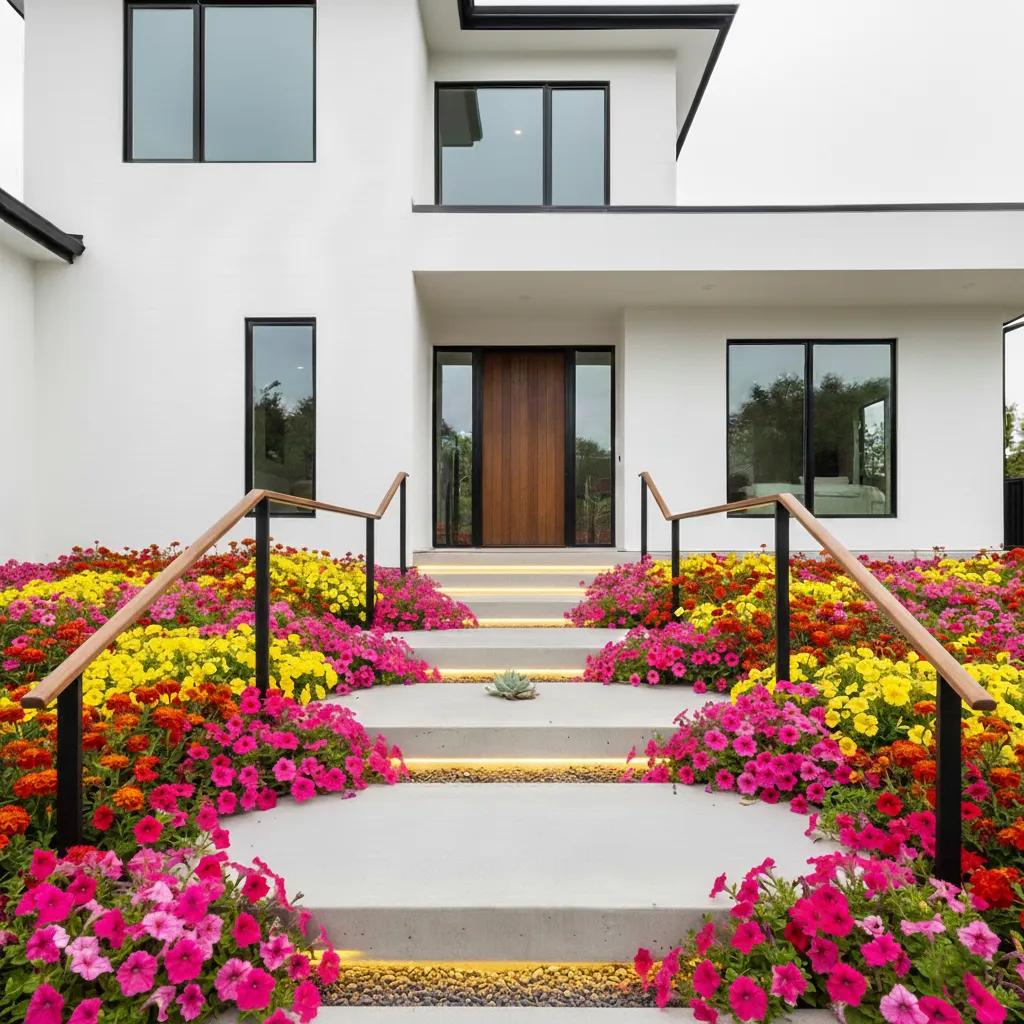
Landscaping Ideas Around Entrance Steps

  • Low hedges or shrubs

  • Ornamental grasses

  • Flower beds along edges

  • Gravel or stone borders

Avoid overplanting.
Leave space for movement and visibility.

Greenery makes the entrance feel alive.
It adds emotional comfort.

treedoor

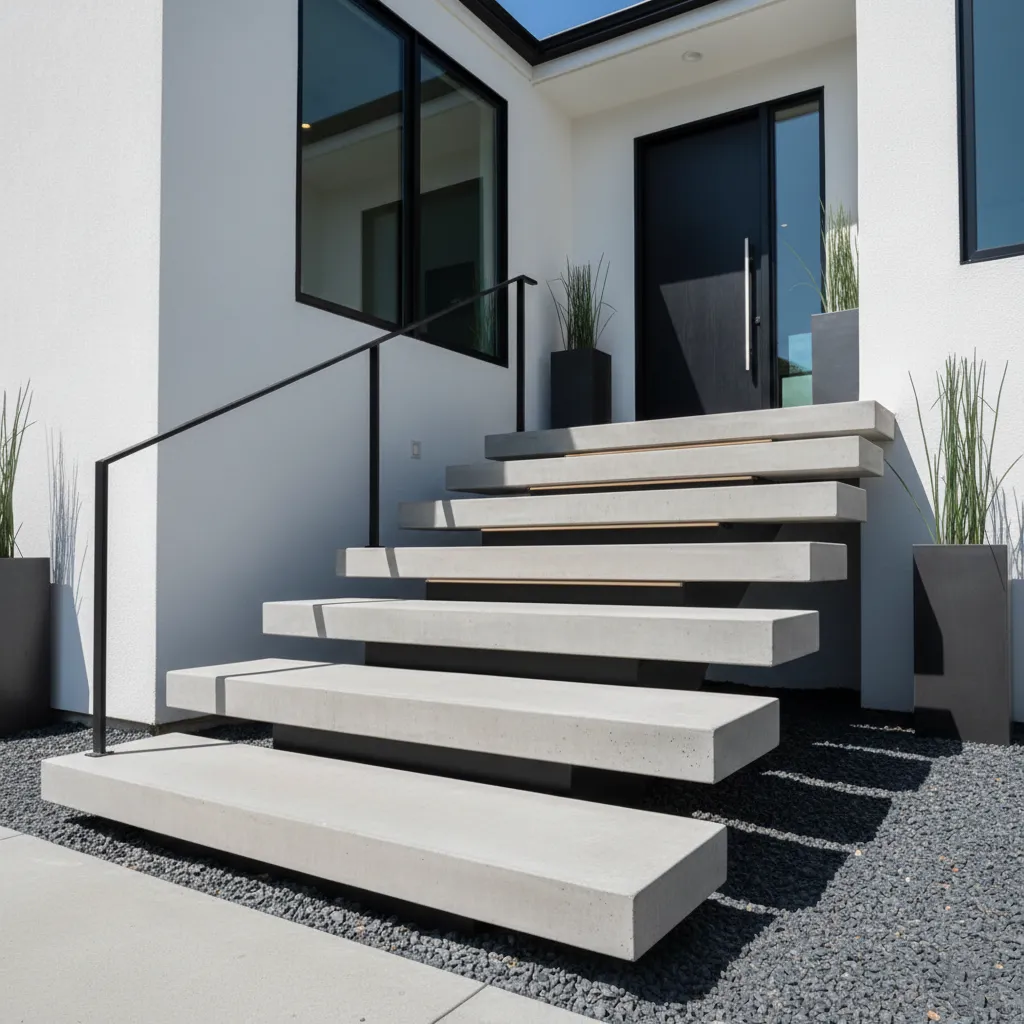
Floating and Open-Riser Steps for a Light Look

Floating steps feel modern and artistic.
They reduce visual weight.

Open risers allow light to pass through.
This creates a calm, airy entrance.

When Floating Steps Work Best

  • Modern or contemporary homes

  • Sloped entrances

  • Minimalist exteriors

  • Homes with landscape lighting

These steps need strong structure.
Safety and stability matter most.

When designed well, they feel effortless.
They make entrances stand out.

flowerstair

Safe and Functional Steps for Everyday Comfort

Design should never sacrifice safety.
Main entrance steps are used daily.

Comfort builds trust.
Good design supports all ages.

Safety Features to Include

  • Consistent step height

  • Non-slip surfaces

  • Strong handrails

  • Proper lighting

Lighting improves visibility at night.
Handrails add confidence and balance.

Safe steps feel welcoming.
They make daily life easier.

barandflower

Final Thoughts: Choosing the Right Main Entrance Steps Design

Main entrance steps shape first impressions.
They reflect the home’s character.

The best designs balance beauty and function.
They respect safety and style equally.

Whether classic stone, modern concrete, or floating steps, thoughtful design adds lasting value.
It makes every arrival feel right.

23

Outdoor Stairs to House Entrance Ideas That Combine Style and Safety

23

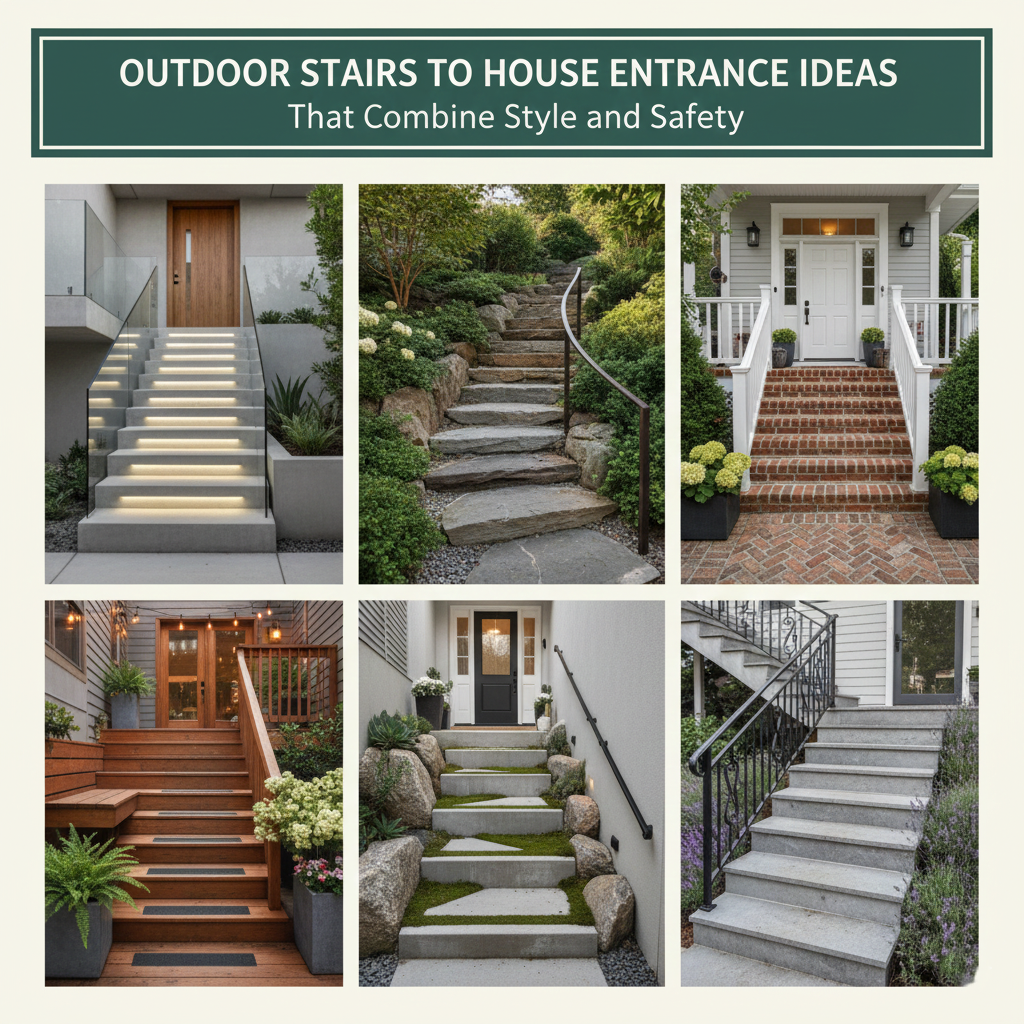
Outdoor Stairs to House Entrance Ideas That Combine Style and Safety

Outdoor stairs are more than a necessity.
They shape the first impression of your home.

Well-designed stairs guide movement.
They also add character and structure.

Whether your entrance is raised or sloped, the right stair design improves both beauty and function.

Stone and Concrete Stairs for a Timeless Entrance

Stone and concrete stairs feel solid and dependable.
They suit many architectural styles.

These materials age gracefully.
They also handle weather changes well.

Why Stone and Concrete Work So Well

  • Long-lasting and durable

  • Slip-resistant when textured

  • Easy to pair with landscaping

  • Low maintenance over time

Natural stone feels organic.
Concrete feels modern and clean.

Both options create a strong, grounded entrance.

1ststairs

Wooden Outdoor Stairs for Warm and Inviting Entrances

Wooden stairs bring warmth instantly.
They make entrances feel welcoming.

They work well for cottages and traditional homes.
They also suit rustic and farmhouse styles.

Tips for Styling Wooden Outdoor Stairs

  • Use pressure-treated or hardwood

  • Add anti-slip strips for safety

  • Seal wood for weather protection

  • Pair with planters or railings

Wood needs care.
But its charm feels personal and cozy.

A wooden entrance feels like home.

woodstair

Modern Outdoor Stairs with Clean Lines

Modern stair designs focus on simplicity.
They avoid unnecessary details.

Straight lines and minimal materials dominate.
This creates a refined look.

Features of Modern Outdoor Stair Designs

  • Wide steps

  • Open risers

  • Neutral color palettes

  • Hidden structural supports

Concrete, steel, and stone work best here.
Lighting enhances the look after sunset.

Modern stairs feel intentional.
They elevate curb appeal instantly.

simple stair

Outdoor Stairs with Landscaping Integration

Stairs look better when blended with nature.
Plants soften hard edges.

Landscaping also improves safety.
It guides movement naturally.
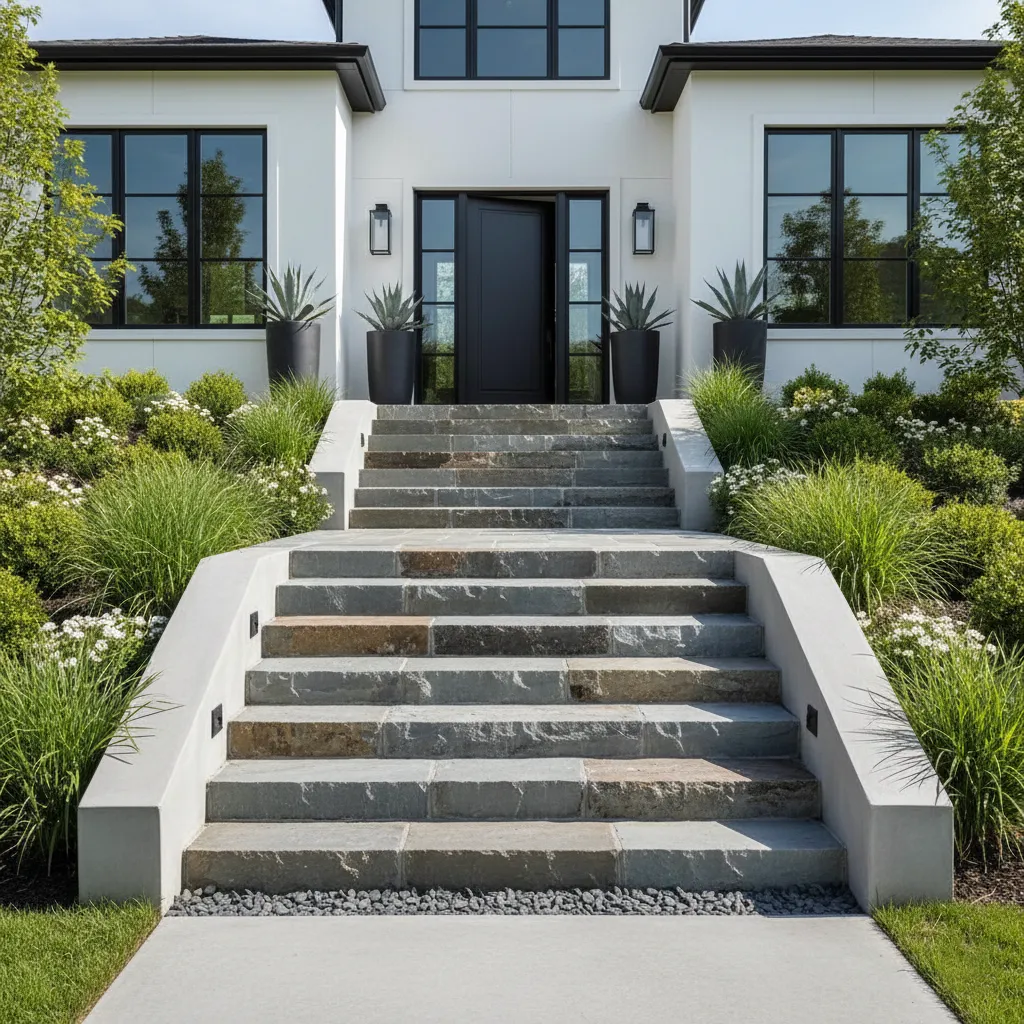
Landscaping Ideas Around Outdoor Stairs

  • Low shrubs along edges

  • Gravel beds for drainage

  • Ornamental grasses

  • Stone borders or boulders

Avoid blocking steps with plants.
Leave clear walking space.

Greenery adds life.
It makes the entrance feel calm.

stonestairs

Safe and Functional Stair Designs for Daily Use

Safety should never be overlooked.
Outdoor stairs face rain, heat, and wear.

Good design prevents accidents.
It also increases comfort.

Safety Features to Include

  • Proper step height and depth

  • Non-slip surfaces

  • Strong handrails

  • Adequate lighting

Lighting improves visibility at night.
Handrails add confidence for all ages.

A safe entrance feels welcoming.
It supports daily life.

light stair

Final Thoughts: Choosing the Right Outdoor Stairs for Your Entrance

Outdoor stairs define how you arrive home.
They deserve thoughtful design.

The best stairs balance beauty and safety.
They match the home’s style and landscape.

Whether stone, wood, or modern concrete, the right choice adds value.
It also makes every arrival feel intentional.

22

Floating Steps Outdoor Entrance Ideas That Instantly Elevate Curb Appeal

22

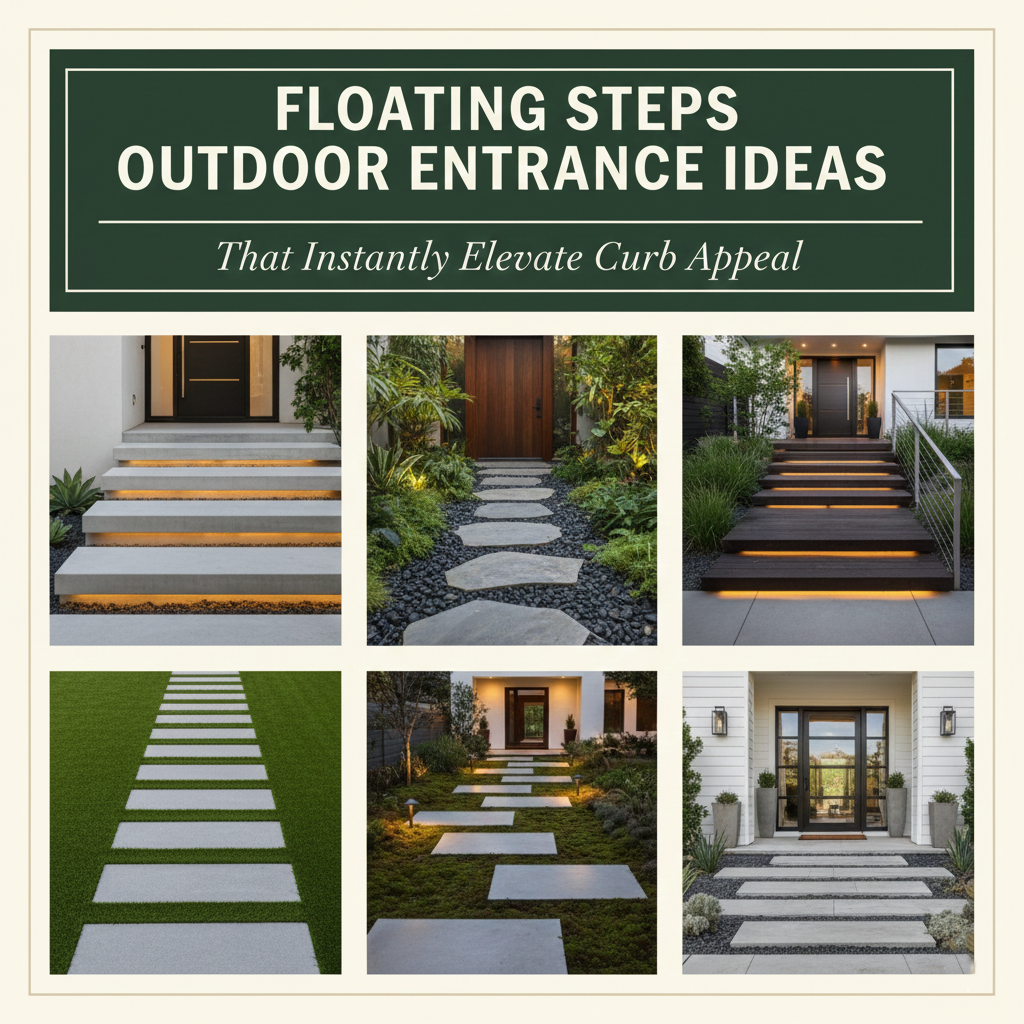
That Instantly Elevate Curb Appeal

Floating steps change how an entrance feels.
They feel light, modern, and intentional.

Instead of heavy staircases, floating steps create flow.
They guide visitors gently toward your home.

This design works for modern, natural, and minimalist exteriors.
It also adapts well to slopes and uneven ground.

What Makes Floating Steps So Visually Appealing

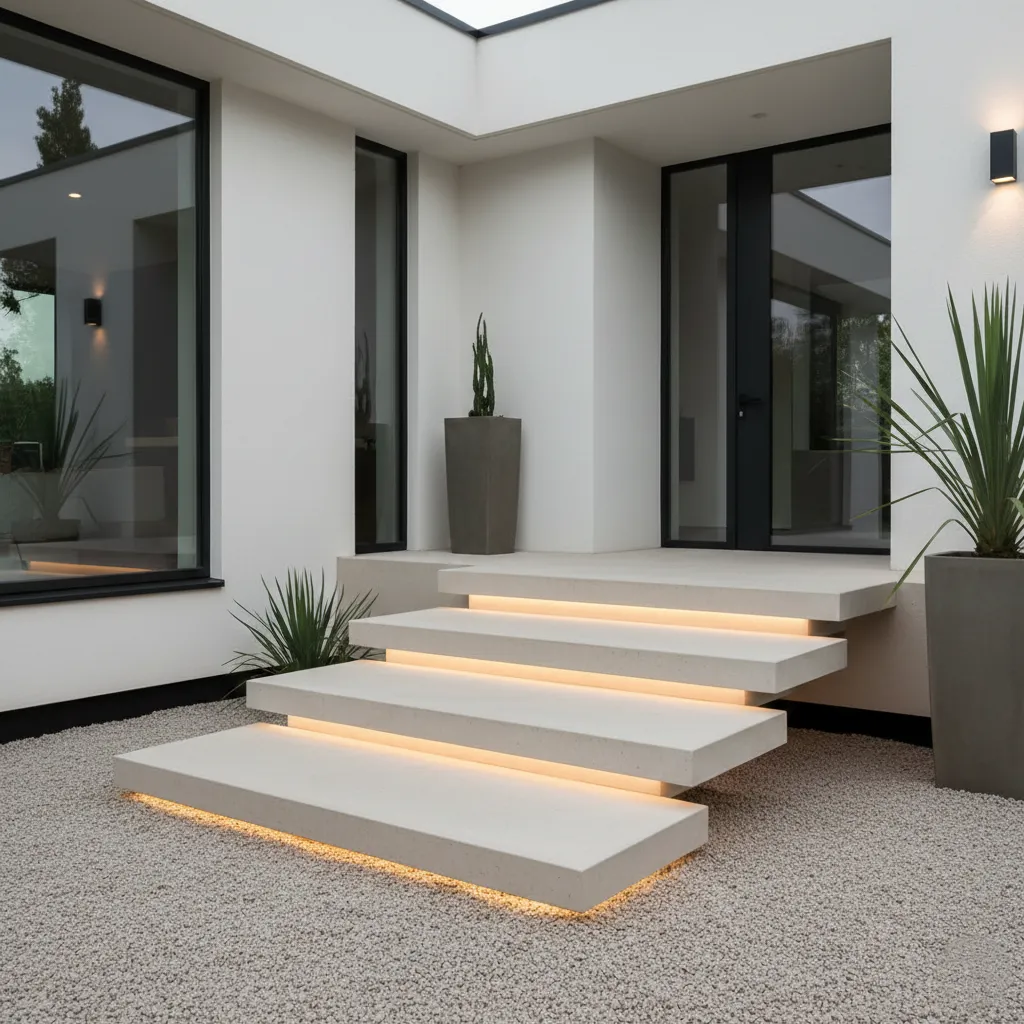
Floating steps appear to hover above the ground.
That illusion creates instant interest.

The open space between steps adds lightness.
It keeps entrances from feeling bulky.

Key Visual Benefits

  • Clean architectural lines

  • Modern and high-end appearance

  • Improved light and shadow play

  • Strong first impression

Floating steps feel thoughtful.
They show attention to detail.

When done right, they look timeless.
Not trendy or forced.

lightstari

Best Materials for Floating Outdoor Steps

Material choice defines the mood.
It also affects durability and safety.

Outdoor steps must handle weather and foot traffic.
Beauty alone is not enough.

Popular Material Options

  • Concrete for modern homes

  • Natural stone for organic designs

  • Wood for warmth and texture

  • Steel frames for structural strength

Stone and concrete last longer outdoors.
Wood adds charm but needs maintenance.

Choose materials that match your exterior.
Consistency matters.

simplestare

Floating Steps with Landscaping Integration

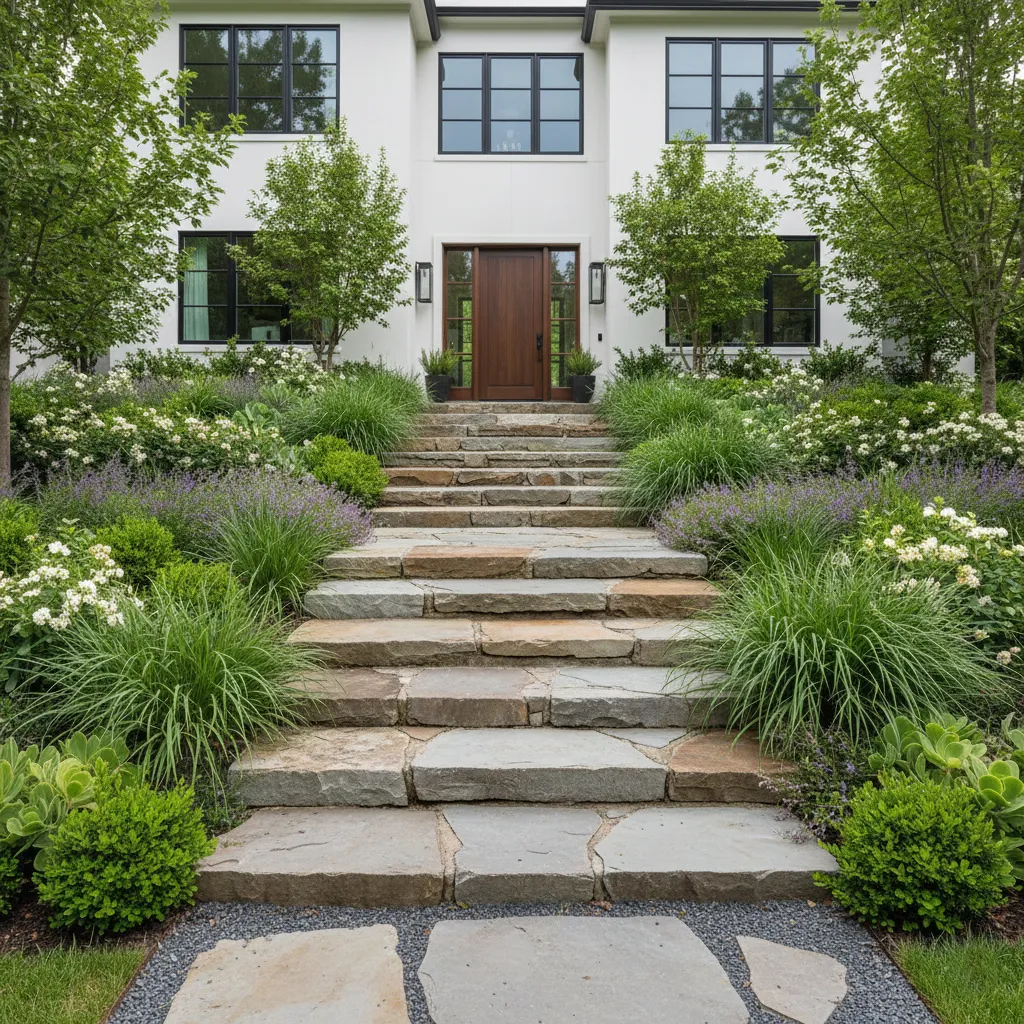
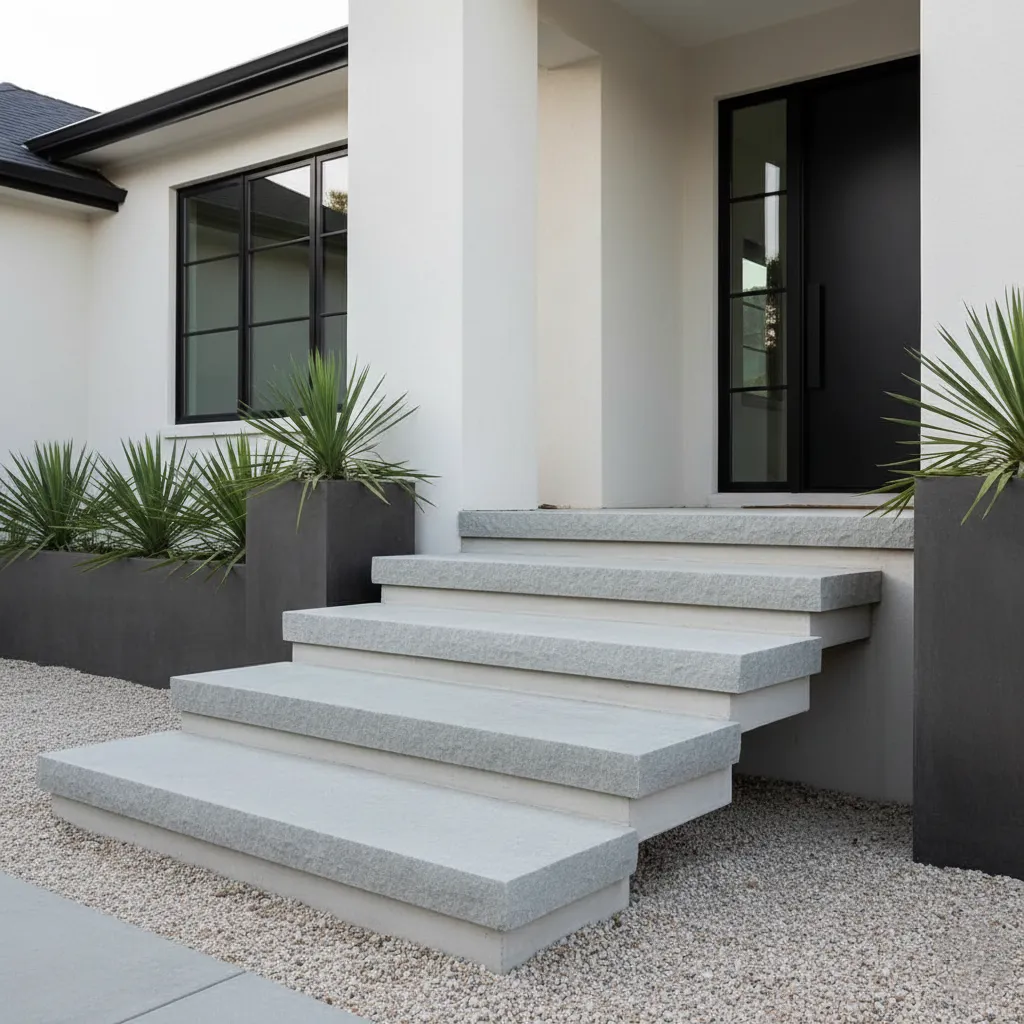
Floating steps look best when blended with nature.
Plants soften their edges.

This creates harmony between architecture and landscape.
The entrance feels welcoming, not harsh.

Landscaping Ideas Around Floating Steps

  • Gravel beds beneath steps

  • Low ornamental grasses

  • Ground cover plants

  • Accent boulders or stones

Leave negative space visible.
That enhances the floating effect.

Lighting hidden among plants adds drama.
Especially at night.


Flowersstar

Floating Step Designs for Sloped Entrances

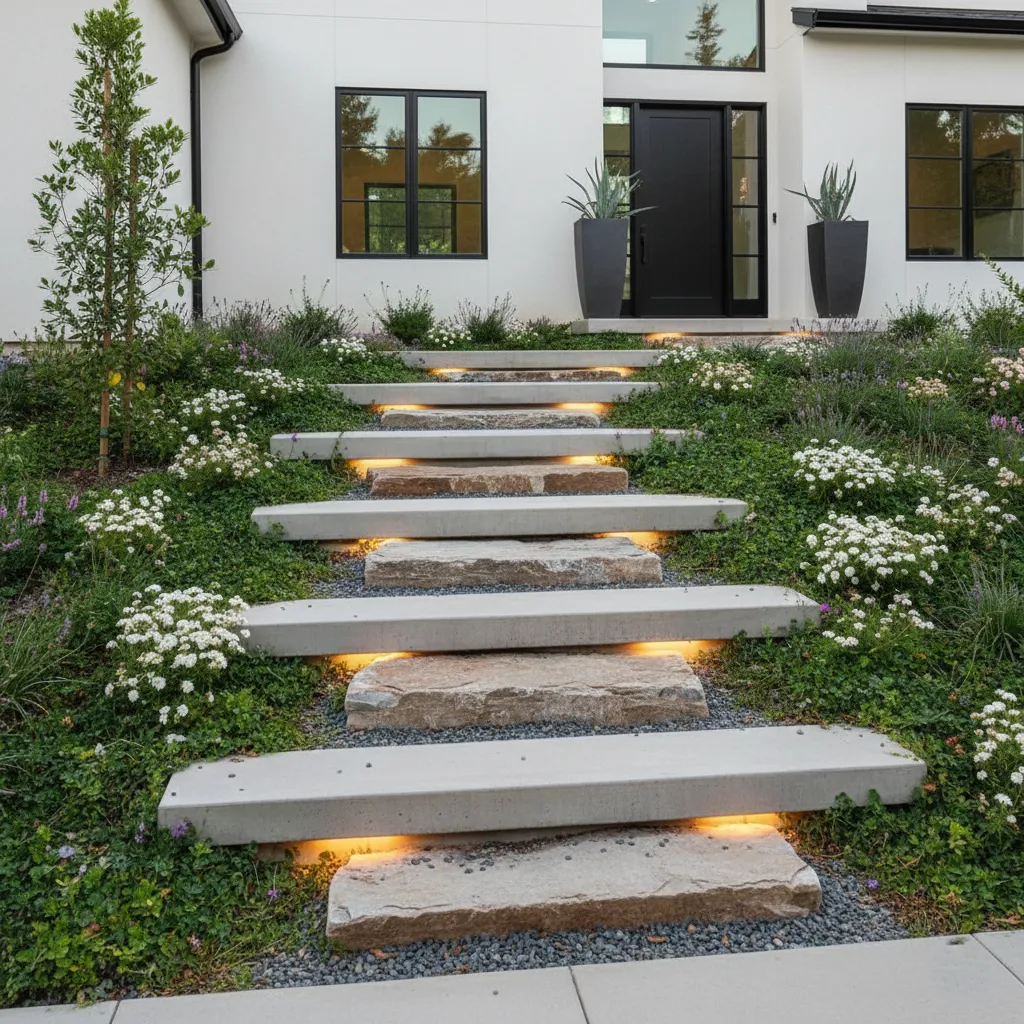
Sloped yards benefit the most from floating steps.
They solve elevation issues beautifully.

Instead of cutting into land, steps follow terrain.
This feels natural and efficient.

Smart Design Tips for Slopes

  • Vary step height gradually

  • Anchor steps securely into the slope

  • Use retaining elements discreetly

  • Add handrails only if needed

Floating steps on slopes feel intentional.
They turn a challenge into a feature.

They also improve drainage.
Water flows naturally beneath.

whitflower

Lighting Ideas to Enhance Floating Steps at Night

Lighting completes the design.
It adds safety and atmosphere.

Subtle lighting works best.
Avoid harsh or exposed fixtures.

Effective Lighting Options

  • LED strip lights under steps

  • Ground lights between treads

  • Side wall recessed lighting

  • Solar lights for eco-friendly setups

Soft lighting highlights shadows.
It strengthens the floating illusion.

At night, the entrance feels calm and premium.
Not overwhelming.

housestairs

Final Thoughts: Are Floating Steps Worth It for Outdoor Entrances?

Yes, without question.

Floating steps elevate both design and experience.
They feel modern yet timeless.

They work with landscaping, slopes, and lighting.
They also increase curb appeal instantly.

If you want an entrance that feels thoughtful and refined, floating steps are a powerful choice.
They make arriving home feel special every day.

21

Backyard Landscaping with Boulders: Natural Design That Feels Timeless

21

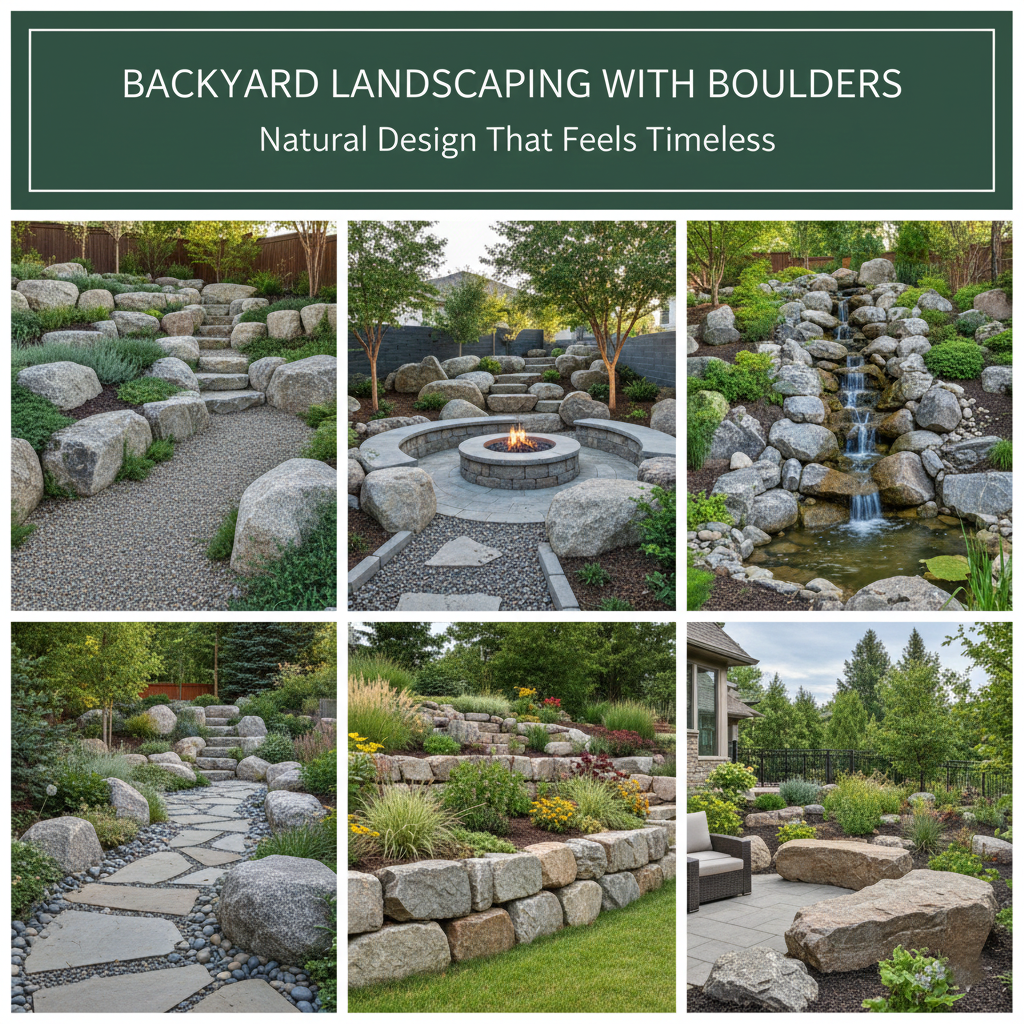
Natural Design That Feels Timeless

Boulders bring strength and calm to a backyard.
They feel permanent and grounding.

Unlike small stones, boulders create structure.
They shape the landscape instead of decorating it.

When placed with intention, boulders make outdoor spaces feel balanced and natural.

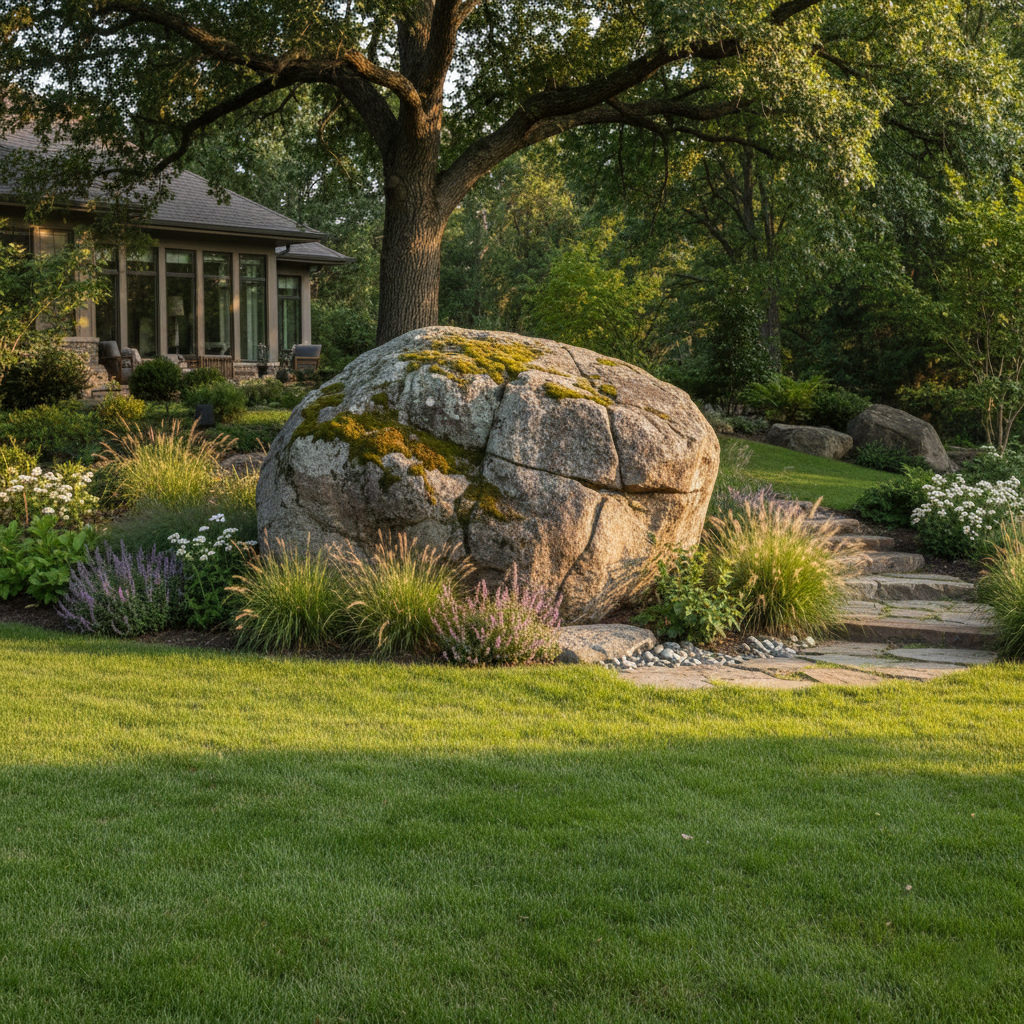
Using Boulders as Natural Focal Points

A single boulder can anchor an entire backyard design.
It draws attention without feeling forced.

Natural stone shapes feel organic.
They blend easily with plants and soil.

How to Style Boulders as Focal Features

  • Place near garden entrances

  • Center them in open lawn areas

  • Pair with ornamental grasses

  • Surround with low-growing plants

Avoid placing boulders randomly.
They should look settled, not dropped.

Partial burial helps.
It makes boulders feel rooted in the landscape.

rockeundertree

Backyard Pathways and Edging with Boulders

Boulders work beautifully along paths.
They guide movement naturally.
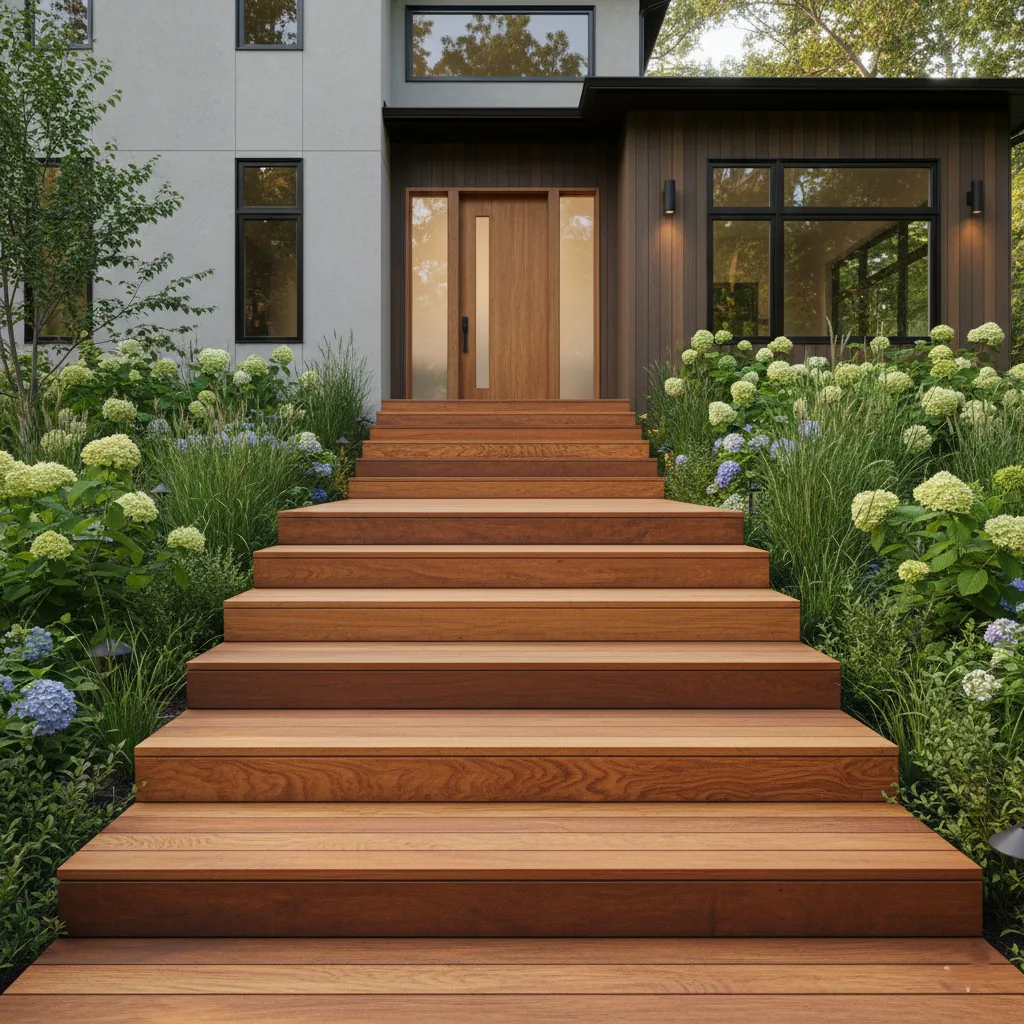
Using boulders as edging adds texture and depth.
It feels stronger than traditional borders.

Creative Pathway Ideas with Boulders

  • Stepping stone paths framed by boulders

  • Gravel walkways with boulder accents

  • Curved garden paths lined with stone

Choose stones with similar color tones.
This keeps the design cohesive.

Paths with boulders feel intentional.
They also improve durability.

walkstreet

Boulders for Sloped and Uneven Backyards

Uneven yards are perfect for boulder landscaping.
They solve problems while adding beauty.

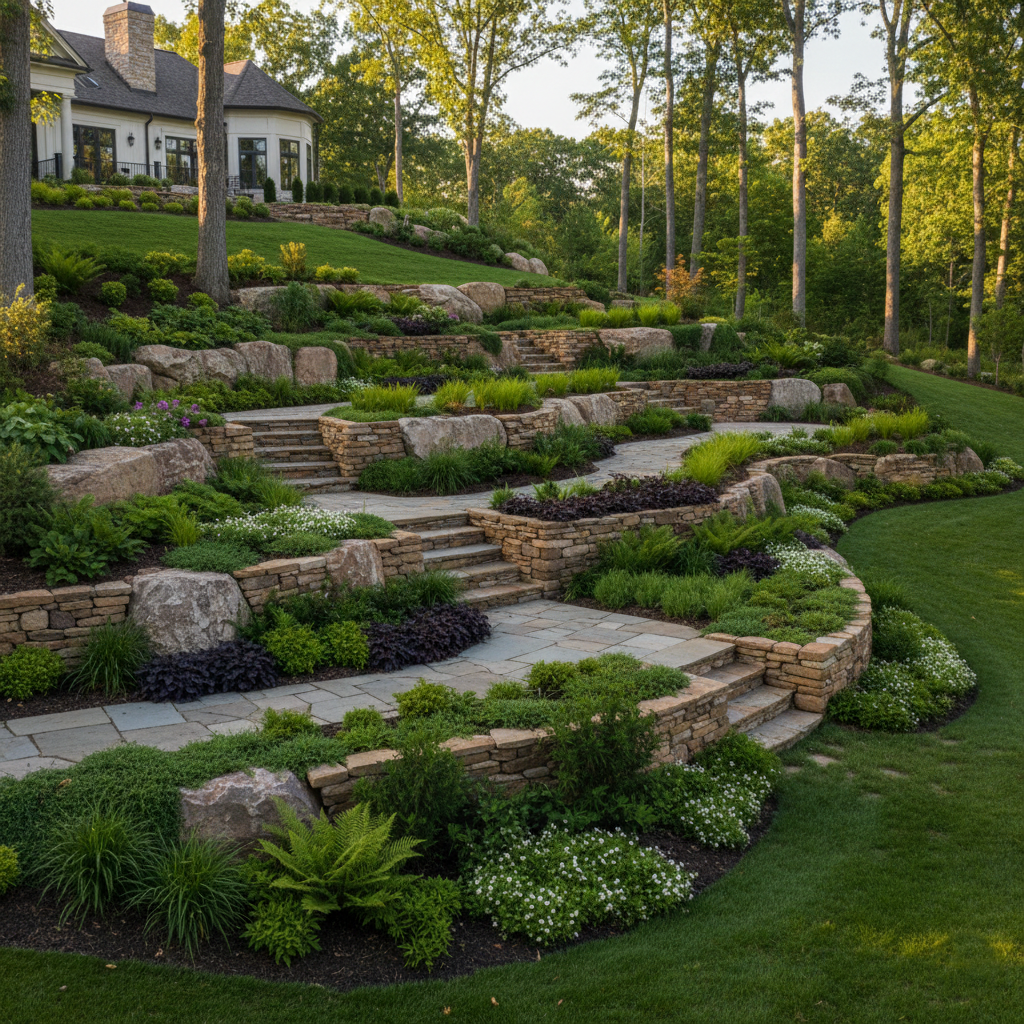
Boulders help manage erosion.
They also create natural levels.

Smart Boulder Solutions for Slopes

  • Terraced planting areas

  • Natural retaining walls

  • Stone steps built into slopes

  • Water flow control with rock placement

Larger stones belong at the base.
This provides stability and safety.

Sloped boulder landscapes feel dramatic.
They turn challenges into features.

streetofhouse

Combining Boulders with Plants for a Natural Look

Plants soften the strength of stone.
Together, they create balance.

Choose plants that look natural around rock.
Avoid overly formal varieties.

Best Plants to Pair with Boulders

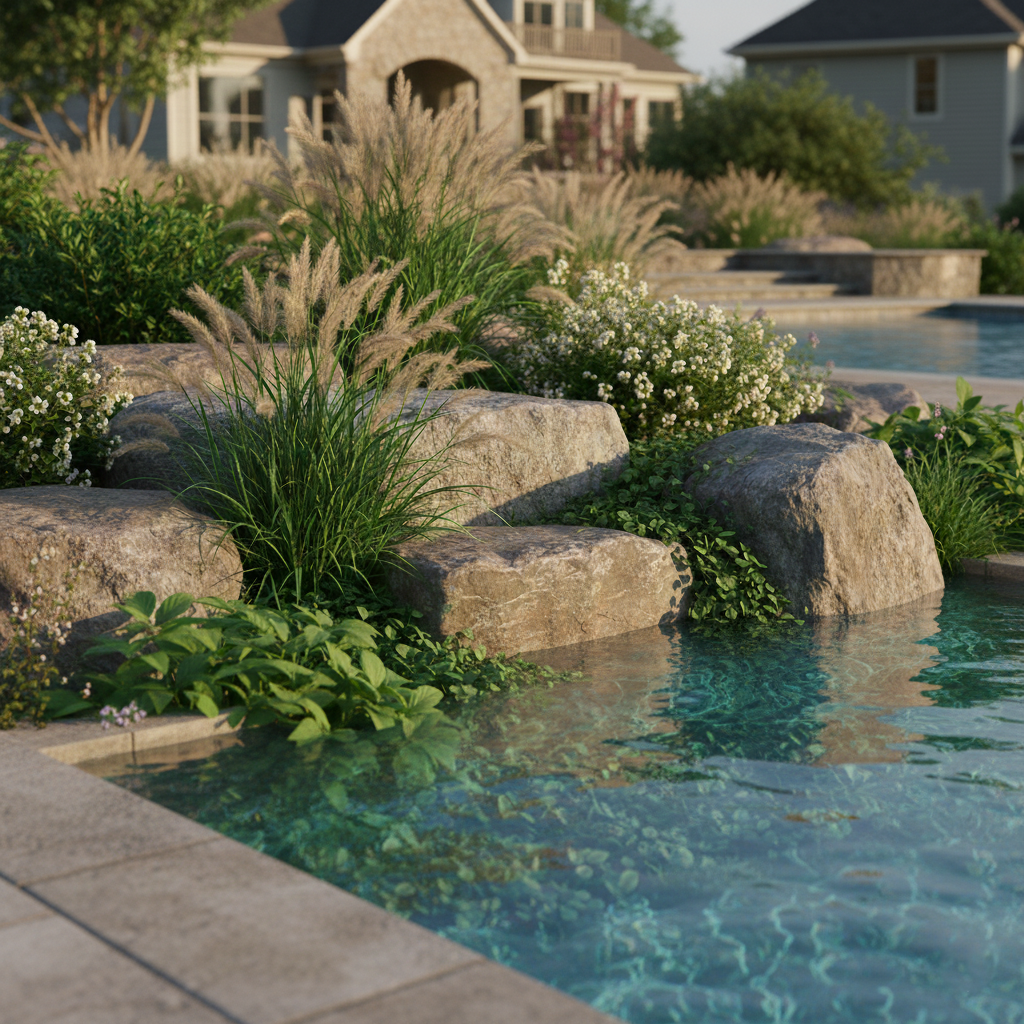
  • Ornamental grasses

  • Ferns

  • Succulents

  • Ground covers

  • Native shrubs

Plant in clusters.
This mimics how nature grows.

Allow space between plants and rocks.
Crowding feels unnatural.

poolinfront

Low-Maintenance Backyard Designs Using Boulders

Boulders reduce the need for constant upkeep.
They never need watering or trimming.

When combined with the right materials, maintenance stays minimal.
That makes them ideal for busy homeowners.

Low-Maintenance Design Ideas

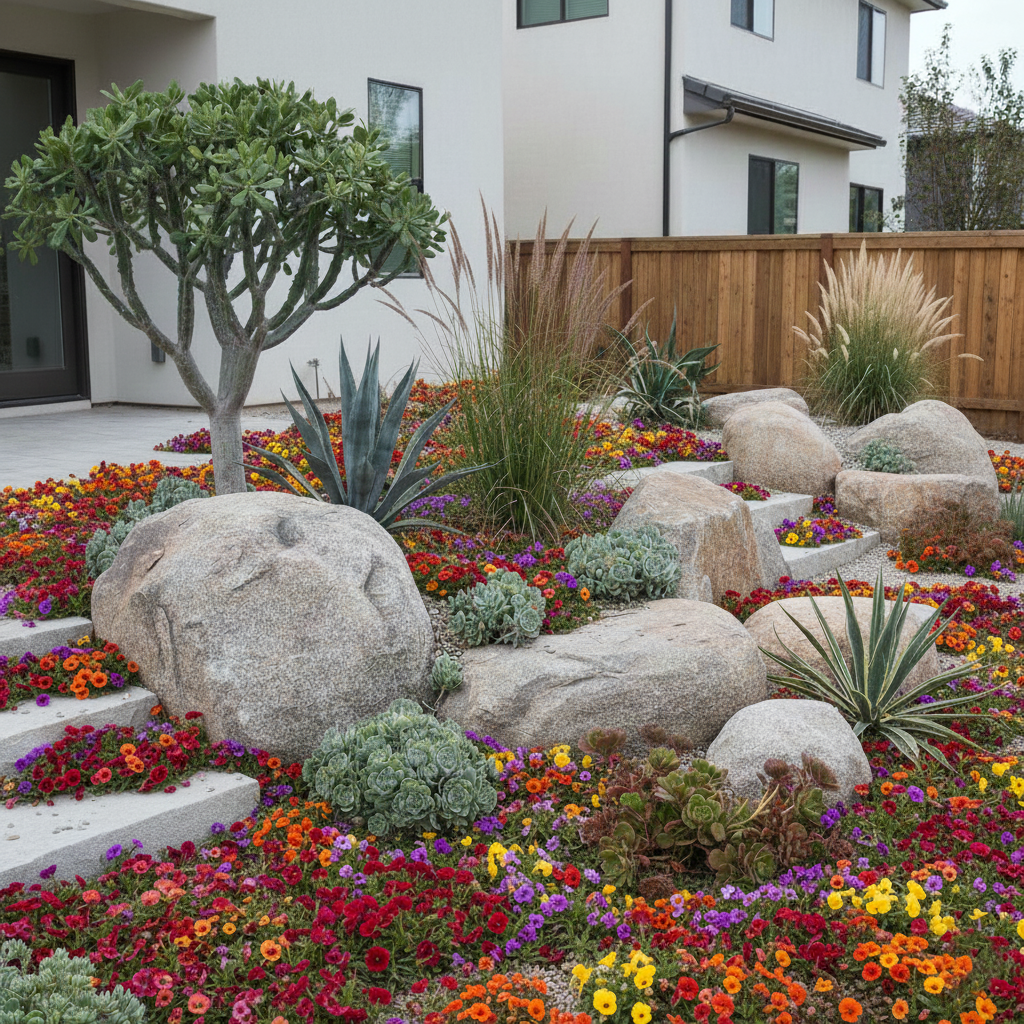
  • Boulders with gravel ground cover

  • Drought-tolerant plants

  • Minimal lawn areas

  • Native plant groupings

This approach works well in dry climates.
It also suits modern outdoor spaces.

Once installed, boulder landscapes age beautifully.
They improve over time.

added flower

Final Thoughts: Is Backyard Landscaping with Boulders Worth It?

Yes, absolutely.

Boulders add permanence and strength.
They ground the landscape emotionally and visually.

They solve practical problems like slopes and erosion.
They also create calm, natural beauty.

With thoughtful placement and plant pairing, boulders transform backyards into timeless outdoor spaces.
They do not follow trends.
They feel lasting

20

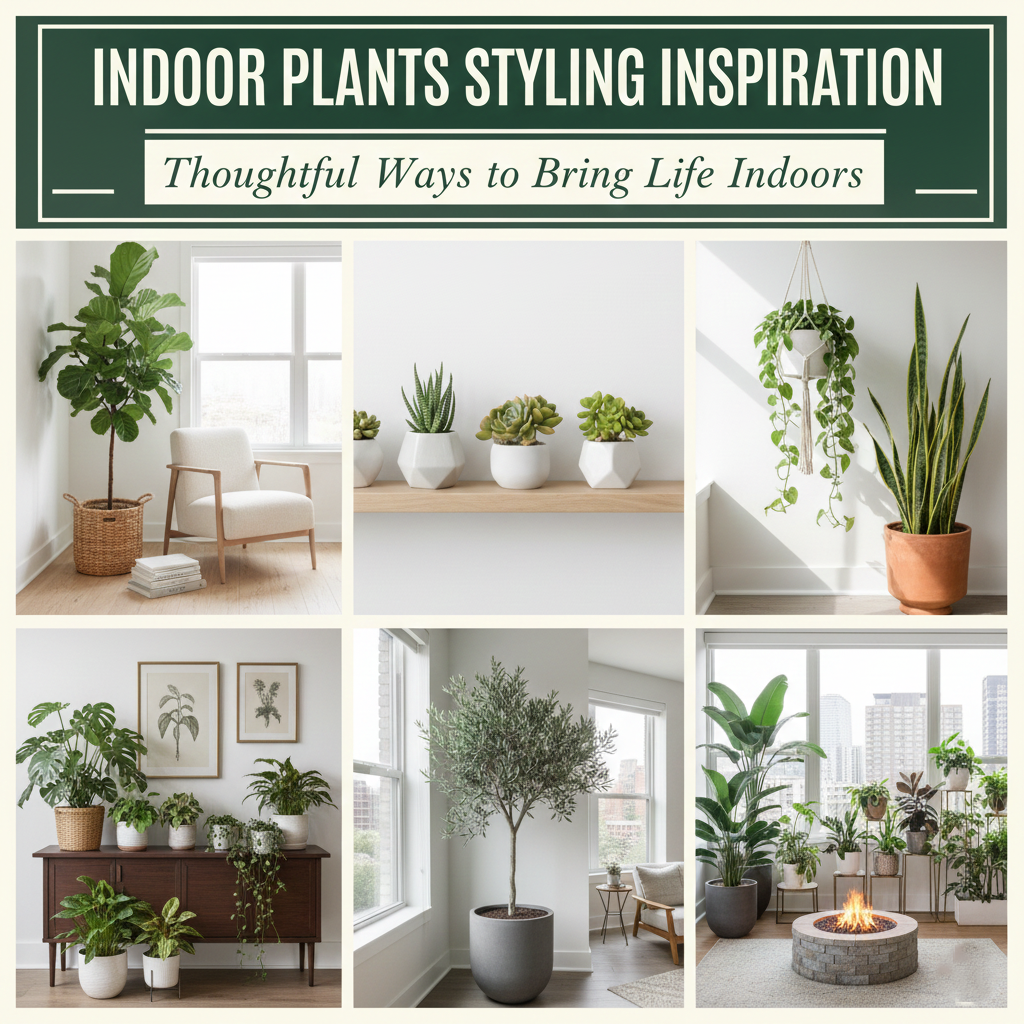
Indoor Plants Styling Inspiration: Thoughtful Ways to Bring Life Indoors

20

Thoughtful Ways to Bring Life Indoors

Indoor plants change how a space feels.
They soften hard lines and quiet busy rooms.

Styling plants is not about perfection.
It is about balance, light, and intention.

With the right placement, plants become part of the design.
They add warmth without clutter.

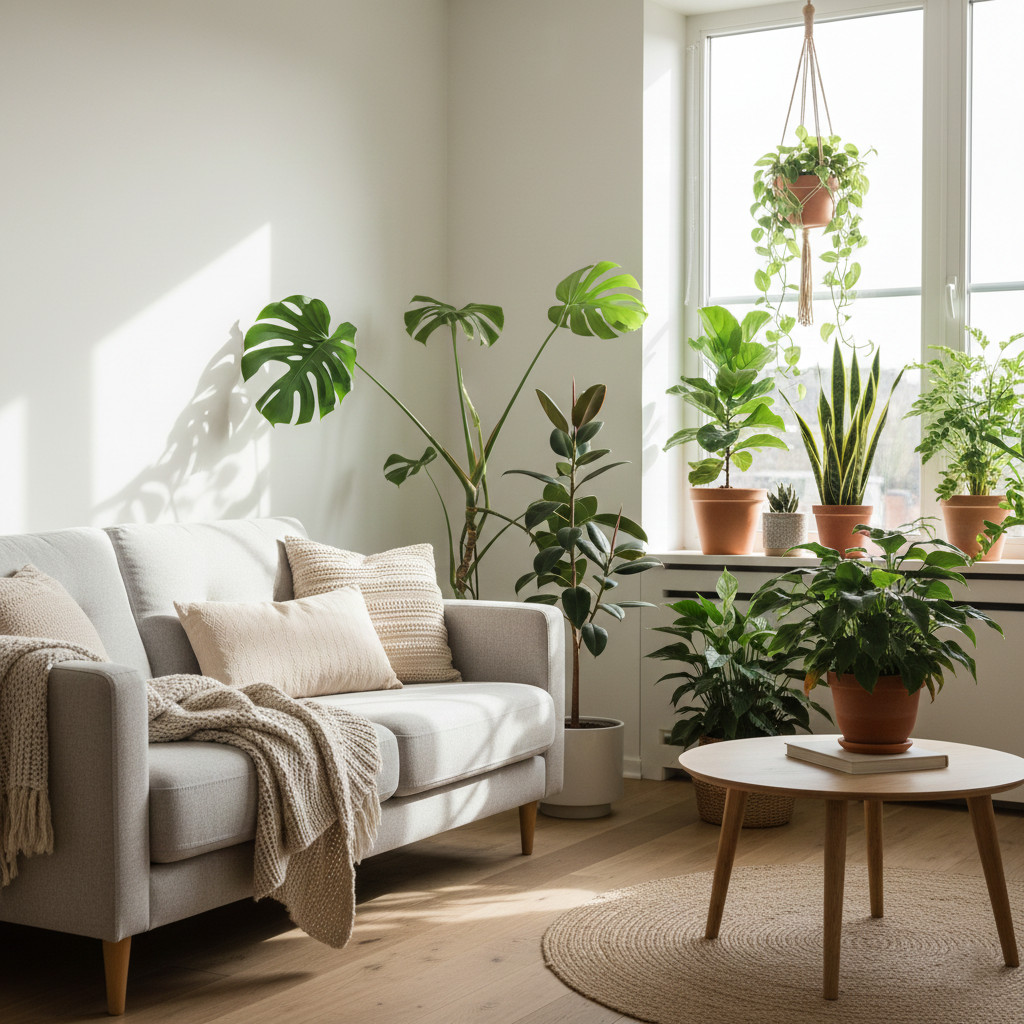
Styling Indoor Plants by Natural Light Zones

Light should guide every plant decision.
It determines success and longevity.

Matching plants to light makes styling effortless.
Healthy plants always look better.

Plant Styling by Light Level

  • Bright light: fiddle leaf fig, monstera

  • Medium light: pothos, rubber plant

  • Low light: snake plant, ZZ plant

Place plants near windows, not pressed against glass.
Rotate them monthly for even growth.

Good light placement feels natural.
It keeps spaces calm and balanced.

sofawithplants

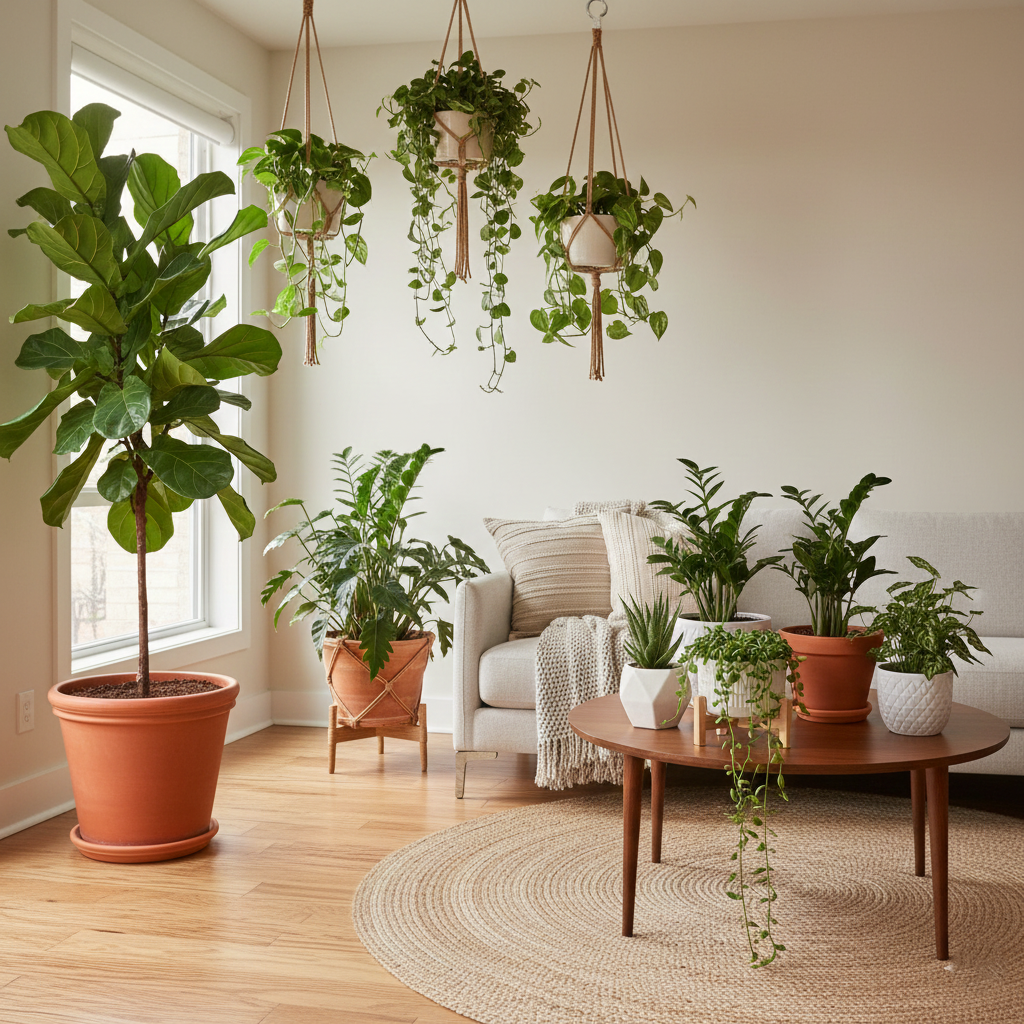
Creating Visual Balance with Plant Height and Scale

Height creates movement.
It keeps plant styling from feeling flat.

Mixing tall, medium, and low plants feels intentional.
It mirrors how plants grow outdoors.

Easy Height Styling Ideas

  • Floor plants in corners

  • Tabletop plants on surfaces

  • Hanging plants near ceilings

  • Plant stands for variation

Avoid lining plants at the same height.
That feels stiff and unnatural.

Balanced height makes rooms feel alive.
It also improves flow.

hangingplents

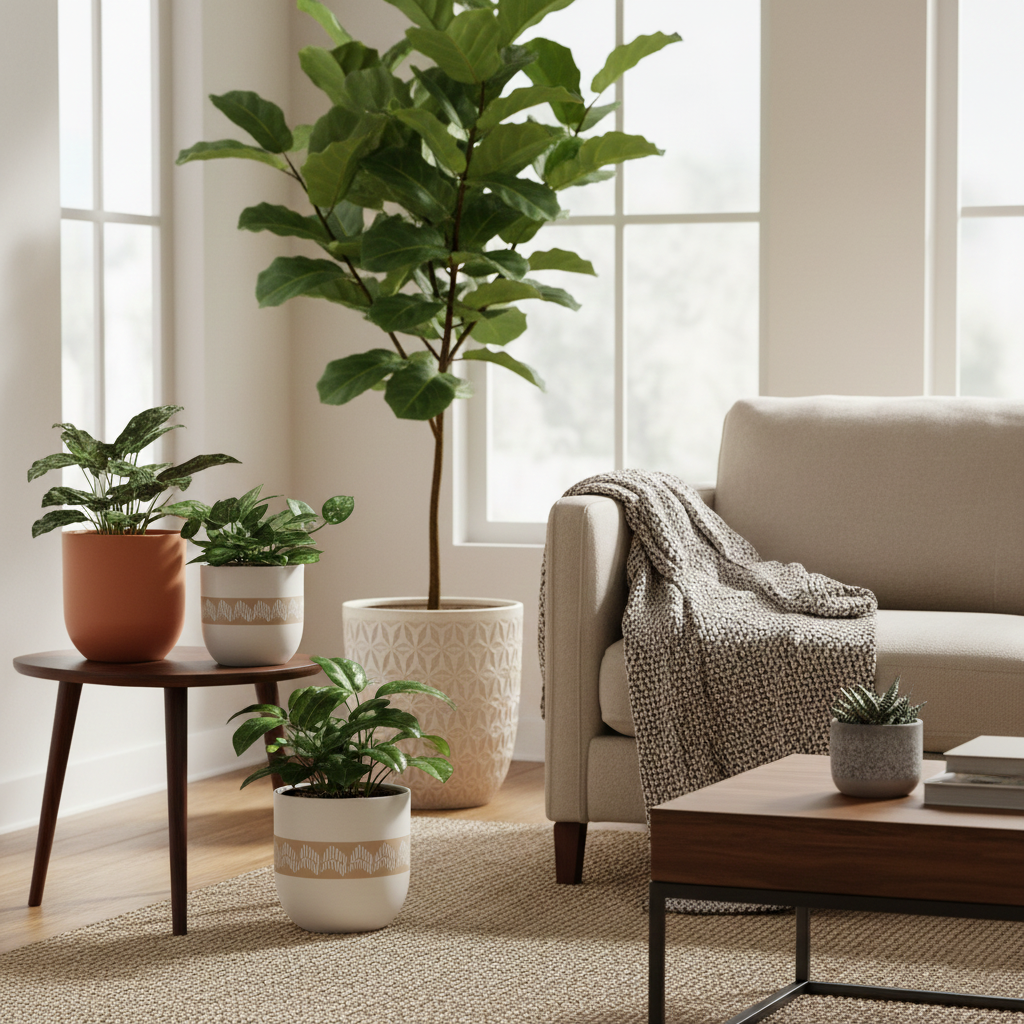
Choosing Pots That Complement Your Interior Style

Pots matter as much as plants.
They shape the overall look.

The right pot enhances both plant and room.
The wrong one distracts.

Pot Styling by Interior Style

  • Minimalist: matte ceramic, neutral tones

  • Bohemian: textured clay, woven baskets

  • Modern: concrete, stone, metal

  • Cottage: glazed ceramics, soft colors

Keep a consistent color palette.
This prevents visual clutter.

Let texture do the talking.
It adds depth without noise.

3rdpents

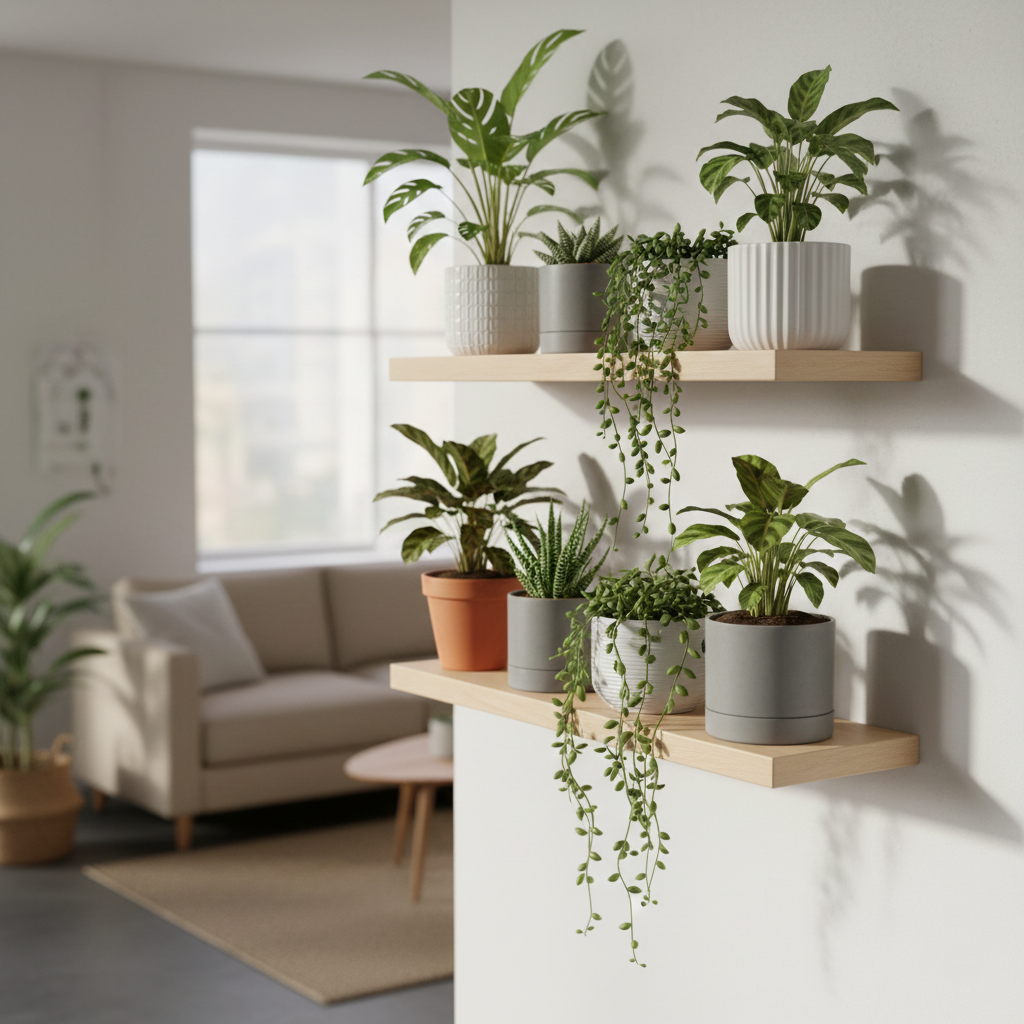
Styling Plants in Groups for a Curated Look

Grouping plants creates impact.
It feels thoughtful and styled.

Odd-number groupings look more natural.
They avoid symmetry.

How to Style Plant Groups

  • Mix leaf shapes

  • Vary pot sizes

  • Keep one color theme

  • Leave breathing space

Group plants on consoles, shelves, or windowsills.
Avoid crowding surfaces.

Grouped plants feel collected.
They add personality to a space.

Sideplents

Using Plants to Define Spaces and Create Calm

Plants can guide movement.
They define areas without walls.

This works well in open layouts.
Plants soften transitions between zones.

Ways Plants Define Indoor Spaces

  • Large plant between living and dining areas

  • Plants framing reading corners

  • Greenery softening workspaces

  • Plants anchoring entryways

Plants create gentle boundaries.
They also reduce visual stress.

Styled well, they bring calm.
They help homes feel grounded.

roomplents

Final Thoughts: Why Indoor Plant Styling Inspiration Matters

Indoor plants are more than decoration.
They shape how a home feels.

Thoughtful styling brings harmony.
It connects rooms with nature.

You do not need many plants.
You need the right placement.

When plants feel intentional, spaces feel calm and alive.
That is the power of good plant styling.

19

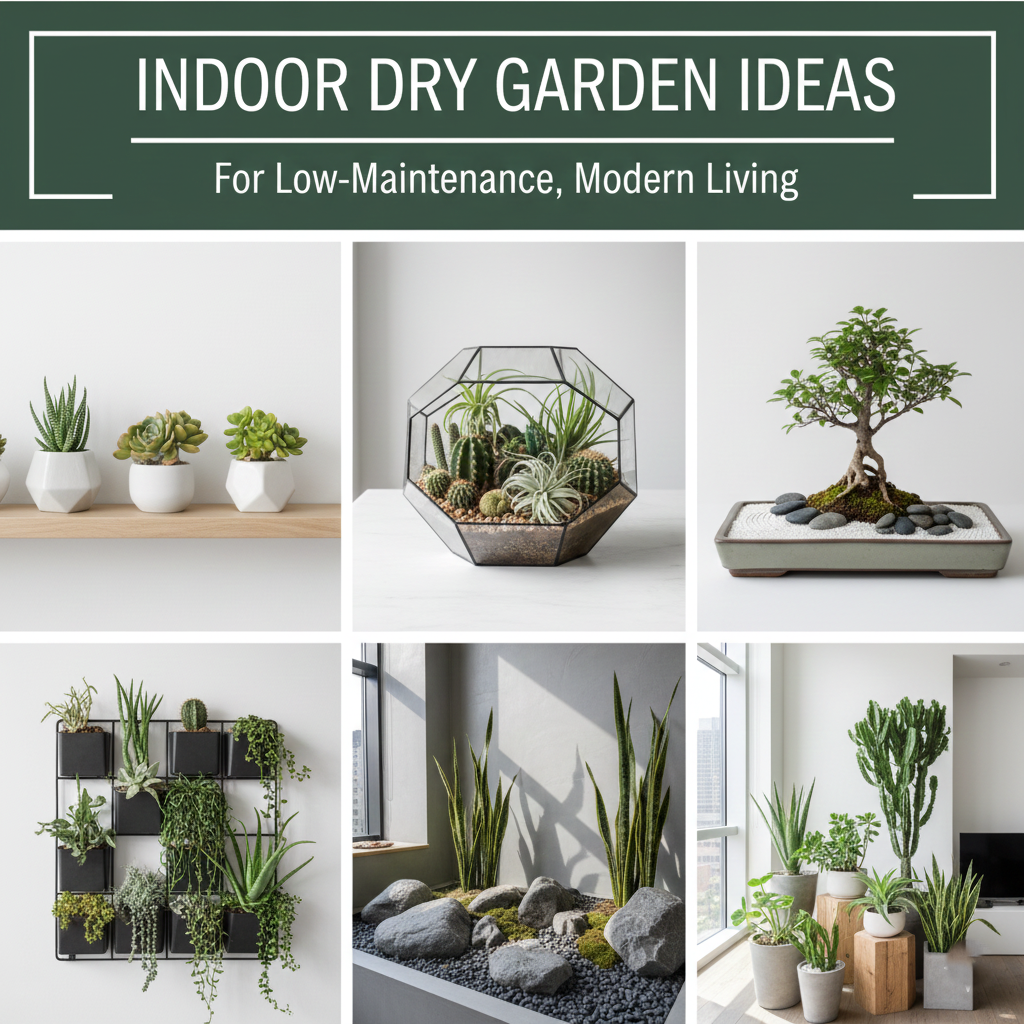
Indoor Dry Garden Ideas for Low-Maintenance, Modern Living

19

Indoor Dry Garden Ideas for Low-Maintenance, Modern Living

Indoor dry gardens are perfect for busy lives.
They bring nature indoors without daily care.

These gardens focus on drought-tolerant plants and natural textures.
They feel clean, modern, and calming.

Dry gardens work well in apartments, offices, and low-light homes.
They also support sustainable living.

What Is an Indoor Dry Garden and Why It Works

An indoor dry garden uses plants that need little water.
It avoids heavy soil and constant maintenance.

This style suits modern interiors.
It also fits minimalist and Scandinavian homes.

Benefits of Indoor Dry Gardens

  • Very low watering needs

  • Clean and clutter-free look

  • Ideal for warm indoor environments

  • Long-lasting plant health

Dry gardens reduce stress.
They remove the fear of plant failure.

They are practical and beautiful.
A rare combination.

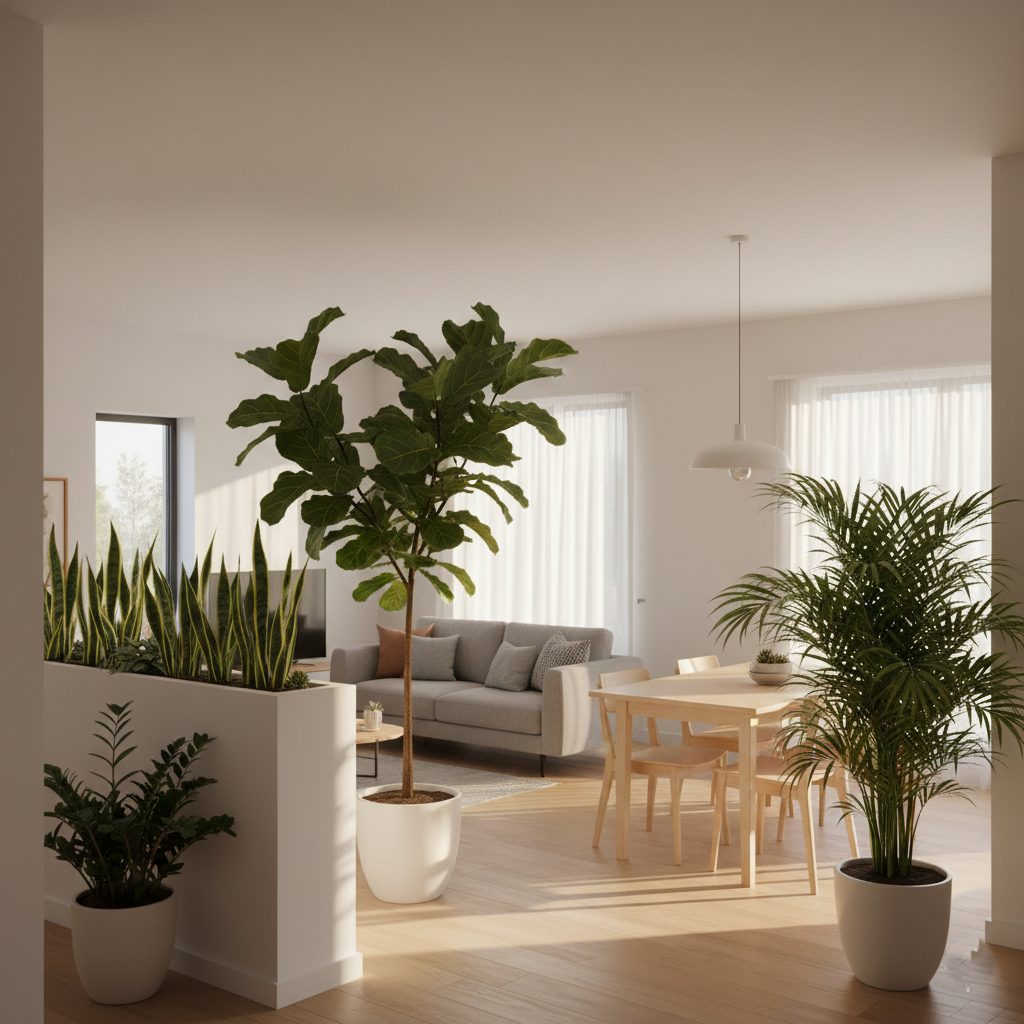
1st

Best Plants for Indoor Dry Garden Styling

Hardscape replaces heavy soil.
It creates structure and calm.

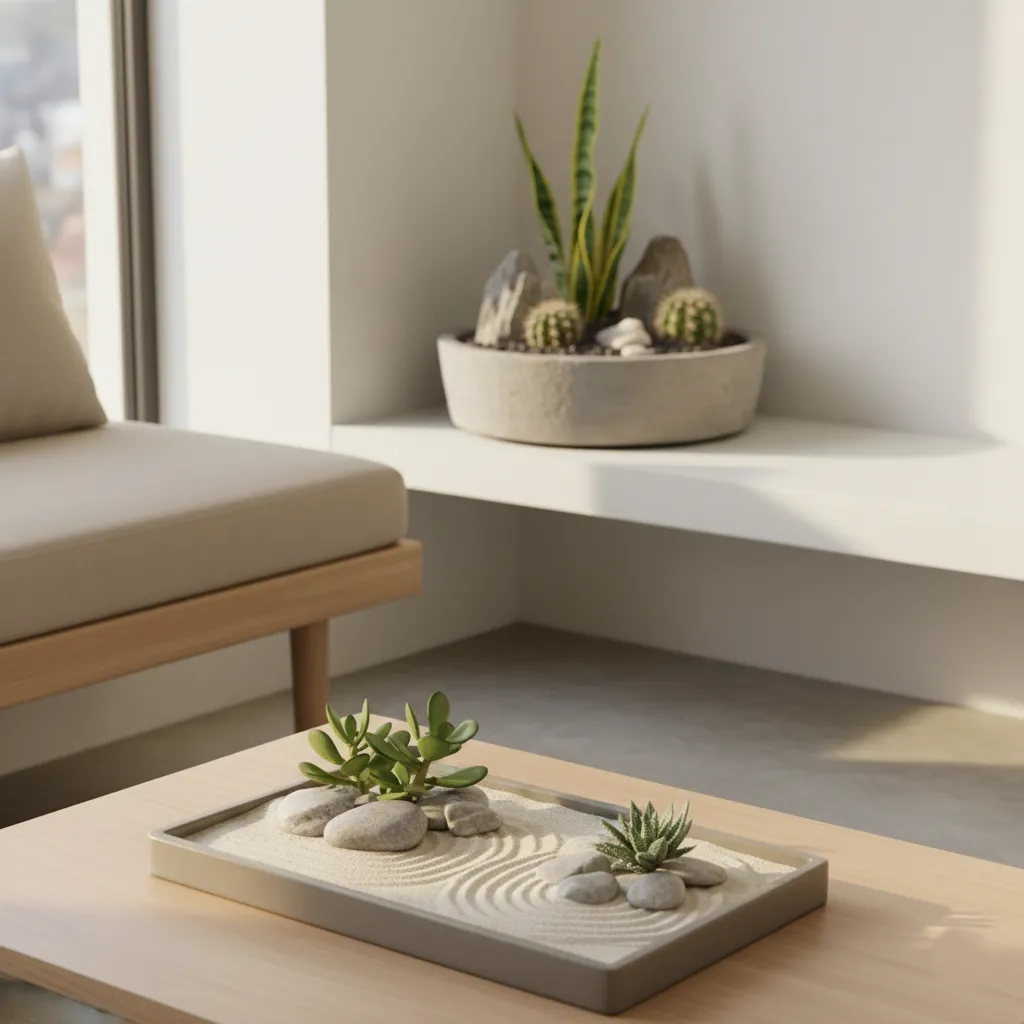
Sand and gravel improve drainage.
They also add texture.

Dry Garden Base Ideas

  • White or beige sand for brightness

  • Fine gravel for clean lines

  • Natural stones for grounding

  • Pebble layers in glass containers

Keep colors neutral.
This enhances the serene look.

Hardscape makes the garden feel intentional.
Not improvised.

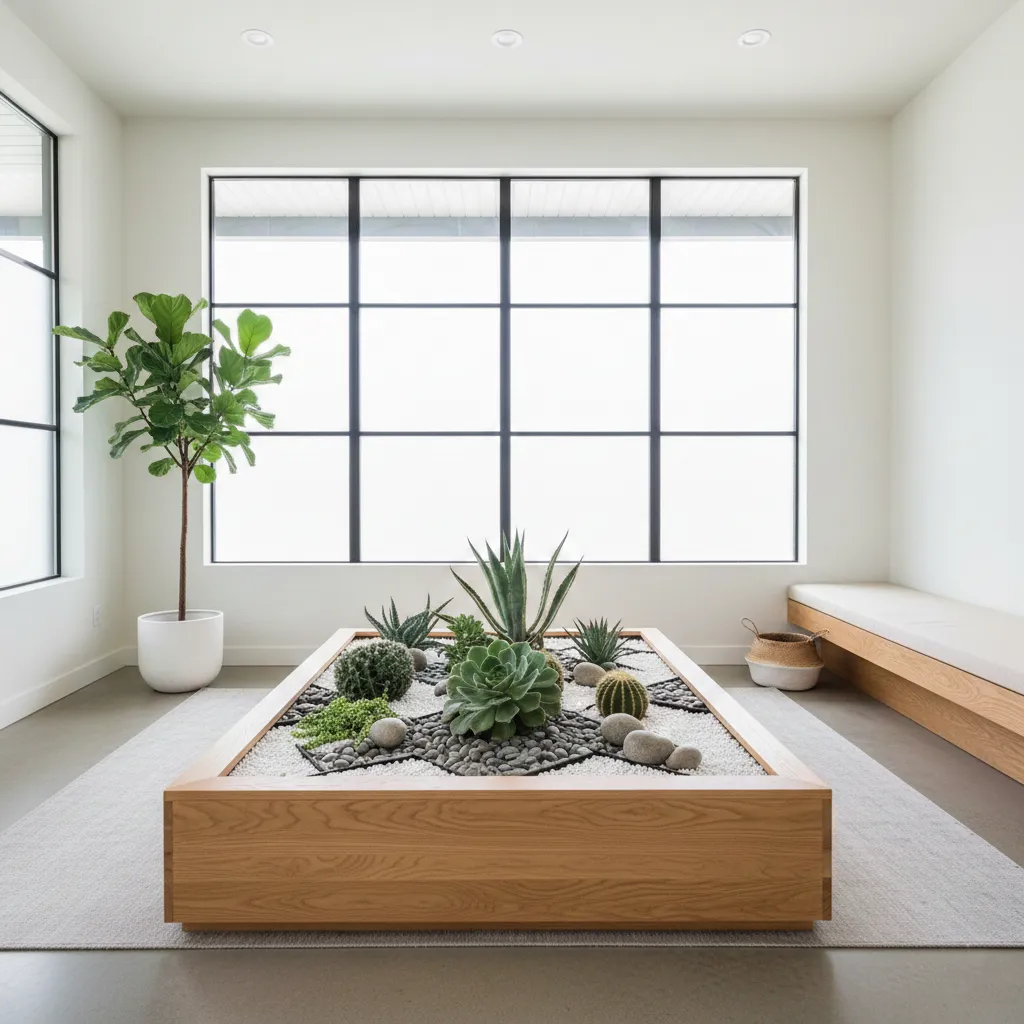
2nd image

Using Sand, Gravel, and Stone for Dry Garden Design

Plant choice defines success.
Dry gardens rely on hardy species.

These plants store water naturally.
They thrive with little attention.

Top Plants for Indoor Dry Gardens

  • Succulents like echeveria and haworthia

  • Cactus varieties

  • Snake plant

  • Aloe vera

  • ZZ plant

Choose plants with similar needs.
This keeps care simple.

Healthy plants always look styled.
Maintenance becomes effortless.

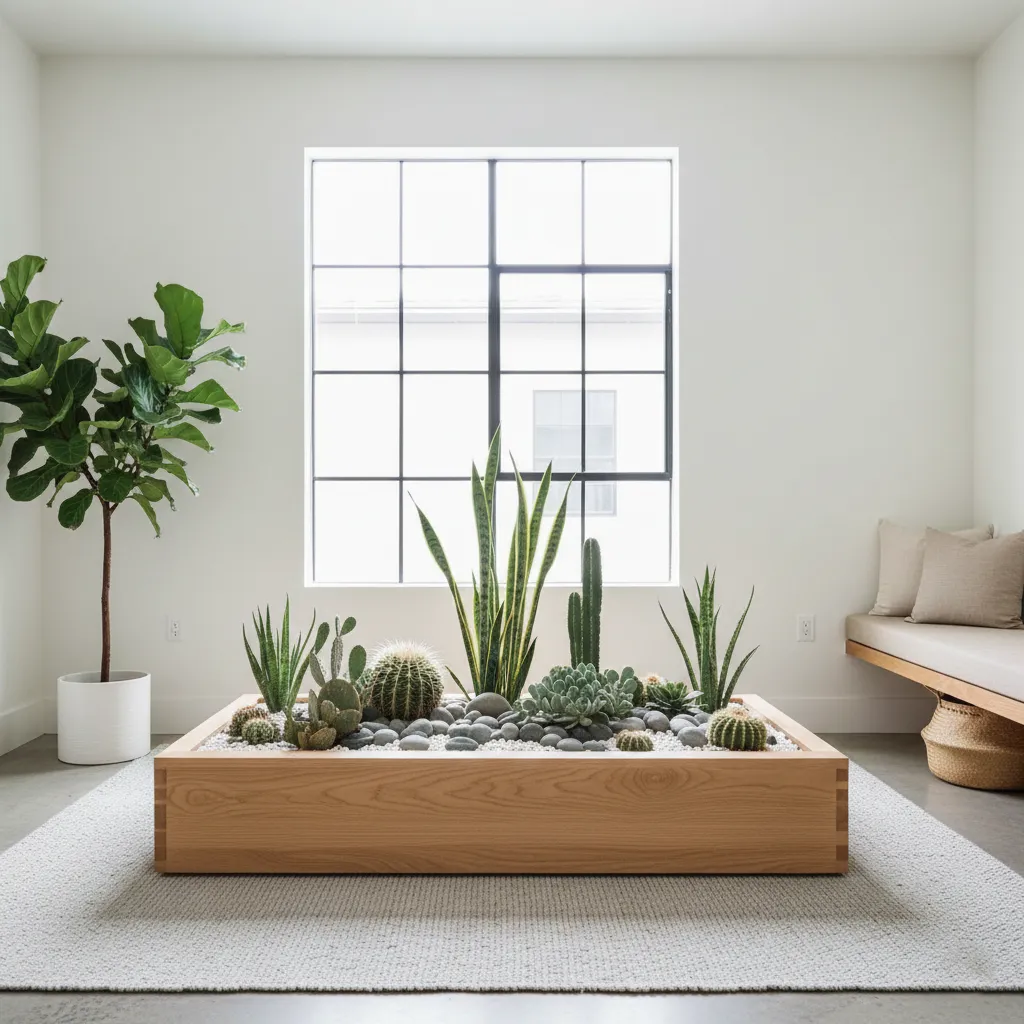
3rd image

Indoor Dry Garden Layout Ideas for Small Spaces

Dry gardens are ideal for small homes.
They take little room.

Vertical and contained layouts work best.
They stay tidy and controlled.

Small-Space Dry Garden Ideas

  • Tabletop tray gardens

  • Corner floor arrangements

  • Window sill cactus displays

  • Glass bowl dry gardens

  • Wall-mounted planters

Avoid overcrowding.
Space creates calm.

Even one dry garden feature makes impact.
Small does not mean boring.

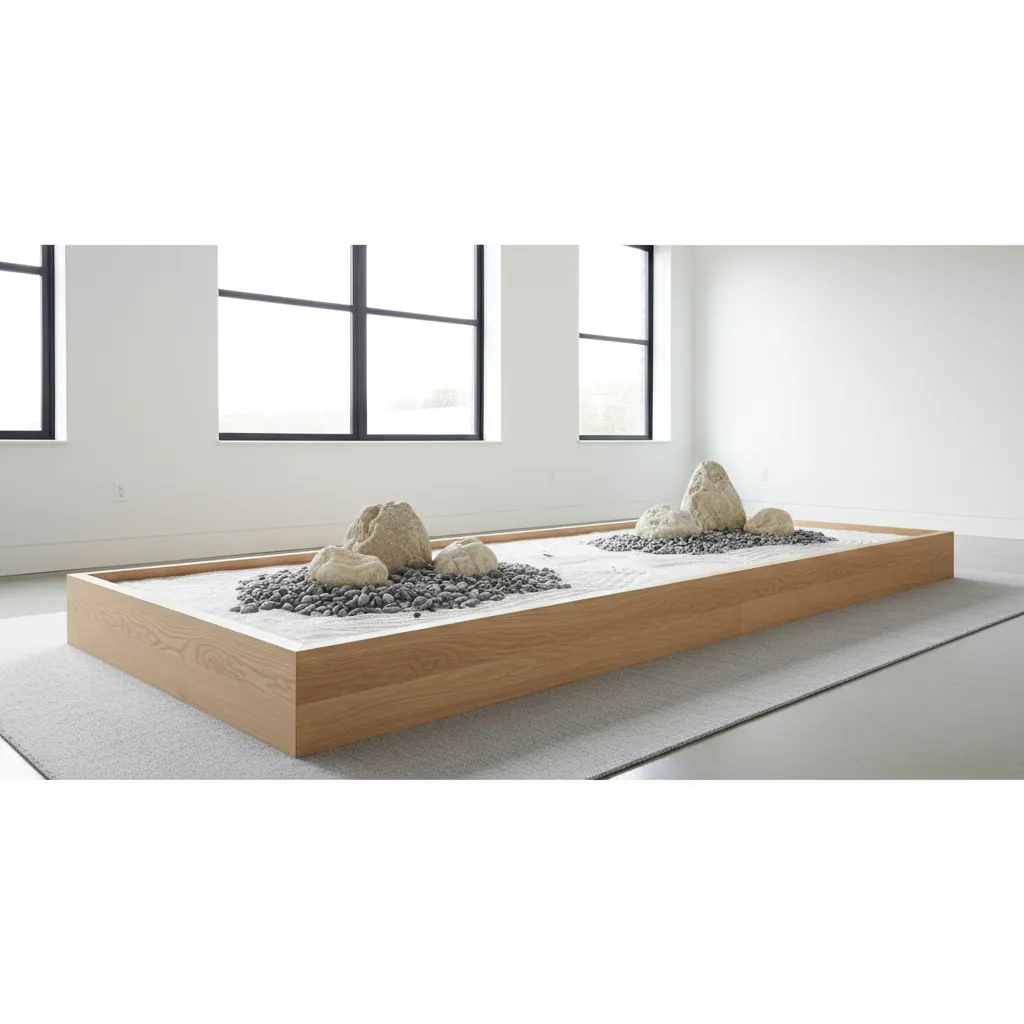
4th

Styling and Lighting Tips for Indoor Dry Gardens

Styling completes the experience.
Lighting brings life.

Dry gardens prefer bright, indirect light.
Direct sun can stress some plants.

Styling Tips That Work

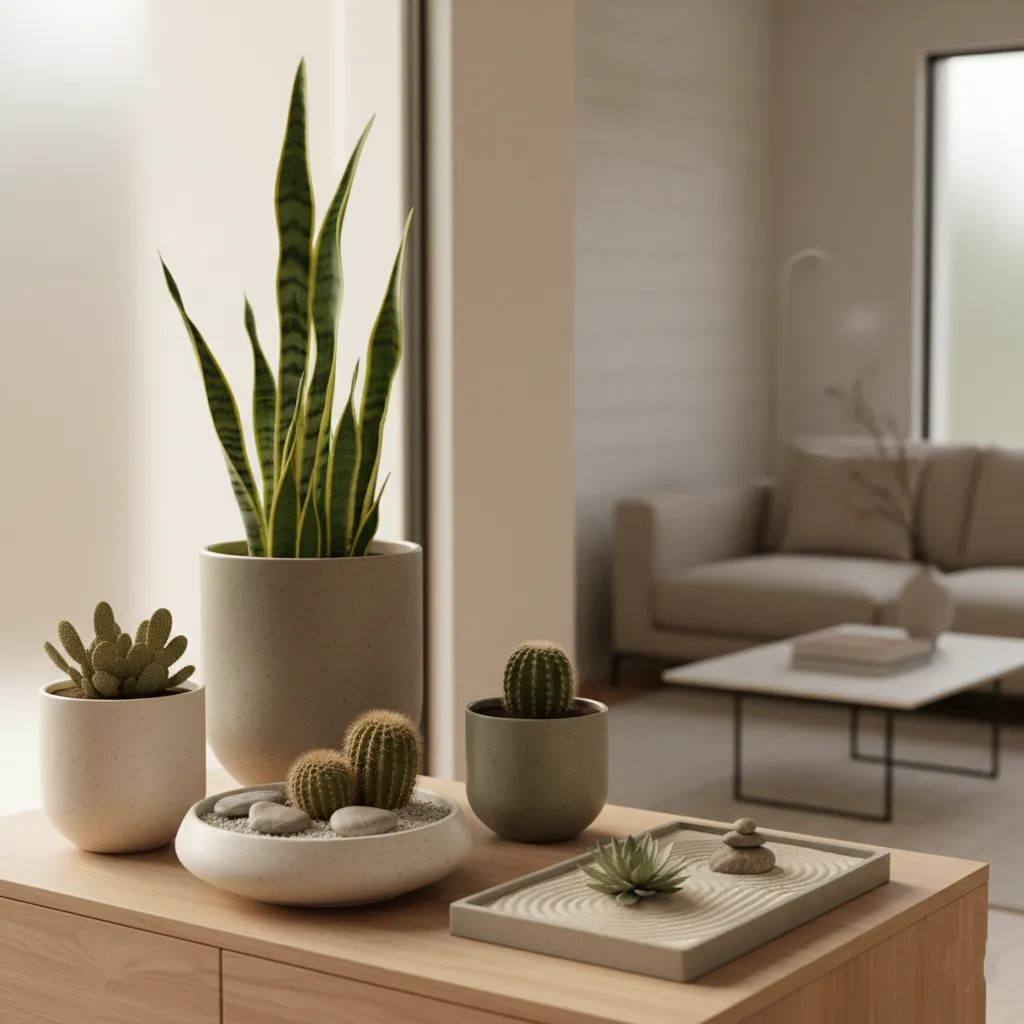
  • Use ceramic or concrete planters

  • Stick to one color palette

  • Add subtle accent stones

  • Place near natural light

Avoid decorative clutter.
Let the plants breathe.

Soft lighting enhances textures.
The garden feels peaceful.

5th

Final Thoughts: Why Indoor Dry Gardens Are Worth Creating

Indoor dry gardens combine beauty and ease.
They fit modern lifestyles perfectly.

They reduce maintenance stress.
They still offer a strong connection to nature.

With the right plants and materials, a dry garden becomes a quiet focal point.
Simple, sustainable, and deeply calming.

18

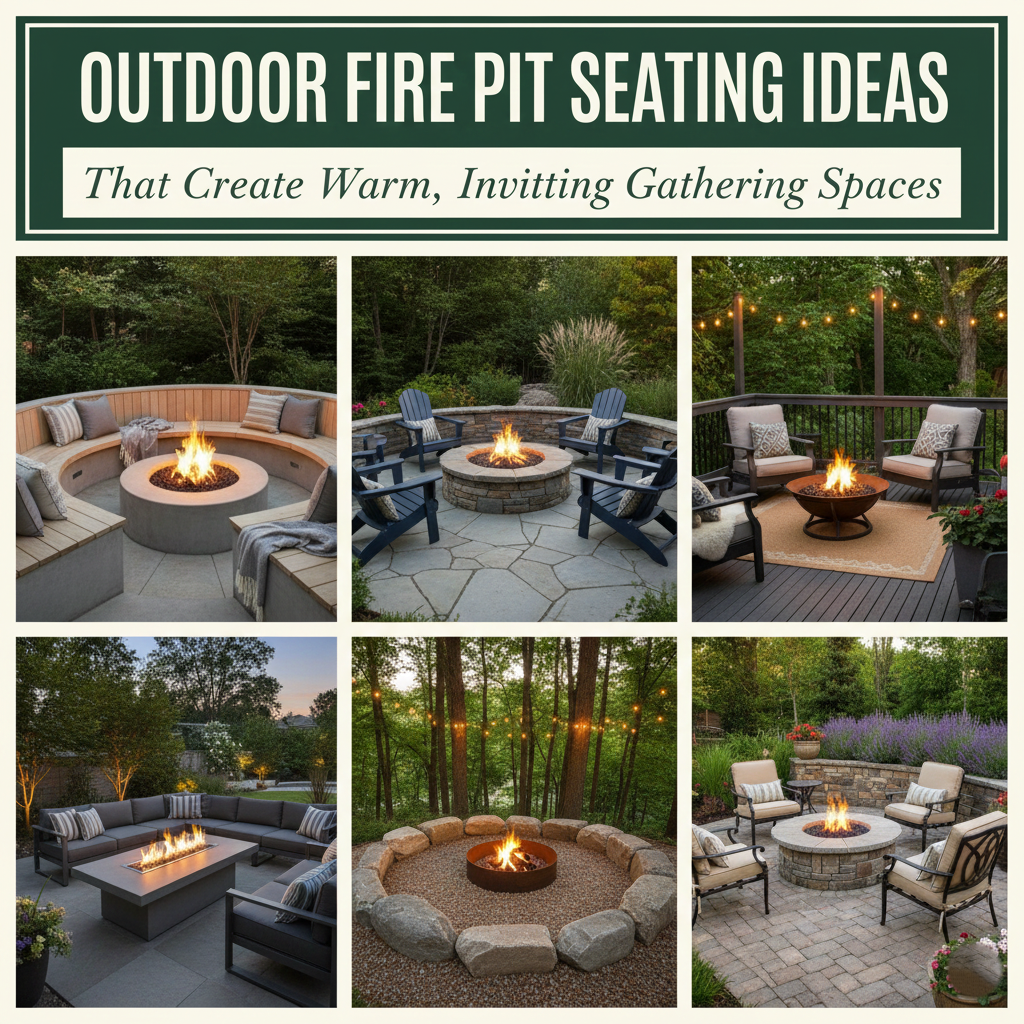
Outdoor Fire Pit Seating Ideas That Create Warm, Inviting Gathering Spaces

18

Outdoor Fire Pit Seating Ideas That Create Warm, Inviting Gathering Spaces

A fire pit naturally brings people together.
It creates warmth, comfort, and connection.

The right seating makes that experience complete.
It turns a simple fire feature into a true outdoor living space.

Whether your yard is large or compact, smart seating choices matter.

Built-In Seating Around Fire Pits for a Seamless Look

Built-in seating feels intentional and timeless.
It blends beautifully with patios and landscapes.

This option works well for families and frequent gatherings.
It also saves space.

Popular Built-In Seating Options

  • Stone or concrete benches

  • Curved retaining wall seating

  • Brick seating with cushions

  • Raised planter walls used as seats

Add weather-resistant cushions for comfort.
Soft textures balance hard materials.

Built-in seating stays sturdy year-round.
It also increases property value.

firesitting

Cozy Lounge Seating for Relaxed Fire Pit Evenings

Lounge seating creates a laid-back atmosphere.
Perfect for long conversations and quiet nights.

This style focuses on comfort first.
It feels like an outdoor living room.

Best Lounge Seating Ideas

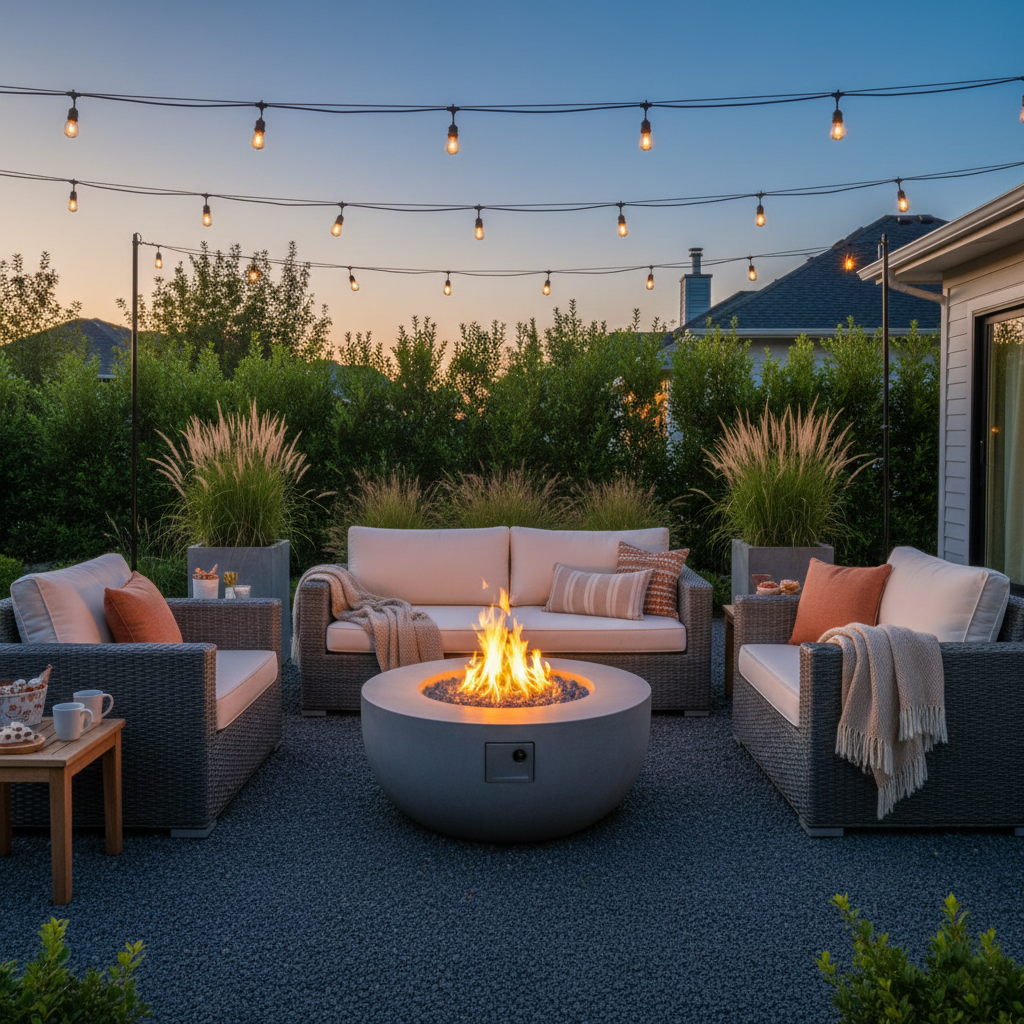
  • Outdoor sofas

  • Sectional seating

  • Deep lounge chairs

  • Low-profile cushioned seating

Arrange seating to face the fire pit directly.
This encourages conversation.

Choose neutral furniture with textured cushions.
It keeps the space calm and welcoming.


sofafire

Rustic Fire Pit Seating with Wood and Natural Materials

Rustic seating pairs beautifully with fire pits.
It feels grounded and natural.

Wood, stone, and metal create a warm outdoor mood.
This style suits cabins, cottages, and natural landscapes.

Rustic Seating Ideas to Try

  • Wooden log stools

  • Reclaimed wood benches

  • Adirondack chairs

  • Tree stump seating

Add throws or blankets for warmth.
They make the space feel inviting.

Rustic seating ages gracefully.
That adds charm over time.

chairfire

Space-Saving Fire Pit Seating for Small Yards

Small yards can still enjoy fire pits.
Smart seating makes it possible.

Compact seating keeps the area functional and open.
Every piece should earn its place.

Seating Solutions for Small Spaces

  • Stackable chairs

  • Foldable outdoor seating

  • Built-in corner benches

  • Multi-functional stools

Choose slim furniture profiles.
They prevent overcrowding.

Small setups feel intimate.
That often makes them more enjoyable.

towelfire

Flexible and Social Seating Layouts Around Fire Pits

Flexibility matters for entertaining.
Different gatherings need different layouts.

Movable seating adapts easily.
It keeps the space versatile.
Flexible Seating Ideas

  • Mix chairs and benches

  • Use lightweight stools

  • Add ottomans for extra seating

  • Keep space open for movement

Arrange seating in a loose circle.
This improves warmth distribution.

Flexible seating keeps gatherings comfortable.
It also supports changing needs.

housefire

Final Thoughts: Are Outdoor Fire Pit Seating Ideas Worth Planning?

Yes, without question.

Fire pits bring warmth.
Seating brings people together.

The right seating transforms a fire pit into a destination.
It becomes a place to relax, talk, and unwind.

You do not need luxury furniture.
Comfort, layout, and intention matter most.

When seating feels right, memories follow naturally.