17

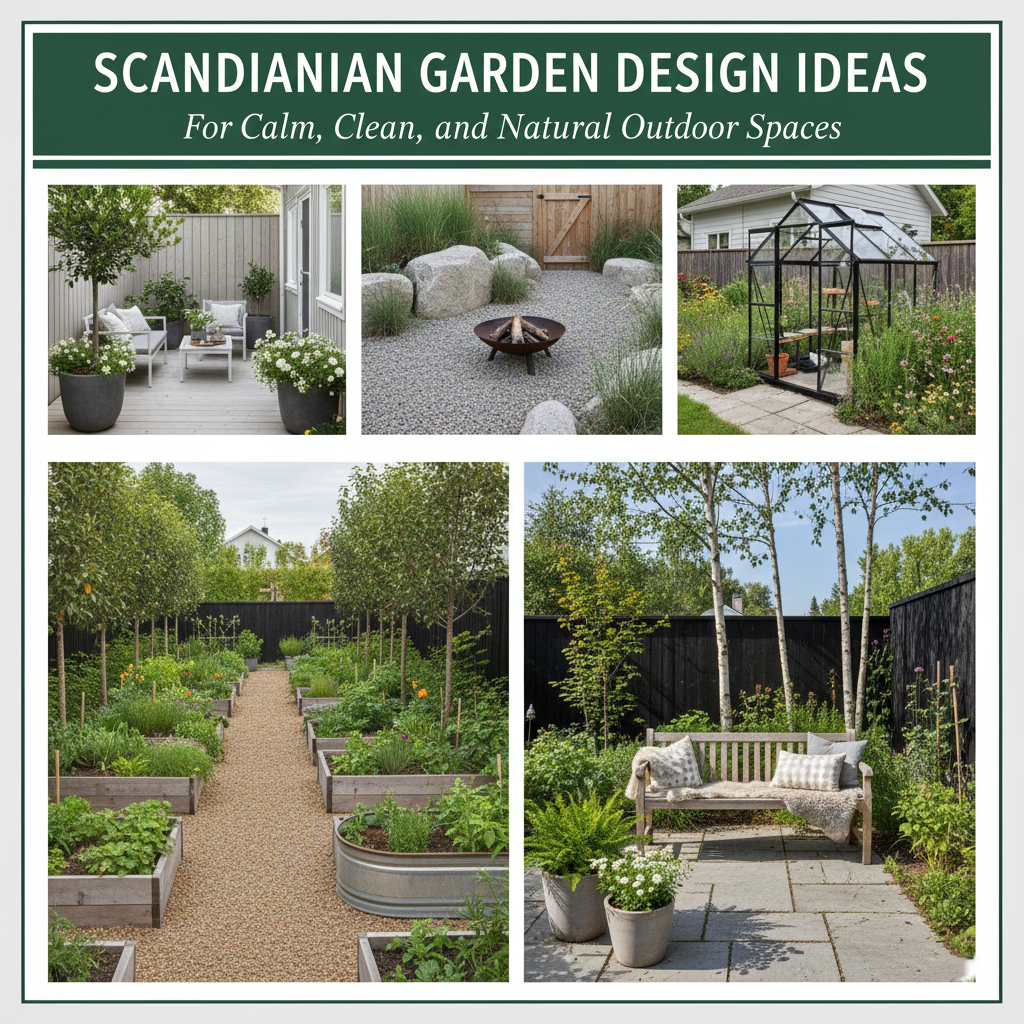
Scandinavian Garden Design Ideas for Calm, Clean, and Natural Outdoor Spaces

17

Scandinavian Garden Design Ideas for Calm, Clean, and Natural Outdoor Spaces

Scandinavian gardens feel quiet and balanced.
They never try to impress loudly.

This design style values simplicity, nature, and comfort.
Every element feels purposeful.

Even small gardens can reflect Scandinavian design.
It is about mood, not size.

Core Principles of Scandinavian Garden Design

Scandinavian gardens follow a “less but better” mindset.
Nothing feels unnecessary.

Nature leads the design.
Man-made elements stay subtle.

Key Scandinavian Garden Principles

  • Clean lines and simple layouts

  • Neutral and earthy color palettes

  • Functional outdoor spaces

  • Strong connection to nature

Open space matters.
It gives the garden room to breathe.

The result feels calm and honest.
Never crowded or decorative.

small plents

Choosing Natural Materials for a Scandinavian Look

Materials shape the mood of the garden.
Scandinavian design favors raw textures.

Wood and stone are essential.
They age beautifully outdoors.

Best Materials to Use

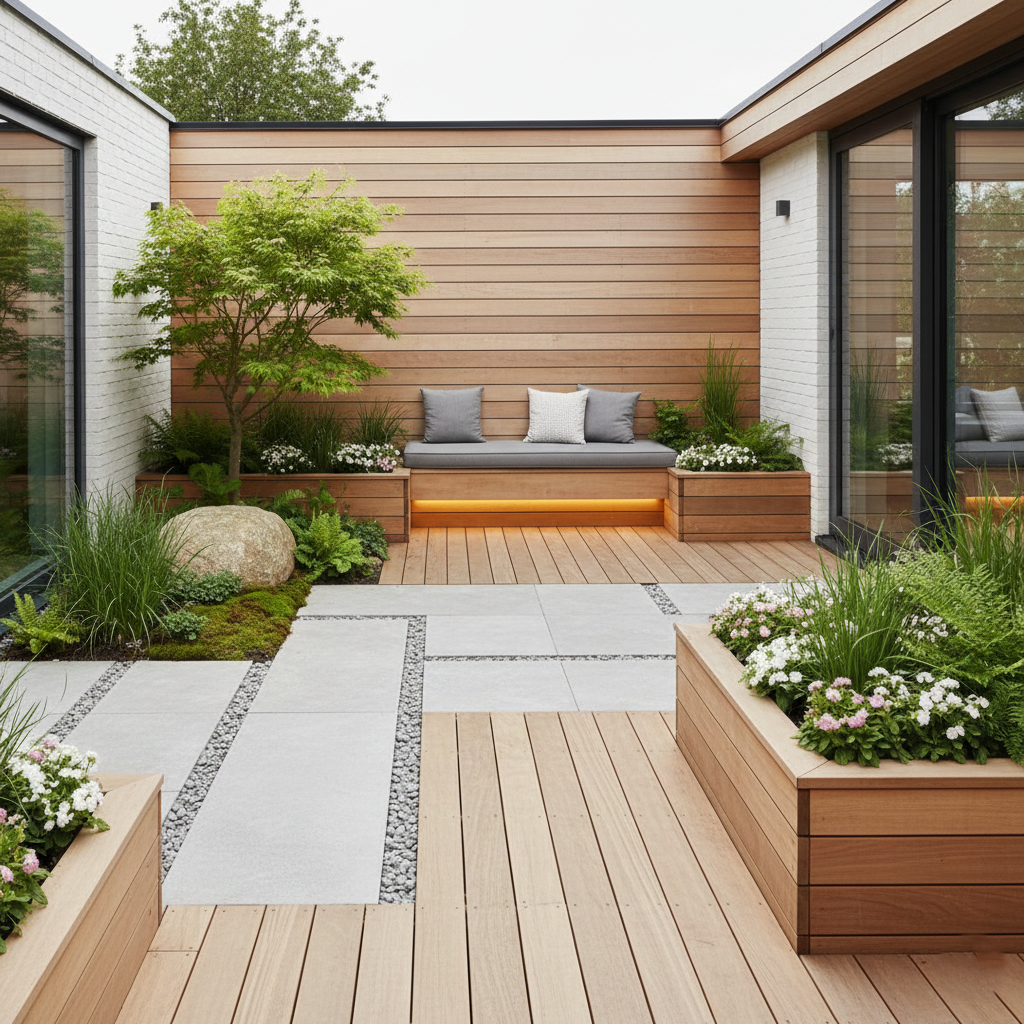
  • Light-toned wood decking

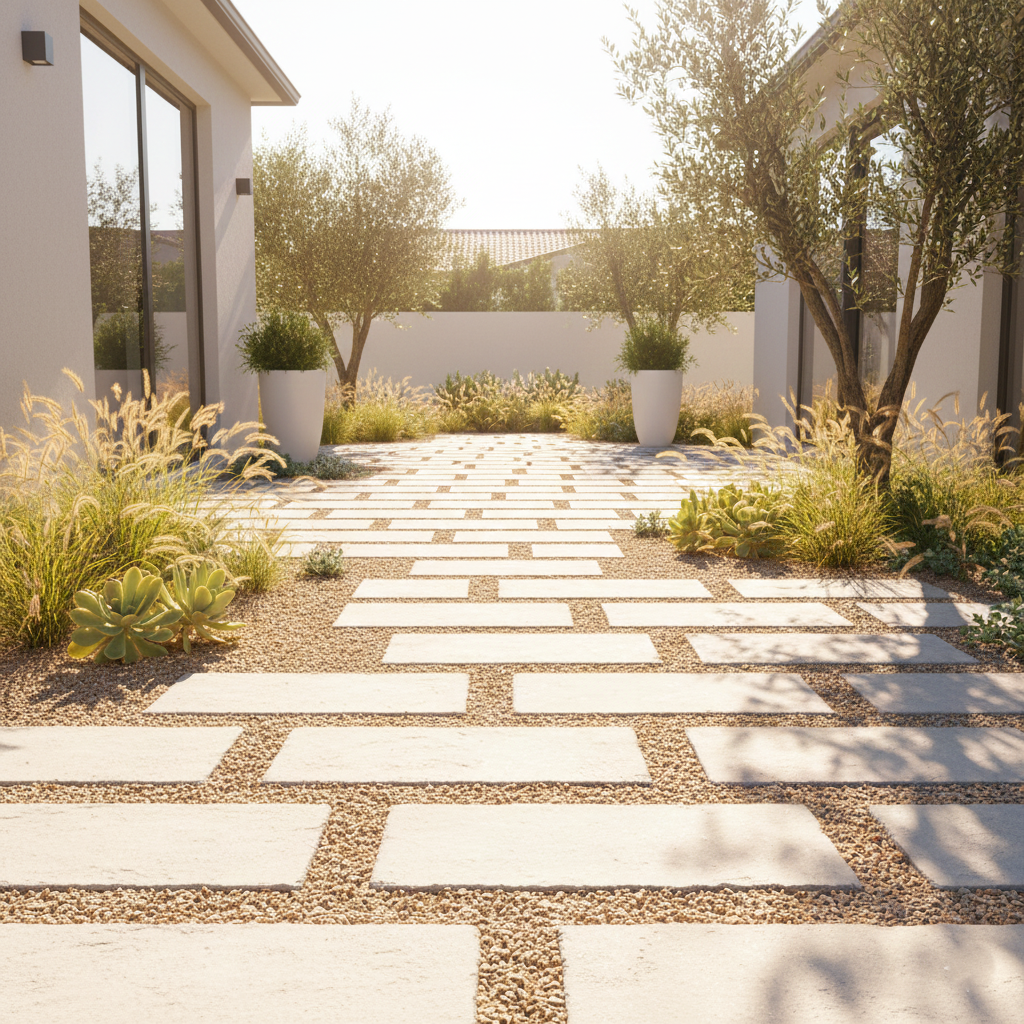
  • Natural stone or gravel paths

  • Concrete with soft finishes

  • Weathered metal accents

Avoid shiny or polished surfaces.
Matte finishes feel more natural.

These materials create warmth.
Even in minimal spaces.

woods

Scandinavian Plant Choices That Feel Effortless

Plants in Scandinavian gardens feel relaxed.
They are never overly styled.

Green tones dominate the space.
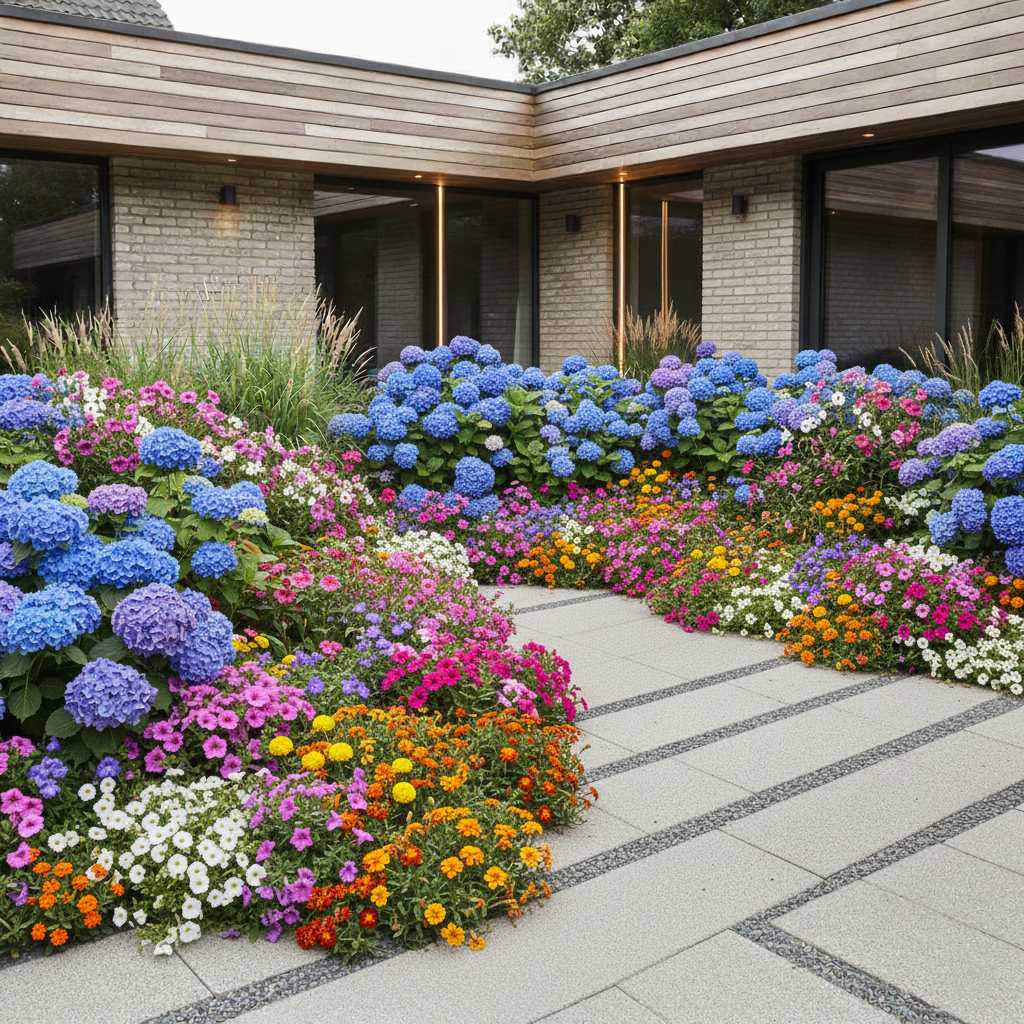
Flowers appear quietly, if at all.

Ideal Plants for Scandinavian Gardens

  • Ornamental grasses

  • Birch or small native trees

  • Ferns and ground covers

  • Lavender or wildflowers

  • Evergreen shrubs

Choose plants that thrive naturally.
Low maintenance is important.

Let plants grow freely.
This adds softness and life.

flowers

Simple Seating and Functional Outdoor Living

Scandinavian gardens are meant to be used.
Comfort matters as much as beauty.

Outdoor seating feels casual and inviting.
Nothing looks formal.

Scandinavian Outdoor Seating Ideas

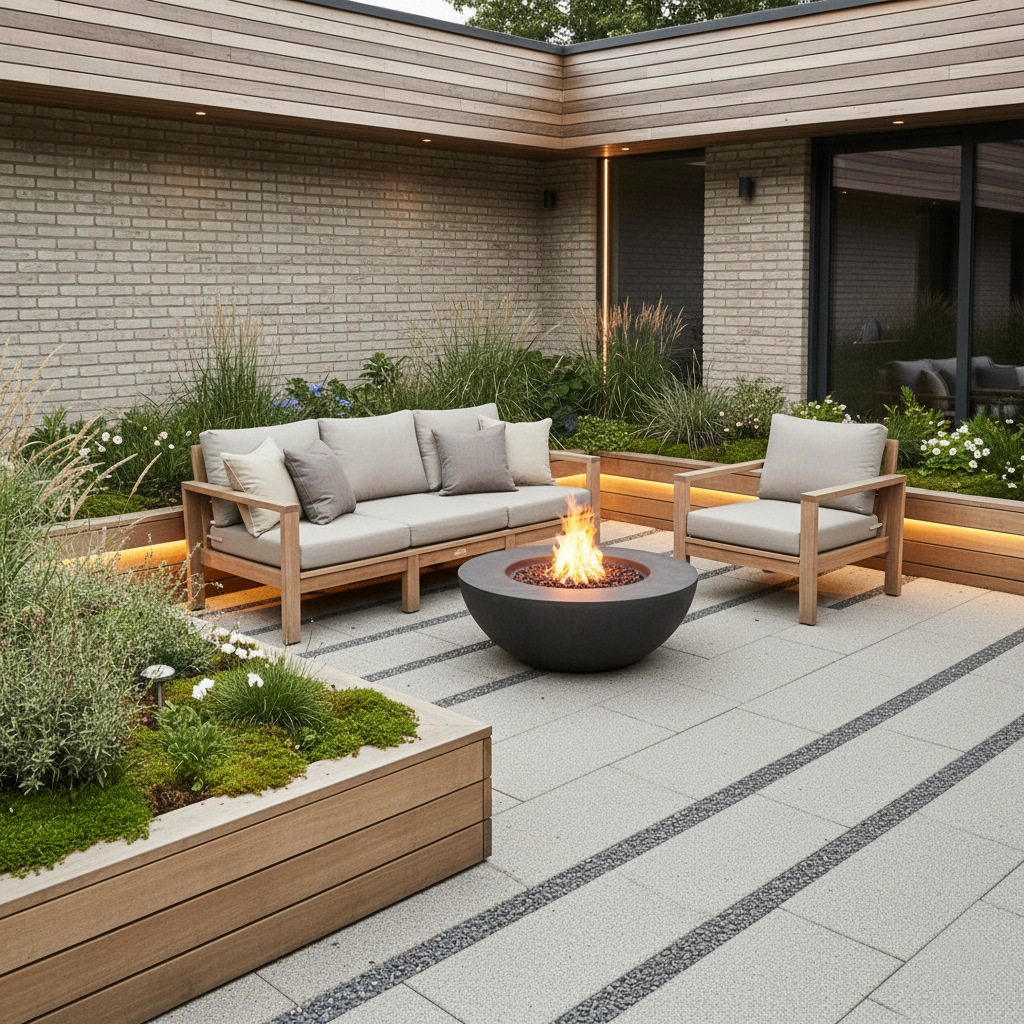
  • Wooden benches with cushions

  • Simple dining tables

  • Fire pits for warmth

  • Built-in seating along walls

Textiles add coziness.
Use neutral cushions and throws.

These spaces invite slow moments.
Coffee, conversation, and quiet evenings.

sofafire

Lighting That Creates Soft, Nordic Atmosphere

Lighting transforms Scandinavian gardens.
It adds warmth during long evenings.

Soft, low lighting works best.
Harsh light breaks the mood.

Lighting Ideas for Scandinavian Gardens

  • Solar path lights

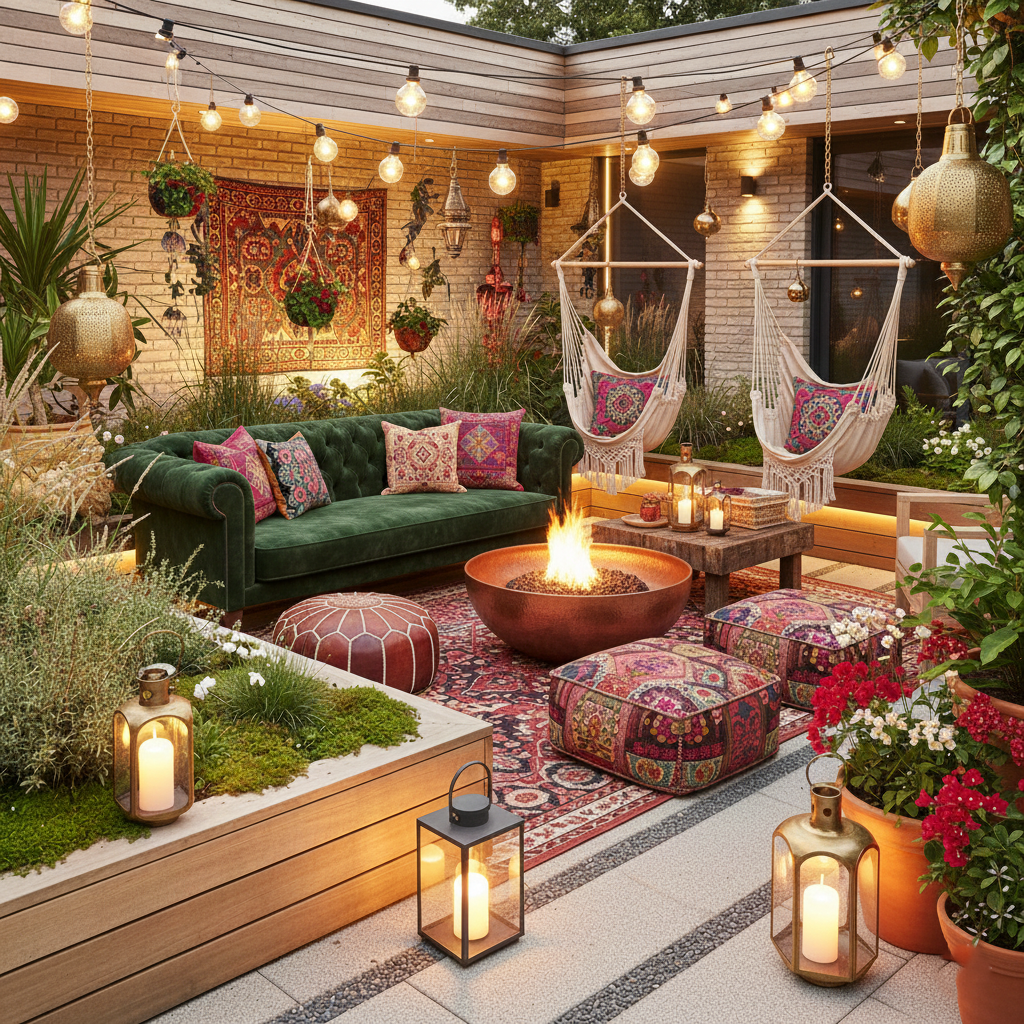
  • Lanterns on tables

  • String lights in warm tones

  • Low ground lighting near plants

Lighting should feel gentle.
Almost unnoticed.

At night, the garden feels intimate.
A calm extension of the home.

stylishnew

Final Thoughts: Why Scandinavian Garden Design Feels So Timeless

Scandinavian gardens focus on balance.
They respect nature and daily life.

This style avoids trends.
It grows more beautiful with time.

By choosing simplicity, natural materials, and calm planting, any outdoor space can feel Nordic.
A place to slow down and breathe.

16

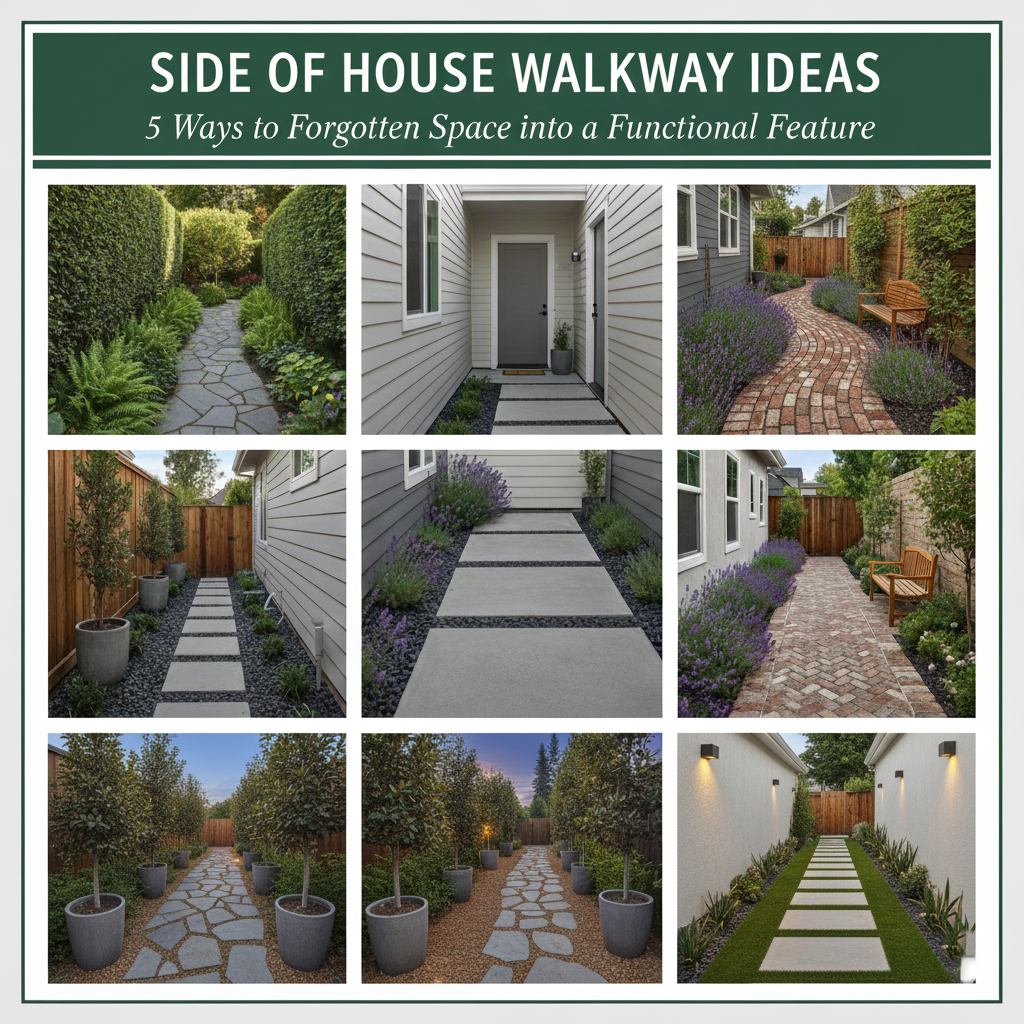
Side of House Walkway Ideas: Turn a Forgotten Space into a Functional Feature

16

Side of House Walkway Ideas: Turn a Forgotten Space into a Functional Feature

The side of a house is often ignored.
It feels narrow, dark, and purely functional.
But with the right design, it can become one of the most useful outdoor areas.

A well-designed side walkway improves flow, safety, and curb appeal.
It also adds value without major construction.

These ideas work for small spaces, modern homes, and traditional layouts.

Stone and Paver Walkways for a Clean, Timeless Look

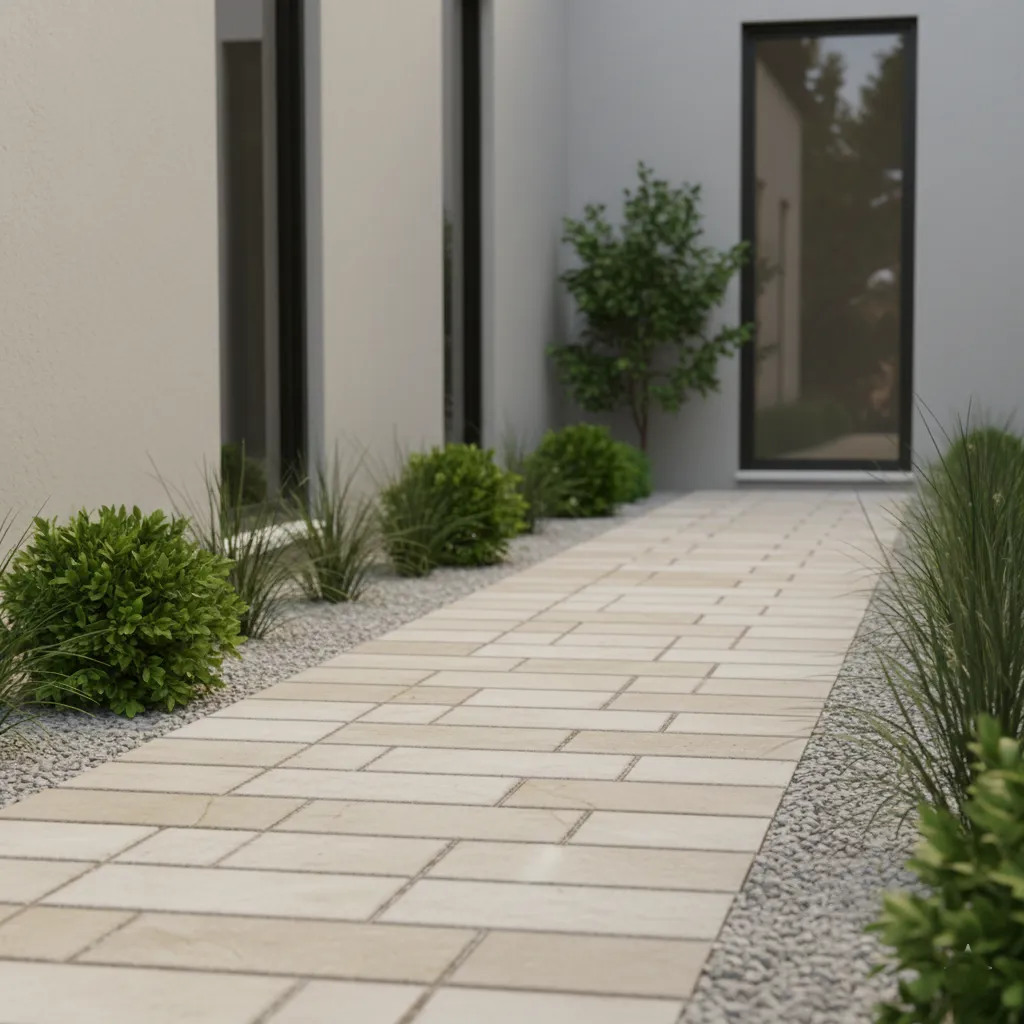
Stone and pavers are the most reliable choices for side walkways.
They handle foot traffic and weather with ease.

This option feels structured and intentional.
It also works well in narrow spaces.

Popular Stone Walkway Options

  • Concrete pavers

  • Natural flagstone

  • Brick pavers

  • Porcelain outdoor tiles

Light-colored stones brighten shaded areas.
They also make tight walkways feel wider.

Keep joints tight to reduce weeds.
Good edging keeps everything in place.

1st

Gravel Walkways for Budget-Friendly Side Paths

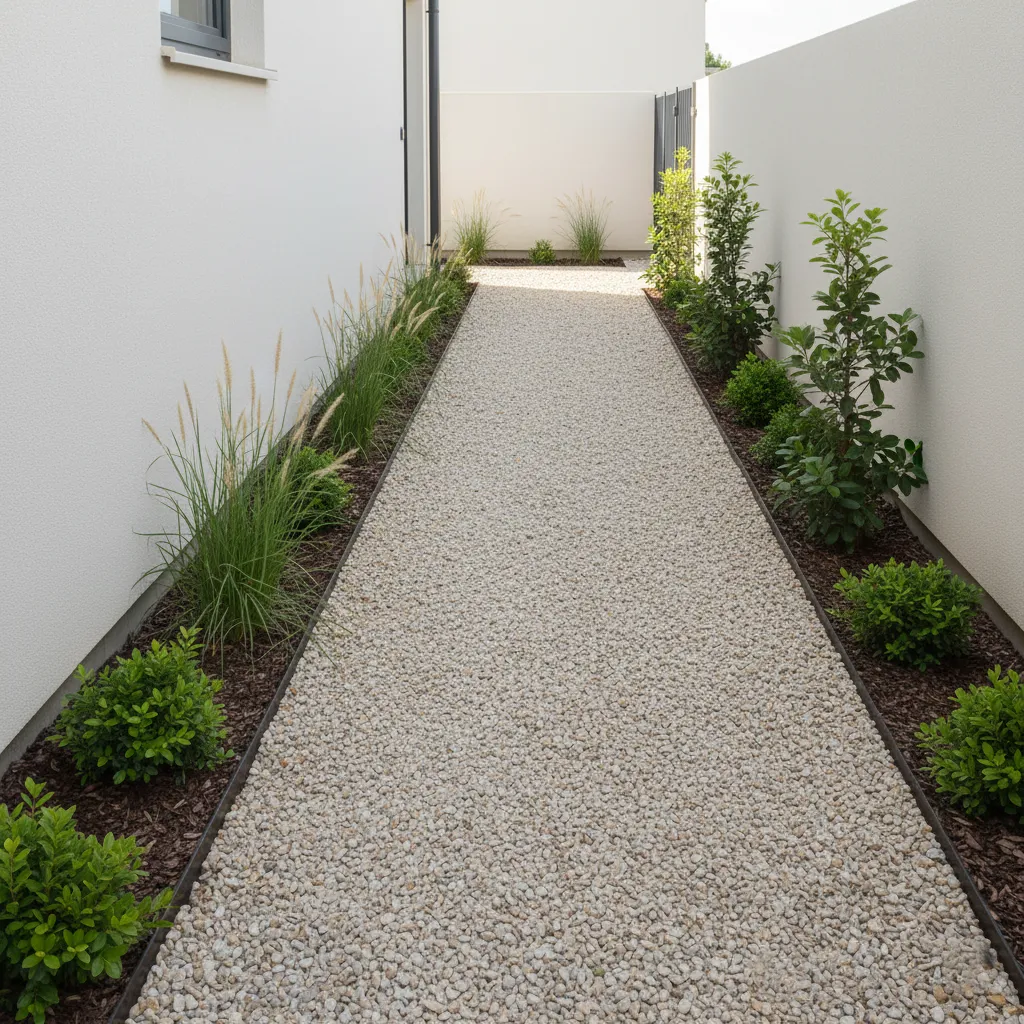
Gravel walkways are simple and affordable.
They work especially well for long side yards.

The sound underfoot feels calm and natural.
That small detail adds charm.

Best Gravel Types for Walkways

  • Pea gravel

  • Crushed limestone

  • Decomposed granite

Use landscape fabric underneath.
This prevents weeds and sinking.

Add metal or brick edging.
It keeps gravel from spreading.

Gravel paths drain well.
That makes them ideal for rainy climates.

Budget-frendly

Green Walkways with Stepping Stones and Plants

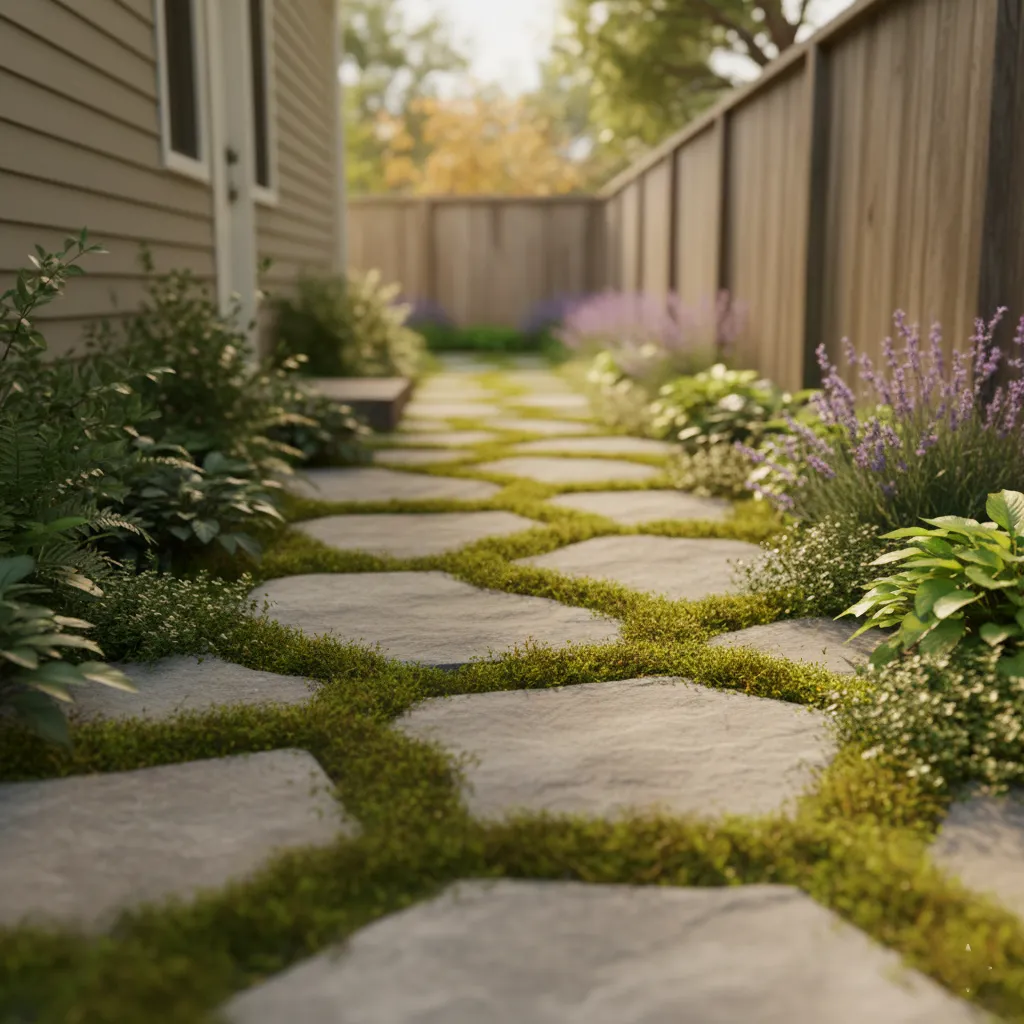
A green walkway softens hard lines.
It makes the side yard feel alive.

Stepping stones allow grass or ground cover to grow between them.
This creates a relaxed, organic look.

Plants That Work Well in Side Walkways

  • Creeping thyme

  • Mondo grass

  • Moss

  • Low ferns

  • Ornamental grasses

Choose shade-tolerant plants if sunlight is limited.
They will thrive with less maintenance.

This style works beautifully for cottages and eco-friendly homes.

Green Walk

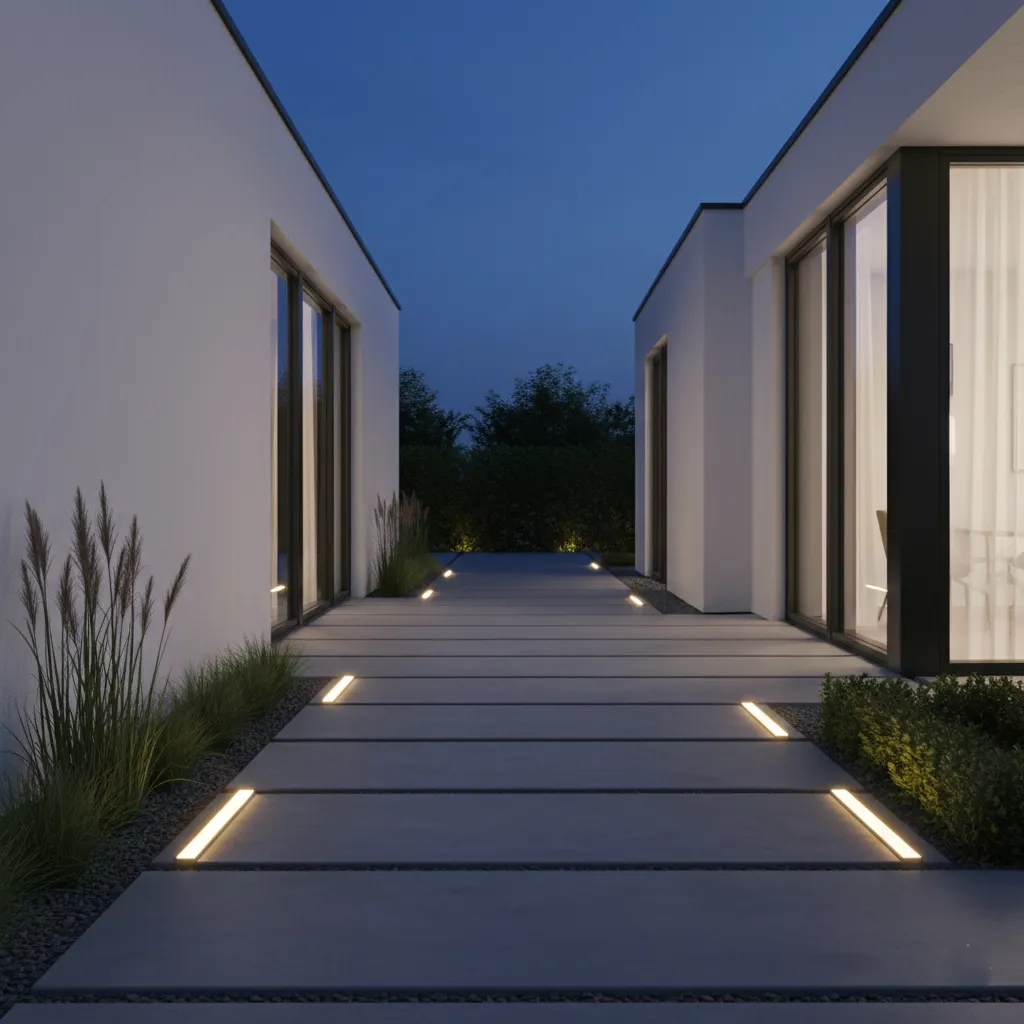
Modern Side Walkways with Concrete and Lighting

Modern homes benefit from clean lines and subtle details.
Concrete walkways paired with lighting create a sleek look.

This design improves safety at night.
It also feels intentional and polished.

Modern Design Features to Add

  • Smooth concrete slabs

  • Linear stepping stones

  • Recessed ground lights

  • Wall-mounted LED lights

Lighting visually widens narrow spaces.
It also makes nighttime access safer.

Keep décor minimal.
Let materials and light do the work.

modren

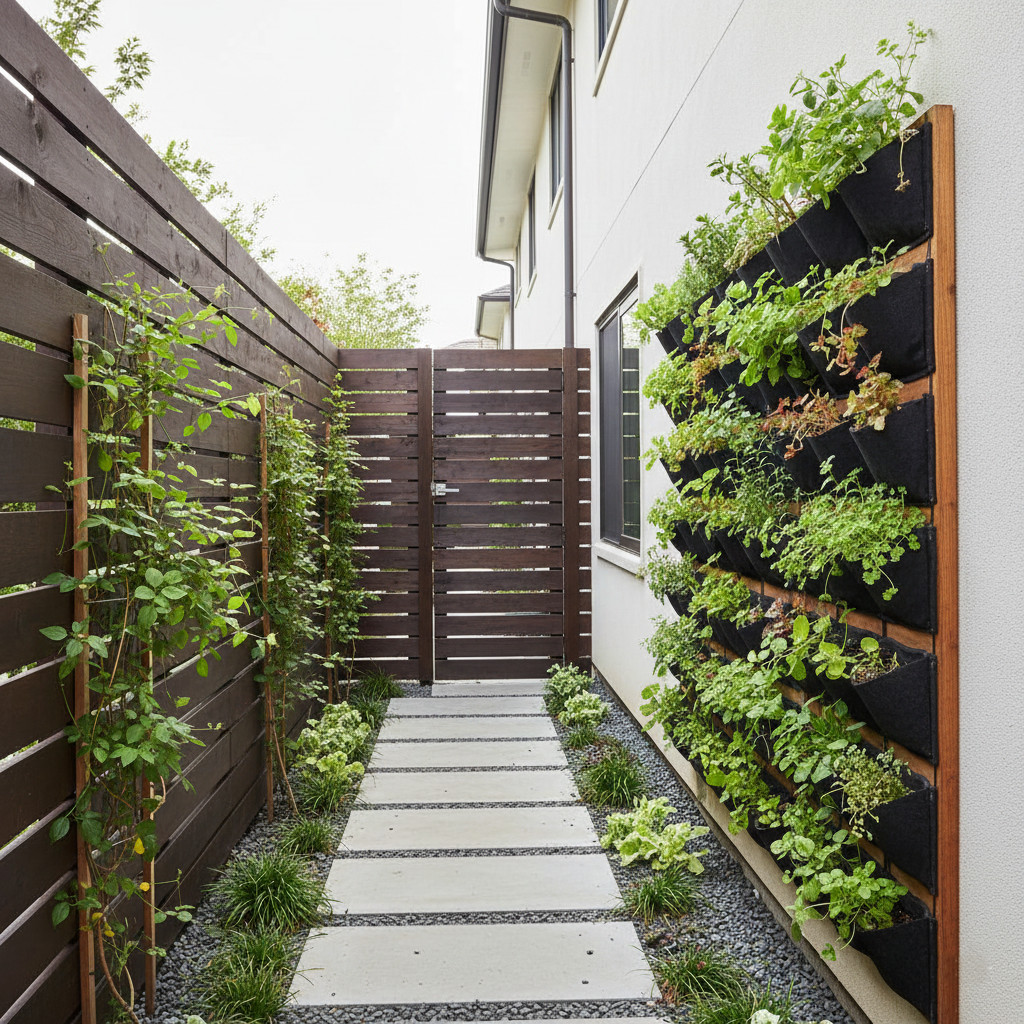
Functional Side Walkways with Storage and Privacy

Side walkways can do more than guide movement.
They can solve storage and privacy issues.

This is especially useful in urban homes.

Practical Additions for Side Walkways

  • Slim storage sheds

  • Vertical garden walls

  • Privacy screens

  • Trellises with climbing plants

Climbing plants soften walls and fences.
They also block harsh views.

Use weather-resistant materials.
Side yards experience limited airflow and moisture buildup.

wall green walk

Final Thoughts: Are Side of House Walkway Ideas Worth Investing In?

Yes, absolutely.

The side of your house does not have to feel forgotten.
With the right walkway, it becomes useful and attractive.

Even small upgrades make a big difference.
Better access, cleaner lines, and improved safety all matter.

Whether you choose stone, gravel, greenery, or modern concrete, the result is the same.
A space that finally feels complete.

15

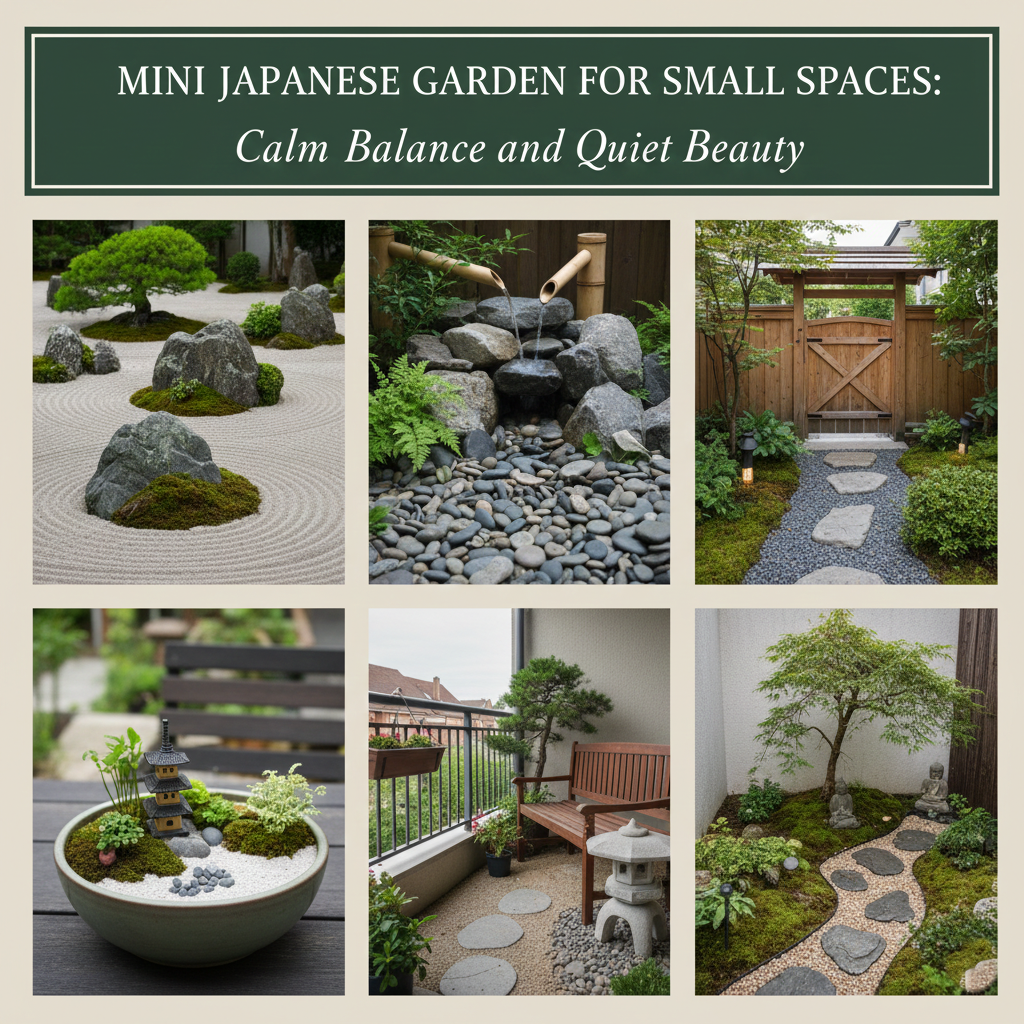
Mini Japanese Garden for Small Spaces: Calm, Balance, and Quiet Beauty

15

Mini Japanese Garden for Small Spaces: Calm, Balance, and Quiet Beauty

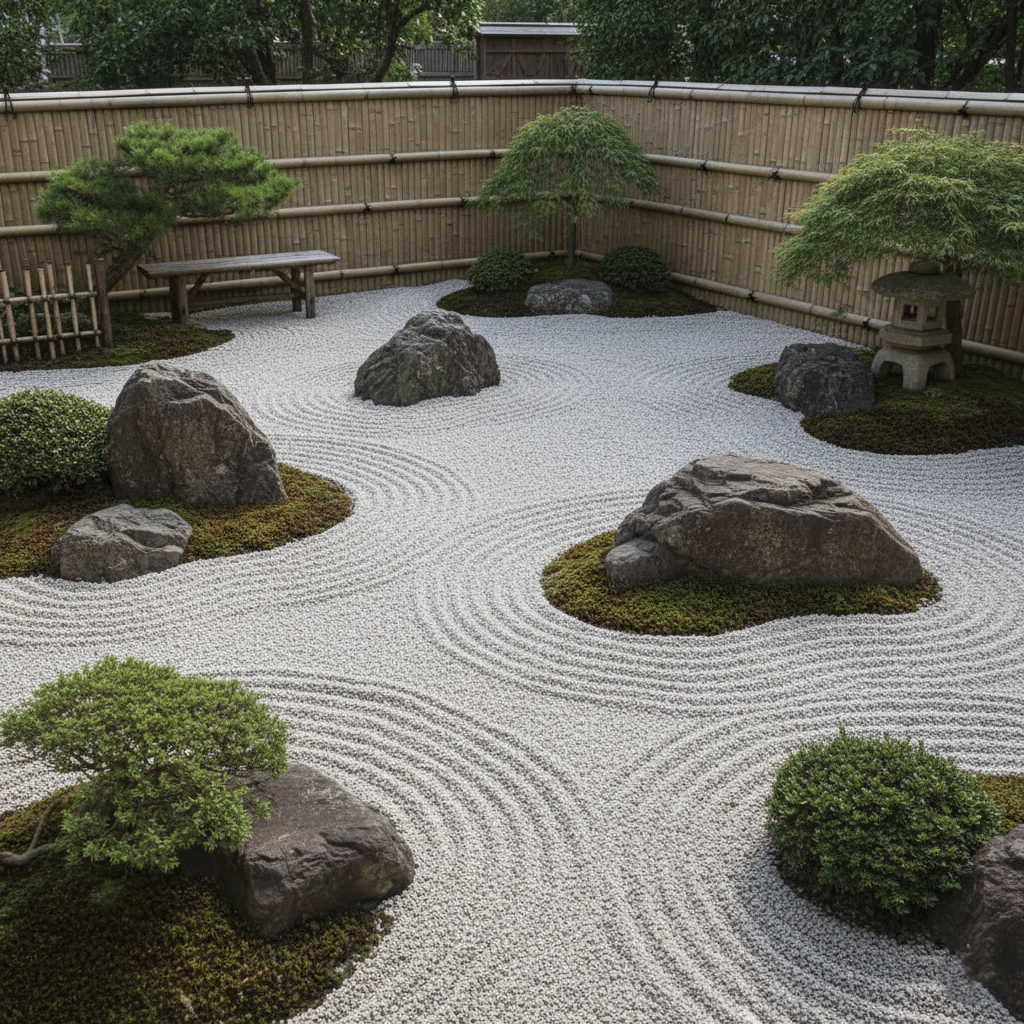
A Japanese garden is not about size.
It is about feeling.

Even the smallest space can hold peace.
A mini Japanese garden invites stillness into daily life.

With thoughtful design, small areas become meaningful retreats.

Core Principles of a Mini Japanese Garden

Japanese gardens follow philosophy, not decoration.
Every element has purpose.

Balance and simplicity matter most.
Nothing feels random.

Key Design Principles

  • Asymmetry over symmetry

  • Empty space for calm

  • Natural materials only

  • Subtle movement and flow

Avoid filling every corner.
Silence is part of the design.

A mini garden should feel timeless.
Not styled or trendy.

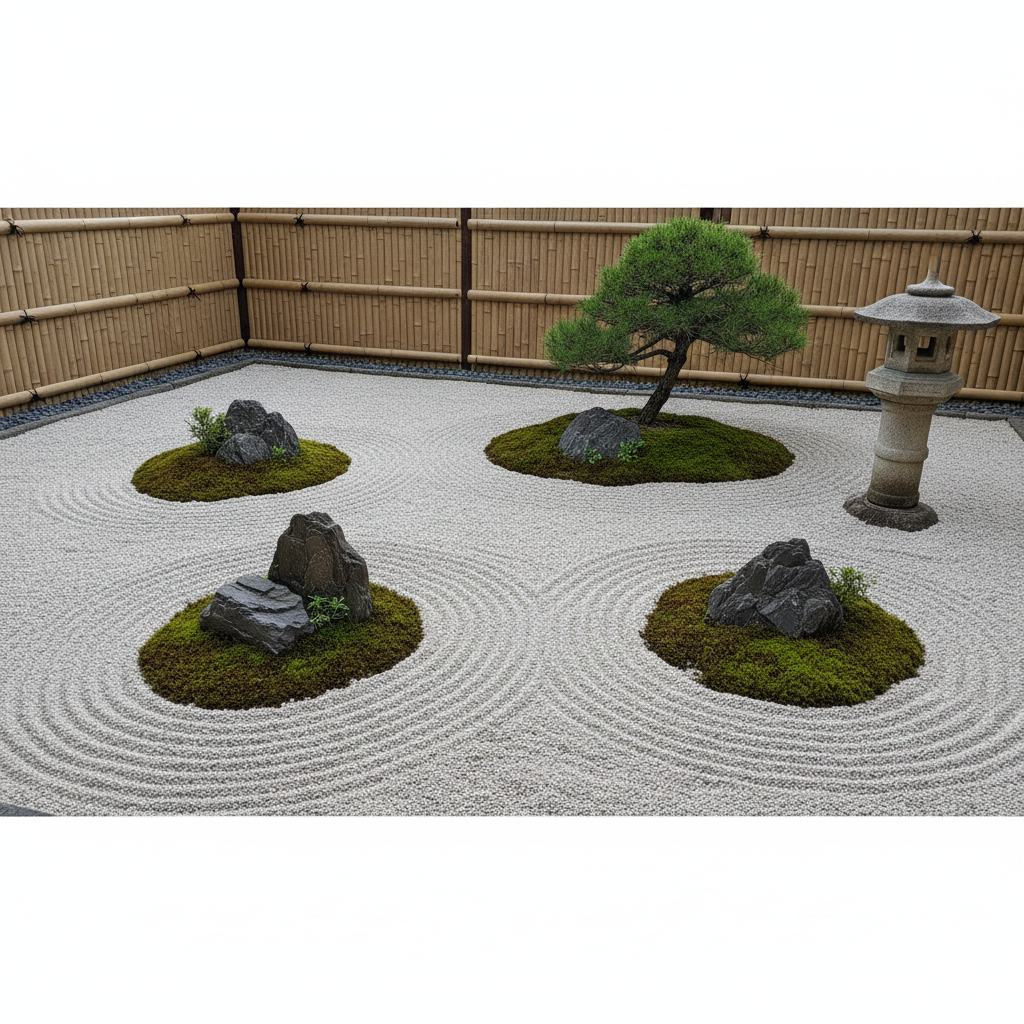
whitestone

Best Layout Ideas for Small Japanese Gardens

Small spaces need clear structure.
Flow matters more than size.

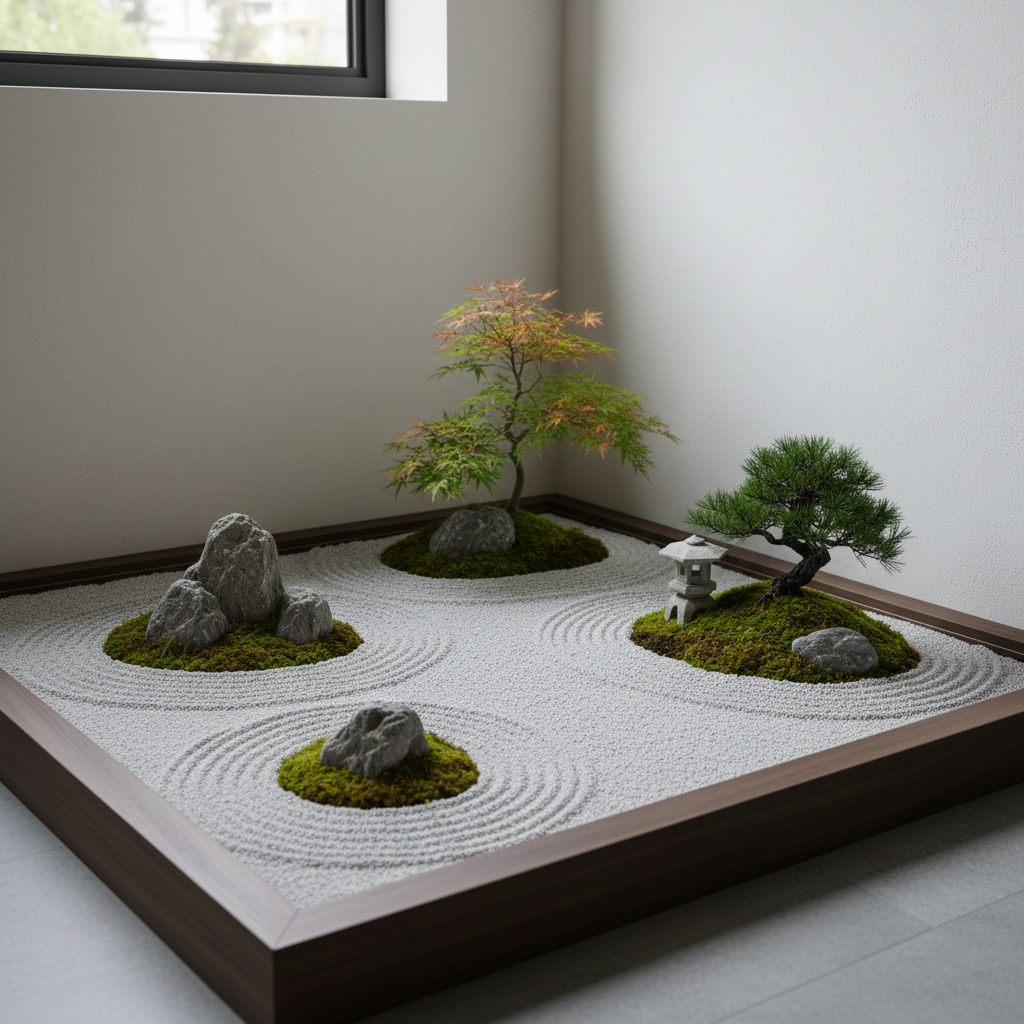
Corners, balconies, and patios work well.
Even narrow areas can feel expansive.

Smart Layout Options

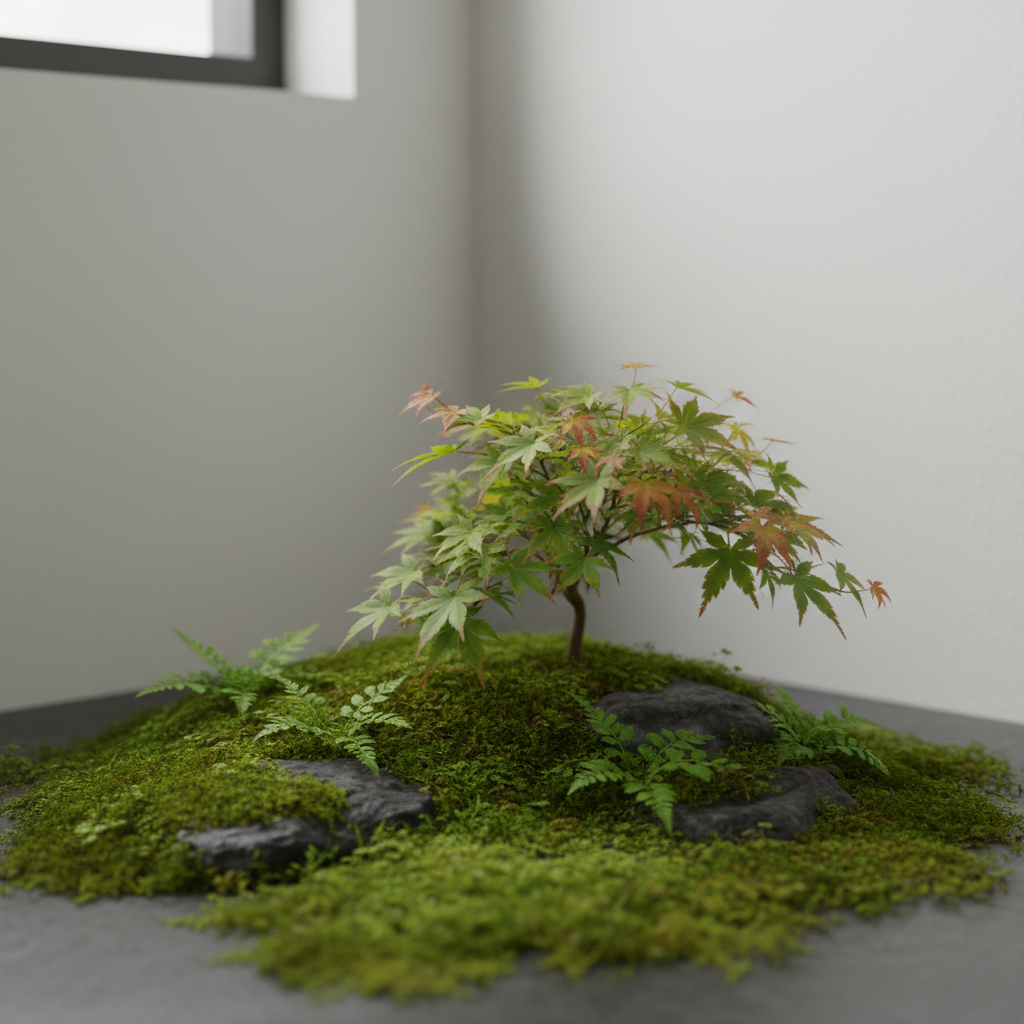
  • Corner garden with stone focus

  • Linear path with gravel

  • Circular moss arrangement

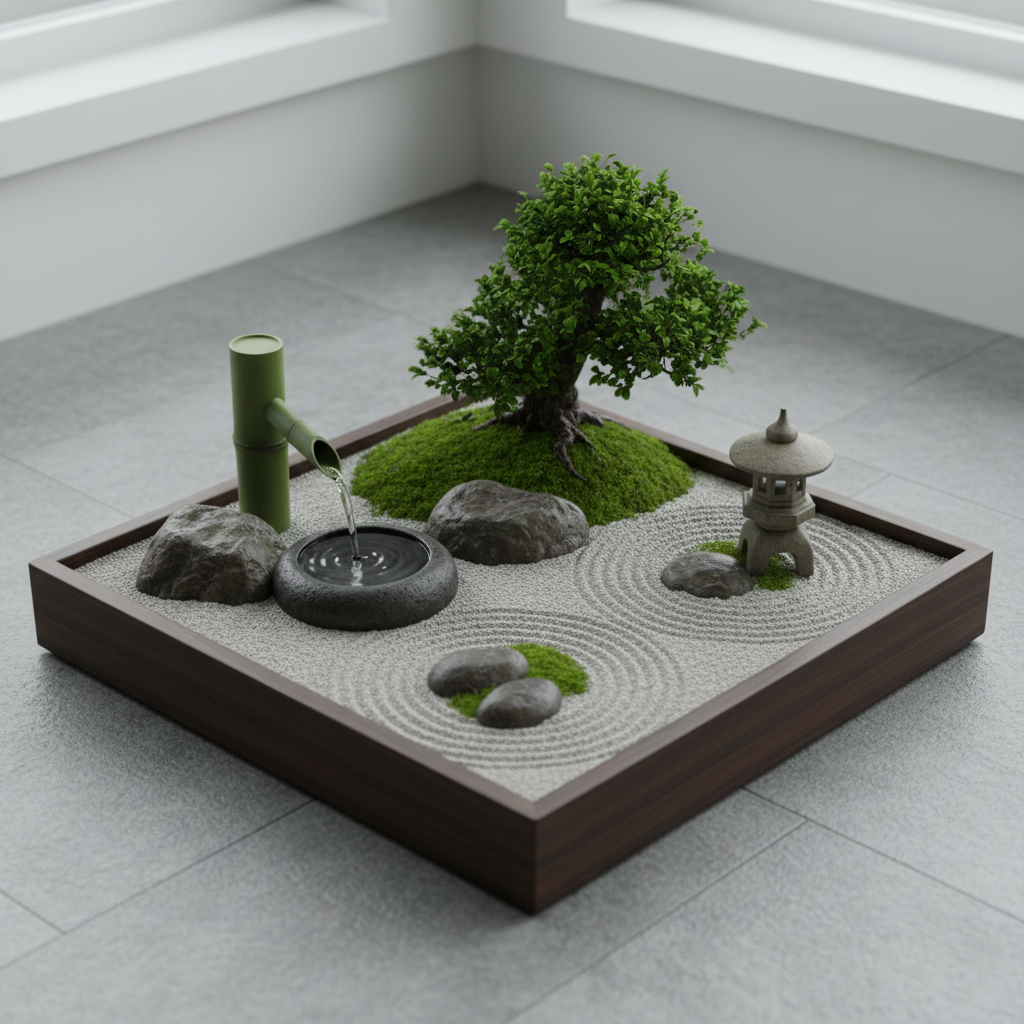
  • Raised tray garden for patios

Keep sightlines open.
This creates visual depth.

Good layout makes the garden breathe.
It feels calm, not crowded.

small plents

Choosing Stones, Gravel, and Hardscape Elements

Stone is the backbone of Japanese gardens.
It represents permanence.

Gravel symbolizes water and movement.
Raked patterns add rhythm.

Essential Hardscape Elements

  • Natural stones with irregular shapes

  • White or gray gravel

  • Stone lanterns in small scale

  • Stepping stones for guidance

Bury stones slightly.
They should feel settled.

Hardscape creates structure.
It holds the garden together.

smallbuillding

Plants That Work Best in Mini Japanese Gardens

Stone is the backbone of Japanese gardens.
It represents permanence.

Gravel symbolizes water and movement.
Raked patterns add rhythm.

Essential Hardscape Elements

  • Natural stones with irregular shapes

  • White or gray gravel

  • Stone lanterns in small scale

  • Stepping stones for guidance

Bury stones slightly.
They should feel settled.

Hardscape creates structure.
It holds the garden together.

greenminiplents

Adding Water and Decorative Accents Subtly

Water adds life and sound.
It should feel gentle.

Even symbolic water works well.
Gravel patterns often replace real water.

Subtle Accent Ideas

  • Small stone water basin

  • Bamboo water feature

  • Simple wooden bridge

  • Single stone lantern

Use accents sparingly.
One focal piece is enough.

The goal is reflection.
Not decoration.

waterplents

Final Thoughts: Why Mini Japanese Gardens Feel So Powerful

A mini Japanese garden teaches presence.
It slows the mind.

It proves that peace does not need space.
Only intention.

With thoughtful design, even the smallest corner becomes a sanctuary.
A place to pause, breathe, and reconnect.

14

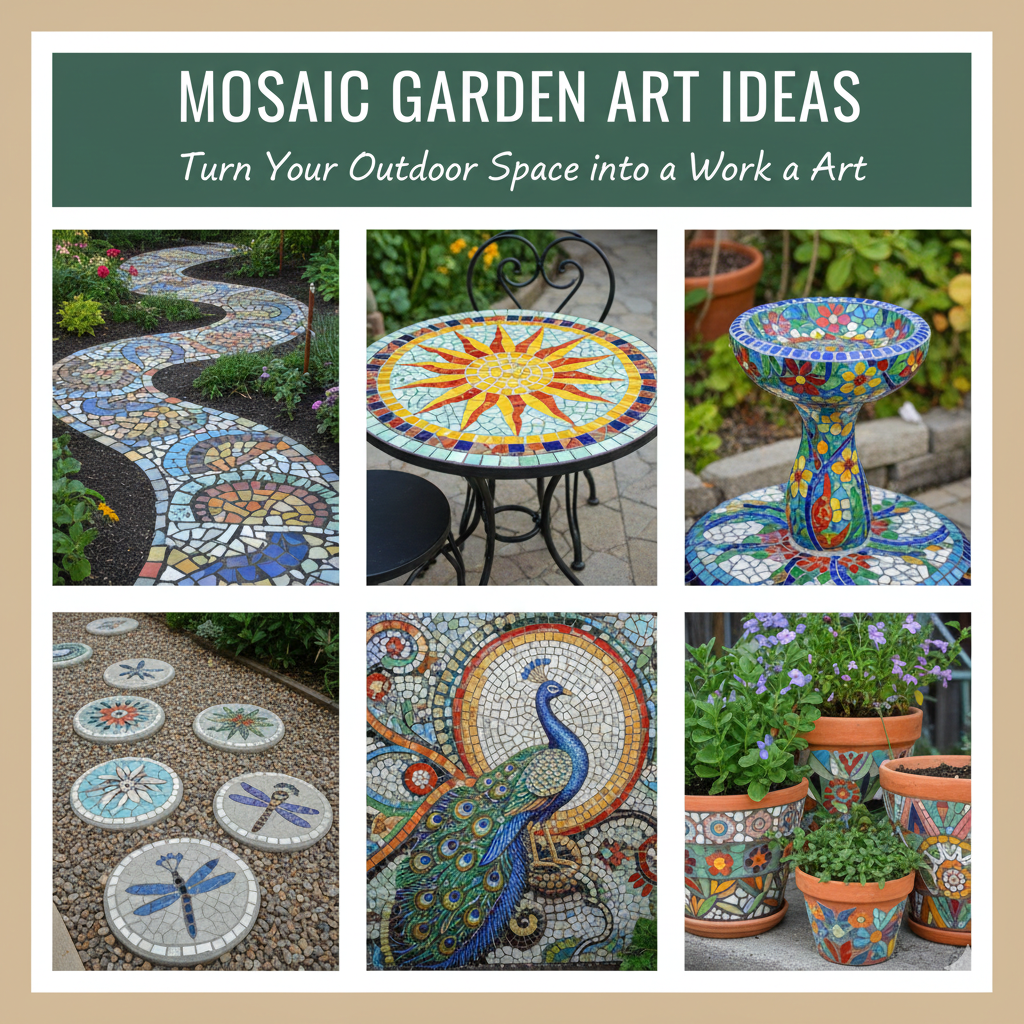
Mosaic Garden Art Ideas: Turn Your Outdoor Space into a Work of Art

14

Mosaic Garden Art Ideas: Turn Your Outdoor Space into a Work of Art

Mosaic garden art adds personality where plain soil and stone feel empty.
It tells a story through color, texture, and detail.
Each piece feels personal, not mass-produced.

Mosaics work in large gardens and small patios alike.
They handle weather well and age beautifully.
Most importantly, they let creativity flow without rules.

Why Mosaic Art Works So Well in Gardens

Gardens already feel alive.
Mosaics enhance that feeling instead of competing with it.

Broken tiles, stones, and glass catch light differently each hour.
That changing look keeps the space interesting.

Key Benefits of Mosaic Garden Art

  • Adds color year-round

  • Uses recycled materials

  • Withstands outdoor conditions

  • Reflects personal style

  • Works in modern and rustic gardens

Mosaic art feels timeless.
It blends tradition with creativity in a natural way.

Well in Gardens

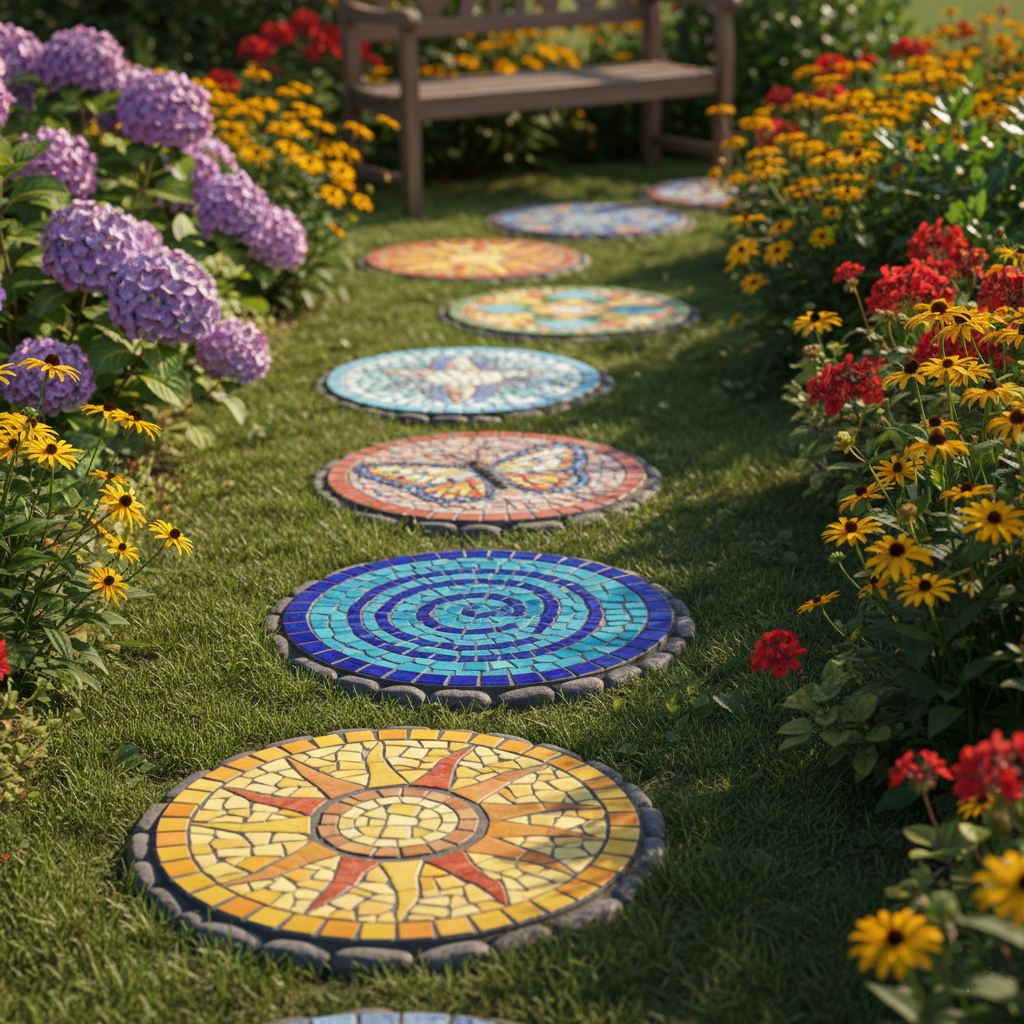
Mosaic Stepping Stones for Garden Paths

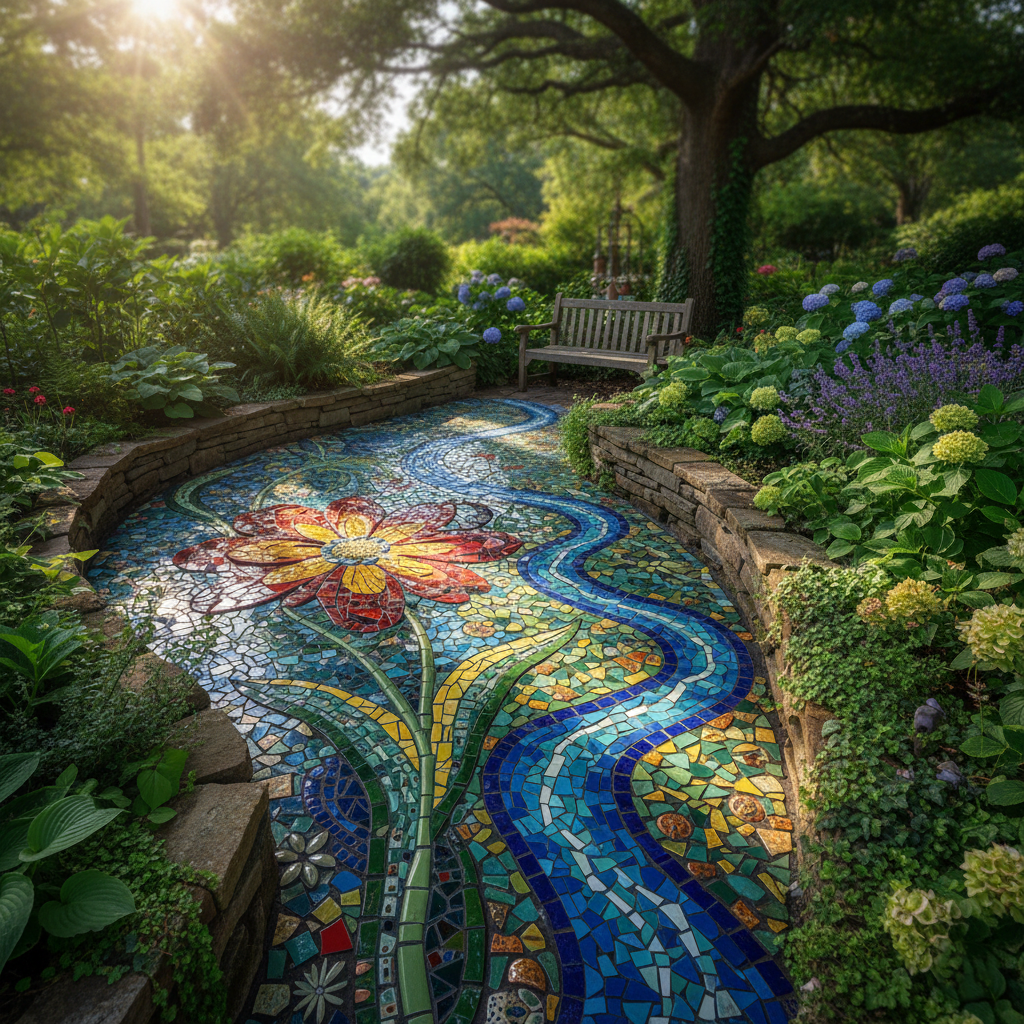
Mosaic stepping stones are both practical and beautiful.
They guide movement while adding visual rhythm.

Each step becomes a small artwork.
Walking through the garden feels intentional.

Popular Stepping Stone Designs

  • Floral patterns

  • Geometric shapes

  • Sun and moon symbols

  • Nature-inspired motifs

  • Abstract color blends

Concrete bases work best outdoors.
They provide strength and long-term durability.

Use non-slip grout for safety.
Beauty should never compromise comfort.

Image Prompt:

cicle flowers

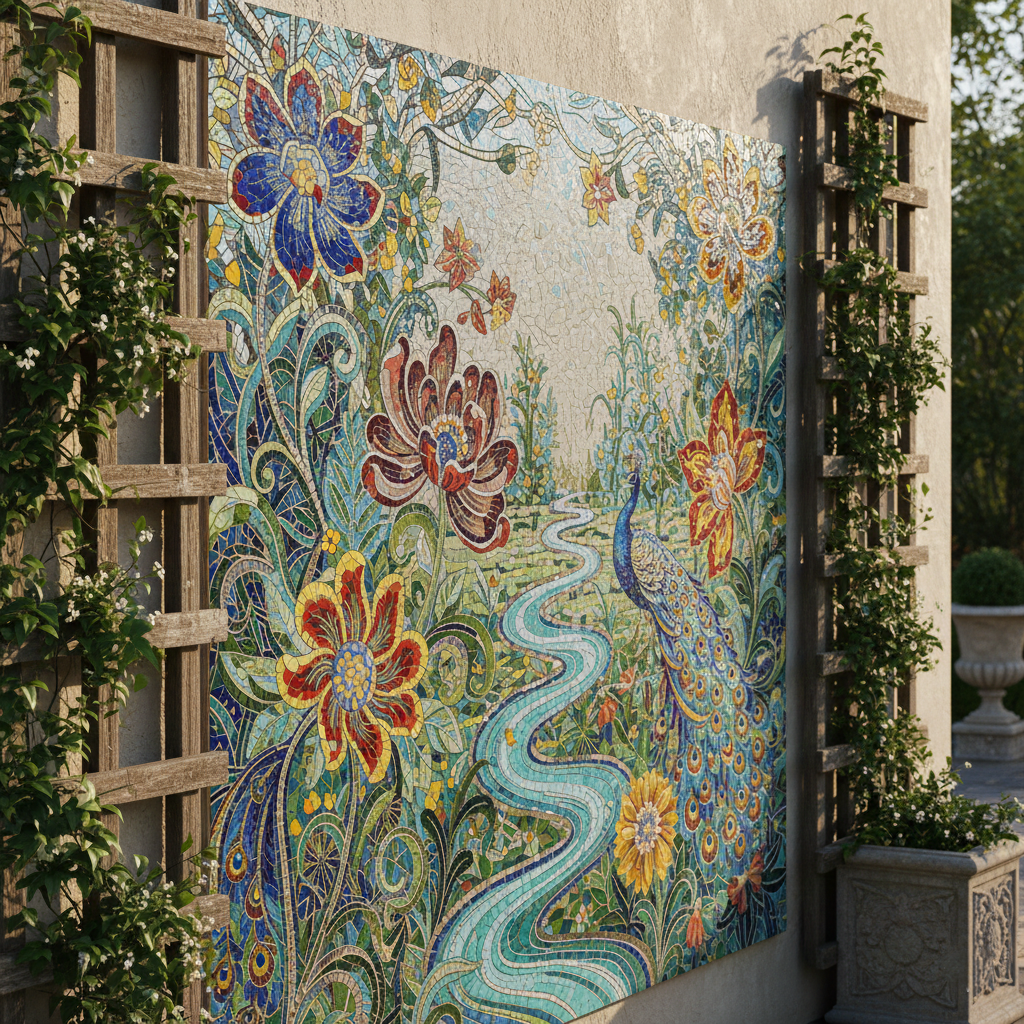
Mosaic Garden Walls and Fences

Walls and fences often feel dull.
Mosaics turn them into focal points.

These designs work well on boundary walls, raised beds, and seating areas.
They add depth where flat surfaces exist.

Creative Wall Mosaic Ideas

  • Flowing vine patterns

  • Ocean or wave themes

  • Mandala designs

  • Cultural or traditional motifs

  • Mixed abstract textures

Vertical mosaics create strong visual impact.
They also photograph beautifully for Pinterest.

Seal outdoor mosaics properly.
This protects color and grout from moisture damage.

wall

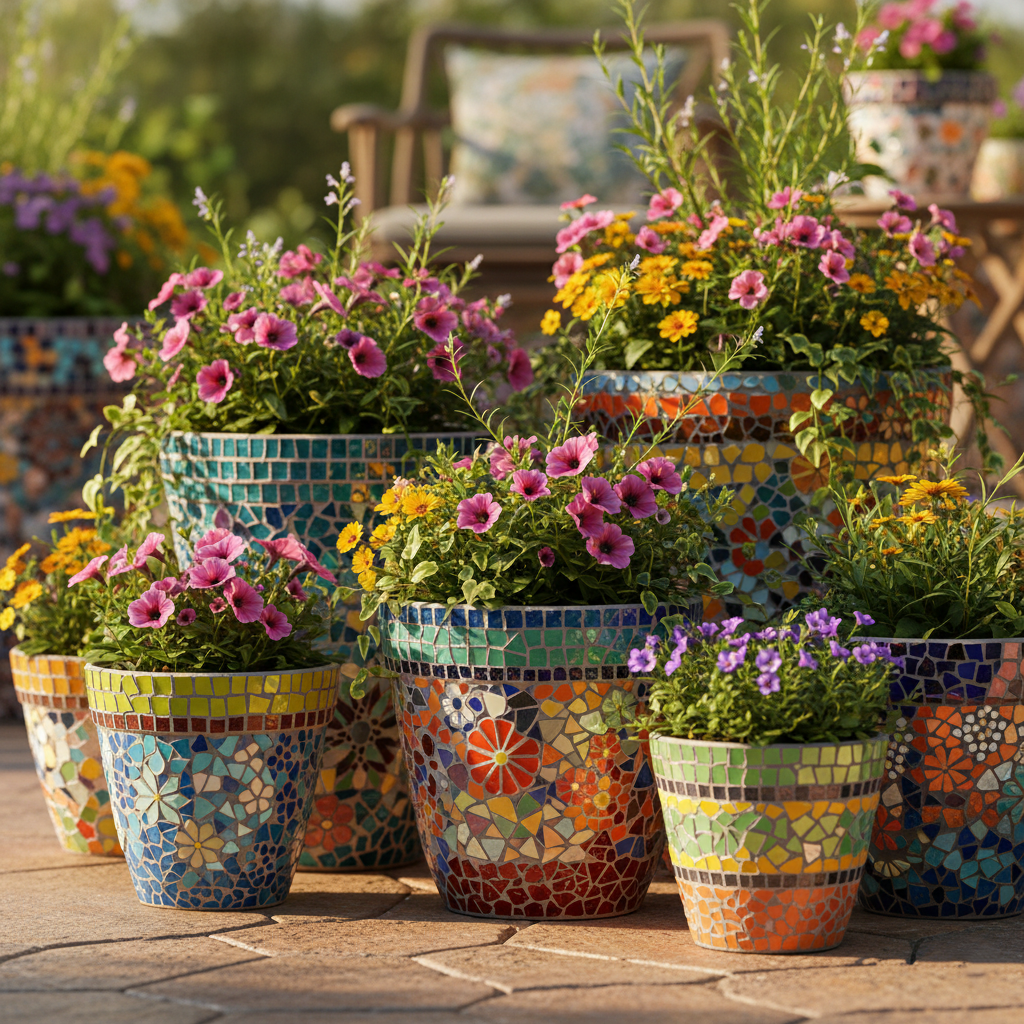
Mosaic Pots, Planters, and Containers

Mosaic planters bring color closer to eye level.
They work well on patios, balconies, and entryways.

Each pot becomes a statement piece.
Even simple plants look special in mosaic containers.

Best Containers for Mosaic Work

  • Clay pots

  • Concrete planters

  • Ceramic bowls

  • Old buckets or tubs

Choose small tiles for curved surfaces.
They fit better and reduce cracking.

Mosaic planters also make meaningful gifts.
Handmade details always feel thoughtful.

buket

Mosaic Garden Sculptures and Accent Pieces

Mosaic planters bring color closer to eye l

Small mosaic accents can change the mood of a garden.
They draw attention without overwhelming the space.

These pieces work well near seating areas or water features.

Popular Mosaic Accent Ideas

  • Birdbaths

  • Garden benches

  • Tabletops

  • Decorative stones

  • Animal sculptures

Glass tiles reflect sunlight beautifully.
They add sparkle during the day and glow at sunset.

Position accents where people naturally pause.
That creates moments of quiet appreciation.

evel.
They work well on patios, balconies, and entryways.

Each pot becomes a statement piece.
Even simple plants look special in mosaic containers.

Best Containers for Mosaic Work

  • Clay pots

  • Concrete planters

  • Ceramic bowls

  • Old buckets or tubs

Choose small tiles for curved surfaces.
They fit better and reduce cracking.

Mosaic planters also make meaningful gifts.
Handmade details always feel thoughtful.

panted animal

Final Thoughts: Are Mosaic Garden Art Ideas Worth Trying?

Yes, without question.

Mosaic garden art brings emotion into outdoor spaces.
It turns gardens into personal expressions, not just landscapes.

You do not need perfection.
Small imperfections add charm and character.

Whether you start with one stepping stone or a full wall, the impact is real.
Color, texture, and creativity make gardens feel complete.

Mosaic art does not just decorate a garden.
It gives it a soul.

12

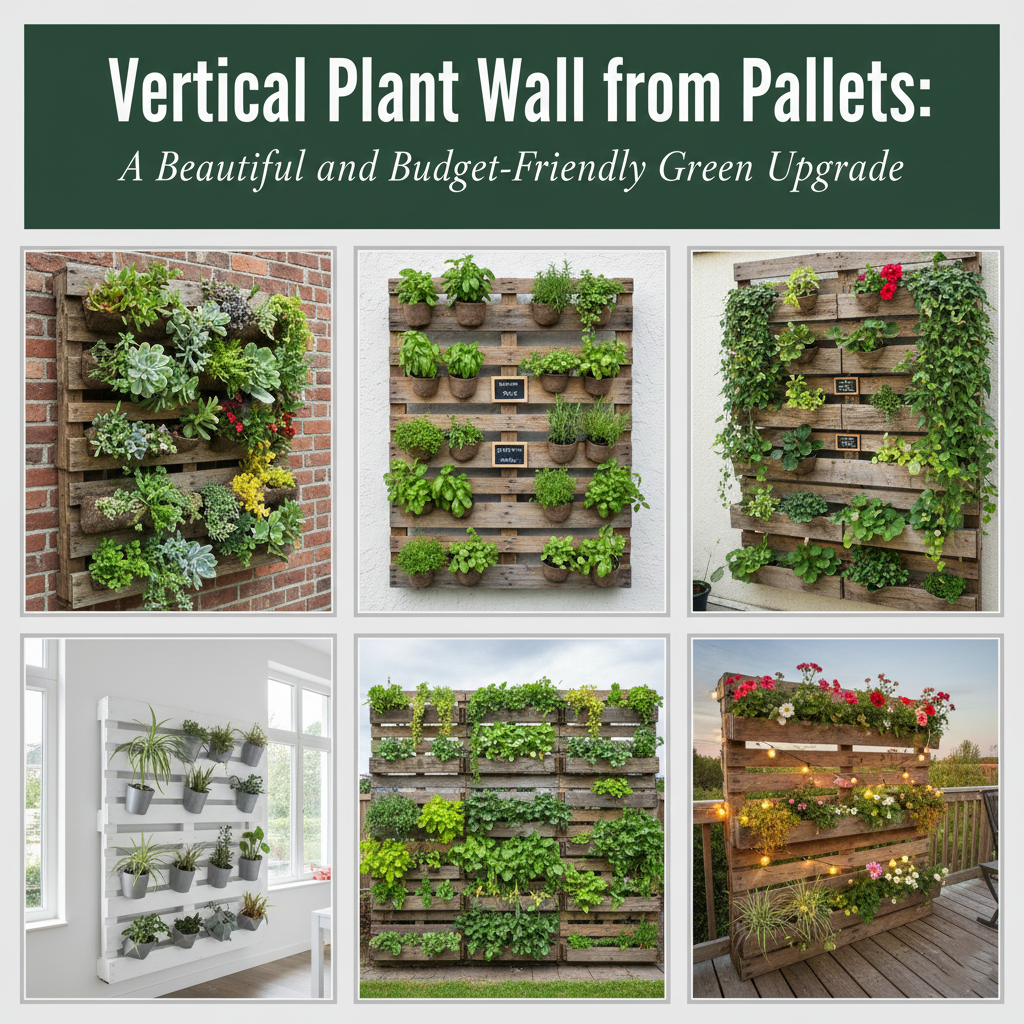
Vertical Plant Wall from Pallets: A Beautiful and Budget-Friendly Green Upgrade

12

Vertical Plant Wall from Pallets: A Beautiful and Budget-Friendly Green Upgrade

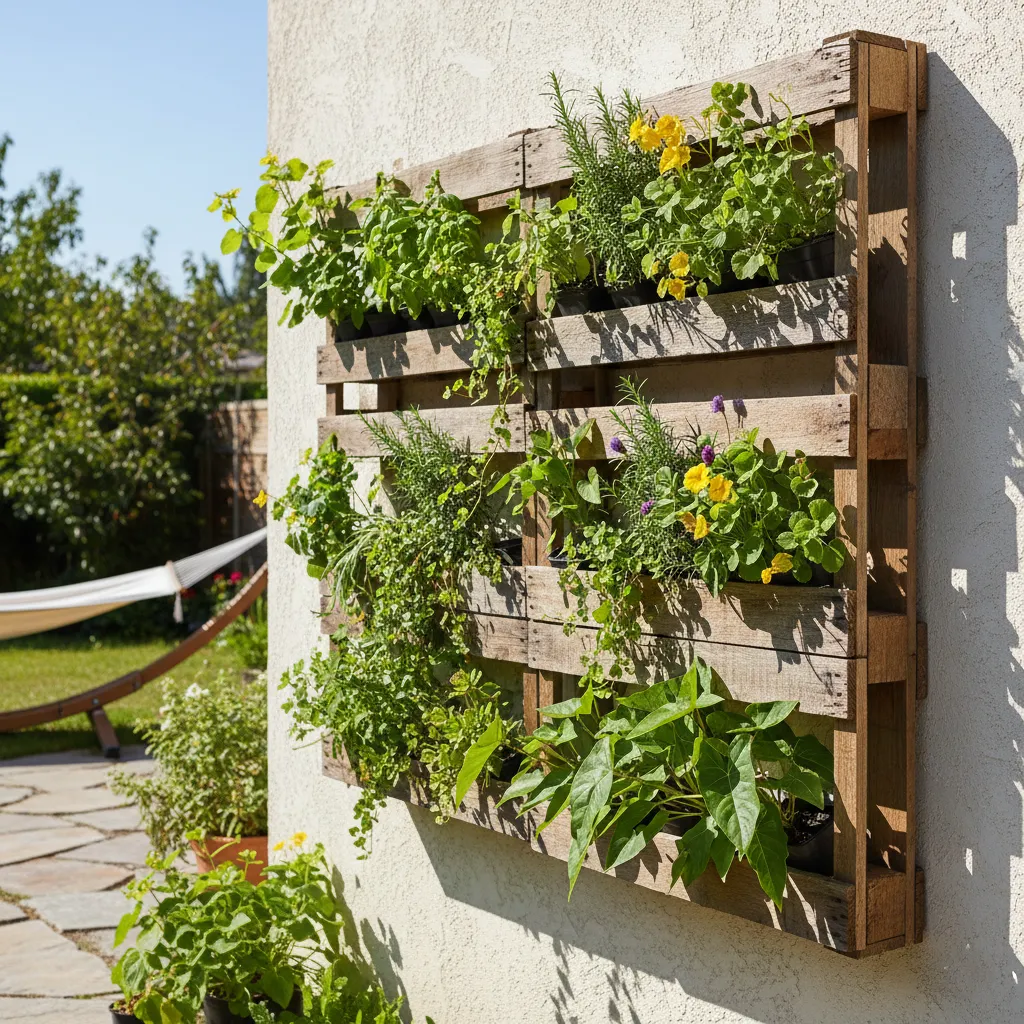
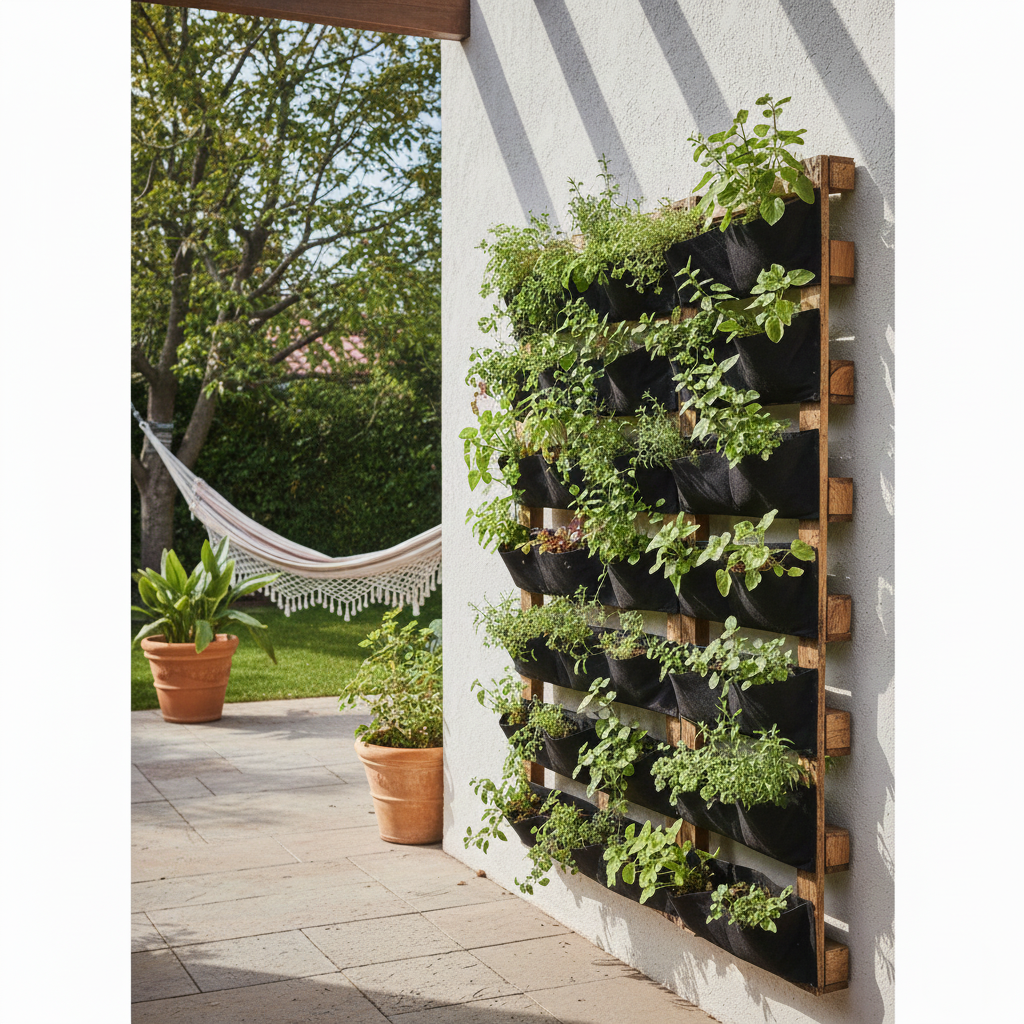
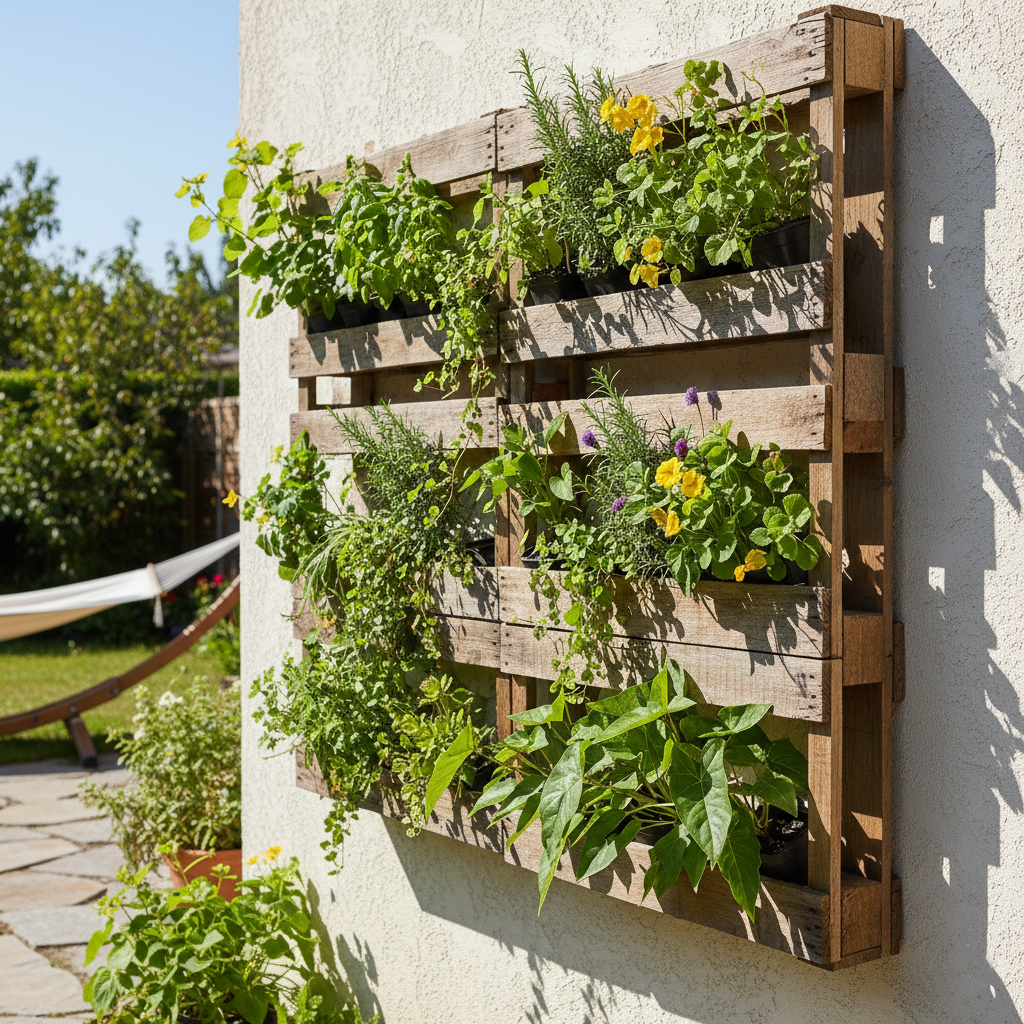
A vertical plant wall made from pallets can transform any dull wall into a living feature.
It is affordable.
It is sustainable.
And it adds life where space feels limited.

Pallet plant walls work well in gardens, patios, balconies, and even indoors.
They reuse wood that often ends up wasted.
That simple choice already feels good.

This guide shows how to plan, build, and style a pallet vertical garden that lasts.

First things first: cut it in half lengthwise. Then, scoop out the seeds.

Next, drizzle the insides lightly with olive oil and sprinkle with salt and pepper. I find that adding too much oil and too much salt at this stage makes the squash a bit watery, so a light drizzle and a light sprinkle will do.

Why Use Pallets for a Vertical Plant Wall?

Pallets are strong, easy to find, and simple to work with.
They are perfect for vertical gardening projects.

Many gardeners choose pallets because they blend beauty with purpose.
They support plants while reducing waste.

Key Benefits of Pallet Plant Walls

  • Low-cost or free material

  • Ideal for small spaces

  • Improves air quality

  • Adds natural insulation to walls

  • Encourages eco-friendly living

Pallet walls also create an emotional connection.
You build something with your own hands.
That pride shows every time you water your plants.

Best Places to Install a Pallet Plant Wall

  • Backyard fences

  • Balcony walls

  • Patio corners

  • Indoor sunlit walls

  • Rooftop gardens

Choose a spot with good airflow and sunlight.
Plants grow healthier when conditions feel right.

Why Use Pallets for a Vertical Plant Wall

Choosing the Right Pallets for Your Plant Wall

Not all pallets are safe for gardening.
This step matters more than most people realize.

Some pallets are treated with harmful chemicals.
Those should never touch soil or food plants.

Safe Pallets for Gardening

Look for pallets stamped with:

  • HT (Heat Treated)

  • DB (Debarked)

Avoid pallets marked:

  • MB (Methyl Bromide)

  • No visible stamp

Heat-treated pallets are safe for plants and people.
They also last longer outdoors.

Preparing Pallets Before Use

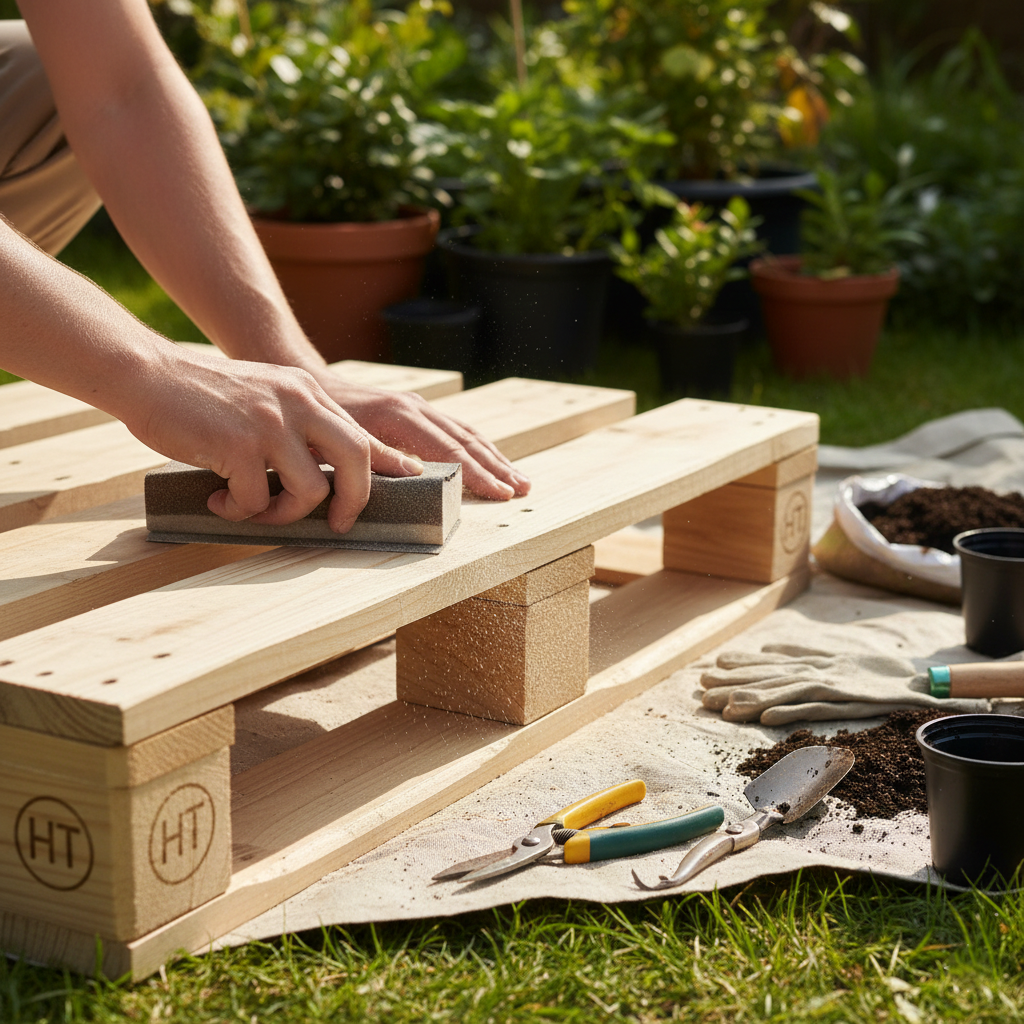
  • Sand rough edges

  • Remove loose nails

  • Wash with mild soap

  • Let the wood dry fully

This step prevents splinters and plant damage.
It also gives the pallet a clean look.


First things first: cut it in half lengthwise. Then, scoop out the seeds.

Next, drizzle the insides lightly with olive oil and sprinkle with salt and pepper. I find that adding too much oil and too much salt at this stage makes the squash a bit watery, so a light drizzle and a light sprinkle will do.

Choosing the Right

Step-by-Step Guide to Building a Pallet Vertical Plant Wall

Building a pallet plant wall is easier than it looks.
You do not need advanced skills.

Materials You Will Need

  • Wooden pallet

  • Landscape fabric

  • Staple gun

  • Potting soil

  • Plants or seedlings

  • Screws and wall anchors

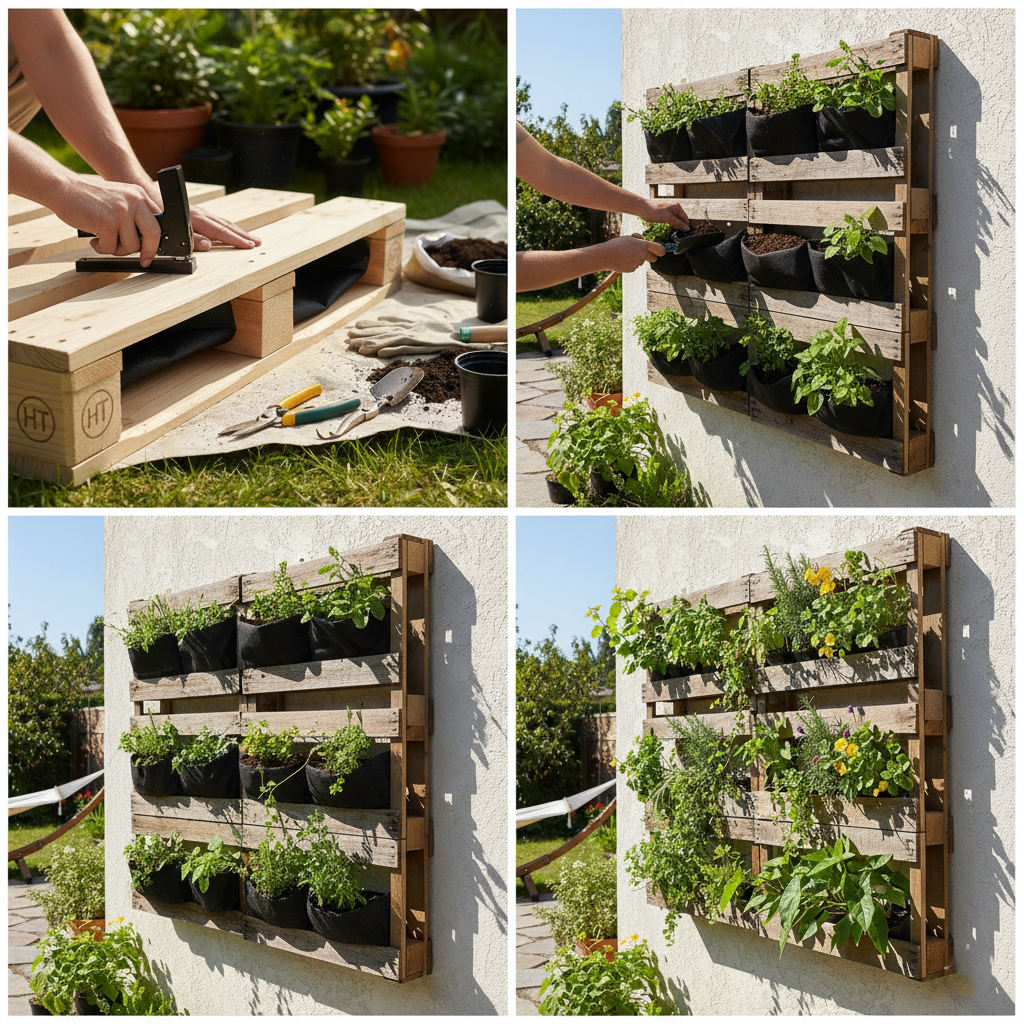
Simple Building Process

  1. Attach landscape fabric to the back and sides

  2. Fill pallet gaps with soil

  3. Plant from bottom to top

  4. Water thoroughly

  5. Let plants settle before hanging

Always plant the bottom row first.
This supports the soil above.

Let the pallet rest flat for a few days.
Roots need time to hold the soil in place.

Mounting Tips for Safety

  • Use wall anchors for heavy pallets

  • Keep weight evenly distributed

  • Avoid weak fences

A secure wall keeps plants and people safe.

process

Best Plants for a Pallet Vertical Garden

Plant choice defines success.
Not all plants enjoy vertical spaces.

Choose plants with shallow roots and flexible growth.
They adapt better to pallet gaps.

Ideal Plants for Pallet Walls

  • Herbs: basil, mint, parsley

  • Ferns

  • Succulents

  • Pothos

  • Ivy

  • Strawberries

  • Lettuce and spinach

Herbs work especially well.
They grow fast and smell amazing.

Mixing Plants for Visual Balance

  • Trailing plants soften edges

  • Upright plants add structure

  • Colorful leaves add contrast

This mix keeps the wall lively year-round.

Plants also create emotion.
Green walls reduce stress.
They make spaces feel calm and welcoming

best

Maintenance Tips to Keep Your Pallet Plant Wall Thriving

A pallet plant wall needs simple care.
Consistency matters more than effort.

Watering and Drainage Tips

  • Water from the top

  • Check moisture weekly

  • Avoid waterlogging

  • Use drip irrigation if possible

Good drainage prevents root rot.
Healthy roots mean healthy plants.

Seasonal Care Advice

  • Prune regularly

  • Replace weak plants

  • Add compost every few months

  • Protect wood with natural sealant

In colder climates, move walls indoors if possible.
In warmer regions, add shade during peak heat.

With proper care, a pallet wall lasts for years.
It grows with your space and your lifestyle.

wall flower

Final Thoughts: Is a Pallet Vertical Plant Wall Worth It?

Yes. Without hesitation.

A vertical plant wall from pallets saves space.
It saves money.
And it brings life to forgotten corners.

It feels rewarding to build something green.
It feels even better watching it grow.

If you want beauty without complexity, this is the project.

11

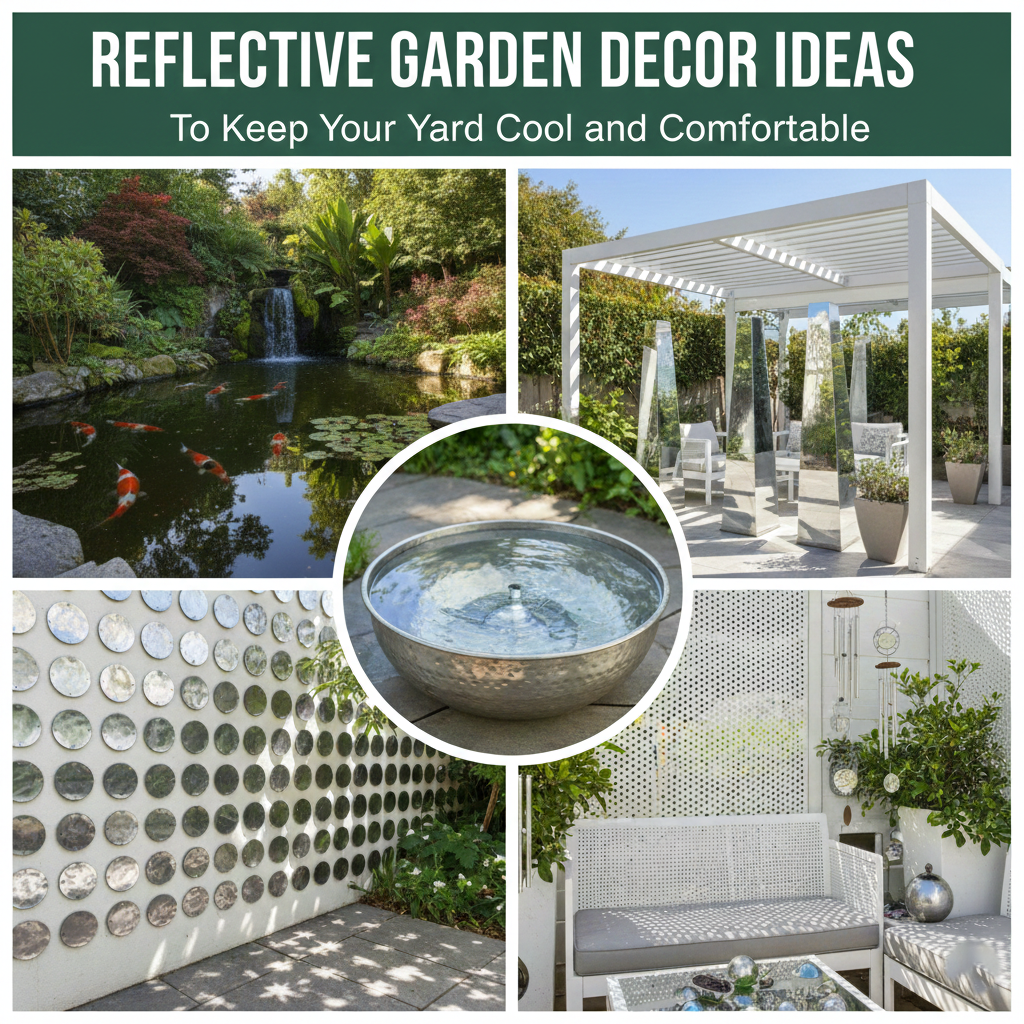
Reflective Garden Decor Ideas to Keep Your Yard Cool and Comfortable

11

Reflective Garden Decor Ideas to Keep Your Yard Cool and Comfortable

Summer heat can make outdoor spaces feel uninviting.
But smart garden decor can change that experience.

Reflective elements bounce sunlight instead of absorbing it.
This lowers surface temperature and brightens shaded areas.

When done correctly, reflective decor cools your yard naturally.
It also adds elegance, light, and visual depth.

Reflective Garden Mirrors to Redirect Sunlight

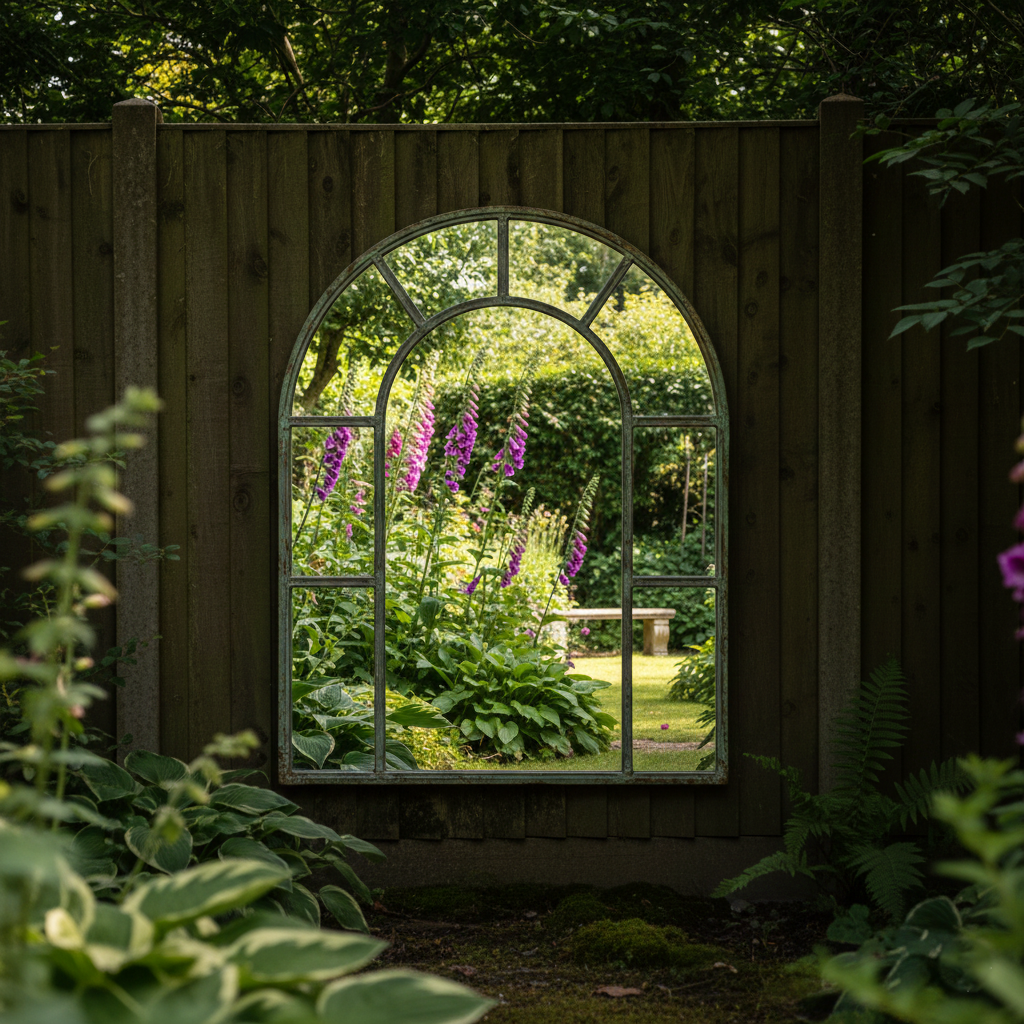
Garden mirrors are one of the most effective cooling decor elements.
They reflect light away from hot surfaces.

When placed correctly, mirrors reduce heat buildup near walls and fences.
They also make small yards feel larger.

Best Places to Use Garden Mirrors

  • Shaded side yards

  • North-facing walls

  • Narrow garden corners

  • Fence panels behind plants

Choose outdoor-grade mirrors.
They resist moisture and temperature changes.

Angle mirrors slightly downward.
This avoids harsh glare while redirecting light.

mirror wall

Light-Colored Stones and Gravel for Cooler Ground Surfaces

Dark surfaces absorb heat quickly.
Light-colored materials reflect it instead.

Gravel, pebbles, and stone paths can significantly lower ground temperature.
They stay cooler underfoot during hot days.

Best Reflective Ground Materials

  • White marble chips

  • Light limestone gravel

  • Pale river stones

  • Cream-colored decomposed granite

These materials also improve drainage.
That prevents trapped heat and moisture.

Use them in walkways and seating areas.
Comfort improves instantly.

stylishwalk

Metallic and Reflective Garden Sculptures

Metal decor reflects sunlight naturally.
It prevents heat from settling in one area.

Reflective sculptures add artistic interest while cooling the space.
They work especially well in open yards.

Effective Reflective Decor Options

  • Stainless steel garden orbs

  • Polished aluminum sculptures

  • Mirror-finish wind spinners

  • Reflective wall panels

Place these pieces where sunlight is strongest.
They redirect light instead of trapping it.

Avoid sharp glare near seating areas.
Balance beauty with comfort.

stealstacho

Reflective Water Features That Lower Ambient Heat

Water naturally cools air through evaporation.
Reflective water surfaces amplify this effect.

Ponds, fountains, and shallow bowls reflect sunlight upward.
They prevent ground heat buildup.

Cooling Water Feature Ideas

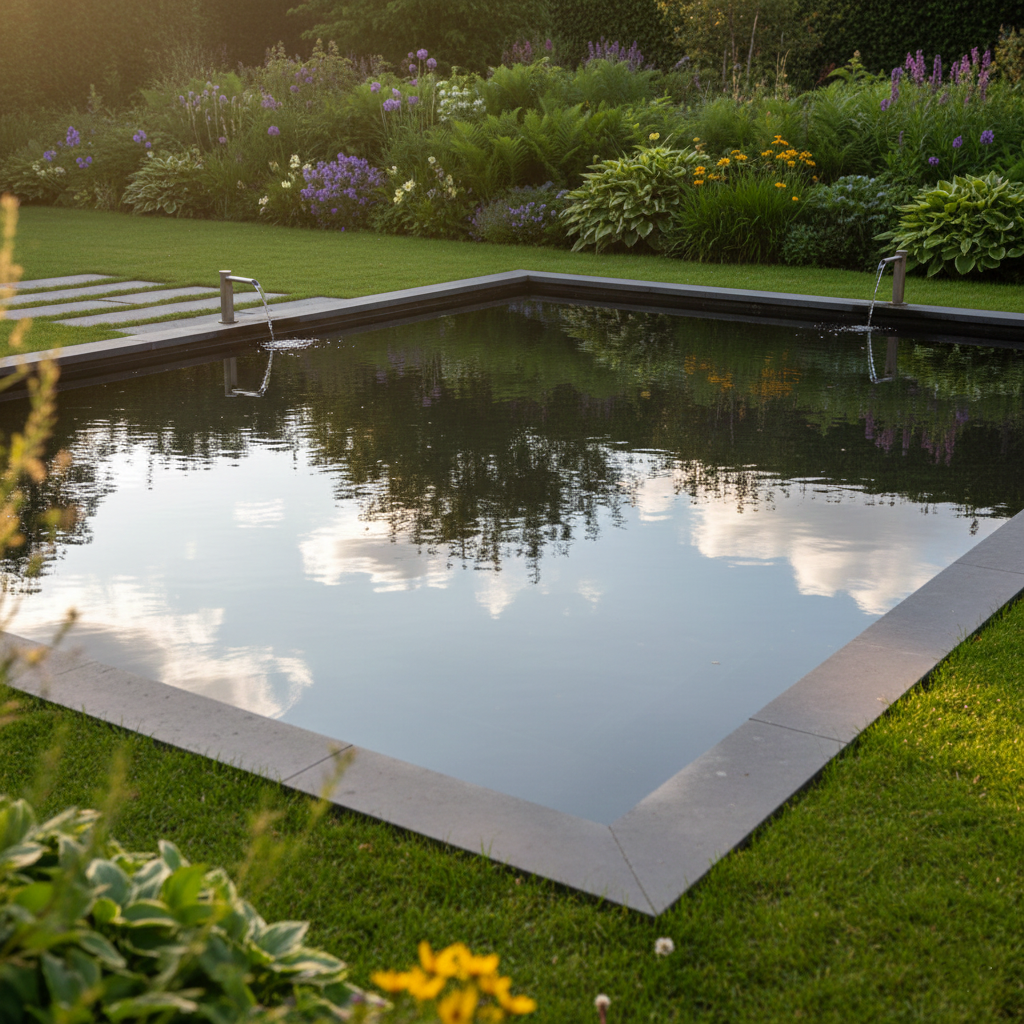
  • Shallow reflecting pools

  • Ceramic water bowls

  • Solar fountains

  • Birdbaths with glossy finishes

Moving water cools surrounding air faster.
It also adds soothing sound.

This combination makes outdoor spaces more inviting in heat.

waterpool

Reflective Planters and Light-Tone Garden Decor

Planters often sit in direct sunlight.
Dark pots absorb and radiate heat.

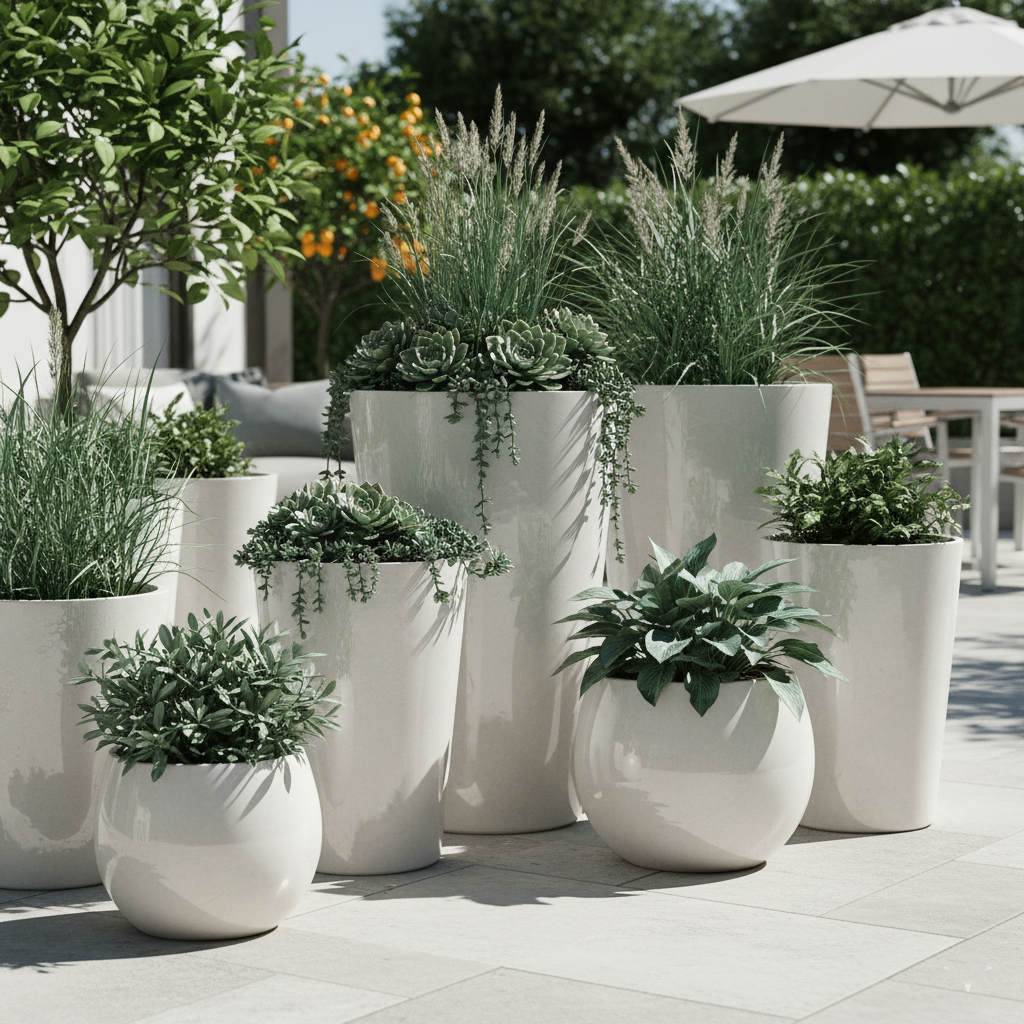
Light-colored and glazed planters reflect sunlight instead.
This protects plant roots from overheating.

Best Cooling Decor Choices

  • White ceramic planters

  • Glazed terracotta pots

  • Silver-toned metal containers

  • Light stone garden accents

Pair reflective planters with shade-loving plants.
They stay healthier during heatwaves.

This approach improves plant survival and yard comfort.

whitestyle

Final Thoughts: Do Reflective Garden Decor Ideas Really Keep a Yard Cool?

Yes, they do.

Reflective garden decor reduces heat absorption naturally.
It lowers surface temperatures and improves airflow.

These ideas work without electricity or complex systems.
They are sustainable, stylish, and practical.

Even small changes make a noticeable difference.
A cooler yard feels more welcoming and usable.

When beauty and comfort work together, outdoor spaces truly shine.

10

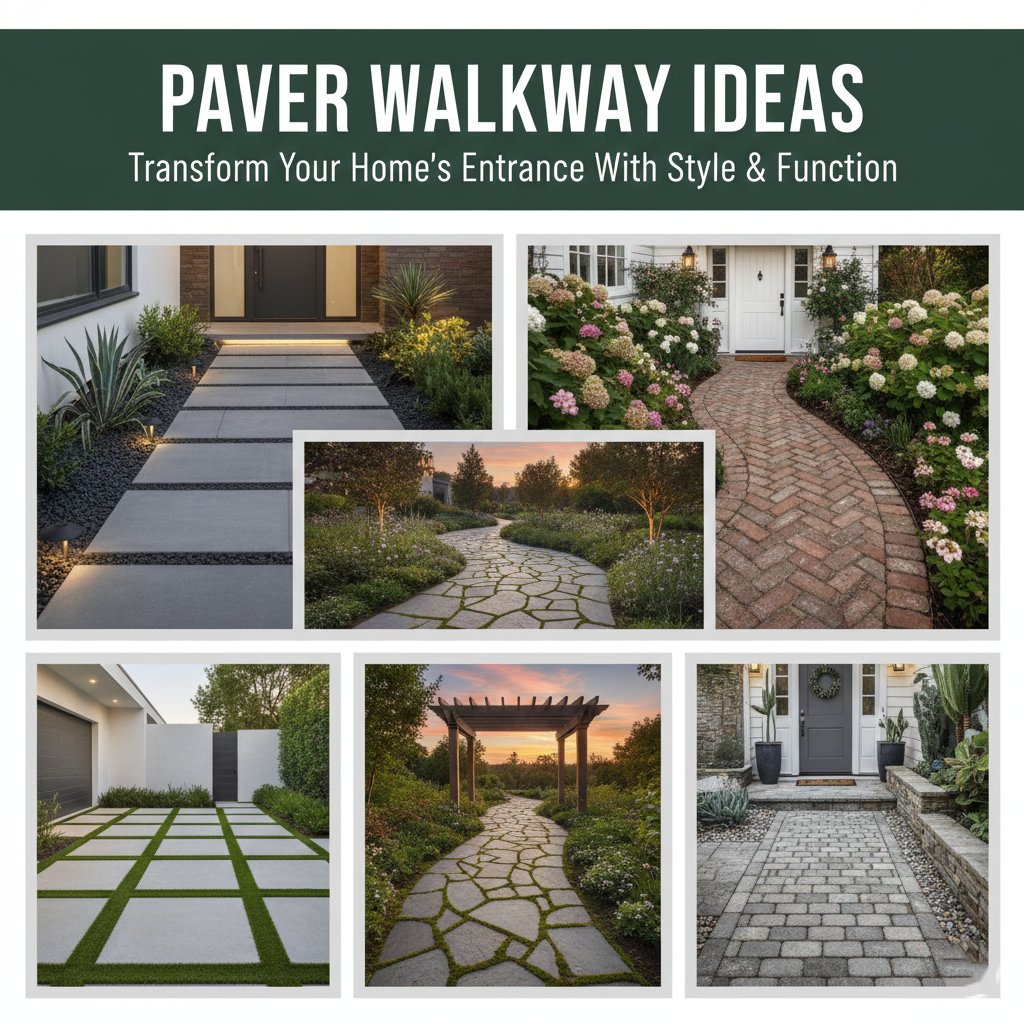
Paver Walkway Ideas: Transform Your Home’s Entrance With Style & Function

10

Paver Walkway Ideas: Transform Your Home's Entrance With Style & Function

Your walkway is the first impression guests have of your home. It sets the tone before they even reach your door. A well-designed paver walkway does more than look beautiful—it adds curb appeal, increases property value, and creates a welcoming pathway.

Whether you want a classic entrance or a modern aesthetic, the right paver design can completely transform your outdoor space. Let's explore what makes walkways stand out and how to choose the perfect design for your home.

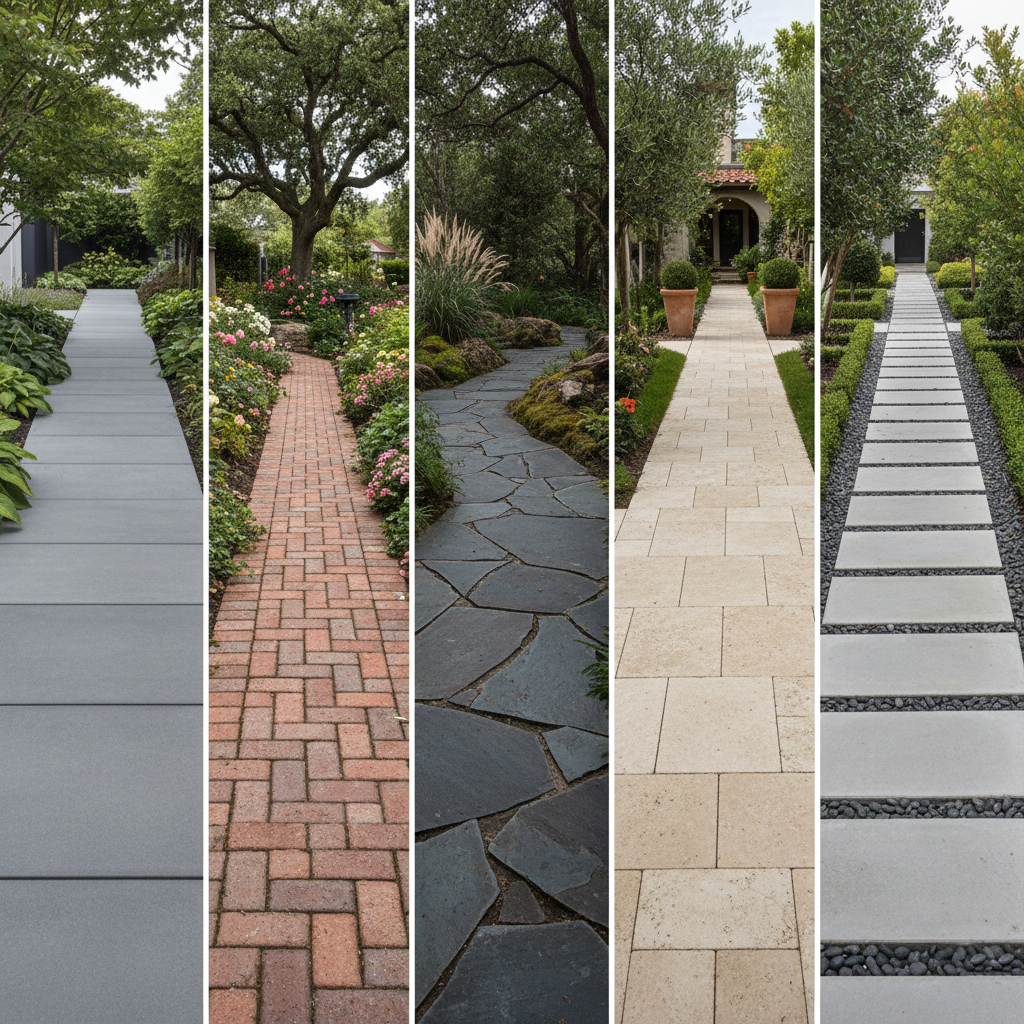
paver walkway ideas

Why Paver Walkways Matter More Than You Think

Your walkway is the first impression guests have. Here's the thing about walkways: people notice them. A thoughtfully designed path draws visitors in and guides them naturally to your entrance. It's not just about aesthetics, though that matters. Paver walkways are durable, low-maintenance, and can last 25 years or more with proper installation.

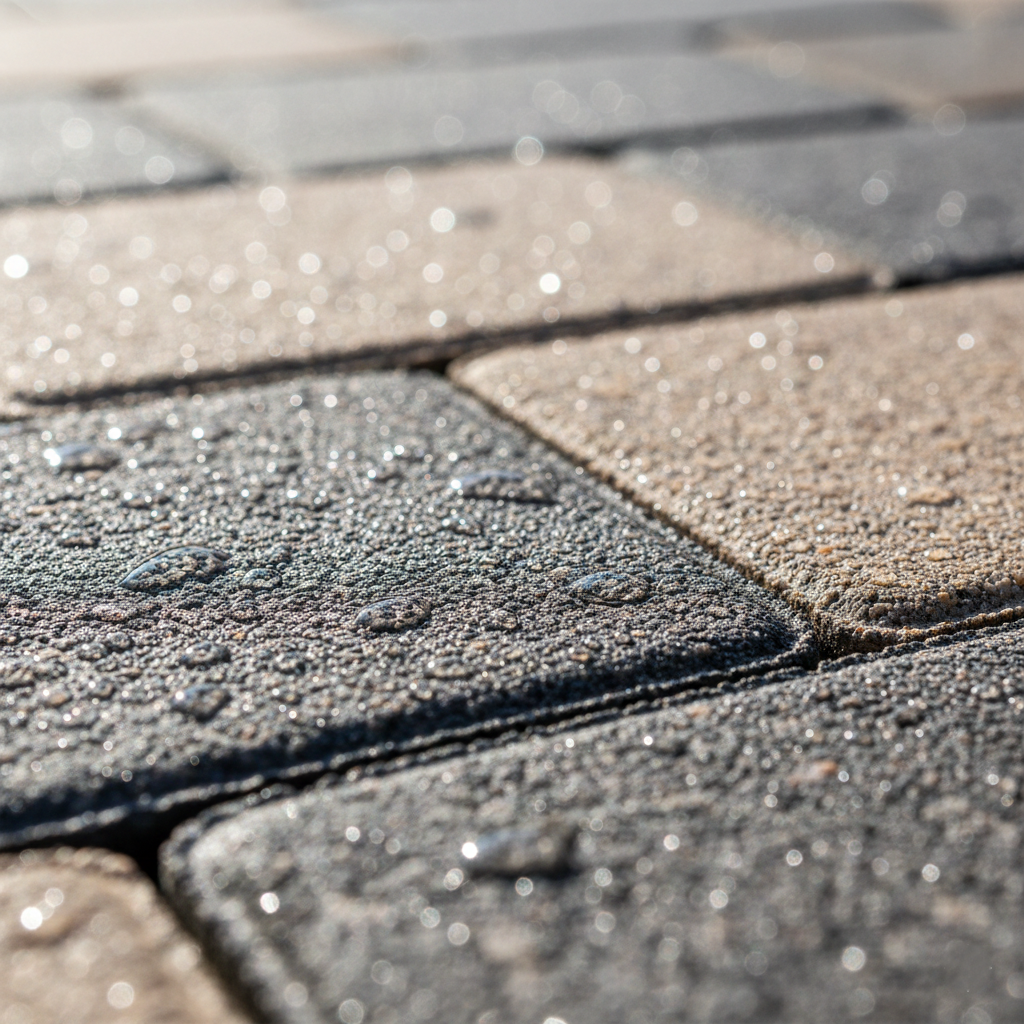
Unlike concrete slabs that crack and age poorly, pavers remain visually stunning while handling daily foot traffic without complaint. They also allow water to drain properly, preventing puddles and ice buildup during winter.

why

Popular Paver Walkway Materials: Finding Your Perfect Match

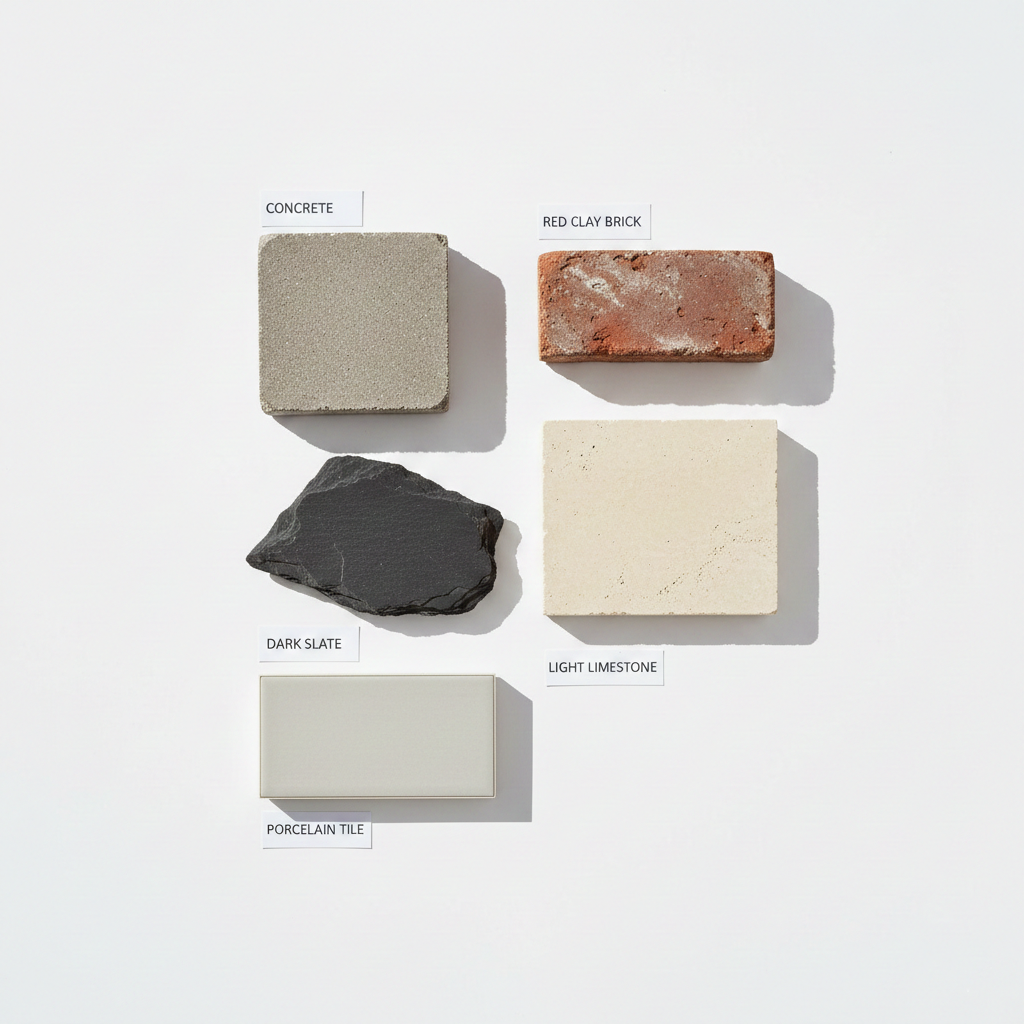
The material you choose sets the foundation for your entire design. Each option brings distinct character and benefits.

Concrete Pavers

Concrete is the most affordable and versatile option. These pavers come in countless colors, sizes, and finishes. You can find textured options for extra grip, smooth finishes for a polished look, or even decorative patterns. Many homeowners love concrete because you get professional-looking results without breaking the bank.

Brick Pavers

Brick brings timeless elegance and warmth. If you want that classic, traditional feel, brick is your go-to choice. Each brick has natural color variations that create visual depth, and the rustic appeal never goes out of style. The downside? Brick can be pricier and requires slightly more maintenance than concrete.

Natural Stone Options

Flagstone, slate, bluestone, and limestone offer premium aesthetics. Each type has unique characteristics—slate is dark and sophisticated, bluestone is cool and contemporary, while limestone feels warm and inviting. Natural stone walkways are show-stoppers but come with higher costs and professional installation requirements.

Porcelain Pavers

This newer option is gaining traction for good reason. Porcelain pavers are incredibly durable, fade-resistant, and stain-proof. They mimic natural stone beautifully but require less maintenance. They're ideal if you want luxury without the upkeep headaches.

Cobblestone & Mixed Materials

For that European charm, cobblestone delivers unmistakable character. You can also blend materials—combining polished concrete with natural stone inlays or mixing brick with granite borders. These layered approaches create visual interest and sophistication.
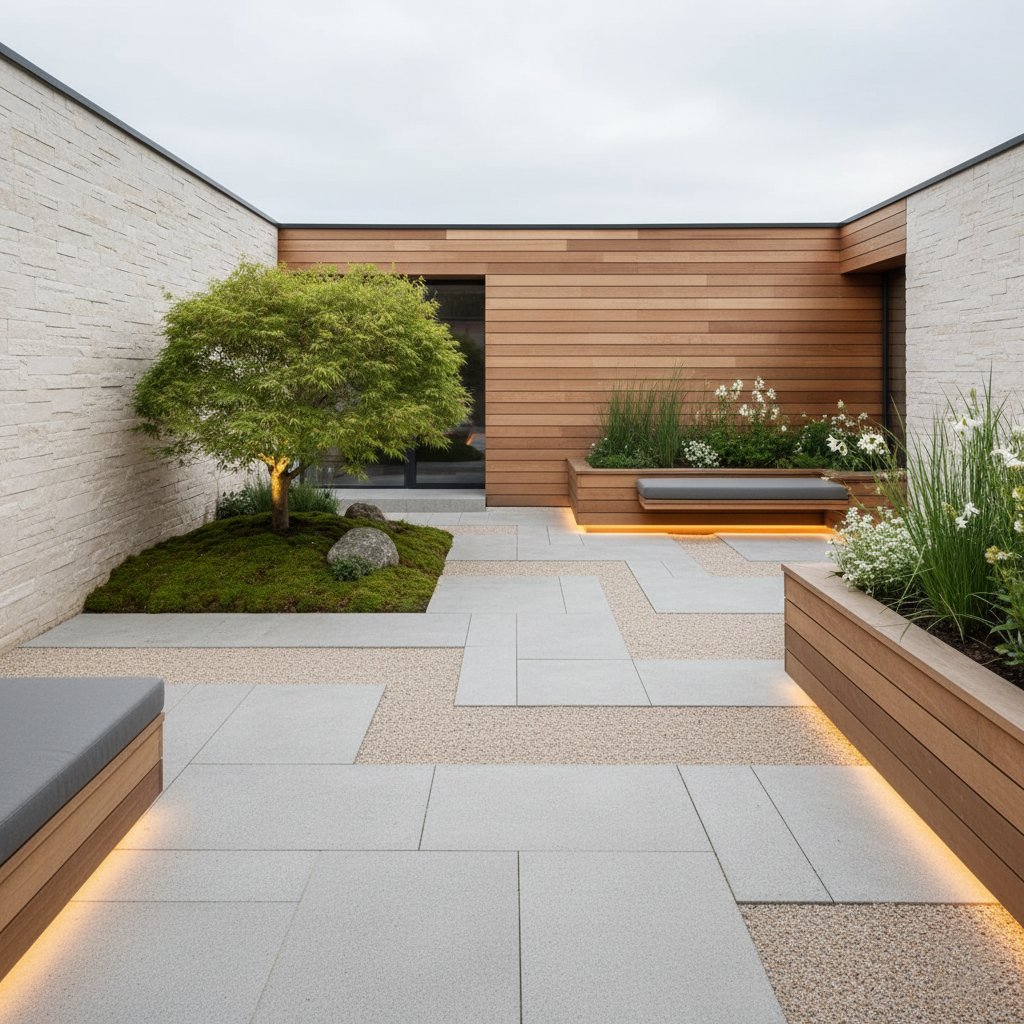
why
Rock
Rockffer

Budget-Friendly Walkway Ideas

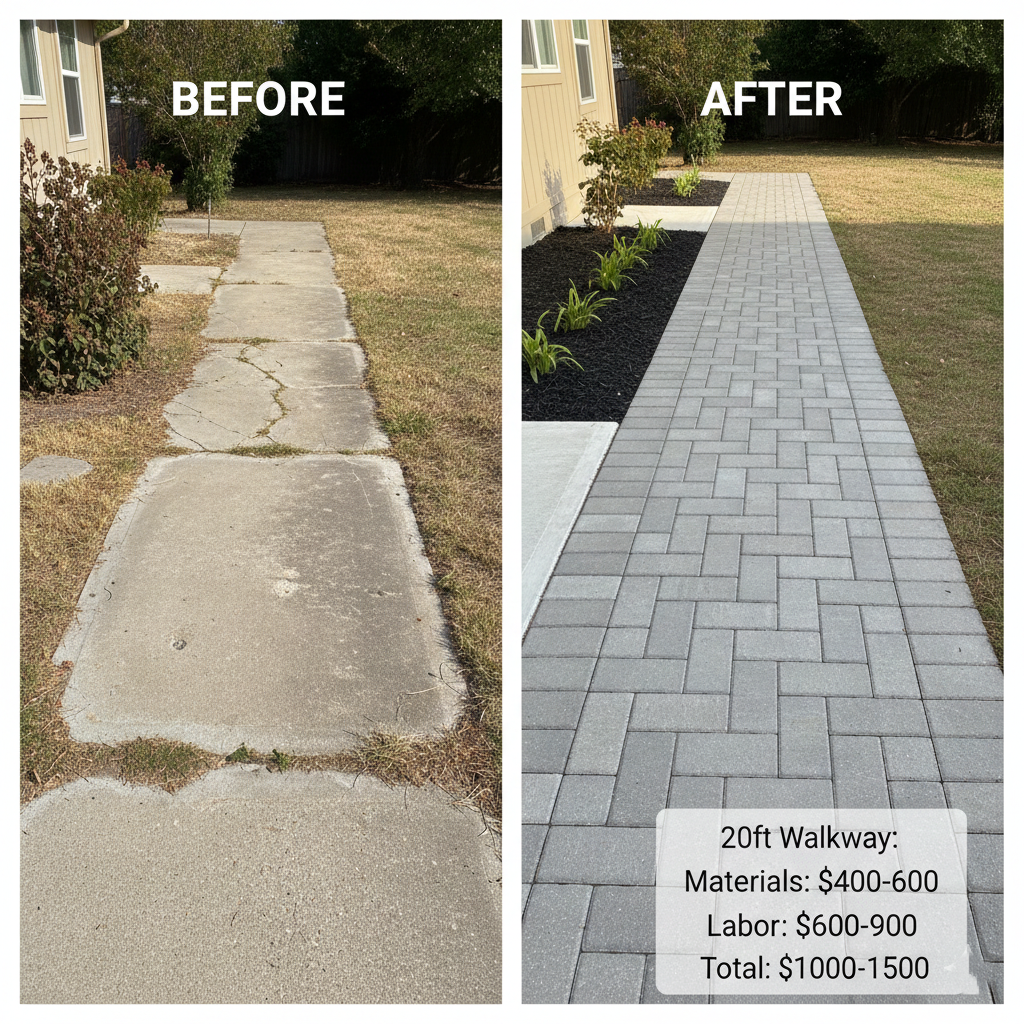
Cost-conscious? Start with concrete pavers in neutral colors. Simple patterns like running bond or stack bond reduce labor. Keep the walkway narrower (3 feet) to reduce material needs. Skip complicated borders and inlays initially—you can upgrade later.

Crushed granite and stepping stones offer budget alternatives, though they require more maintenance and don't last as long as pavers.

frendly
9

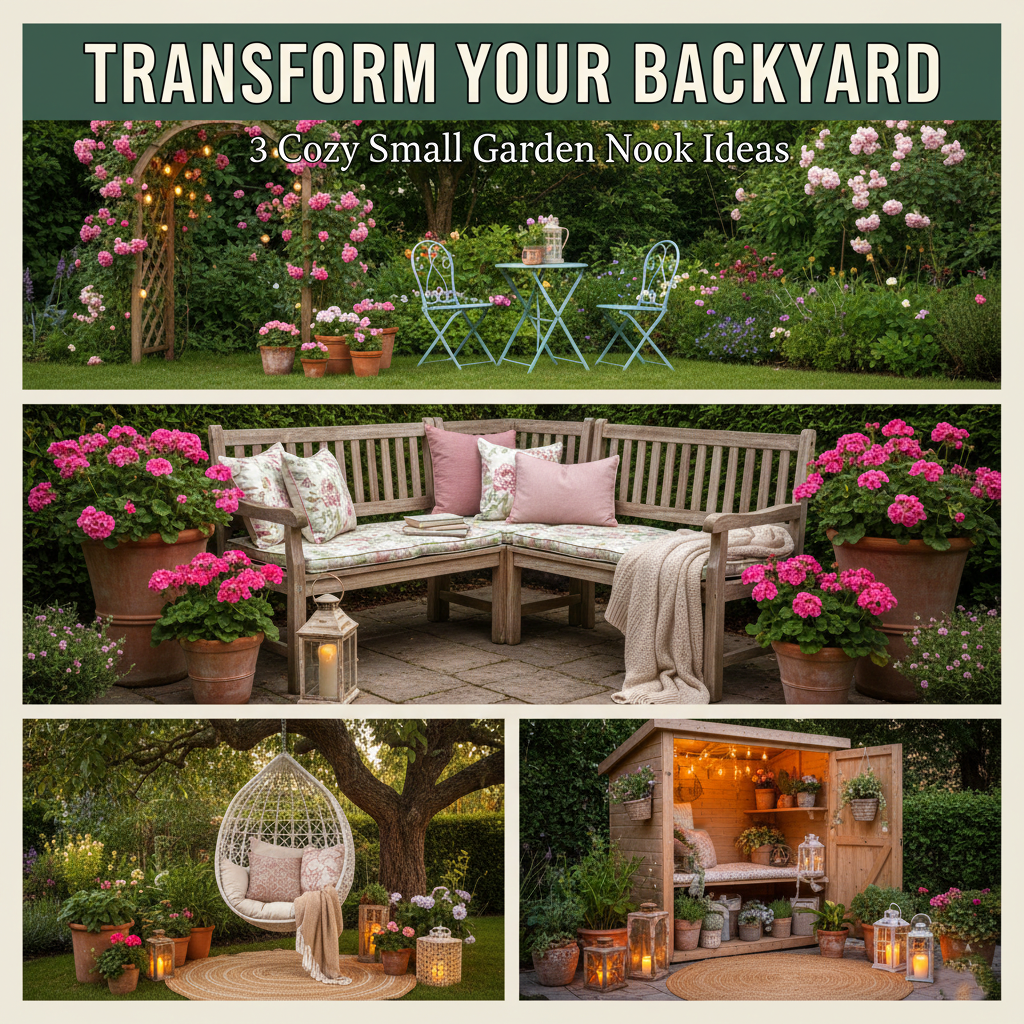
Transform Your Backyard: 3 Cozy Small Garden Nook Ideas

9

Transform Your Backyard: 3 Cozy Small Garden Nook Ideas

Do you have a forgotten corner in your yard? Perhaps it's a tight squeeze between your garage and a fence, or a small patio that feels more like a passageway than a place to unwind. Even the smallest patch of dirt or concrete can become a profound sanctuary. You don’t need a massive estate to find peace outdoors; sometimes, the most intimate spaces offer the most profound sense of calm.

Creating a garden nook is about more than just decor; it's about carving out a personal haven. Imagine a quiet spot for your morning coffee, a sun-drenched corner for reading, or a sheltered retreat where you can simply watch the clouds drift by. It’s about making a connection with nature, even in an urban setting. Let’s explore how to transform those tiny, overlooked gaps into your favorite "room" in the house—a place that feels utterly your own.

1. Define Your Nook with Vertical Interest

When floor space is tight, your most valuable asset is often overlooked: vertical space. Think upwards! Using height effectively can create a remarkable sense of enclosure, privacy, and lushness, making a small area feel much more significant and immersive.

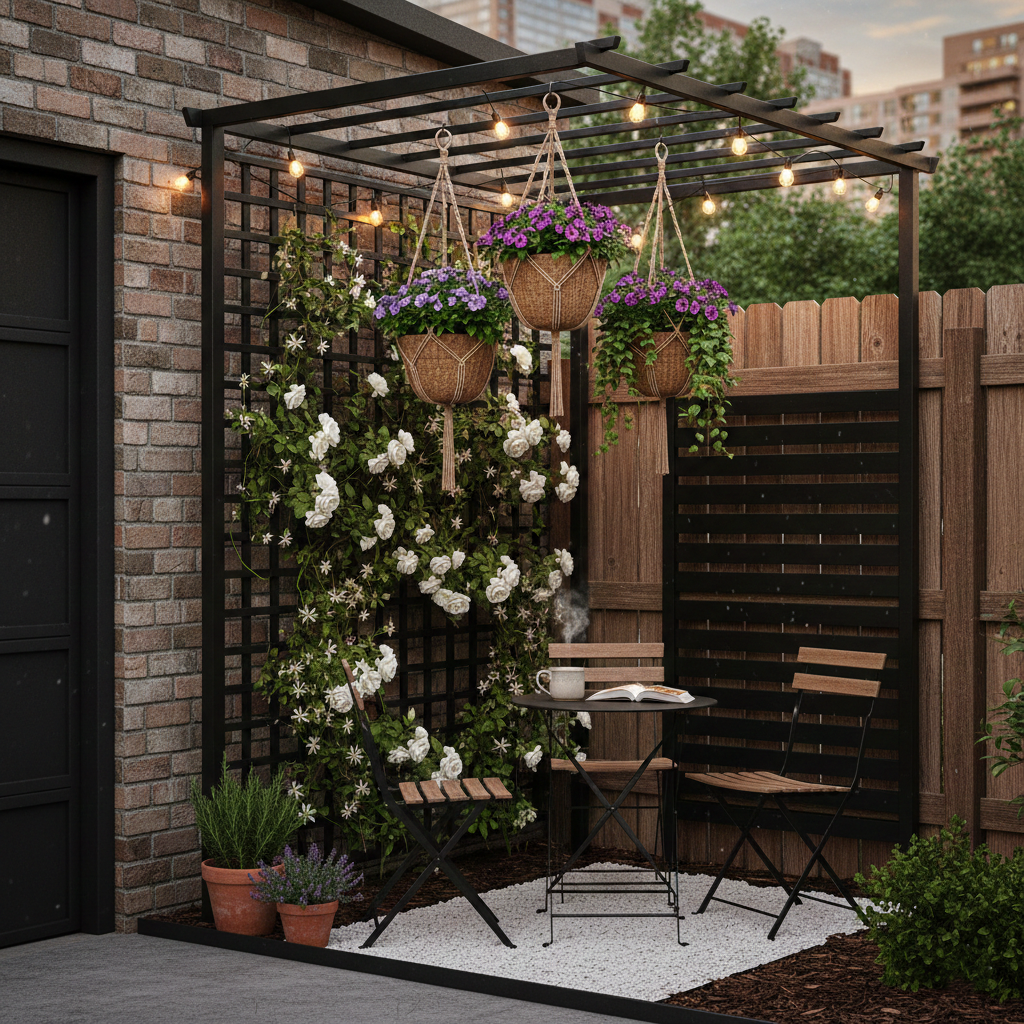
  • Install a Trellis: A simple trellis attached to a wall or fence can be a game-changer. Imagine fragrant climbing roses reaching for the sky, or delicate jasmine weaving its way through the lattice, releasing its intoxicating scent on a warm evening. These living walls add beauty and a natural "hug" to your nook. They also provide a beautiful backdrop for your seating area.

  • Hanging Planters: Don't let precious ground go unused. Suspend baskets brimming with cascading ferns, vibrant petunias, or even trailing herbs. This draws the eye upward, creating layers of greenery and saving valuable floor space below. You can use hooks from an overhang, a pergola, or even a sturdy tree branch.

  • Privacy Screens: If you need a quick and stylish way to block an undesirable view or simply enhance the feeling of seclusion, consider a decorative privacy screen. A slatted wooden panel, a bamboo screen, or even a metal art piece can add architectural interest while providing a visual barrier. They offer shade and can transform an exposed area into a cozy hideaway.


Vertical Interest

2. Choose the Right Seating for Small Spaces

The seating is the heart of your garden nook; it’s where you’ll spend your time relaxing. But huge patio sets will quickly overwhelm a small area, making it feel cramped and uncomfortable. In a small space, scale is absolutely everything. You need pieces that are proportionate, functional, and perhaps even multi-purpose.

  • Bistro Sets: These classic metal or wooden sets are a staple for a reason. They are typically compact, often featuring a small round table and two chairs. Many designs fold away easily, which is perfect for maximizing flexibility. They evoke a charming, European cafe vibe and are ideal for intimate conversations or a solo meal outdoors.

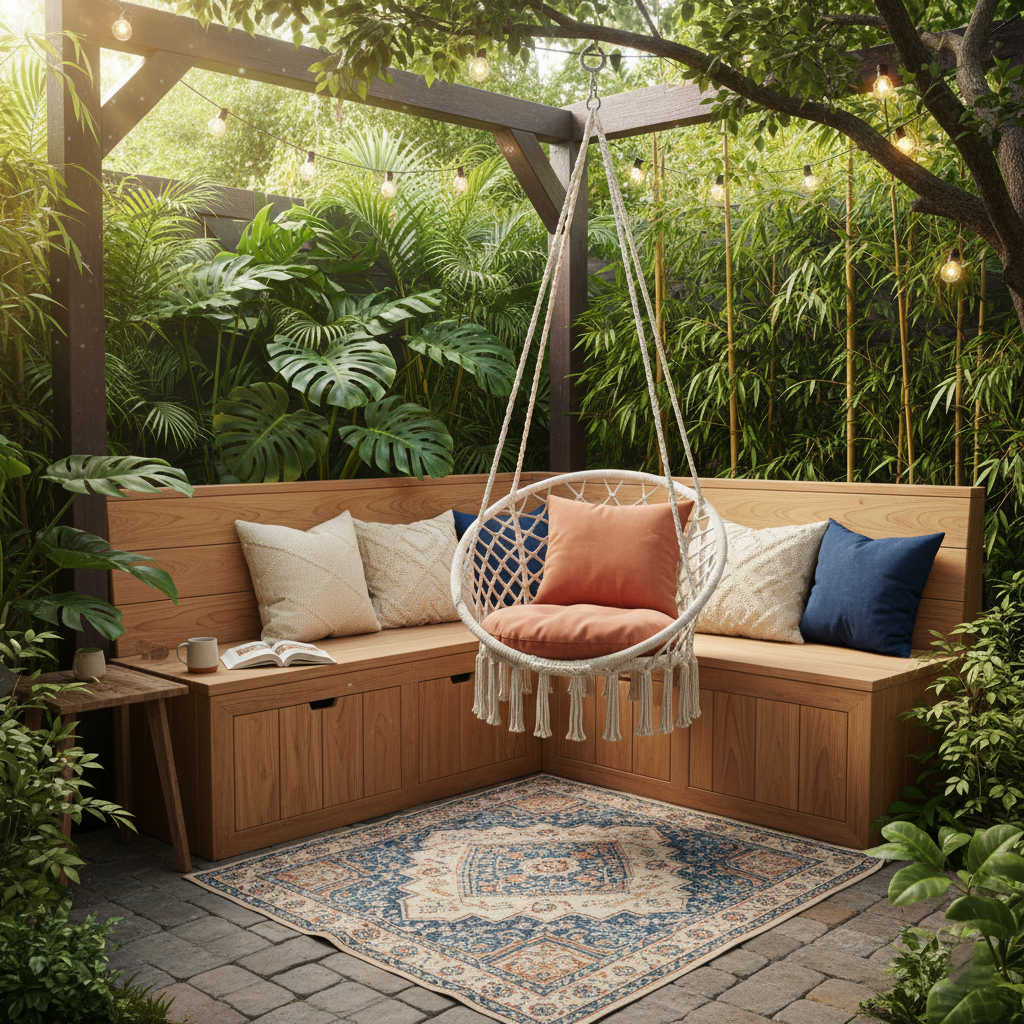
  • Built-in Benches: For truly tiny or awkward spaces, custom-built benches are an absolute dream. An L-shaped bench, for instance, can maximize every single inch of available space, fitting snugly into a corner. As an added bonus, the area underneath a built-in bench can be designed for hidden storage—perfect for stashing cushions, gardening tools, or even extra blankets for chilly evenings.

  • Hammocks or Swings: If ultimate relaxation is your goal, consider a hammock or a hanging chair/swing. These pieces create a playful, bohemian vibe and offer incredible comfort. The best part? Many designs take up very little to no floor space, as they are suspended from a sturdy beam, a tree, or a dedicated stand. Imagine gently swaying in the breeze with a good book!

Right Seating for Small Spaces

3.Use Color and Light to Set the Mood

A garden nook isn't just for daytime enjoyment. The magic truly begins once the sun starts to set, and the right lighting can transform a simple outdoor space into a mesmerizing, intimate retreat. Beyond illumination, strategic use of color can breathe life and personality into your small haven.

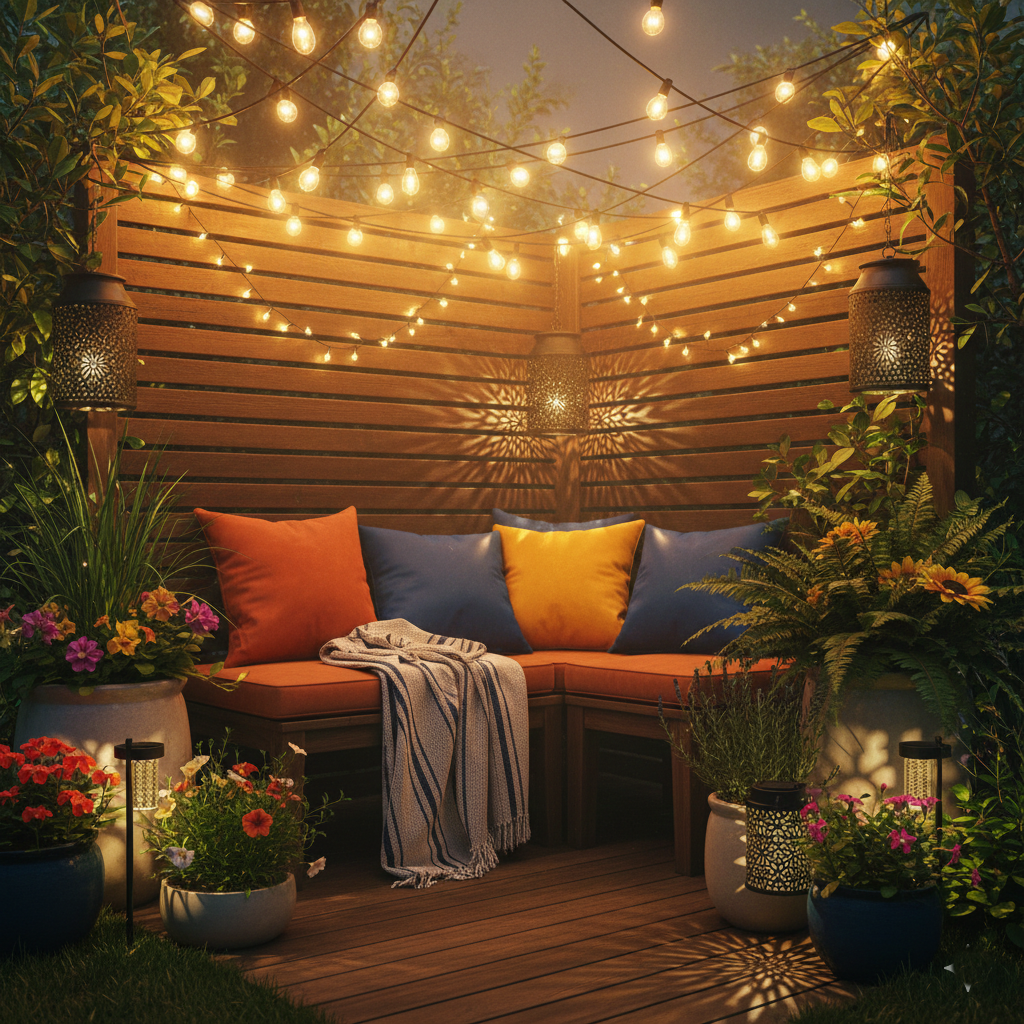
  • Warm String Lights: These are perhaps the easiest and most impactful way to add ambiance. Drape Edison-bulb string lights across a fence, weave them through a trellis, or suspend them overhead from a pergola. The warm, soft glow instantly creates a cozy and inviting atmosphere, perfect for evening gatherings or quiet contemplation. They feel incredibly festive and charming.
  • Solar Lanterns: For pathways or to highlight specific plants, solar-powered lanterns are both eco-friendly and wonderfully convenient. They charge during the day and automatically light up at dusk, providing gentle illumination without the need for unsightly wires or outlets. You can place them on tables, hang them from hooks, or stake them into the ground.

  • Bold Cushions: Don't underestimate the power of textiles! While the greenery provides natural color, vibrant cushions and throw pillows can inject a massive dose of personality and comfort. Choose hues that complement your plants, like lush emerald greens, or opt for bold contrasts such as terracotta reds, sunny yellows, or deep blues. These colors make your seating area pop and invite you to settle in.

Light to Set the Mood
8

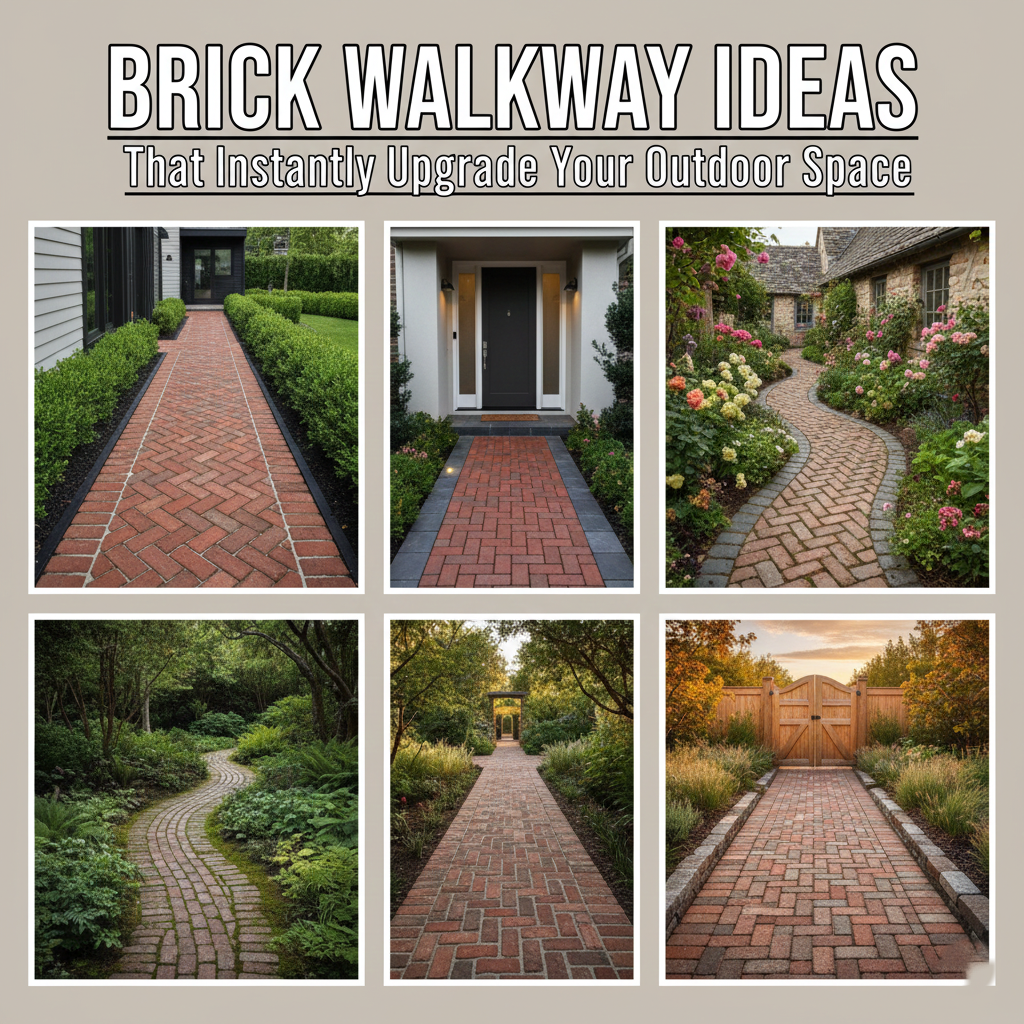
Brick Walkway Ideas That Instantly Upgrade Your Outdoor Space

8

Brick Walkway Ideas That Instantly Upgrade Your Outdoor Space

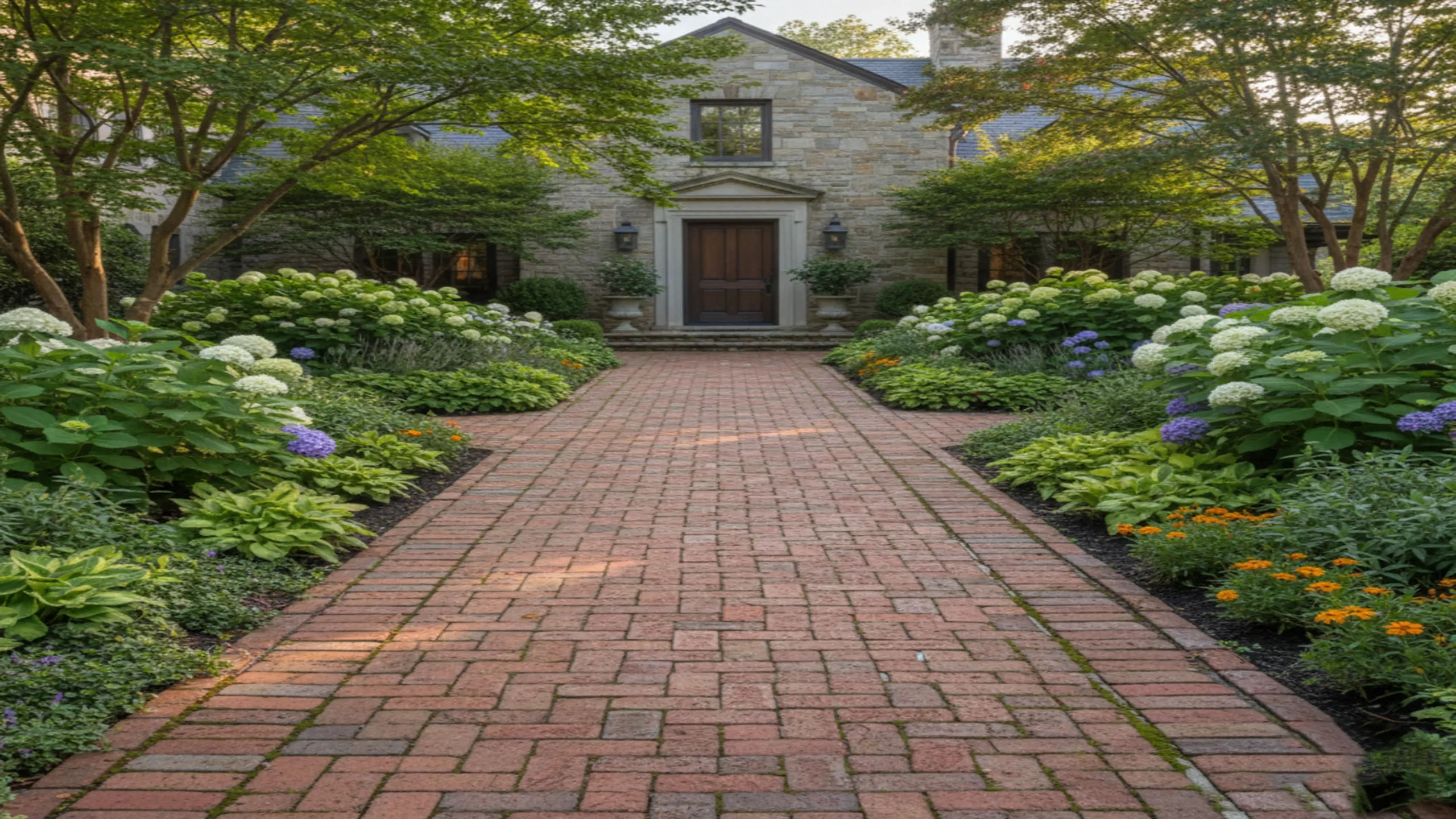
A brick walkway adds charm and character to any outdoor area. Whether it’s your garden path, front yard, or backyard, the right brick walkway can create a warm, inviting feel. In this guide, you’ll find fresh ideas and practical tips to design a beautiful brick walkway that fits your style and space.
Why Choose a Brick Walkway?

Brick walkways are timeless and versatile. Here’s why many homeowners in the USA and UK love them:

  • Durability: Bricks can withstand heavy foot traffic and harsh weather.

  • Aesthetic appeal: They offer a classic, rustic look that blends well with various landscapes.

  • Easy maintenance: Bricks are simple to clean and repair individually if needed.

  • Eco-friendly: Many bricks are made from natural clay and can be recycled.

Hero2

Popular Brick Walkway Patterns

The layout of your bricks influences the walkway’s style and feel. Here are some favorite patterns to inspire you:

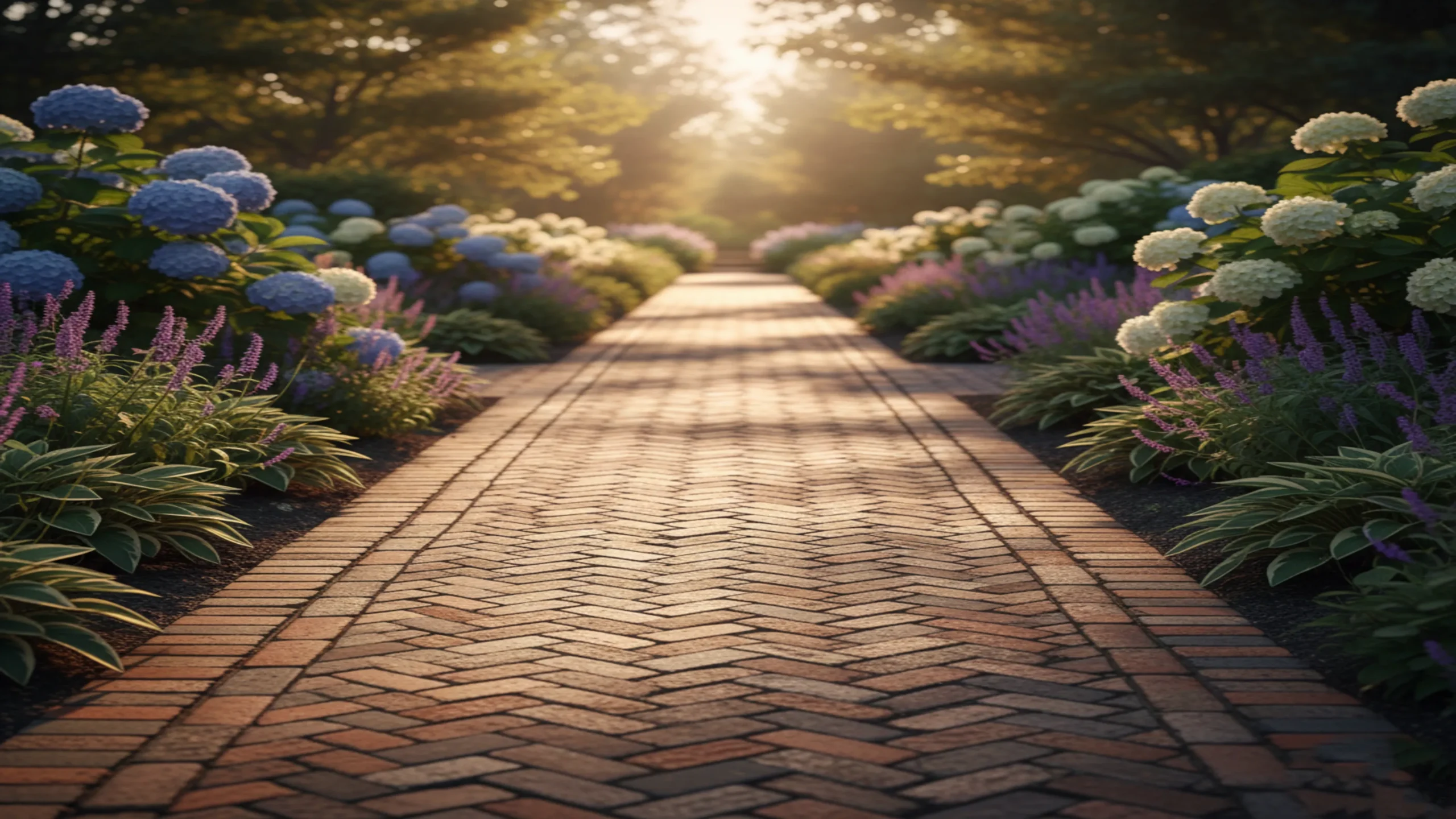
1. Herringbone Pattern

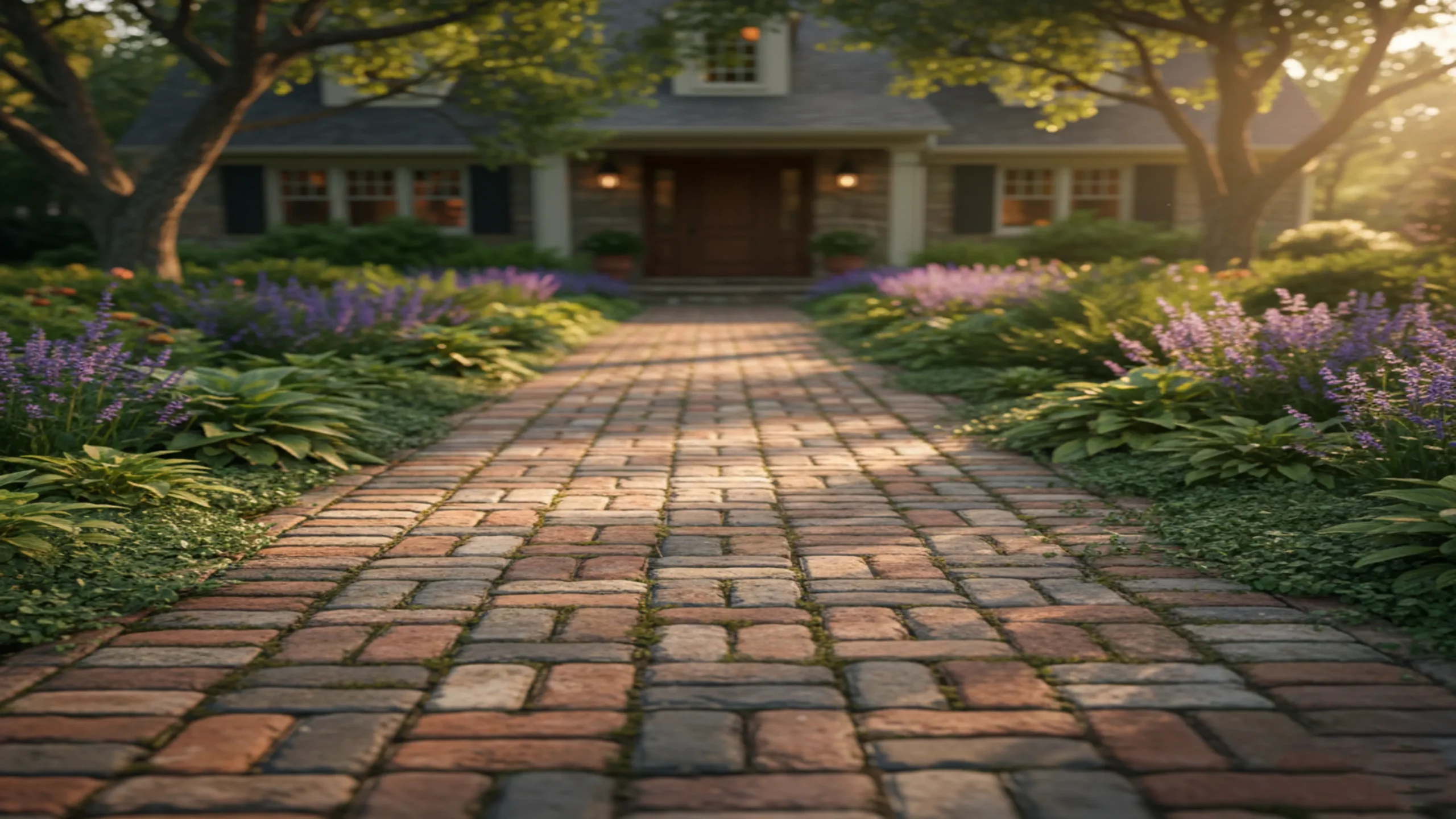
A classic zigzag design that’s both stylish and strong. It’s perfect for high-traffic areas because the interlocking bricks resist shifting.

2. Running Bond

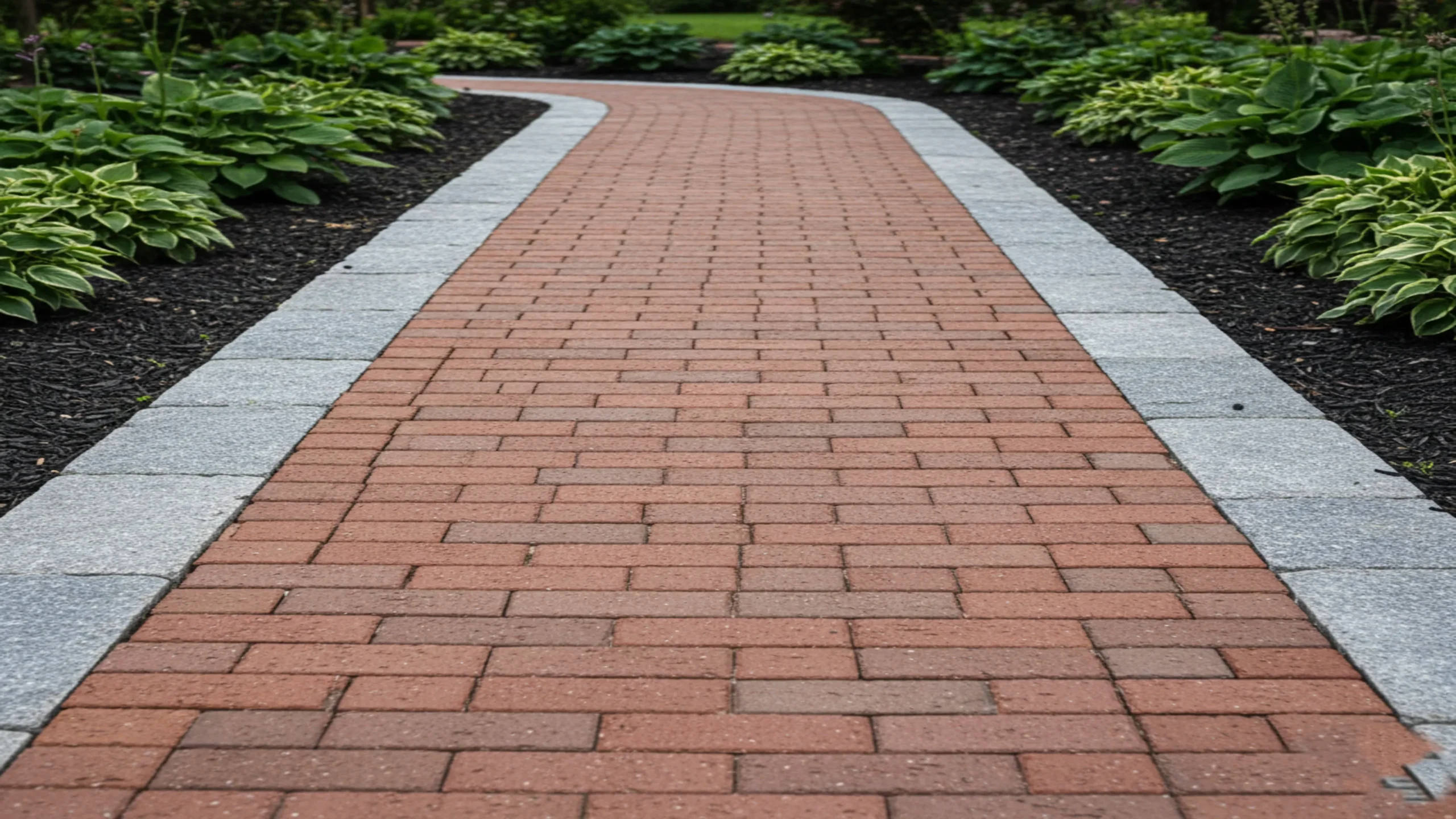
Simple and elegant, this pattern resembles traditional brick walls. It’s easy to install and works well in narrow walkways.

3. Basket Weave

This pattern creates a woven effect, adding texture and visual interest. It suits garden paths or areas needing a cozy touch.

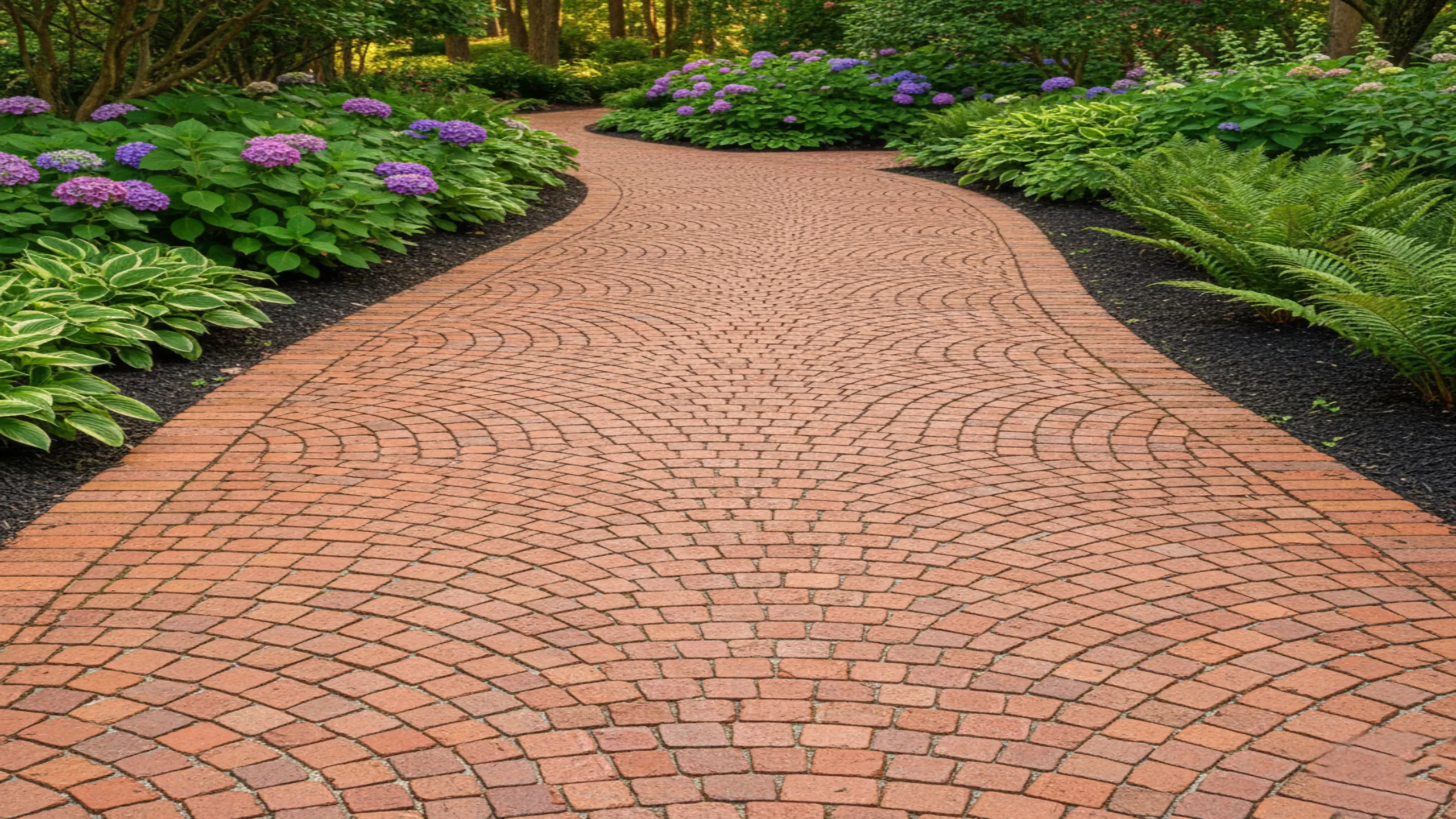
4. Circular or Fan Pattern

Ideal for curved walkways, these patterns bring a dynamic, artistic vibe to your outdoor space.

Hero
simplecolor

Choosing the Right Bricks for Your Walkway

Choosing the Right Bricks for Your Walkway

  • Clay bricks: Classic and warm in color, great for traditional settings.

  • Concrete bricks: Affordable and come in various colors and textures.

  • Reclaimed bricks: Eco-friendly and full of character with weathered textures.

  • Pressed bricks: Smooth finish, ideal for a polished, modern look.

Light

Design Tips to Enhance Your Brick Walkway

Add Border Accents

Use contrasting bricks or stones to frame your path. Borders create clean edges and highlight your walkway.

Incorporate Lighting

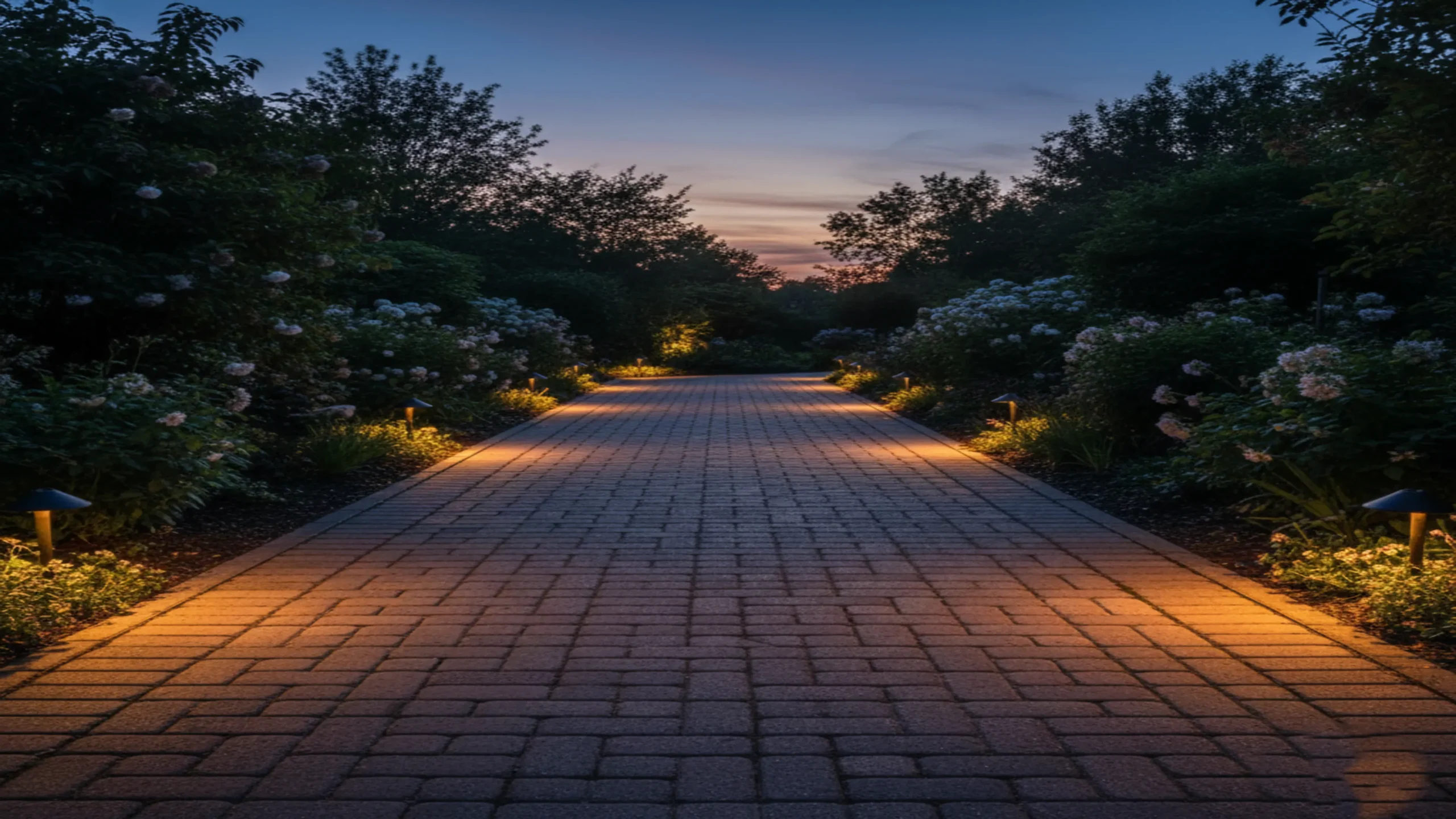
Solar or low-voltage lights along the sides make your walkway safe and magical at night.

Blend with Nature

Plant low-growing flowers or ground covers along the edges. This softens the brick’s hardness and adds color.

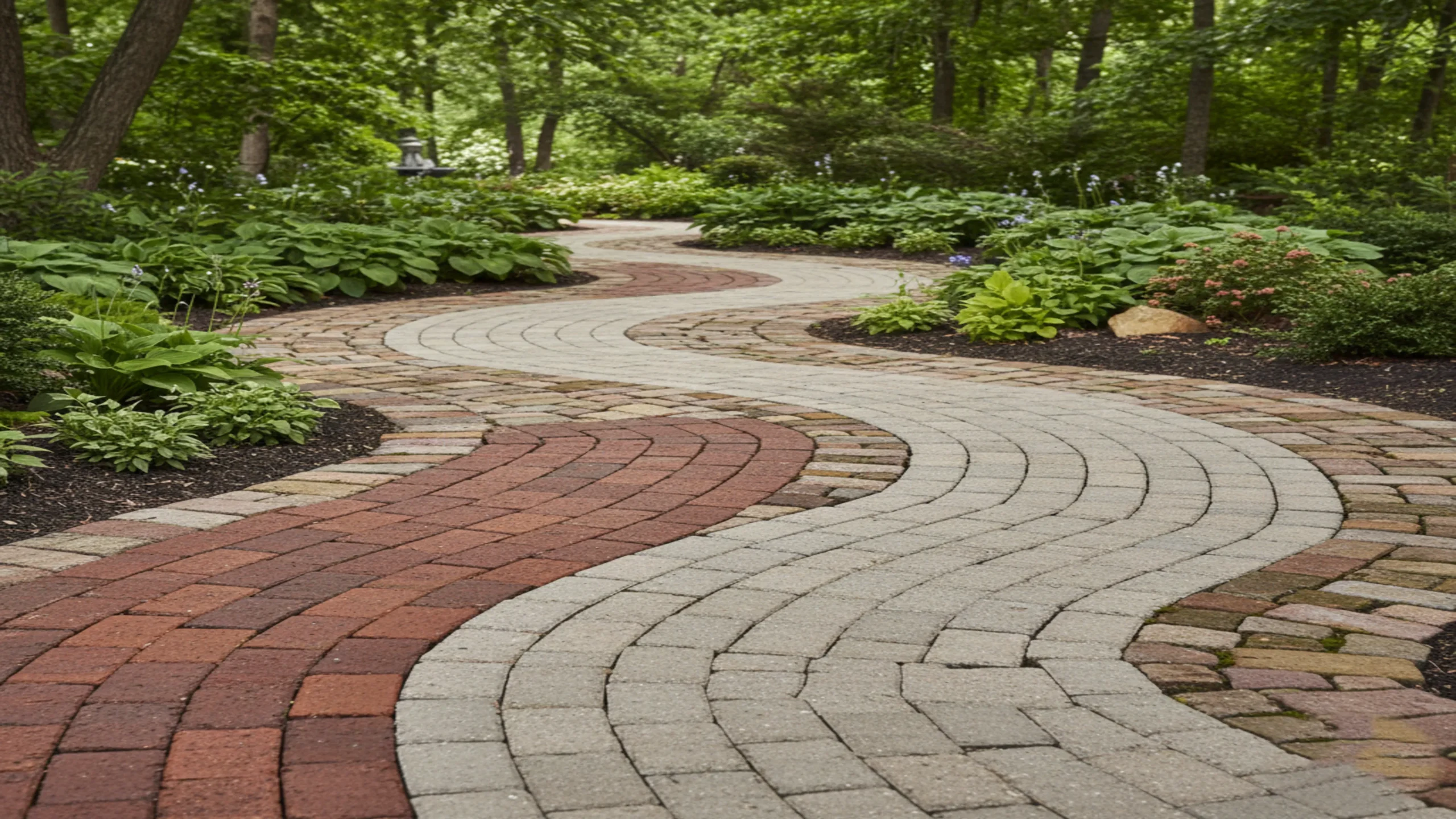
Use Curves

Straight paths are classic, but gentle curves add flow and a natural feel.

zigzag

Maintenance Hacks for Long-Lasting Brick Walkways

  • Regular cleaning: Sweep debris and wash with water to avoid moss buildup.

  • Weed control: Use sand or polymeric sand between bricks to stop weeds.

  • Re-leveling: Fix any sunken bricks promptly to prevent tripping hazards.

  • Sealing: Apply a brick sealer to protect against stains and fading.

flowerSun
simplezig

Final Thoughts

  • A brick walkway is more than just a path—it’s a statement. It welcomes guests, guides your journey through your garden, and enhances your home’s curb appeal. With the right design and materials, your walkway can become a cherished outdoor feature for years to come.

If you want, I can also help with step-by-step installation guides or maintenance tips. Just let me know!

7

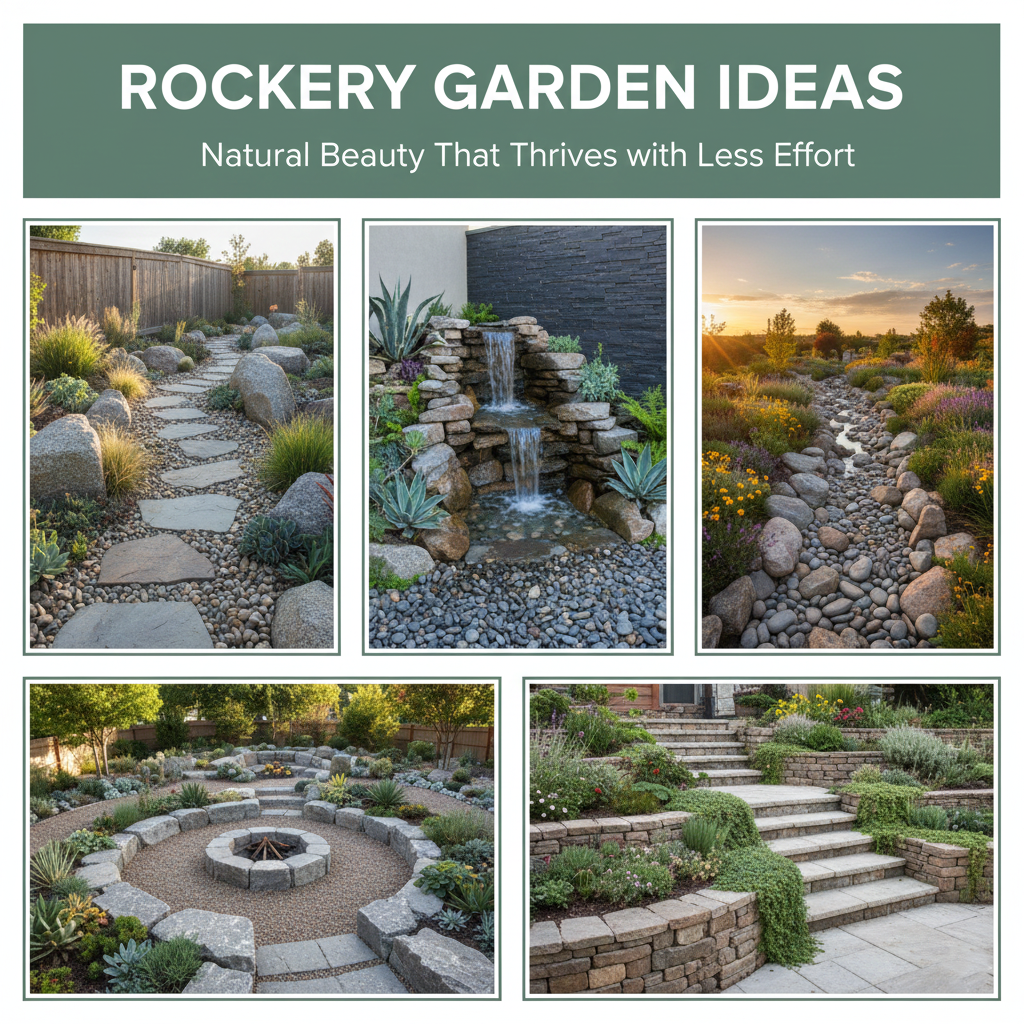
Rockery Garden Ideas: Natural Beauty That Thrives with Less Effort

7

Rockery Garden Ideas: Natural Beauty That Thrives with Less Effort

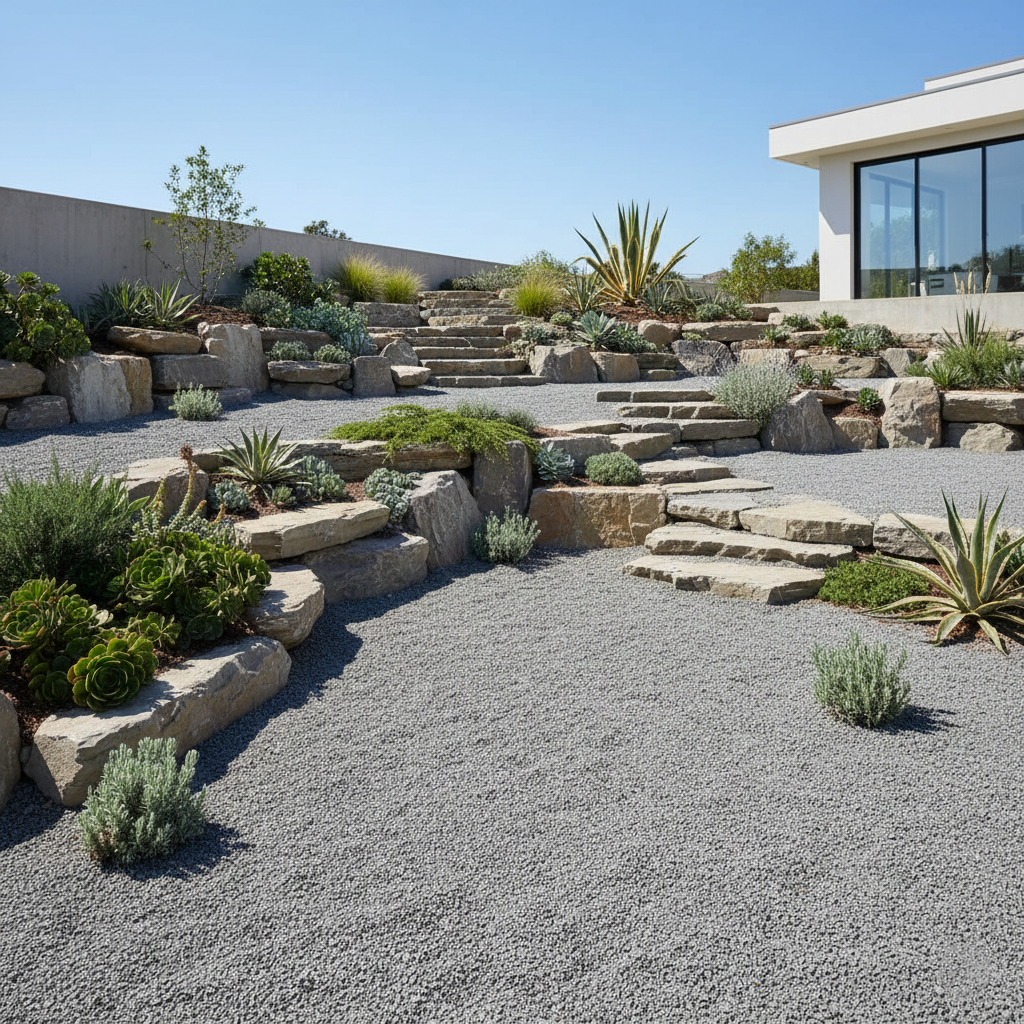
Rockery gardens feel calm and grounded.
They bring the beauty of mountains and natural landscapes into your yard.

This style works especially well in small spaces and uneven terrain.
It also requires less water and maintenance.

When designed well, a rockery garden feels timeless.
It blends stone, plants, and texture in perfect balance.

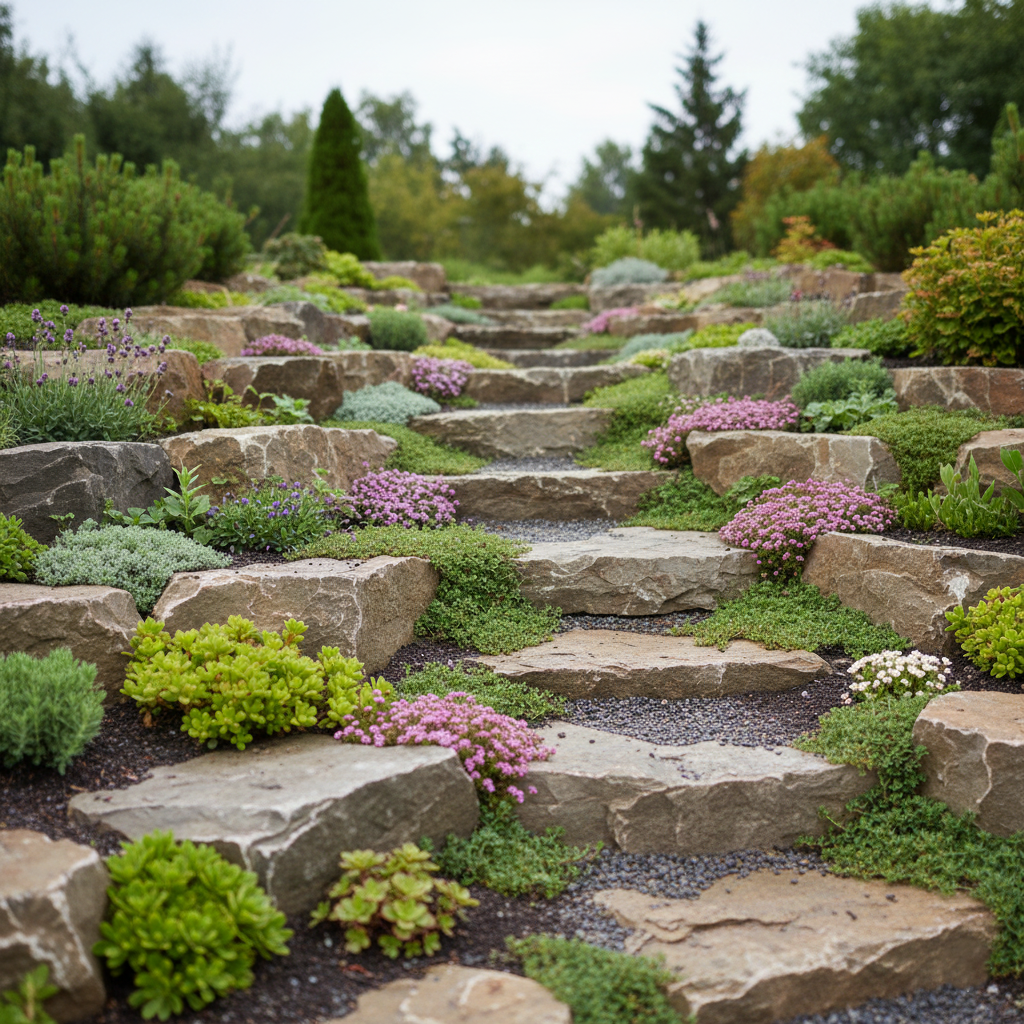
Natural Stone Rockery Gardens for a Wild, Organic Look

Natural stone creates the most authentic rockery feel.
It looks as if it has always belonged there.

Irregular stones mimic nature’s patterns.
They help the garden feel relaxed and unforced.

Best Stones for Rockery Gardens

  • Limestone

  • Sandstone

  • Slate

  • Fieldstone

Place stones partially into the soil.
This anchors them visually and physically.

Allow gaps between rocks.
Plants need room to breathe and grow.

sronesteps

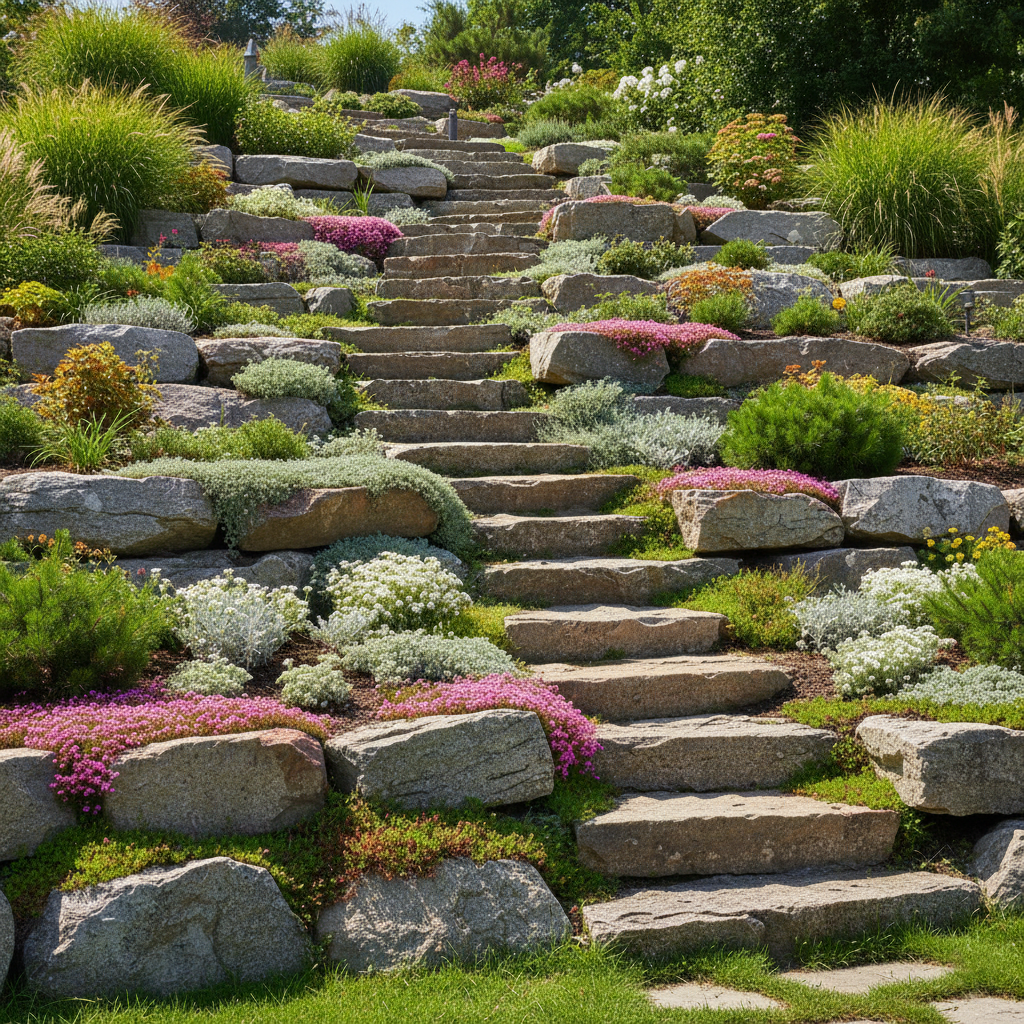
Sloped Rockery Garden Ideas for Uneven Ground

Slopes are perfect for rockery gardens.
Rocks prevent erosion while adding beauty.

This design turns a challenge into an advantage.
Water drains naturally, keeping plants healthy.

Plants That Thrive on Slopes

  • Creeping thyme

  • Sedum

  • Ice plant

  • Aubrieta

  • Alpine grasses

Arrange larger rocks at the base.
This creates stability and structure.

Sloped rockeries feel dynamic.
They draw the eye upward naturally.

greensteps

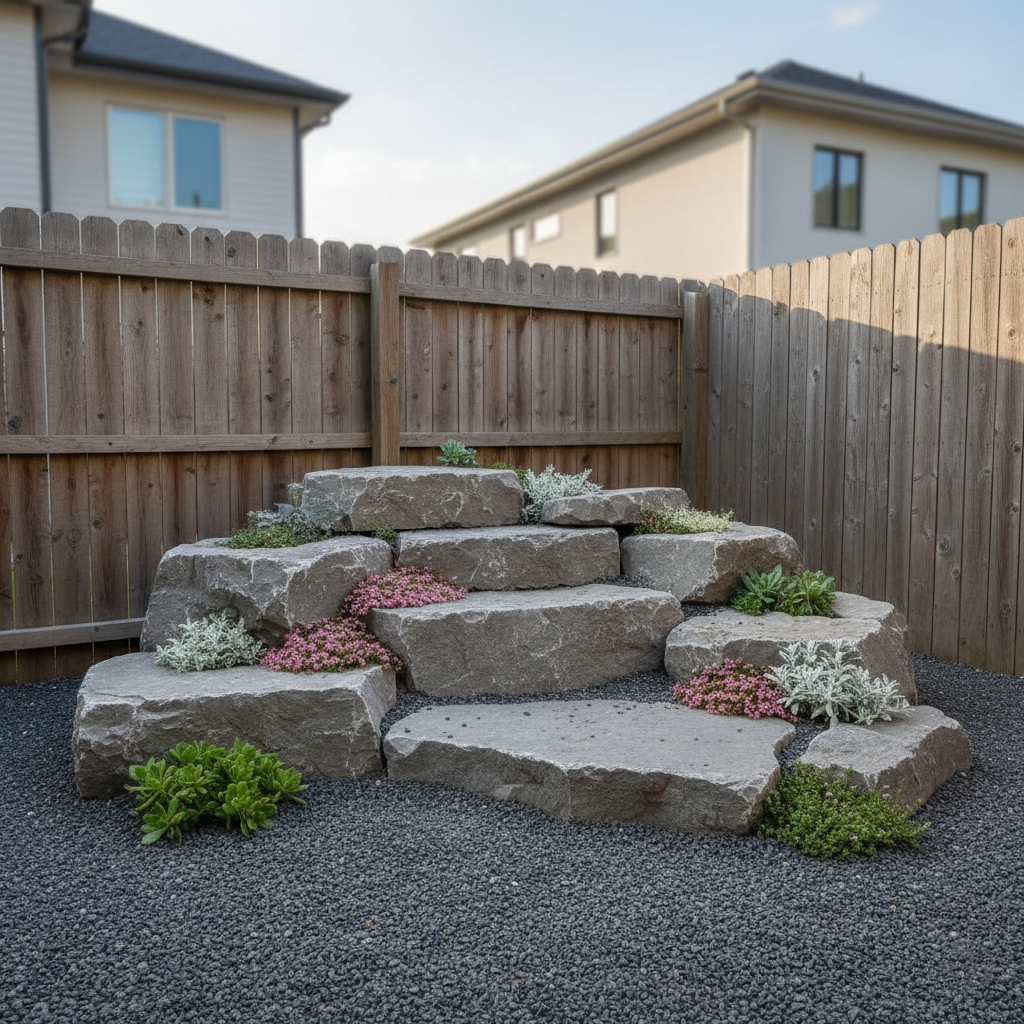
Small Rockery Garden Ideas for Compact Spaces

You do not need a large yard.
Rockery gardens shine in small spaces.

Compact designs focus on texture and scale.
Every element feels intentional.

Small-Space Rockery Design Tips

  • Use fewer plant varieties

  • Choose smaller stones

  • Focus on height variation

  • Keep colors consistent

Rockery gardens work well near patios and walkways.
They add interest without clutter.

This style is ideal for urban homes and courtyards.

housesteps

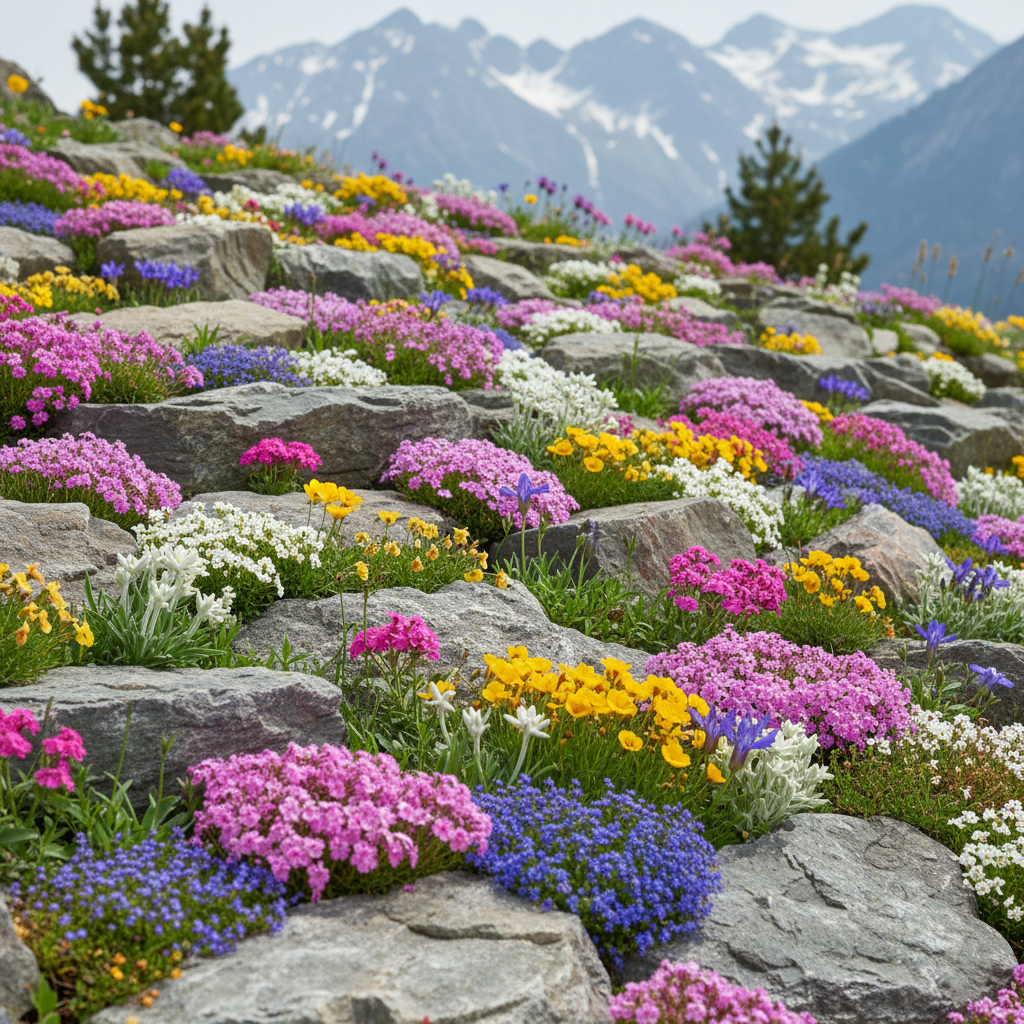
Rockery Gardens with Flowering and Alpine Plants

Flowers soften the strength of stone.
They bring color and seasonal change.

Alpine plants are especially suited for rockeries.
They thrive in well-drained soil.

Best Flowering Plants for Rockery Gardens

  • Saxifraga

  • Dianthus

  • Alyssum

  • Phlox

  • Campanula

Choose plants with staggered bloom times.
This keeps the garden interesting year-round.

The contrast between stone and flowers feels peaceful.
It balances strength and softness.

flowerstone

Low-Maintenance Rockery Gardens with Gravel and Evergreens

Rockery gardens can be extremely low maintenance.
The right materials make all the difference.

Gravel improves drainage and reduces weeds.
Evergreens provide structure throughout the year.

Low-Maintenance Design Elements

  • Decorative gravel

  • Dwarf conifers

  • Succulents

  • Ground-cover plants

This style suits busy lifestyles.
It also works well in dry climates.

Once established, maintenance stays minimal.
That makes rockeries very rewarding.

stoneangla

Final Thoughts: Are Rockery Garden Ideas Worth Considering?

Yes, without doubt.

Rockery gardens combine beauty and practicality.
They thrive where other gardens struggle.

They suit small spaces, slopes, and dry areas.
They also age beautifully over time.

With thoughtful stone placement and plant choice, a rockery garden feels natural and lasting.
It becomes a quiet, grounding presence in your outdoor space.