22

Floating Steps Outdoor Entrance Ideas That Instantly Elevate Curb Appeal

22

That Instantly Elevate Curb Appeal

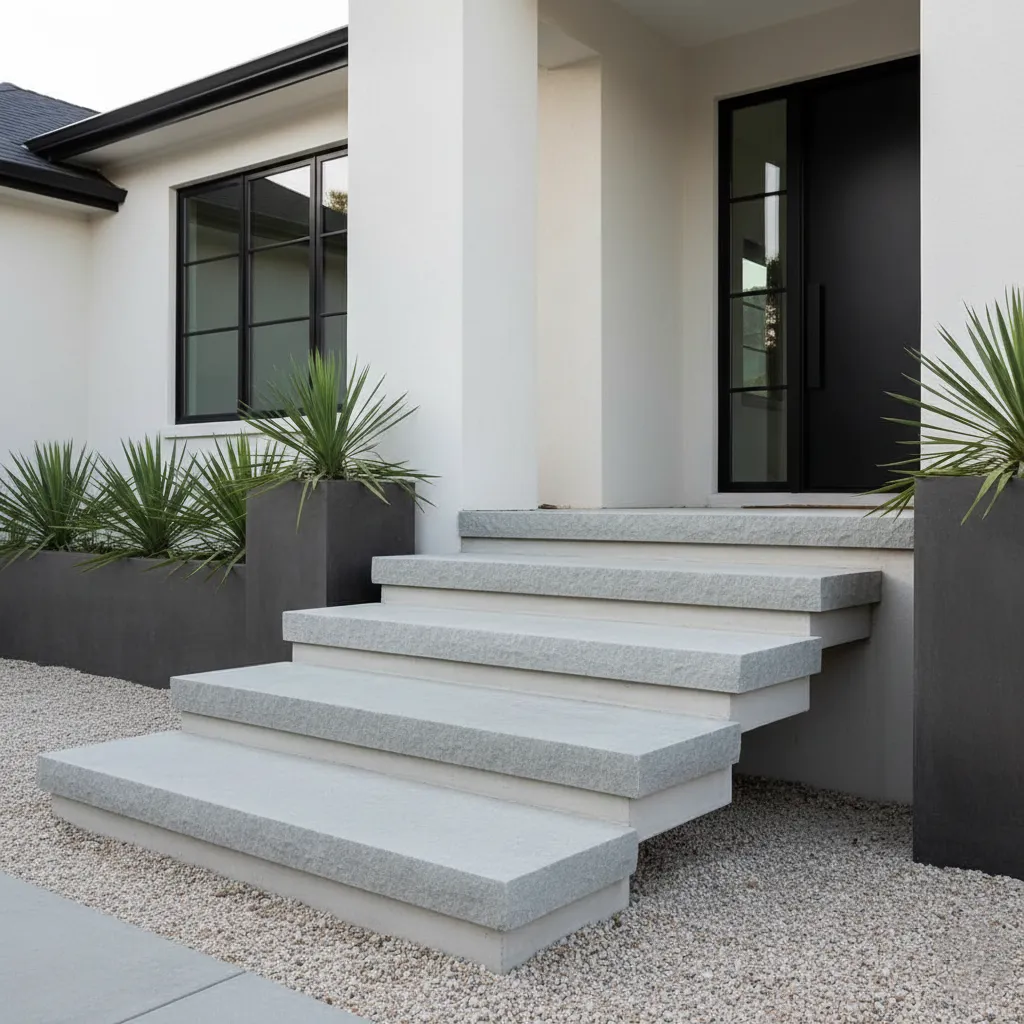
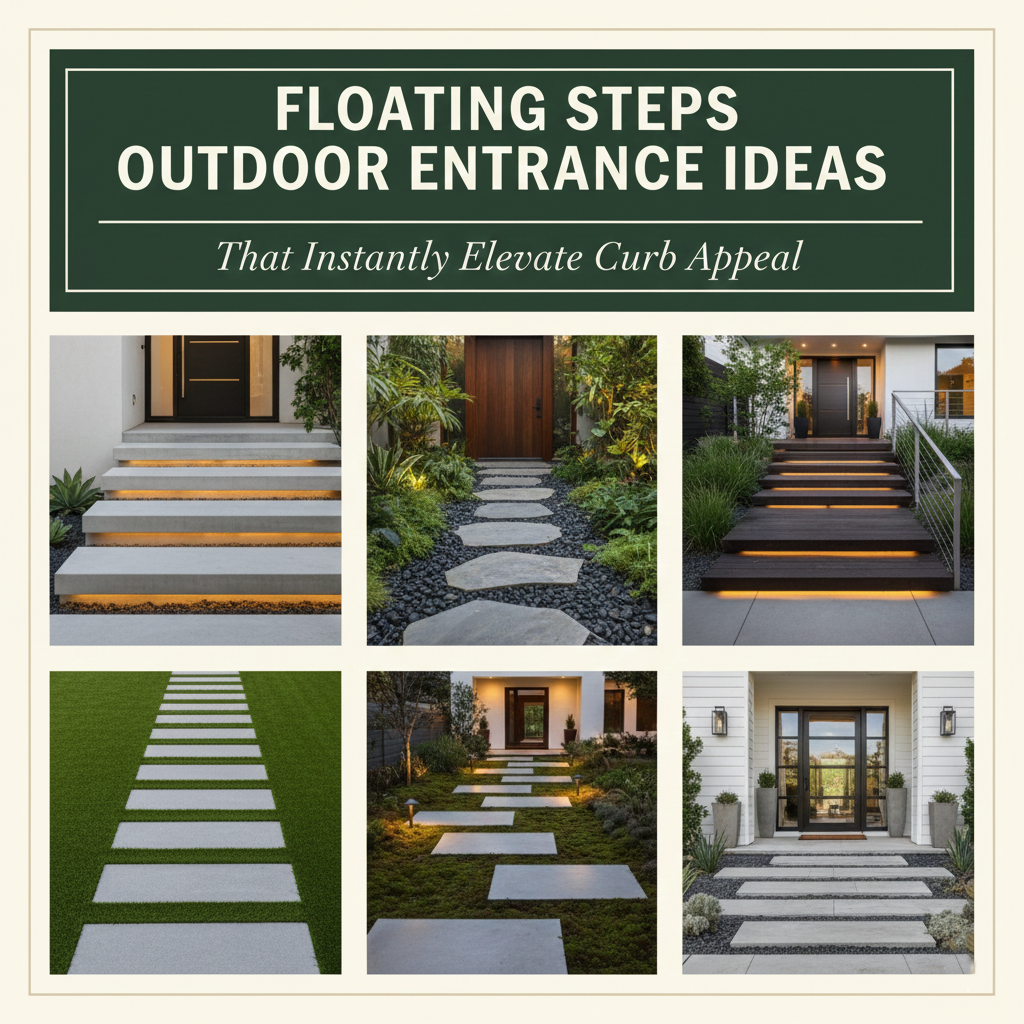
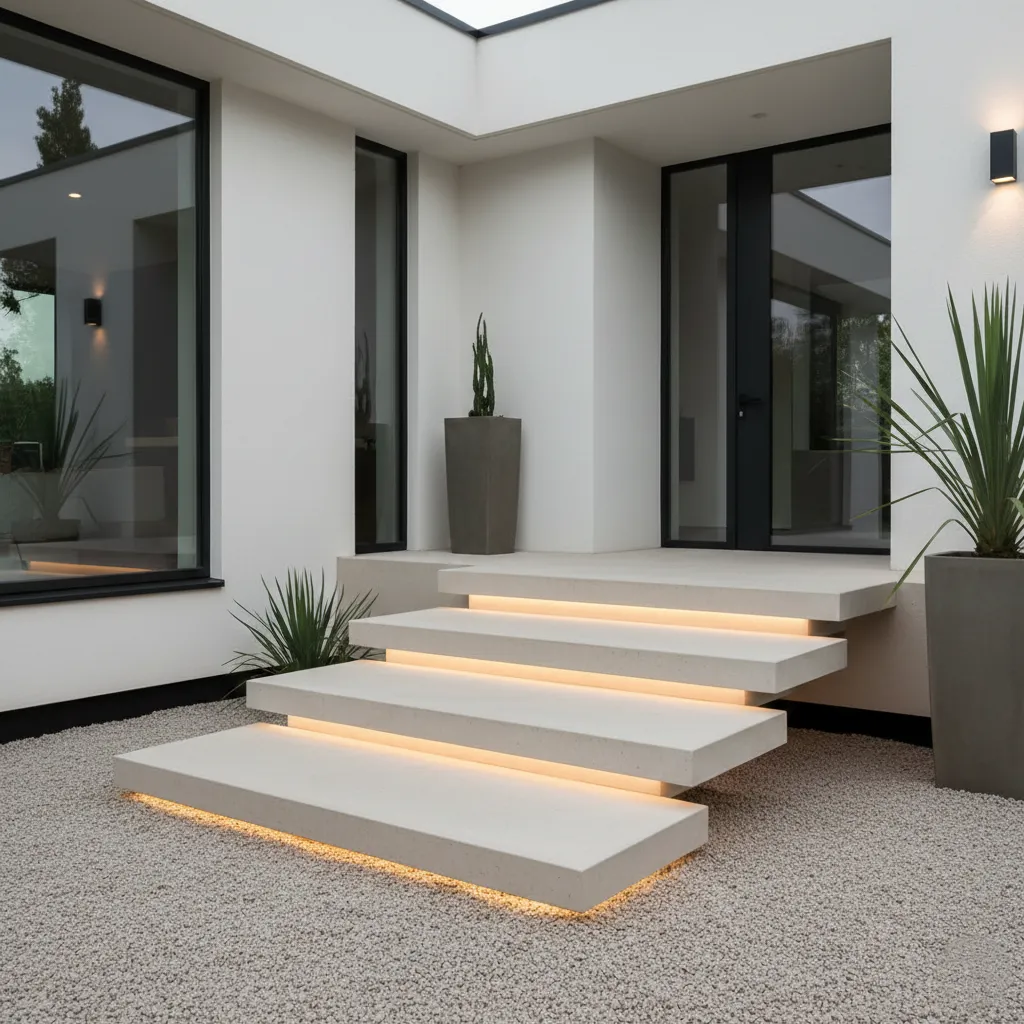
Floating steps change how an entrance feels.
They feel light, modern, and intentional.

Instead of heavy staircases, floating steps create flow.
They guide visitors gently toward your home.

This design works for modern, natural, and minimalist exteriors.
It also adapts well to slopes and uneven ground.
What Makes Floating Steps So Visually Appealing

Floating steps appear to hover above the ground.
That illusion creates instant interest.

The open space between steps adds lightness.
It keeps entrances from feeling bulky.

Key Visual Benefits

  • Clean architectural lines

  • Modern and high-end appearance

  • Improved light and shadow play

  • Strong first impression

Floating steps feel thoughtful.
They show attention to detail.

When done right, they look timeless.
Not trendy or forced.

lightstari

Best Materials for Floating Outdoor Steps

Material choice defines the mood.
It also affects durability and safety.

Outdoor steps must handle weather and foot traffic.
Beauty alone is not enough.

Popular Material Options

  • Concrete for modern homes

  • Natural stone for organic designs

  • Wood for warmth and texture

  • Steel frames for structural strength

Stone and concrete last longer outdoors.
Wood adds charm but needs maintenance.

Choose materials that match your exterior.
Consistency matters.

simplestare

Floating Steps with Landscaping Integration

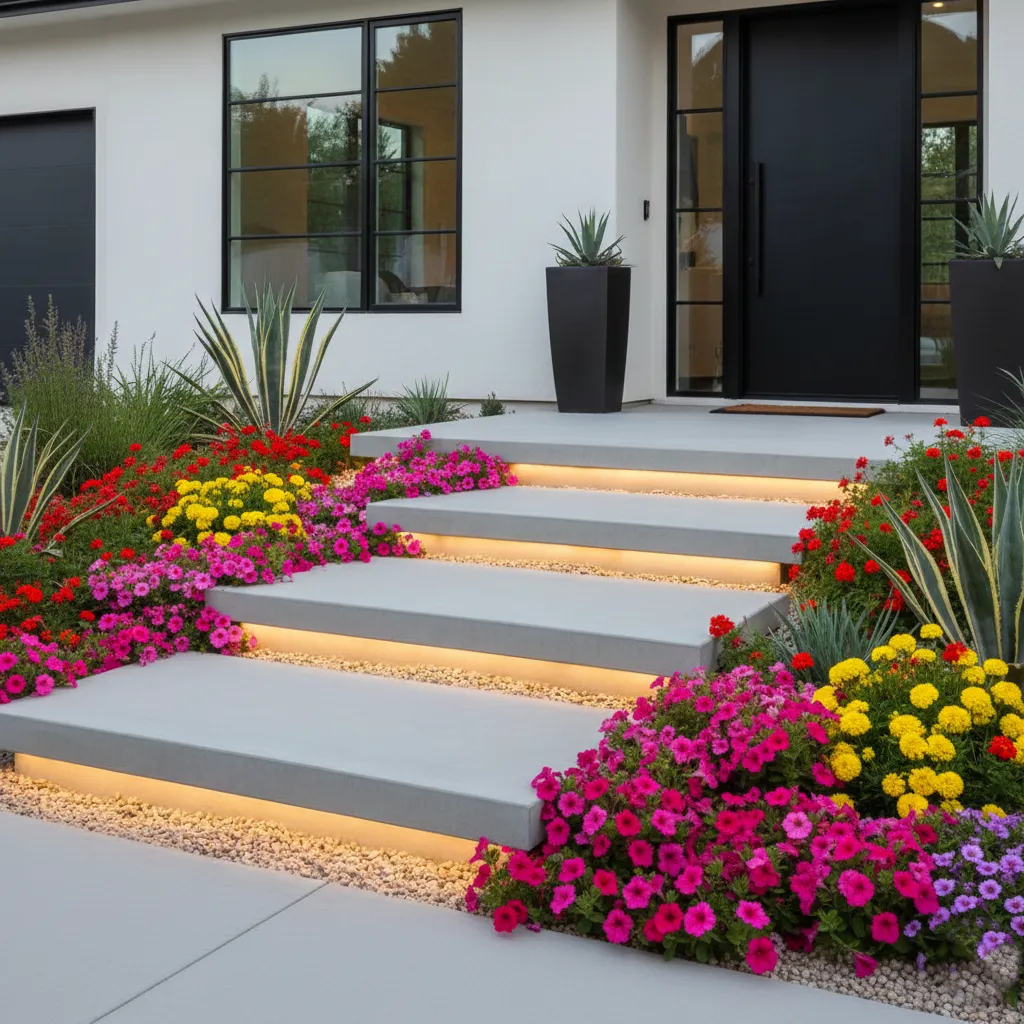
Floating steps look best when blended with nature.
Plants soften their edges.

This creates harmony between architecture and landscape.
The entrance feels welcoming, not harsh.

Landscaping Ideas Around Floating Steps

  • Gravel beds beneath steps

  • Low ornamental grasses

  • Ground cover plants

  • Accent boulders or stones

Leave negative space visible.
That enhances the floating effect.

Lighting hidden among plants adds drama.
Especially at night.


Flowersstar

Floating Step Designs for Sloped Entrances

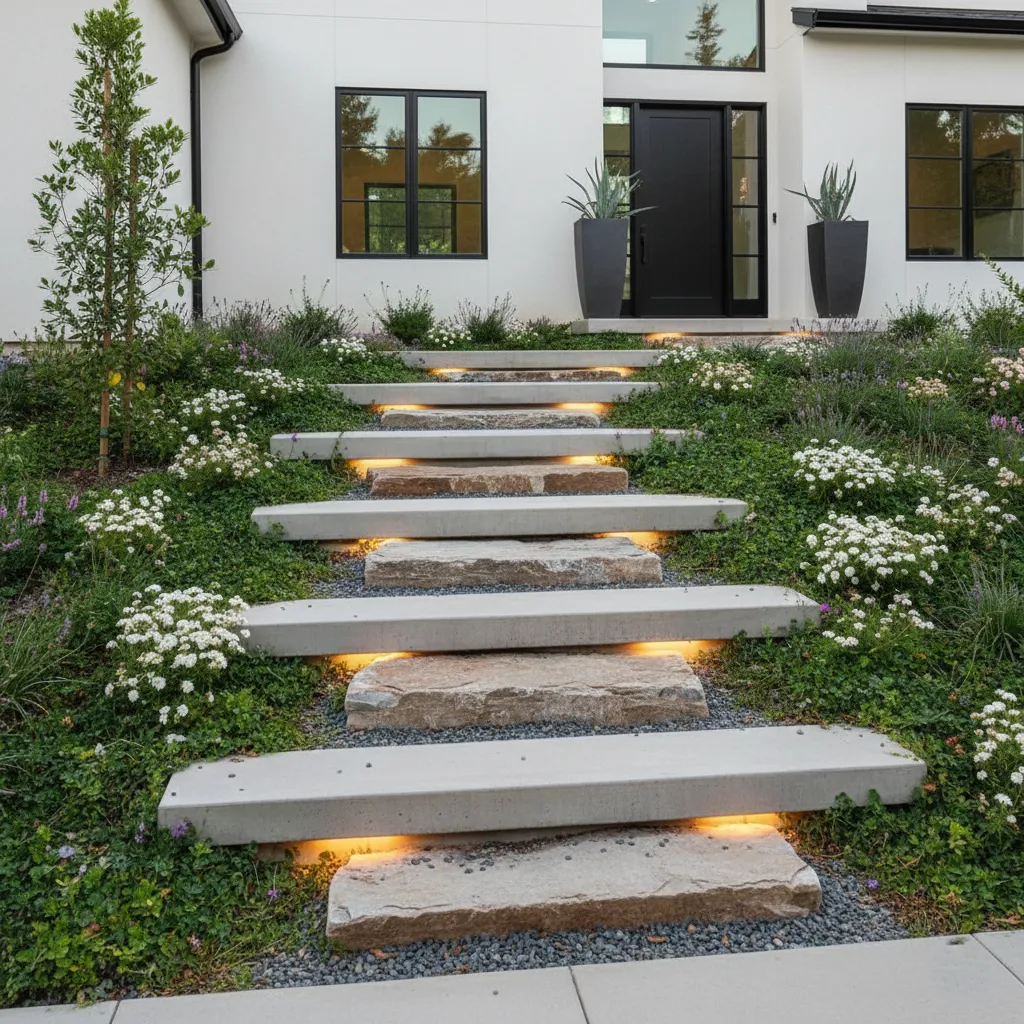
Sloped yards benefit the most from floating steps.
They solve elevation issues beautifully.

Instead of cutting into land, steps follow terrain.
This feels natural and efficient.

Smart Design Tips for Slopes

  • Vary step height gradually

  • Anchor steps securely into the slope

  • Use retaining elements discreetly

  • Add handrails only if needed

Floating steps on slopes feel intentional.
They turn a challenge into a feature.

They also improve drainage.
Water flows naturally beneath.

whitflower

Lighting Ideas to Enhance Floating Steps at Night

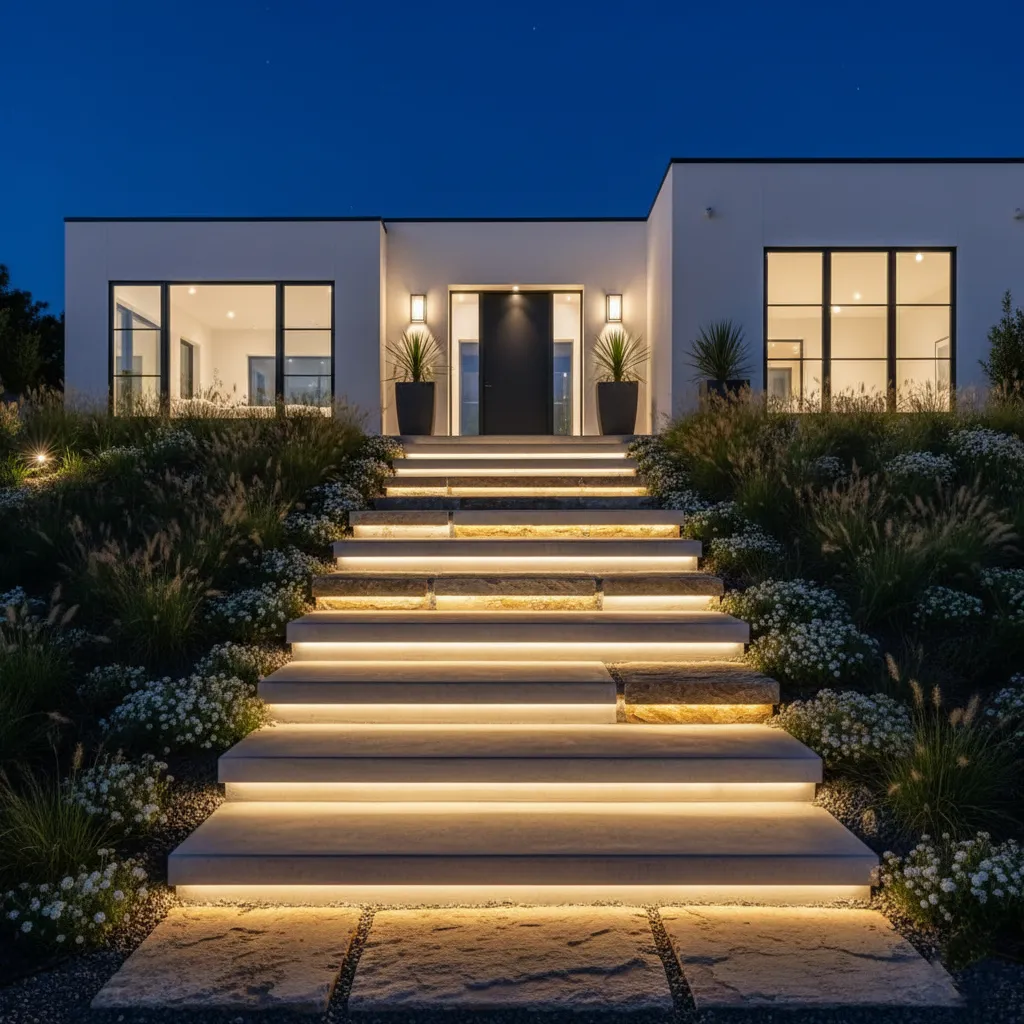
Lighting completes the design.
It adds safety and atmosphere.

Subtle lighting works best.
Avoid harsh or exposed fixtures.

Effective Lighting Options

  • LED strip lights under steps

  • Ground lights between treads

  • Side wall recessed lighting

  • Solar lights for eco-friendly setups

Soft lighting highlights shadows.
It strengthens the floating illusion.

At night, the entrance feels calm and premium.
Not overwhelming.

housestairs

Final Thoughts: Are Floating Steps Worth It for Outdoor Entrances?

Yes, without question.

Floating steps elevate both design and experience.
They feel modern yet timeless.

They work with landscaping, slopes, and lighting.
They also increase curb appeal instantly.

If you want an entrance that feels thoughtful and refined, floating steps are a powerful choice.
They make arriving home feel special every day.

2

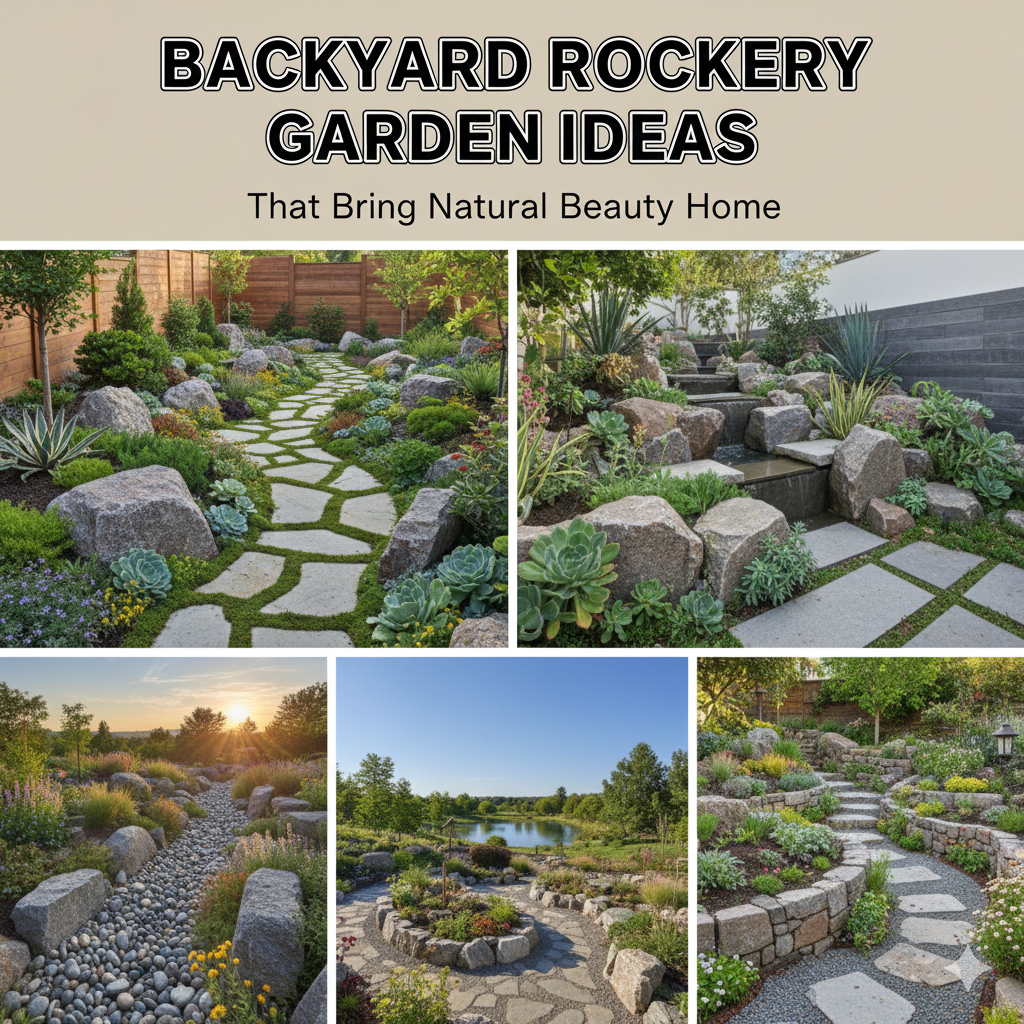
Backyard Rockery Garden Ideas That Bring Natural Beauty Home

2

Backyard Rockery Garden Ideas That Bring Natural Beauty Home

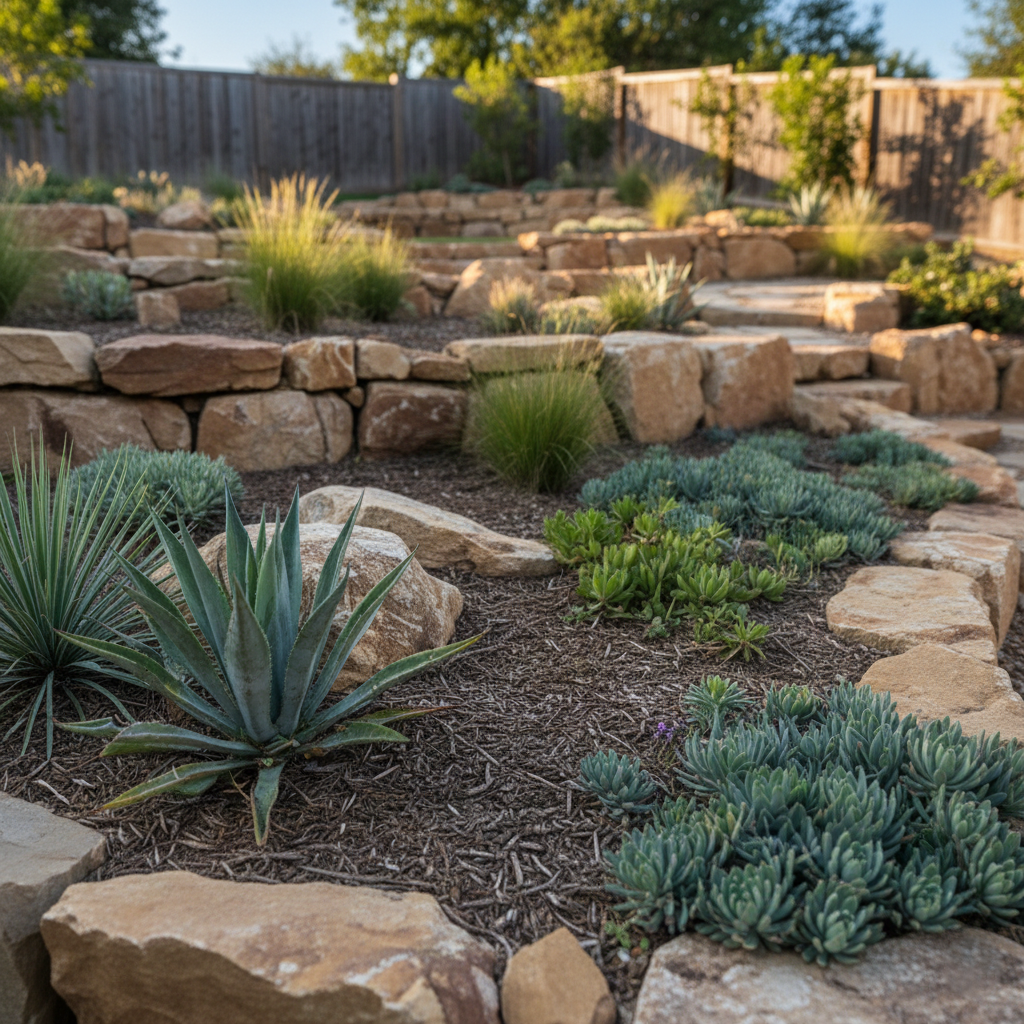
A rockery garden feels calm and timeless.
It mimics nature in its purest form.

Rocks, plants, and terrain work together.
Nothing feels forced or artificial.

Rockery gardens suit both large yards and small spaces.
They also solve uneven ground beautifully.

What Makes a Rockery Garden Work So Well in Backyards

Rockery gardens combine structure and softness.
Rocks give form. Plants add life.

They are practical and visually pleasing.
Especially for sloped or uneven yards.

Key Benefits of Rockery Gardens

  • Excellent drainage

  • Low water requirements

  • Natural erosion control

  • Year-round visual interest

Rockery gardens age gracefully.
They often look better with time.

Once established, maintenance stays minimal.
That makes them ideal for busy homeowners.

1st

Choosing the Right Rocks for a Natural Look

The choice of stone defines the mood.
Natural shapes always work best.

Avoid uniform or polished stones.
Nature prefers irregular edges.

Best Rock Types for Rockery Gardens

  • Limestone for soft tones

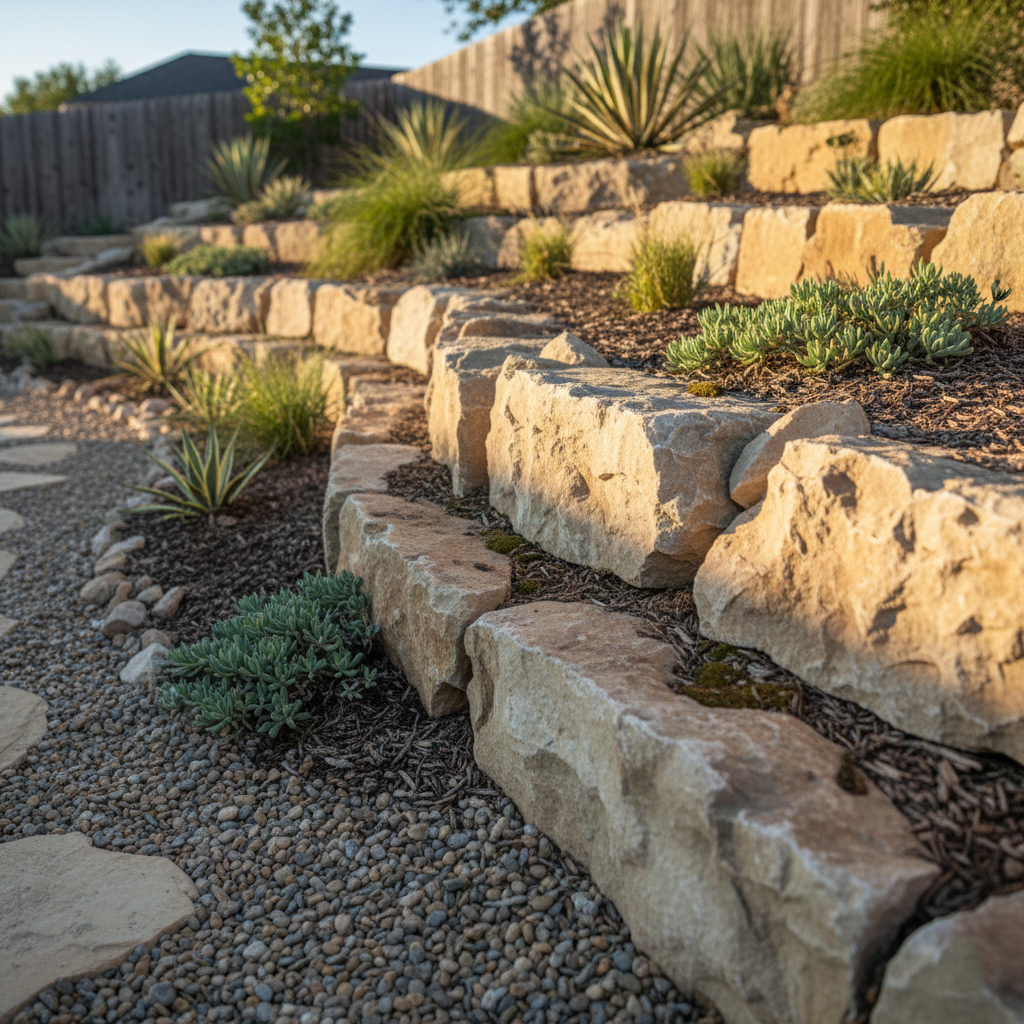
  • Sandstone for layered texture

  • Granite for bold structure

  • Local stone for authenticity

Partially bury larger rocks.
They should feel anchored.

Good rock placement feels effortless.
Like it has always been there.

2nd

Rockery Garden Layout Ideas for Slopes and Flat Yards

Rockery gardens adapt easily.
They work on slopes and flat ground.

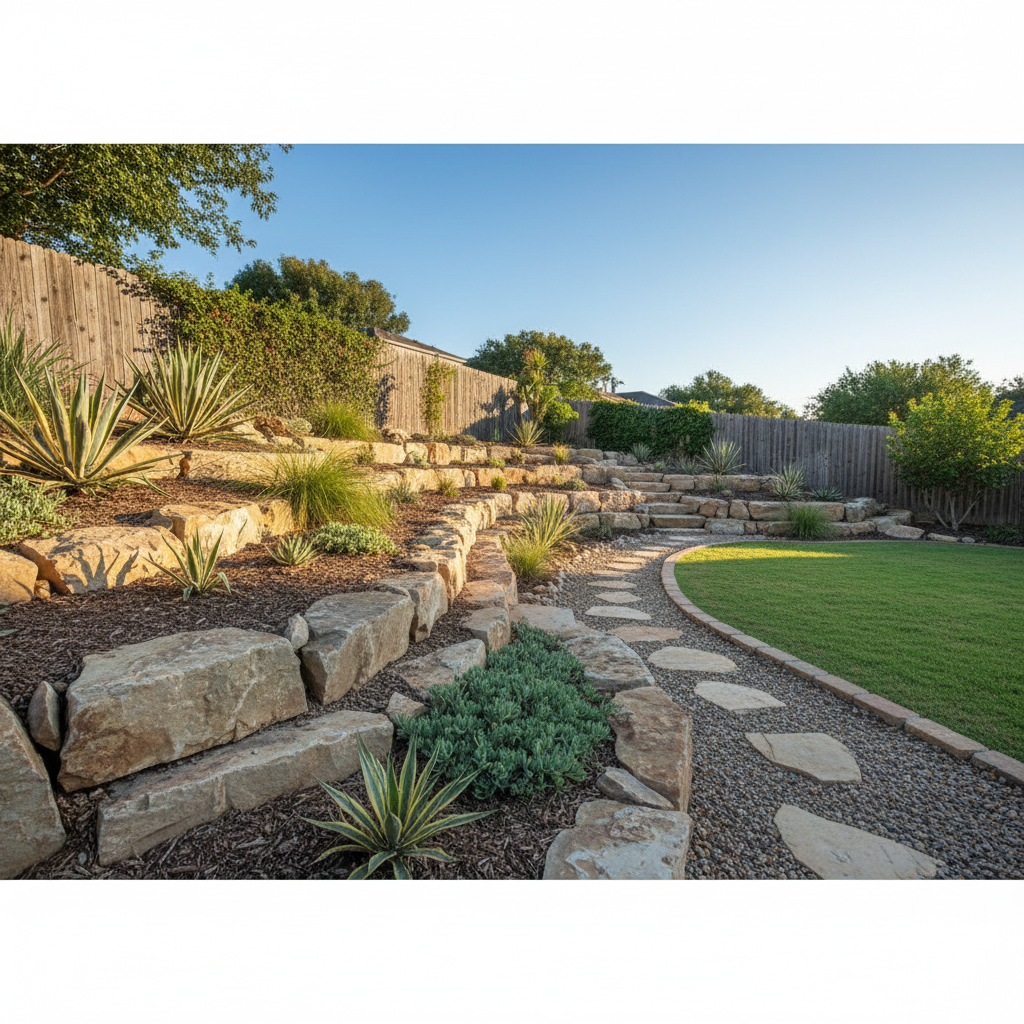
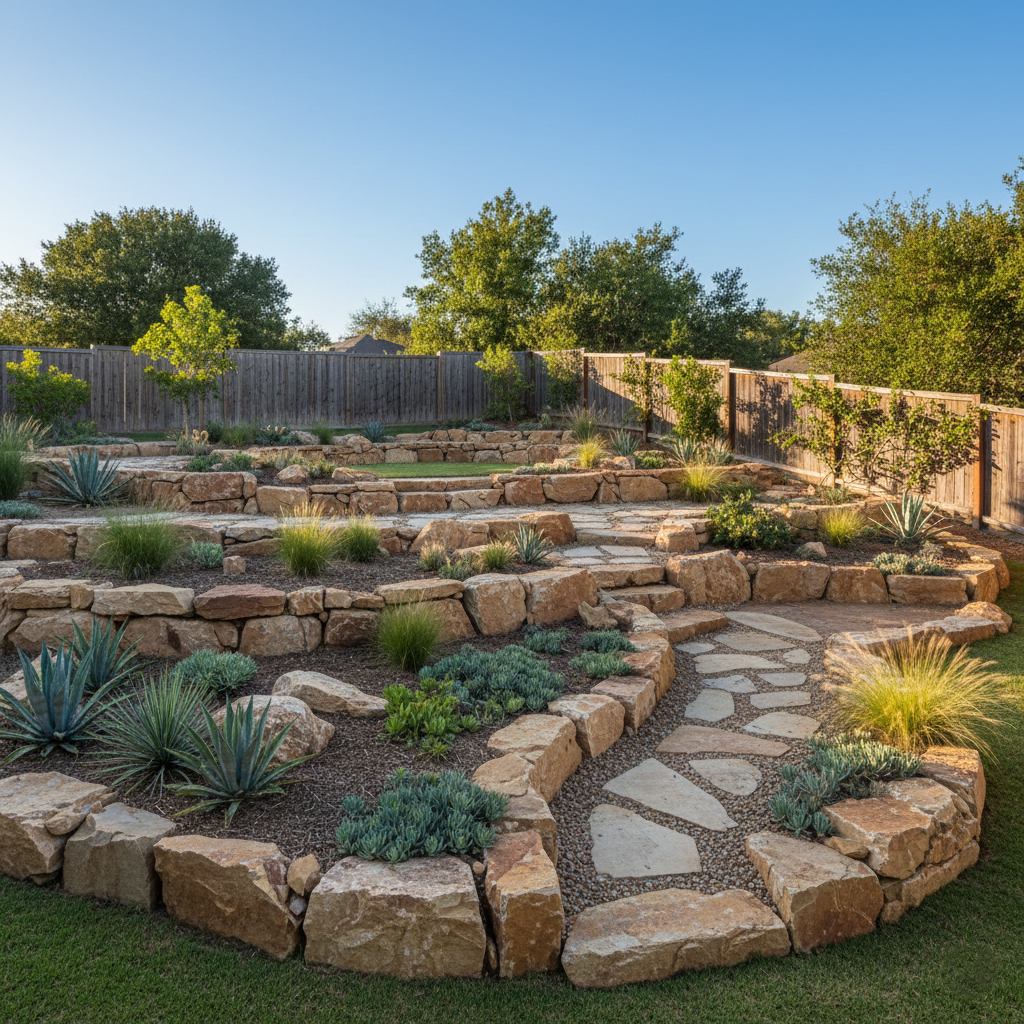
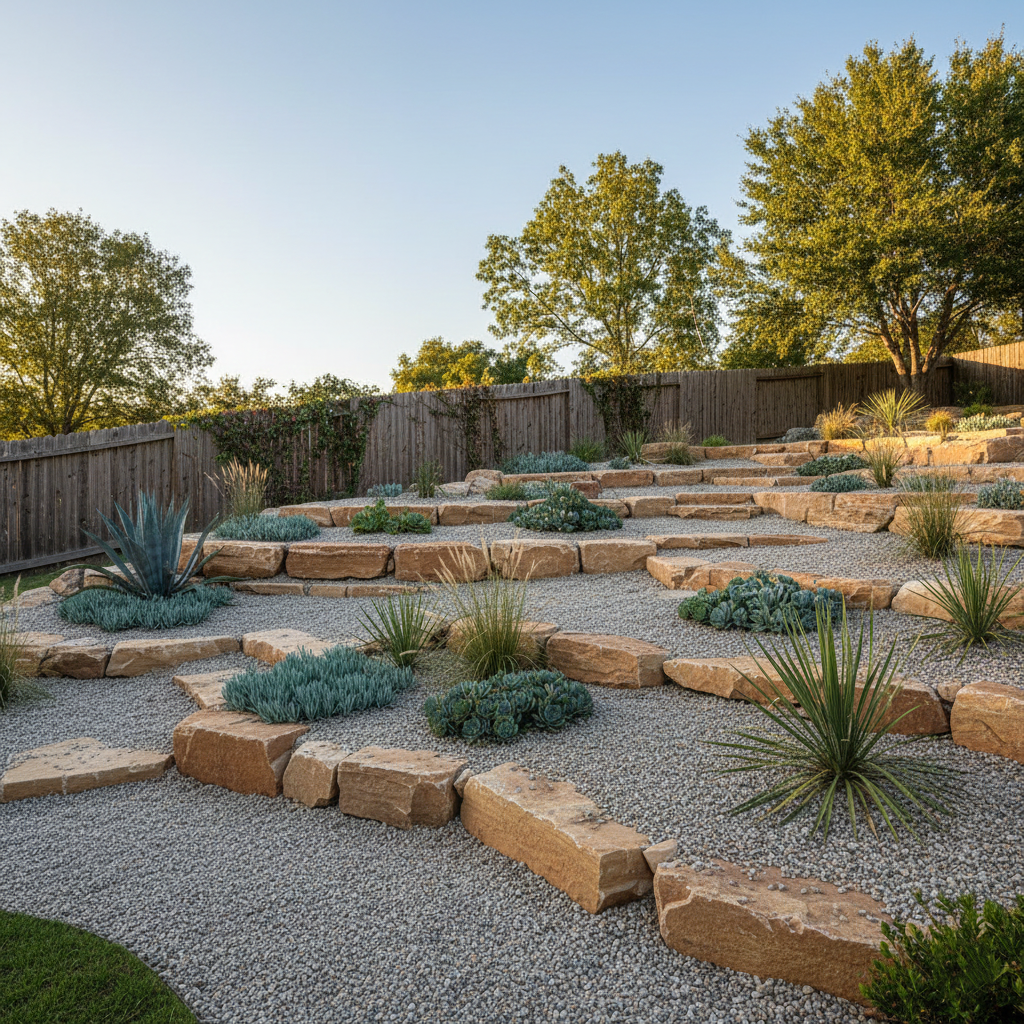
On slopes, rocks create terraces.
On flat yards, they add depth.

Layout Ideas to Consider

  • Tiered rockery on sloped land

  • Curved rock beds on flat lawns

  • Rock clusters with pathways

  • Raised rockery borders

Follow the natural flow of land.
Avoid straight lines.

Movement creates harmony.
It keeps the garden feeling alive.

3rd

Best Plants for Backyard Rockery Gardens

Plants should suit the rocky environment.
Choose hardy, adaptable varieties.

Small-root plants work best.
They thrive between stones.

Ideal Plants for Rockery Gardens

  • Alpine plants

  • Succulents and sedum

  • Creeping thyme

  • Lavender

  • Ornamental grasses

Group plants naturally.
Avoid perfect spacing.

Let some areas stay open.
Empty space highlights the rocks.

4th

Low-Maintenance Rockery Garden Design Tips

Rockery gardens should feel easy.
Design supports long-term success.

Simple choices reduce future work.
Smart planning saves time.

Low-Maintenance Tips

  • Use gravel mulch to suppress weeds

  • Choose drought-tolerant plants

  • Limit lawn areas

  • Install drip irrigation if needed

Once settled, care becomes minimal.
Occasional trimming is enough.

The garden remains beautiful without effort.
That is its true strength.

5th

Final Thoughts: Why Backyard Rockery Gardens Are Worth It

Rockery gardens bring balance and calm.
They feel rooted and natural.

They solve practical challenges.
They also elevate outdoor design.

With thoughtful rock placement and plant selection, a rockery garden becomes a lasting feature.
One that grows more beautiful each year.

1

Stunning Walkway to Front Door Ideas: Elevate Your Home’s First Impression

1

Stunning Walkway to Front Door Ideas: Elevate Your Home's First Impression

Your front walkway is more than just a path. It is the red carpet of your home. It’s the first thing guests touch and the last thing they see. A well-designed walkway sets an emotional tone. It says, "Welcome, we're glad you're here."

Whether you have a steep slope or a tiny yard, these walkway to front door ideas help you create an entrance that feels intentional and beautiful.

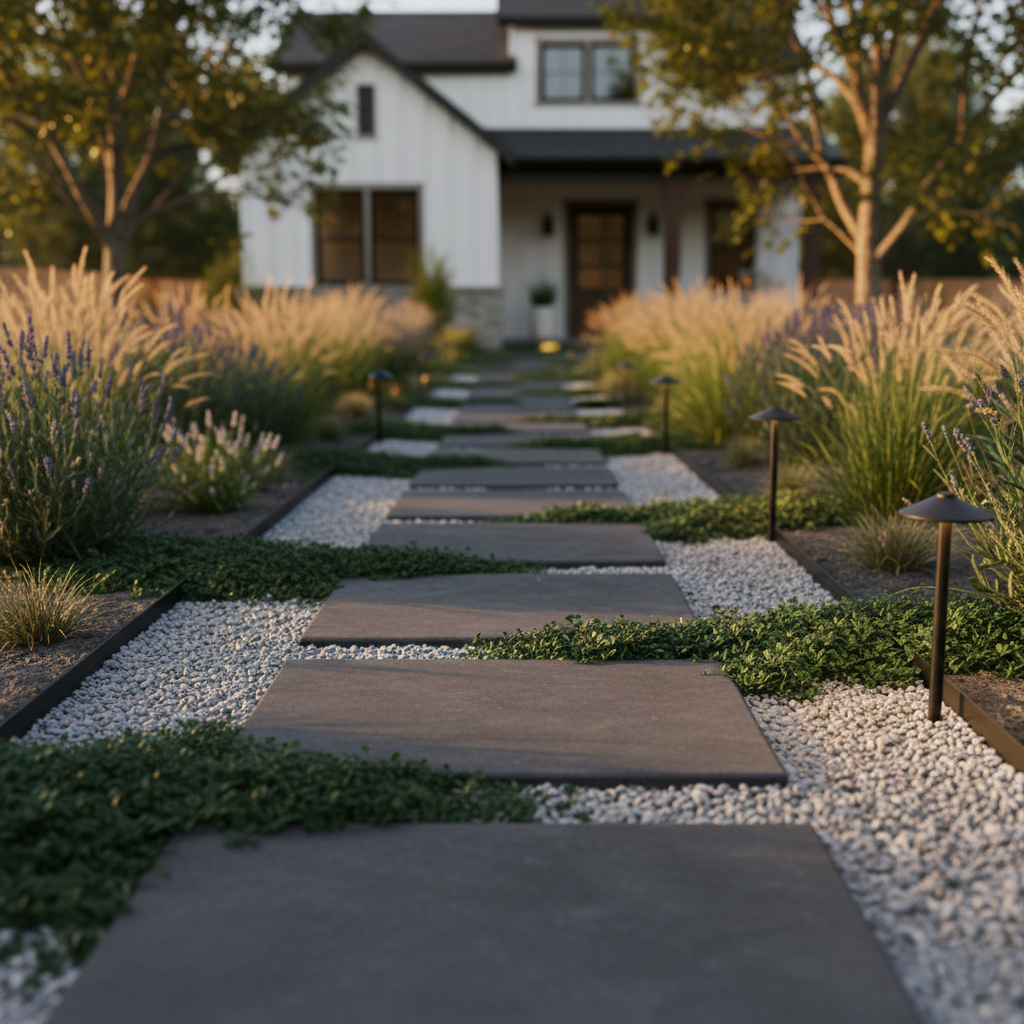
1. Modern Minimalist: Large Concrete Slabs

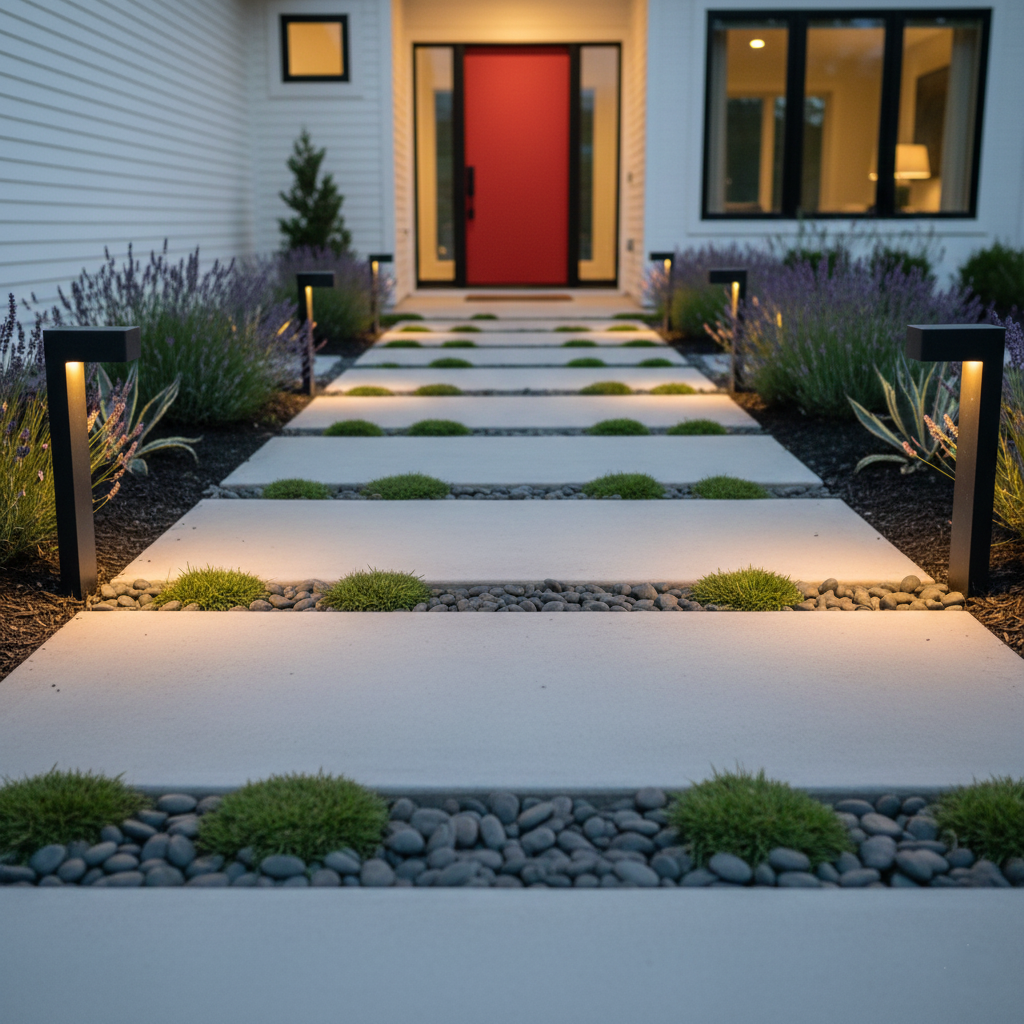
The current trend moves toward "oversized" and "understated." Using large-format concrete slabs creates a sleek, high-end look. This style perfectly complements modern architecture.

  • The Look: Clean lines with wide, rectangular stones.

  • The Twist: Leave 2-4 inches between each slab. Fill the gaps with dark river rocks or "no-mow" grass.

  • Why it works: It feels spacious and expensive. It uses simple materials to make a big statement.

Stone Path

2. The Charming Natural Stone Path

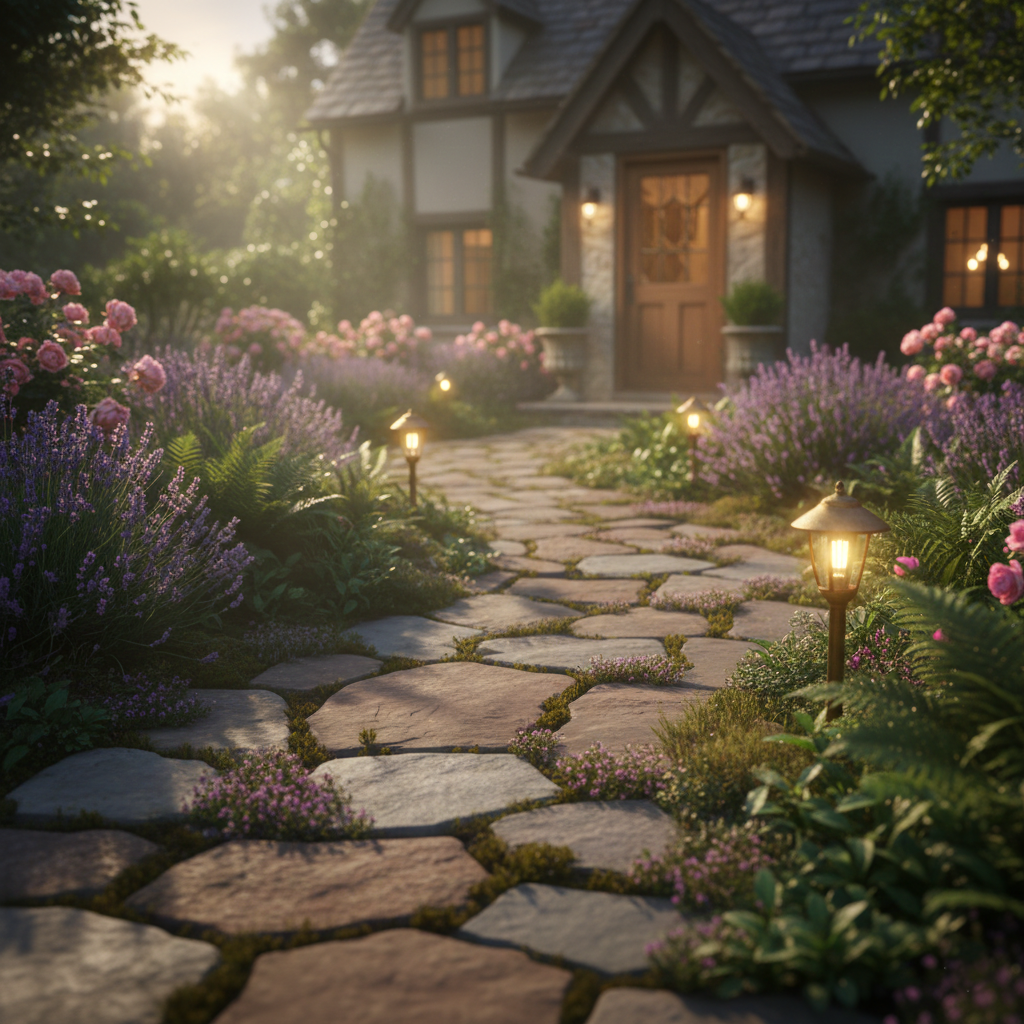
Does your home have a traditional or "cottage-core" vibe? Natural stone is the gold standard. Using irregular flagstone pieces creates an organic flow. It feels like the path has been there for decades.

  • Expertise Tip: In 2025, homeowners avoid rigid lines. Embrace a "fluid and romantic" approach. Let groundcovers like creeping thyme grow in the crevices.

  • Benefits: Stone is incredibly durable and slip-resistant.

  • DIY Level: Medium. It is like a giant puzzle. You must level the ground with sand first.

Natural Stone Path

3. Budget-Friendly Pea Gravel & Pavers

You don't need a massive budget to boost curb appeal. A gravel path is affordable and DIY-friendly. It provides a satisfying "crunch" underfoot and excellent drainage.

  • LSI Keywords: Permeable paving, landscape fabric, metal edging, drainage solutions.

  • The Setup: Use metal edging to keep the gravel contained. Place large square pavers every 18 inches. These act as steady stepping stones.

  • Empathy Note: Gravel is a lifesaver for rainy climates. It prevents puddles from forming where you walk.

Pea Gravel & Pavers

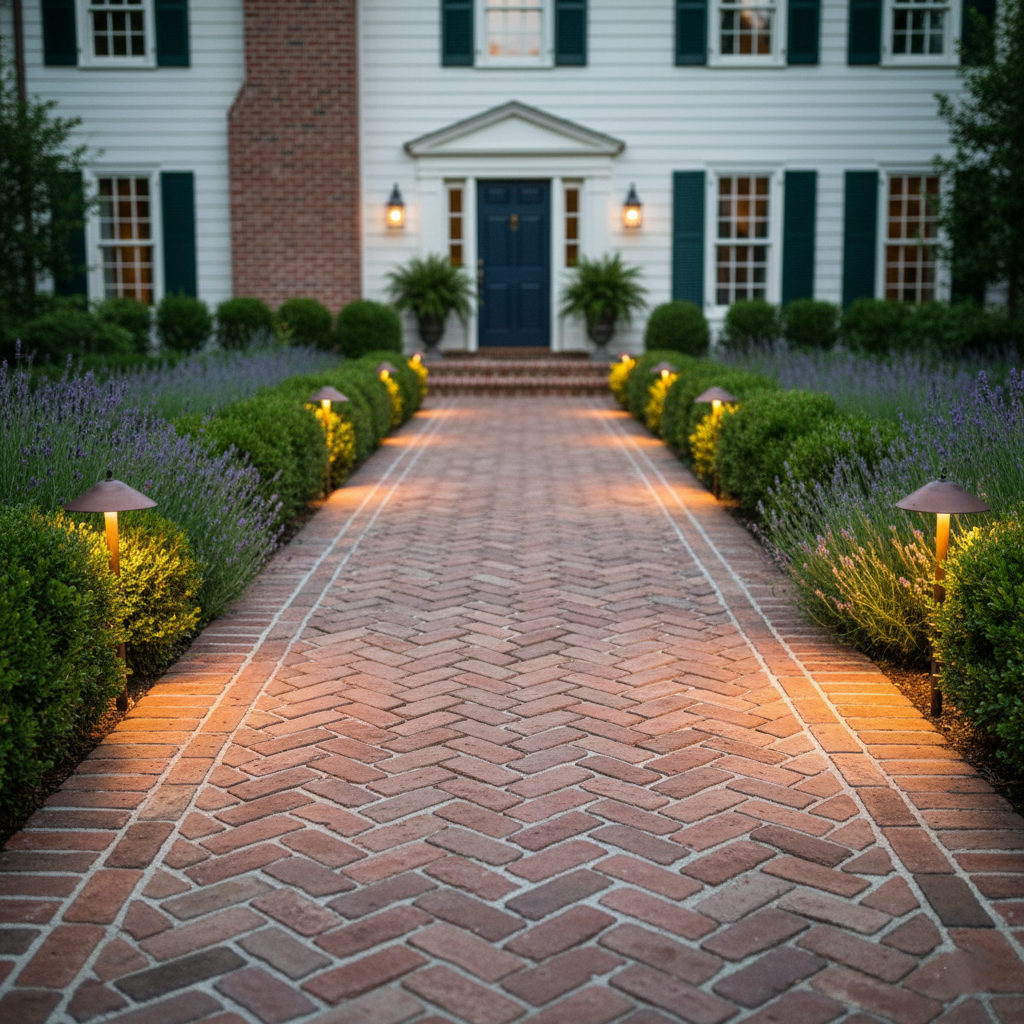
4. Classic Brick in a Herringbone Pattern

Brick never goes out of style. It offers a warm, "Old World" charm. This works beautifully with colonial or craftsman-style homes. A herringbone pattern isn't just pretty. The interlocking angles make the path stronger.

  • Pro Insight: Use polymeric sand to fill the joints. It hardens like glue when wet. This prevents weeds from poking through.

  • Style Hack: Match the brick color to your home’s chimney. This creates a cohesive, professional look.

Herringbone Pattern

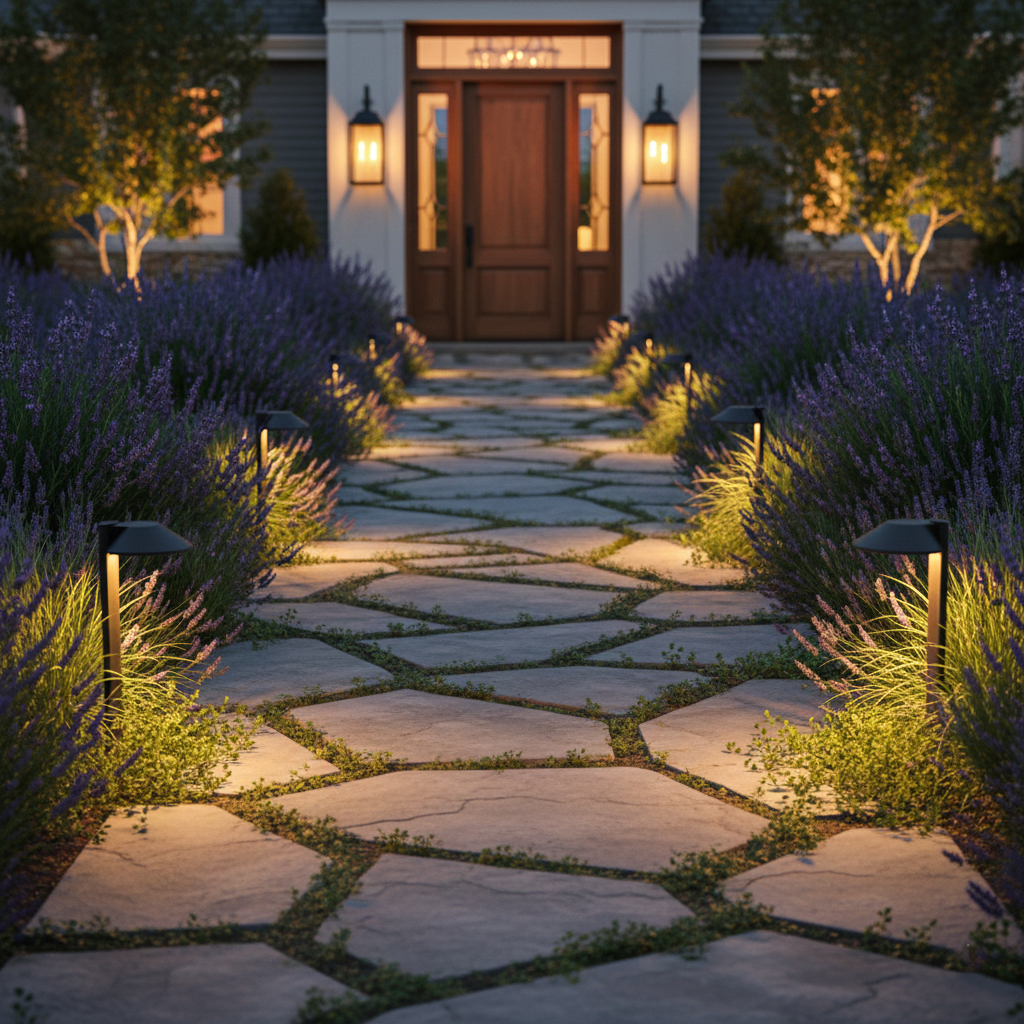
5. Grand Entry: The Multi-Sensory Walkway

A walkway shouldn't just be seen. It should be felt and smelled. 2025 landscaping trends focus on "multi-sensory" experiences. This means lining your path with fragrant plants.

  • Fragrance: Plant lavender or rosemary along the edges. Their scent releases as guests brush past.

  • Lighting: Avoid the "runway look." Use low-voltage LED bollards to create a soft, inviting glow.

  • Safety: Good lighting is the easiest way to prevent trips. It adds a layer of security to your home.


Multi-Sensory Walkway